
For singles or couples who cook for just one or two people, kitchen appliances must earn their counter space. The Instant Pot has become a staple in many homes, praised for its speed, versatility, and convenience. But when you're not feeding a family of four, does this multi-cooker still make sense? Can it adapt to smaller portions without wasting energy or food? The answer isn't a simple yes or no—it depends on how you cook, what you value in your kitchen, and how creatively you use the appliance.
This article examines whether the Instant Pot is truly worth it for small households by analyzing portion efficiency, meal planning benefits, energy use, and long-term value. Through practical insights, real-world examples, and expert-backed advice, we’ll help you decide if this countertop powerhouse belongs in your kitchen—even if you’re only cooking for one.
Why Small Households Face Unique Cooking Challenges
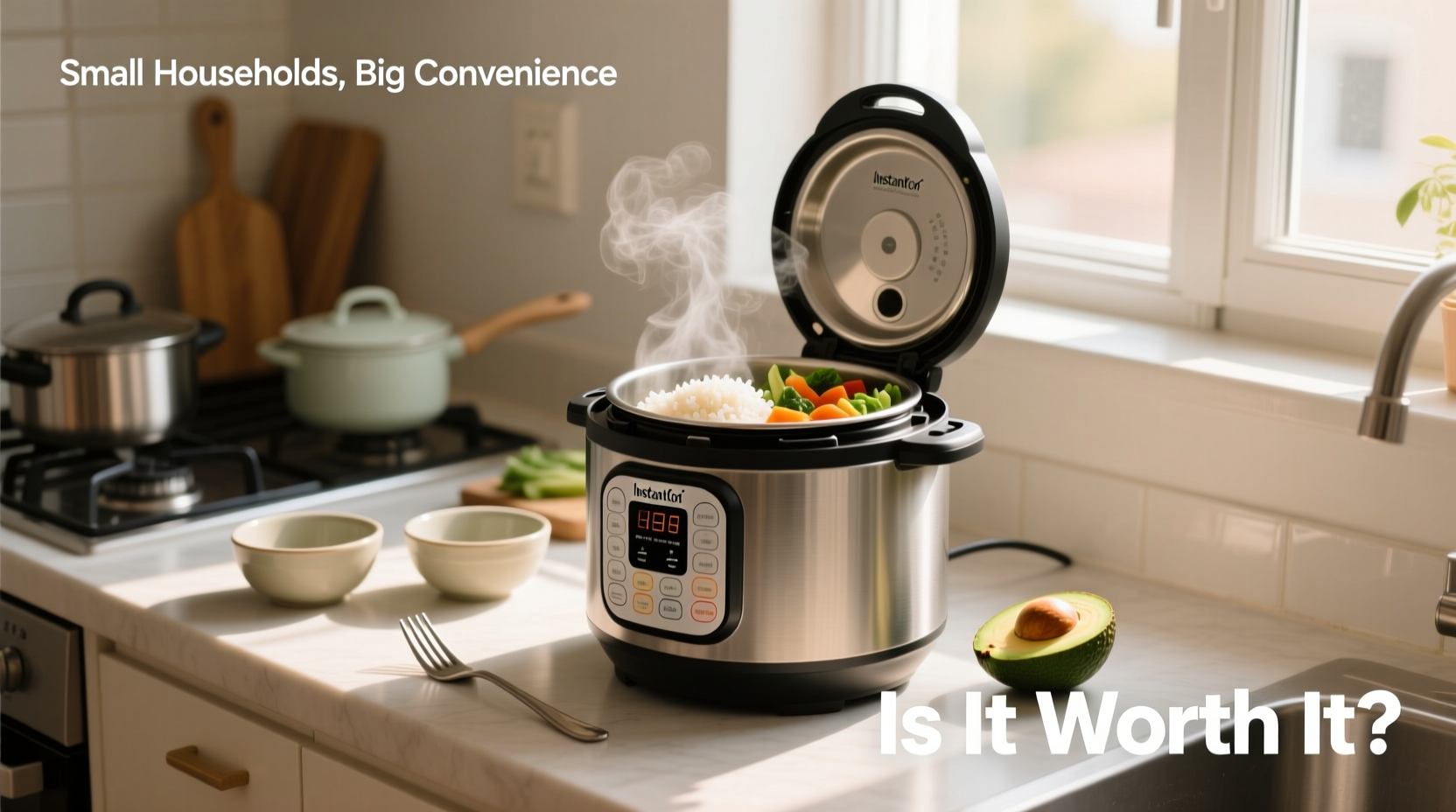
Cooking for one or two introduces distinct hurdles that larger families don’t face as acutely. Time, waste, and motivation all play a role. Many single-person households report skipping meals or relying on takeout because preparing food feels inefficient or lonely. For couples with different schedules, finding overlap for shared meals can be difficult.
Traditional cooking methods—like stovetop simmering or oven roasting—are often designed for larger batches. Scaling down recipes can lead to uneven results, especially with dishes that rely on volume for proper heat distribution. Additionally, cleanup after cooking for one may feel disproportionate to the effort involved, discouraging home cooking altogether.
The Instant Pot addresses several of these pain points. It reduces cooking time significantly, requires minimal monitoring, and produces consistent results even with small quantities. More importantly, it supports batch cooking and reheating with little quality loss—ideal for those who want home-cooked meals without daily prep.
Tip: Use silicone trivets or ramekins to elevate small portions, preventing overcooking when there’s less liquid displacement.Advantages of the Instant Pot for One or Two People
The appeal of the Instant Pot in compact kitchens goes beyond trendiness. Its functionality directly aligns with the needs of individuals and couples who prioritize efficiency and variety.
Faster Meals Without Sacrificing Nutrition
Busy professionals, remote workers, or retirees with limited mobility benefit from the Instant Pot’s ability to turn dried beans into a ready-to-eat meal in under an hour—no soaking required. This eliminates reliance on canned goods, which often contain excess sodium. Similarly, tough cuts of meat become tender in minutes rather than hours, making slow-cooked flavors accessible on weeknights.
Batch Cooking That Actually Works for Small Batches
While large batch cooking might seem excessive for two, the Instant Pot excels at producing just enough leftovers for 2–3 additional meals. A single chicken breast can be pressure-cooked and shredded for tacos, salads, or sandwiches throughout the week. Rice, quinoa, and soups reheat well and freeze beautifully in individual containers.
Reduced Energy and Heat Output
Compared to heating a full oven or running a stove for extended periods, the Instant Pot uses up to 70% less energy. This is especially valuable in small apartments or during summer months when minimizing indoor heat gain matters. Since most programs run under 30 minutes, electricity usage remains low even with frequent use.
Versatility Replaces Multiple Appliances
In tight kitchens, every appliance competes for space. The Instant Pot combines the functions of a slow cooker, rice cooker, steamer, yogurt maker, sauté pan, and even a food warmer. For someone living alone, owning one device that replaces five others simplifies both storage and decision-making.
“Single cooks often abandon healthy eating because of perceived inefficiency. Devices like the Instant Pot lower the activation energy needed to prepare nutritious meals.” — Dr. Lena Torres, Behavioral Nutrition Researcher
Common Concerns—and How to Overcome Them
Despite its strengths, some remain skeptical about adopting an Instant Pot for solo or duo cooking. Let’s address the most common objections with practical solutions.
“It’s Too Big for My Needs”
A standard 6-quart model may seem oversized, but it’s actually ideal for flexibility. You can safely cook as little as 1–2 cups of food using the pot-in-pot method—placing ingredients in a smaller container inside the main pot. This prevents scorching and allows simultaneous cooking of multiple items (e.g., rice and vegetables).
“I’ll End Up Wasting Food”
Portion control is key. Instead of doubling recipes, start with single servings and scale up slightly for leftovers. Soups, stews, and grains freeze exceptionally well. Invest in reusable silicone pouches or glass containers to store extra portions for future lunches.
“Cleaning Is a Hassle”
The inner stainless steel pot is dishwasher-safe, and most models have removable sealing rings. To prevent lingering odors (especially from garlic or curry), clean the ring promptly or keep a spare dedicated to sweet vs. savory dishes.
“I Don’t Cook Enough to Justify It”
If you currently eat out frequently, calculate your weekly takeout spending. An Instant Pot pays for itself in 4–6 weeks for many urban singles. Even modest use—two meals per week—can yield noticeable savings and health improvements over time.
Tip: Label freezer containers with dates and contents. Most Instant Pot meals stay fresh for 3 months frozen.Smart Cooking Strategies for One or Two
To maximize the Instant Pot’s value in a small household, adopt these efficient practices:
Use the Pot-in-Pot Method
This technique involves placing ingredients in heat-safe bowls or ramekins inside the main pot with 1–2 cups of water below. It’s perfect for cooking small amounts of protein, custards, or side dishes without risking burn errors due to insufficient liquid.
Repurpose Leftovers Creatively
Cook once, eat three ways. For example:
- Pressure-cook lentils and use them in soup today, a salad tomorrow, and blend into a dip later.
- Sear and cook a pork loin; slice for dinner, shred for tacos, then add to fried rice.
- Make a big batch of steel-cut oats and reheat with different toppings each morning.
Leverage Frozen and Pantry Staples
The Instant Pot works seamlessly with frozen chicken breasts, canned tomatoes, dried beans, and frozen vegetables. No thawing required in most cases. This reduces trip frequency to the grocery store and supports spontaneous cooking.
Adopt a “Mini Meal Prep” Routine
Spend 90 minutes on Sunday preparing base components:
- Cook a quart of brown rice
- Steam broccoli and carrots
- Shred two chicken breasts
- Prepare a mason jar soup (layer ingredients raw, cook Monday night)
Real-Life Example: Sarah’s Solo Kitchen Transformation
Sarah, a 34-year-old graphic designer living alone in Portland, used to spend $60–$80 weekly on takeout. She disliked cooking after long screen-based workdays and found making full recipes wasteful. After receiving a 6-quart Instant Pot as a gift, she began experimenting with small-batch meals.
Her first success was a “set-it-and-forget-it” chili made with half a pound of ground turkey, one can of beans, and diced vegetables. She portioned the result into four containers—one for dinner, three for lunches. Using the sauté function, she browned meat directly in the pot, eliminating extra pans.
Within a month, Sarah was preparing grain bowls, steamed fish with herbs, and even homemade applesauce. Her monthly food spending dropped by $150, and she reported feeling more energized. “It’s not that I love cooking now,” she said, “but I don’t dread it anymore. I press a button and walk away.”
She keeps two sealing rings—one for savory dishes, one for desserts—to avoid flavor transfer. Her favorite trick? Cooking oatmeal overnight in a mason jar with almond milk and berries, ready by morning.
Instant Pot vs. Alternatives: A Practical Comparison
| Appliance | Best For | Space Needed | Energy Use | Ideal for 1–2? |
|---|---|---|---|---|
| Instant Pot (6 qt) | Multitasking, batch cooking, hands-off meals | Medium (counter or cabinet) | Low to moderate | Yes, with strategy |
| Slow Cooker (3–4 qt) | Set-and-forget stews, soups | Small | Moderate (long runtime) | Yes |
| Rice Cooker (3 cup) | Grains only | Small | Low | Yes |
| Stovetop Only | Full control, traditional methods | None (uses existing) | High (gas/electric) | Depends on time availability |
| Mini Air Fryer + Stove | Crispy foods, quick proteins | Small + stove access | Moderate | Yes, but limited |
While alternatives exist, the Instant Pot offers unmatched versatility. A slow cooker can’t sauté or steam quickly; a rice cooker won’t braise meat. For someone wanting one tool to do many jobs, the Instant Pot stands out.
Frequently Asked Questions
Can I cook just one serving in an Instant Pot?
Yes. Use the pot-in-pot method with a small heat-safe bowl or ramekin. Add 1–2 cups of water to the base, place your dish on a trivet, and cook as usual. This prevents scorching and maintains pressure stability.
Does the Instant Pot save money for one person?
Typically, yes. By reducing reliance on takeout and enabling bulk ingredient use (like dried beans instead of canned), most users see a return on investment within 4–8 weeks. Weekly savings of $20–$40 are common.
Is cleaning difficult with infrequent use?
No. The stainless steel inner pot is dishwasher-safe. If used occasionally, simply rinse and dry thoroughly. Replace the sealing ring every 6–12 months depending on use, or sooner if odors persist.
Final Verdict: Yes, With the Right Approach
The Instant Pot is absolutely worth it for one or two people—if you approach it as a strategic tool rather than a novelty gadget. It shines not when used daily for large meals, but when leveraged for efficiency, consistency, and culinary variety in a compact lifestyle.
Its true value lies in lowering the barrier to healthy, home-cooked food. Whether you're a busy professional, a retiree managing dietary needs, or a couple navigating unpredictable schedules, the Instant Pot offers a reliable way to eat well without constant effort.
Success comes from adapting expectations: embrace leftovers, use freezing wisely, and explore its full range of functions. When used intentionally, this appliance doesn’t just cook food—it changes habits.
🚀 Ready to simplify your meals? Try one Instant Pot recipe this week—start with hard-boiled eggs or steel-cut oats. See how little effort delivers real results. Share your experience or ask questions in the comments!