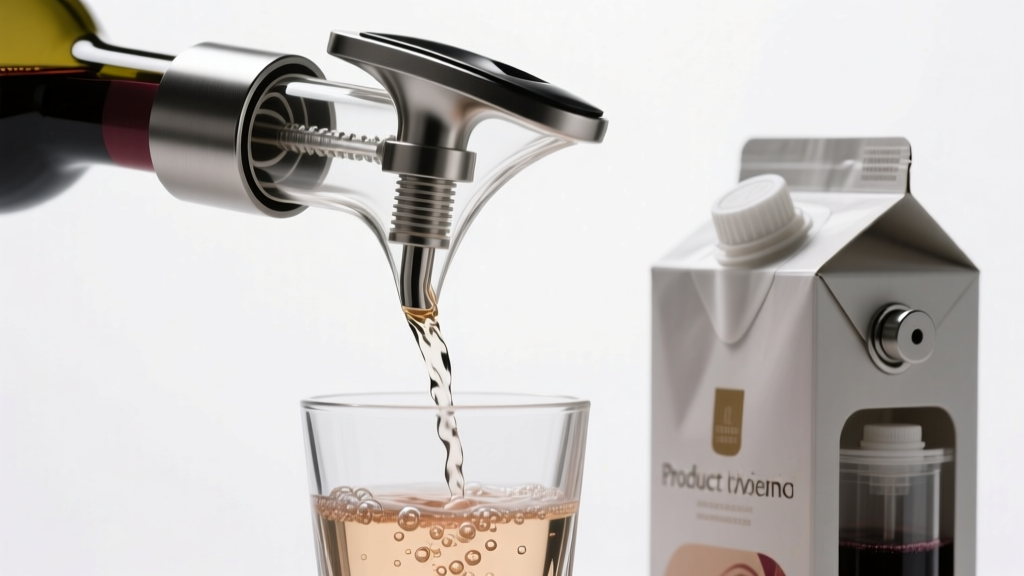
Every bartender has been there: the pour was generous, the spirit selection bold, the ice undersized—or maybe you just misjudged the balance while mixing at home. One sip reveals it immediately—a sharp alcohol burn, a hollow mid-palate, a finish that lingers not with elegance but with insistence. A cocktail that’s too strong isn’t ruined; it’s merely *unbalanced*. And imbalance, in mixology, is rarely terminal—it’s tactical. The real skill lies not in avoiding the mistake, but in diagnosing it precisely and correcting it with intentionality. This isn’t about masking alcohol with sugar or drowning the drink in soda. It’s about restoring harmony—honoring the original structure while adjusting its weight, texture, and perception. Below are field-tested, bar-proven methods used daily by professionals to rescue overproof drinks without compromising integrity, complexity, or drinkability.
Why “Too Strong” Is Often a Misdiagnosis—Not a Flaw
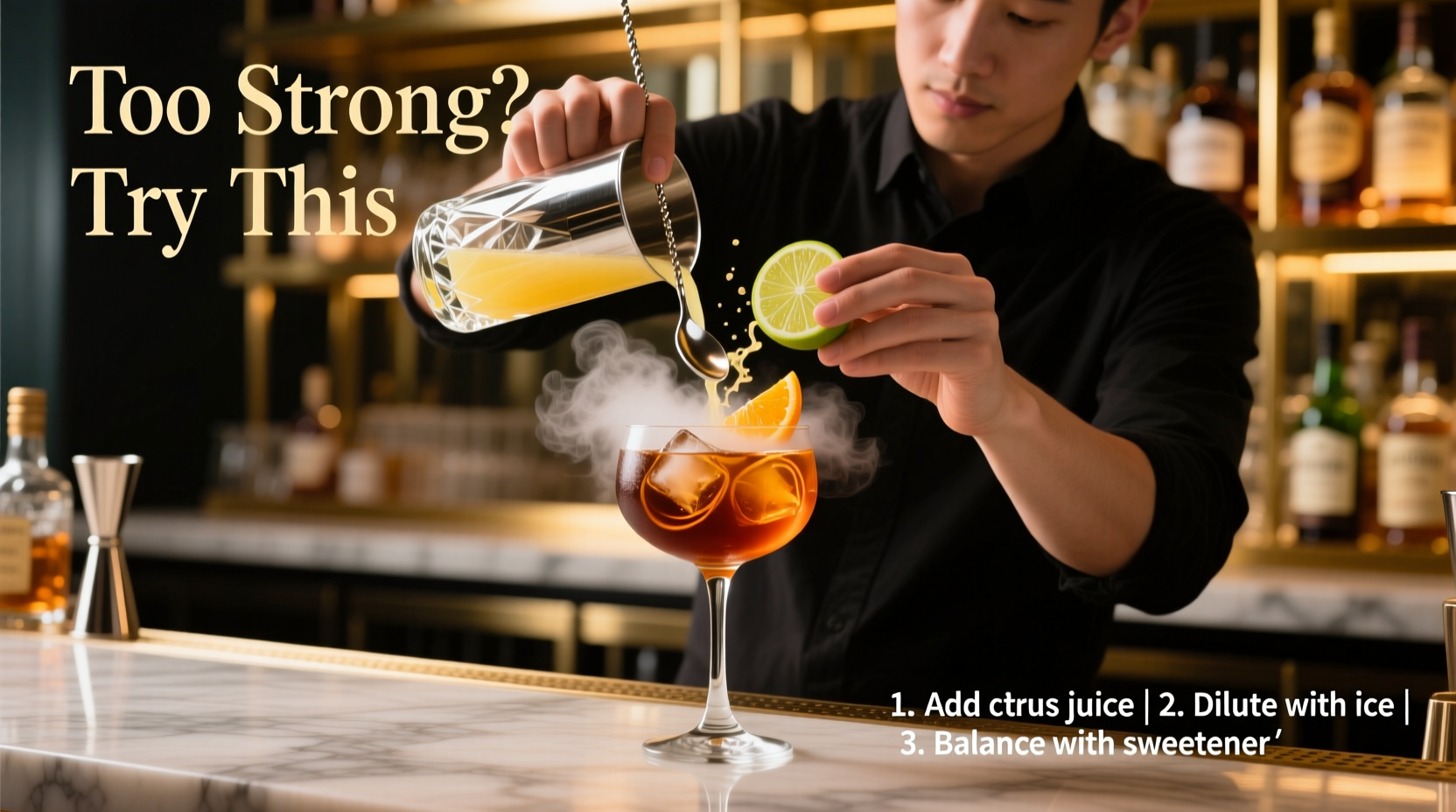
Before reaching for the fix, pause and assess. “Too strong” can mean three distinct things—and each demands a different solution:
- Excessive ethanol burn: A harsh, hot sensation on the palate or throat, often from under-dilution or high-proof spirits (e.g., cask-strength bourbon, overproof rum, or uncut gin).
- Flavor imbalance: The spirit dominates so completely that supporting ingredients—citrus, sweetener, bitters, modifiers—become inaudible. This isn’t always about ABV; it’s about ratio failure.
- Textural heaviness: The drink feels syrupy, viscous, or cloying—not from sweetness alone, but from insufficient water content to carry and aerate flavors across the tongue.
As award-winning bartender and spirits educator Julia Montes explains:
“A ‘strong’ cocktail isn’t necessarily over-boozy—it’s often under-diluted or under-acidified. Alcohol needs water to express itself, and acid needs dilution to lift it. Fix the physics first, then refine the flavor.”
Understanding this distinction prevents overcorrection. Adding lemon juice to a drink that’s only hot will make it sour and thin. Adding simple syrup to one that’s already unbalanced will mute nuance and amplify cloyingness. Diagnosis precedes remedy.
The Dilution Principle: Water as Your Most Underrated Ingredient
Dilution isn’t dilution—it’s integration. When properly applied, water softens ethanol’s volatility, expands aromatic compounds, and allows subtle notes (vanilla, clove, citrus zest) to emerge. In fact, most classic cocktails rely on 20–30% dilution from melting ice to achieve ideal mouthfeel and balance.
Here’s how to apply targeted dilution—without watering down the soul of the drink:
- Chill fresh ice: Use large, dense cubes (1.5\" or larger) or spheres—they melt slower and more evenly than crushed or small cubes, delivering controlled dilution.
- Stir, don’t shake (for spirit-forward drinks): If your overproof drink is stirred-based (e.g., Manhattan, Old Fashioned, Negroni), add 1–2 extra ounces of room-temperature water and stir vigorously for 25–30 seconds over fresh ice. Taste. Repeat only if needed.
- For shaken drinks (e.g., Daiquiri, Whiskey Sour): Add ½ oz cold water and shake hard with fresh ice for 12–15 seconds—just enough to integrate and chill, not over-dilute.
- Avoid tap water: Its minerals and chlorine can mute delicate aromatics. Use filtered or bottled still water.
Remember: You’re not reducing alcohol—you’re optimizing its expression. A well-diluted 45% ABV Manhattan tastes rounder and more nuanced than a poorly diluted 40% version.
Acid & Sweet Balancing: Restoring Structural Integrity
Alcohol amplifies perceived acidity and bitterness. So when a drink tastes “too strong,” it may actually be *under-acidified*—its citrus or vinegar component hasn’t been calibrated to counteract the spirit’s heat. Likewise, insufficient sweetness can make ethanol feel aggressive rather than integrated.
Use this diagnostic checklist before adjusting:
| Symptom | Likely Cause | First Correction | Max Addition |
|---|---|---|---|
| Sharp, burning finish | Low acidity / high ethanol | Add ¼ tsp fresh lemon or lime juice | ½ tsp total |
| Mouth-puckering dryness | Under-sweetened + under-diluted | Add ¼ oz rich simple syrup (2:1) | ½ oz total |
| Flat, muted aroma | Insufficient acid to lift volatile esters | Add 2 drops of high-quality orange bitters + ⅛ tsp citric acid solution (1:3 in water) | 4 drops bitters / ¼ tsp citric |
| Bitter, medicinal edge | Over-extracted botanicals or tannins | Add ⅛ oz honey syrup + tiny pinch of salt | ¼ oz honey syrup |
Always add in small increments and taste between adjustments. Never add acid and sweetener simultaneously—correct one variable at a time. Acidity should brighten, not sour; sweetness should round, not coat.
Texture & Mouthfeel Fixes: When Strength Feels Like Weight
Some spirits—especially aged rums, sherried whiskies, or genevers—carry natural oils, congeners, and esters that create a thick, almost oily mouthfeel. When under-diluted, this texture reads as “heavy” or “cloying,” mistaken for excessive strength. The fix isn’t less alcohol—it’s better emulsification and lift.
Three effective, non-invasive texture correctors:
- Fresh egg white (¼ oz): Adds silkiness and carries aroma without sweetness. Dry-shake first (no ice), then wet-shake with ice. Ideal for Old Fashioneds, Boulevardiers, or smoky Mezcals.
- Reduced apple or pear juice (½ oz): Simmer 2 oz fresh juice until reduced to 1 oz—concentrates fruit sugars and pectin for body and subtle tartness. Works beautifully with bourbon or rye.
- 1 drop of xanthan gum solution (0.2% in water): Professional-grade tool. A single drop thickens and stabilizes foam while smoothing ethanol perception. Use only in shaken drinks; never in stirred.
A real-world example illustrates this perfectly: At Bar Lumen in Portland, a guest sent back a Penicillin—ordered neat, no ginger beer—complaining it was “brutal.” Bartender Mateo didn’t reach for soda. He added ¼ oz chilled ginger-infused simple syrup (not sweet, but spicy-warm), 2 drops of lemon juice, and dry-shook in ¼ oz egg white. The result wasn’t weaker—it was more complete: the smoke softened, the ginger lifted the peat, the white added velvety contrast to the heat. The guest reordered it “exactly like that.”
Strategic Substitutions: When Rescue Requires Reinvention
Sometimes, the best salvage isn’t correction—it’s thoughtful evolution. If a drink is fundamentally misproportioned (e.g., 2 oz whiskey + ½ oz vermouth + no dilution), forcing balance risks creating something muddy or disjointed. That’s when intelligent substitution preserves intent while honoring drinkability.
Follow this step-by-step rescue protocol:
- Identify the base spirit and dominant profile (e.g., “rye whiskey with heavy spice and oak”).
- Determine the drink’s intended category (spirit-forward? sour? aromatic? highball?).
- Choose one structural pivot—never more than one—to shift the drink into a related, forgiving format.
- Apply minimal, purposeful additions—always chilled and measured.
- Taste, then serve immediately. Overworked drinks lose vitality.
Common pivots with real examples:
- From “overproof Old Fashioned” → “Bourbon Smash”: Add 3 muddled mint leaves + ½ oz lemon juice + 1 oz club soda. Stir gently. The mint cools, the citrus lifts, the soda aerates—without losing the bourbon’s core character.
- From “harsh Negroni” → “Negroni Sbagliato”: Add 1 oz chilled Prosecco and stir lightly. The bubbles cut viscosity, the wine’s acidity balances bitterness, and the lower ABV (from dilution + lower-alcohol component) restores approachability.
- From “burning Mezcal Margarita” → “Mezcal Paloma”: Top with 2 oz fresh grapefruit soda (like Jarritos or house-made) and a pinch of flaky sea salt. The grapefruit’s bitterness harmonizes with smoke; the fizz disperses heat; the salt deepens umami.
This isn’t compromise—it’s contextual intelligence. As James Beard Award–winning mixologist Carlos Ruiz observes:
“The best bartenders don’t treat mistakes as failures. They treat them as invitations to reinterpret—respecting the guest’s intent while expanding the drink’s emotional range.”
Prevention Is Precision: Tools and Habits That Avoid the Problem Altogether
Salvage is essential—but prevention builds consistency. These five habits reduce overproof errors before they happen:
Tip: Calibrate your jigger weekly. Even 0.1 oz variance compounds dramatically in a 2-oz pour—especially with 55%+ ABV spirits.- Use weighted jiggers: Stainless steel or brass jiggers resist tipping and provide tactile feedback. Avoid plastic “free-pour” tools unless you’ve trained with a speed pourer and verified accuracy monthly.
- Record your pours: Keep a log for new recipes—note actual ABV of your spirits (many bottles list it; others require checking distiller websites). A “standard” bourbon might be 45%, but your bottle could be 52%.
- Pre-chill glassware: A cold coupe or rocks glass slows initial melt, giving you control over dilution timing—not just volume.
- Batch dilution for service: For high-volume bars, pre-mix base spirits with measured water (e.g., 1 part water to 4 parts 50% ABV spirit = ~40% ABV ready-to-mix base). Ensures consistency and eliminates on-the-fly guesswork.
- Train your palate with benchmarks: Taste 1 oz neat spirit, then 1 oz spirit + ½ oz water. Note how heat recedes and flavor blooms. Repeat weekly with different categories (rum, agave, grain). Muscle memory develops faster than you think.
FAQ
Can I use baking soda to neutralize alcohol burn?
No—absolutely not. Sodium bicarbonate reacts unpredictably with acids in cocktails (citrus, vermouth, shrubs), creating off-gassing, bitterness, and textural grit. It also alters pH in ways that mute aroma and destabilize emulsions. Stick to water, acid, and texture tools.
What if I’ve already poured the drink and it’s sitting warm?
Warm temperature exaggerates ethanol volatility. Chill it first: stir with 3 large ice cubes for 15 seconds, strain into a pre-chilled glass, then apply your chosen fix (dilution, acid, etc.). Never add ice directly to a served drink unless you intend to stir or shake again—the melt will be uneven and excessive.
Does adding more bitters help balance strength?
Rarely—and often makes it worse. Bitters are highly concentrated alcohol extracts. Adding more increases ABV and intensifies bitterness without addressing root causes like dilution or acidity. Use bitters for nuance, not correction. If you suspect bitterness is overwhelming, try a pinch of salt instead—it suppresses bitter receptors and enhances sweetness perception.
Conclusion
A cocktail that’s too strong isn’t a failure—it’s an invitation to listen more closely, act more deliberately, and understand the physics of flavor. Every adjustment you make—whether it’s a precise 0.25 oz of chilled water, two drops of lemon, or a single shake with egg white—is a declaration that balance matters more than dogma. That respect for structure, for ingredient integrity, for the guest’s experience—that’s what separates craft from convenience. You don’t need a fully stocked bar or decades of experience to rescue a drink. You need curiosity, a calibrated eye, and the willingness to taste, pause, and adjust. Start tonight: make one drink intentionally strong, then practice bringing it back—not to “normal,” but to *right*. Document what works. Refine your instincts. Share your discoveries—not just the wins, but the near-misses and how you navigated them. Because the most memorable cocktails aren’t the ones that go perfectly. They’re the ones that get saved, thoughtfully, and served with quiet confidence.
💬 Which fix worked best for your last overproof cocktail? Share your salvage story, your go-to ratio tweak, or your favorite pivot recipe in the comments—we’re building a living library of real-world corrections.