A steaming bowl of chili is more than comfort food—it’s a culinary canvas where flavor, texture, and tradition converge. Among modern adaptations, hearty turkey chili stands out as a balanced evolution: rich enough to satisfy deep cravings, yet leaner and more nutritionally conscious than its beef-based counterpart. This guide equips home cooks with everything needed to master turkey chili—not just as a recipe, but as a technique-driven dish that rewards attention to detail. From selecting the right cut of turkey to layering spices and achieving optimal thickness, every element contributes to a deeply savory, aromatic result that warms from within.
Definition & Overview
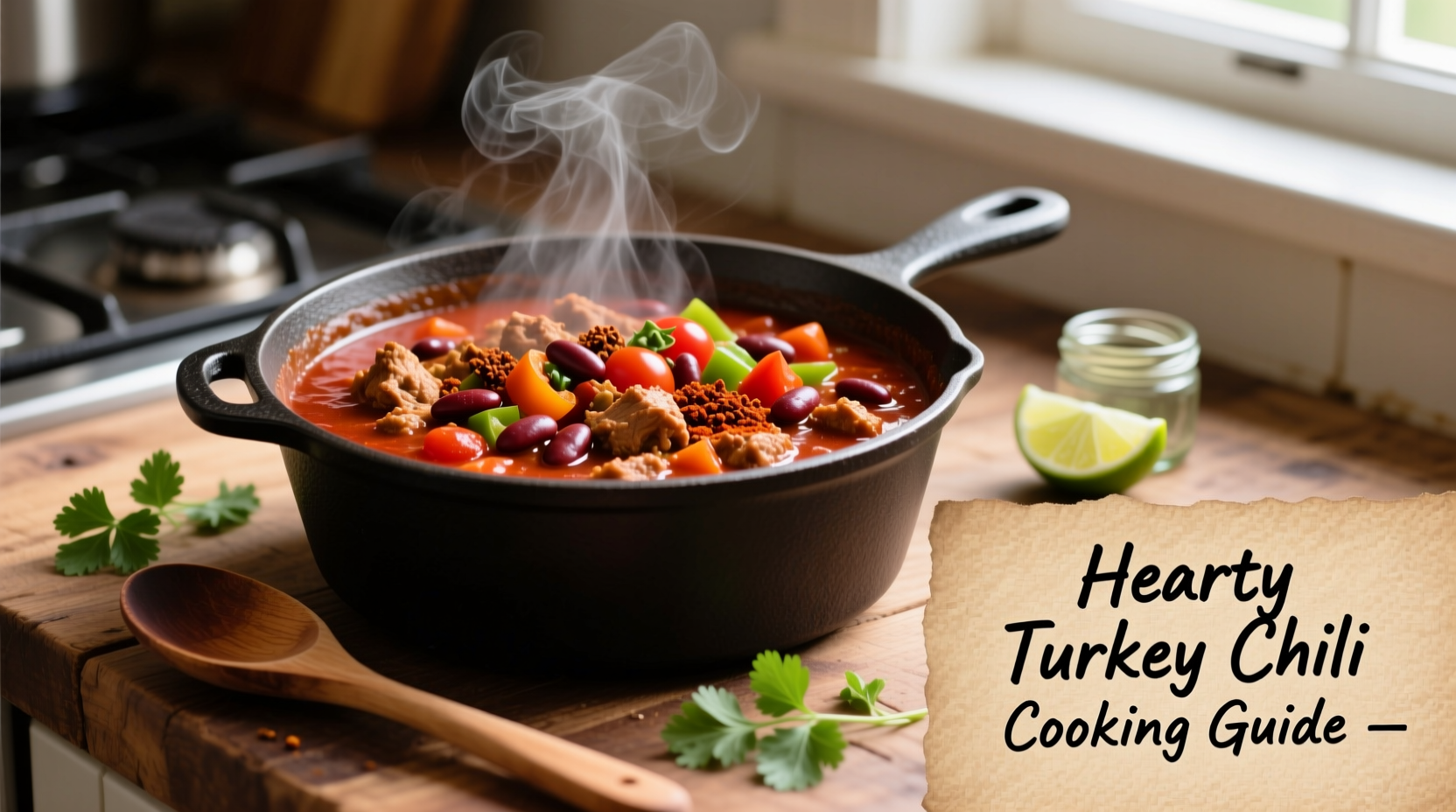
Hearty turkey chili is a slow-simmered stew composed primarily of ground or diced turkey, beans, tomatoes, onions, garlic, and a blend of warming spices such as chili powder, cumin, and smoked paprika. Unlike traditional Texas-style chili, which often omits beans, most American interpretations—including turkey chili—include kidney, pinto, or black beans for added heartiness and fiber. The dish belongs to the broader category of chili con carne, Spanish for “chili with meat,” though its modern form evolved in the American Southwest during the 19th century.
What distinguishes turkey chili is its use of poultry instead of red meat. Ground turkey—especially dark meat or a mix of white and dark—provides a milder base that readily absorbs surrounding flavors. When properly seasoned and cooked with care, it yields a robust, satisfying dish without excessive fat. It appeals particularly to health-conscious eaters, families seeking balanced meals, and those exploring lighter takes on classic comfort foods.
Key Characteristics
| Attribute | Description |
|---|---|
| Flavor Profile | Savory, earthy, mildly spicy with layers of smokiness and umami; sweetness from tomatoes and onions balances heat |
| Aroma | Warm spice blend (cumin, chili powder), toasted garlic, simmered tomatoes, and roasted peppers |
| Color/Form | Thick, rust-red stew with visible beans, meat crumbles, and vegetable chunks |
| Heat Level | Mild to medium (adjustable); typically ranges from 2–5 on a 10-point scale |
| Culinary Function | Main course, meal prep staple, freezer-friendly dish, tailgating or potluck entrée |
| Shelf Life | 3–4 days refrigerated; up to 3 months frozen |
Practical Usage: Building Flavor Step by Step
The success of hearty turkey chili hinges not on complexity, but on **layered flavor development**. Each stage—from browning the meat to finishing with acidity—builds depth. Follow this methodical approach for restaurant-quality results:
- Sauté Aromatics: Begin with onions, bell peppers, and celery in olive oil or avocado oil over medium heat. Cook until softened (6–8 minutes). Add minced garlic in the last minute to prevent burning.
- Brown the Turkey: Crumble raw ground turkey into the pot. Use a wooden spoon to break it into small pieces. Cook thoroughly until no pink remains—about 8–10 minutes. For richer flavor, choose 85/15 ground turkey (15% fat) rather than extra-lean.
- Toast the Spices: Stir in chili powder (2–3 tbsp), ground cumin (1–2 tsp), smoked paprika (1 tsp), oregano (½ tsp), and a pinch of cayenne if desired. Cook for 1 minute, stirring constantly. This step activates volatile oils in dried spices, enhancing aroma and potency.
- Add Liquids and Simmer: Pour in crushed tomatoes (28 oz can), tomato paste (2 tbsp), and broth (2 cups low-sodium chicken or vegetable). Include drained beans (2 cans: kidney and pinto). Bring to a boil, then reduce to a gentle simmer.
- Slow Cook for Depth: Cover and simmer for at least 45 minutes, preferably 90 minutes. Longer cooking allows collagen breakdown (even in lean turkey), melds flavors, and thickens the stew naturally.
- Finish with Brightness: Off heat, stir in fresh lime juice (1–2 tbsp) and chopped cilantro. Taste and adjust salt, acid, or heat. A splash of apple cider vinegar can also lift heaviness.
Pro Tip: For deeper body, brown the turkey in batches and avoid overcrowding. Overcrowding lowers pan temperature, causing the meat to steam instead of sear—a missed opportunity for Maillard reaction and flavor development.
Variants & Types
Turkey chili adapts well to regional preferences, dietary needs, and seasonal ingredients. Understanding variants helps tailor the dish to specific occasions.
- Classic Stovetop Turkey Chili: Made with ground turkey, canned tomatoes, beans, and standard spices. Ideal for weeknight dinners. Ready in under two hours.
- Crockpot Turkey Chili: All ingredients added to a slow cooker and cooked on low for 6–8 hours. Enhances convenience and develops subtle, rounded flavors over time.
- Turkey White Bean Chili: Substitutes traditional red beans with cannellini or Great Northern beans. Uses green chiles, cumin, and sometimes corn. Lighter in color and slightly milder in taste.
- Smoked Turkey Chili: Incorporates smoked turkey breast (diced) or adds liquid smoke/smoked paprika for campfire-like depth. Often includes fire-roasted tomatoes.
- Vegan/Vegetarian Adaptation: Replace turkey with lentils, mushrooms, or textured vegetable protein (TVP). Use plant-based broth and increase umami with soy sauce or miso.
- Southwest Turkey Chili: Adds corn, jalapeños, and chipotle peppers in adobo sauce. Served with avocado, tortilla chips, and sour cream.
| Variant | Best Used For | Key Ingredient Change |
|---|---|---|
| Crockpot | Meal prep, hands-off cooking | Long, slow simmer replaces stovetop |
| White Bean | Lighter meals, paleo modifications | Cannellini beans, green chiles |
| Smoked | Fall/winter gatherings, bold flavor seekers | Smoked turkey or smoked paprika |
| Southwest | Tailgating, game day | Corn, chipotles, cumin-heavy |
Comparison with Similar Ingredients
Turkey chili is often compared to other chili types, but key differences affect both preparation and outcome.
| Feature | Turkey Chili | Beef Chili | Vegetarian Chili |
|---|---|---|---|
| Base Protein | Ground or diced turkey | Ground beef or chuck | Lentils, beans, mushrooms |
| Flavor Intensity | Moderate; relies on seasoning | High; inherent savoriness from fat and myoglobin | Variable; depends on umami boosters |
| Fat Content | Lower (especially with white meat) | Higher (adds richness) | Lowest |
| Cooking Time | 45–90 minutes | 2–3 hours (for tenderization) | 30–60 minutes |
| Texture | Finely crumbled, smooth | Meaty, chunkier | Grainy or fibrous depending on legumes |
\"Turkey doesn’t carry the same intrinsic depth as beef, so you must build flavor aggressively—through spice toasting, fond development, and acidic finishers.\" — Chef Elena Rodriguez, Culinary Instructor, Austin School of Foodcraft
Practical Tips & FAQs
How do I prevent turkey chili from tasting dry or bland?
Turkey lacks the marbling found in beef, making it prone to dryness. Prevent this by using dark-meat turkey, avoiding overcooking, and incorporating moisture-rich ingredients like tomato paste, broth, and beans. Finish with fat—such as a swirl of sour cream or avocado—to round out mouthfeel.
Can I make turkey chili ahead of time?
Yes, and doing so improves flavor. Chili tastes better the next day as spices fully integrate. Store cooled chili in an airtight container for up to four days. Reheat gently on the stove with a splash of water or broth to restore consistency.
What are good substitutes for ground turkey?
Diced chicken thigh, ground chicken, or plant-based grounds work well. For a heartier substitute, combine mushrooms with textured vegetable protein. Avoid using skinless chicken breast—it dries out easily during prolonged simmering.
How can I thicken turkey chili naturally?
Simmer uncovered to reduce excess liquid. Alternatively, mash some beans against the pot wall or stir in a slurry of cornstarch and cold water (1 tbsp cornstarch + 2 tbsp water per cup of chili).
Is turkey chili healthy?
Yes, when prepared mindfully. It's high in lean protein and fiber while being lower in saturated fat than beef chili. Control sodium by using low-salt broth and canned goods, and boost micronutrients by adding zucchini, carrots, or spinach in the final 10 minutes.
What beans work best in turkey chili?
Kidney beans offer firm texture and visual contrast. Pinto beans creamily break down, thickening the stew. Black beans add earthiness and hold shape well. Combine two types for complexity.
How spicy should turkey chili be?
Adjust heat to preference. Start with mild chili powder and add cayenne, diced jalapeños, or hot sauce incrementally. Remember: heat builds over time. Serve with cooling toppings like Greek yogurt or shredded cheese to balance.
Storage Checklist:
✅ Cool completely before storing
✅ Use glass or BPA-free containers
✅ Label with date (lasts 3–4 days)
✅ Freeze in portion-sized bags (lay flat, use within 3 months)
✅ Thaw overnight in fridge or defrost in microwave
Summary & Key Takeaways
Hearty turkey chili transcends its reputation as a mere “healthier alternative” to beef chili. When crafted with intention, it becomes a nuanced, satisfying dish that balances nutrition and indulgence. Its foundation lies in proper technique: sautéing aromatics, browning meat effectively, toasting spices, and allowing ample simmer time. The choice of turkey—preferably dark or mixed-meat grind—preserves moisture, while beans and tomatoes contribute fiber and natural sweetness.
Variations abound, from slow-cooker ease to smoked or Southwest styles, ensuring versatility across seasons and diets. Compared to beef chili, it demands more active flavor building but rewards with a cleaner, adaptable profile. When stored properly, it serves as a reliable component in weekly meal plans.
Ultimately, great turkey chili isn’t about substitution—it’s about reimagining tradition through smarter choices and deeper understanding. Whether served at a family dinner, packed for lunch, or frozen for future ease, a well-made batch delivers consistent comfort with modern nutritional sense.
Master your next pot with confidence: season boldly, simmer patiently, finish bright.