Most packaged dry soup mixes promise convenience but deliver little more than sodium-laden powders, artificial flavors, and unrecognizable ingredients. A single serving can contain over 1,000 milligrams of sodium, along with preservatives like disodium inosinate, maltodextrin, and partially hydrogenated oils—none of which belong in a nourishing meal. For home cooks seeking both speed and integrity in their kitchen, the solution lies not in abandoning convenience, but in redefining it. Creating your own dry soup mixes from whole, nutrient-dense ingredients offers full control over flavor, salt content, and nutritional value. These homemade versions store well, cost less over time, and transform simple pantry staples into deeply satisfying, health-supportive meals.
Definition & Overview
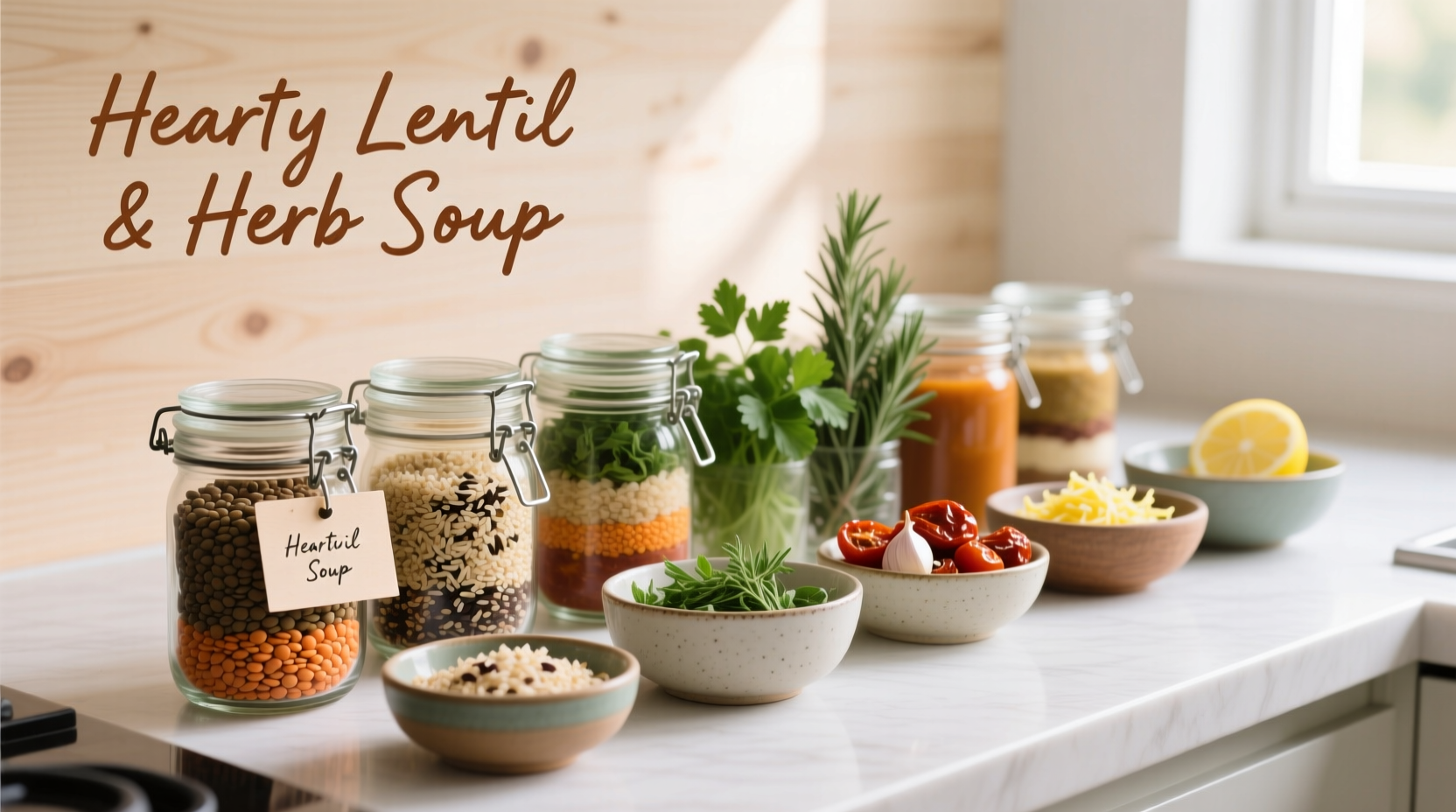
Dry soup mixes are dehydrated blends of powdered vegetables, starches, herbs, spices, and flavor enhancers designed to be reconstituted with water or broth. Commercial versions—such as onion mushroom, chicken noodle, or creamy tomato—are shelf-stable, quick to prepare, and heavily marketed for busy households. However, they often rely on processed components that compromise both health and taste.
Healthy alternatives replace these with real food ingredients: dried vegetables, whole grains, legumes, herbs, and natural seasonings. These substitutes preserve the convenience of a five-minute meal while elevating its nutritional profile. Unlike industrial mixes, homemade versions avoid anti-caking agents, synthetic colors, and monosodium glutamate (MSG), instead relying on umami-rich elements like nutritional yeast, miso powder, or dried mushrooms to deepen flavor naturally.
The concept is rooted in traditional food preservation methods—drying herbs, grinding seeds, and storing seasonal harvests—but adapted for modern kitchens. By investing a small amount of prep time upfront, cooks can build a rotating stock of clean-label soup bases ready for spontaneous use.
Key Characteristics of Healthy Homemade Soup Mixes
| Characteristic | Description |
|---|---|
| Flavor Profile | Balanced, layered, and aromatic—emphasizing earthiness, savoriness (umami), and herbal brightness without artificial enhancement. |
| Aroma | Fragrant and inviting, especially when toasted herbs or onions are used; lacks the sharp chemical scent of commercial mixes. |
| Color & Form | Varies by type—ranging from golden (chicken-style) to deep russet (tomato-based)—with visible flecks of herbs, grains, or vegetable bits. |
| Sodium Content | Controllable and typically 60–80% lower than store-bought versions; salt can be adjusted or omitted entirely. |
| Culinary Function | Acts as a flavor base for soups, stews, gravies, casseroles, and rice dishes; enhances depth without requiring fresh prep every time. |
| Shelf Life | 6–12 months when stored in airtight containers away from heat and light; longer if vacuum-sealed. |
| Allergens | Free from common allergens unless added intentionally (e.g., gluten-containing grains); fully customizable for dietary needs. |
Practical Usage: How to Use Homemade Soup Mixes
Using a homemade dry soup mix is as simple as combining it with liquid and heating. The standard ratio is:
- ½ cup dry mix + 4 cups broth or water
- Simmer for 10–15 minutes (longer if including raw grains or legumes)
For creamier textures, stir in yogurt, coconut milk, or blended silken tofu after cooking. To boost nutrition, add fresh greens, shredded chicken, or cooked beans during the final minutes.
In professional kitchens, chefs use similar principles to streamline service. A “soup base” station might include labeled jars of dehydrated mirepoix, roasted garlic powder, and herb blends—each added at the start of reduction to ensure consistency across batches. Home cooks can replicate this system by prepping one afternoon of mixing and portioning.
Step-by-Step: Making a Batch of Onion Mushroom Gravy Mix (Yields 6 servings)
- Dry-sauté 1 cup sliced onions in a nonstick pan until crisp and golden; grind into flakes using a spice grinder.
- Grind ½ cup dried porcini or shiitake mushrooms into fine powder.
- Mix with ¾ cup nutritional yeast, 2 tbsp arrowroot or cornstarch (for thickening), 1 tbsp garlic powder, 1 tsp thyme, ½ tsp black pepper, and 1 tsp smoked paprika.
- Add sea salt only if desired—start with ½ tsp and adjust later.
- Store in an airtight glass jar away from sunlight.
To use: Whisk ⅓ cup of mix into 2 cups simmering broth. Cook 5–7 minutes until thickened. Ideal for vegan gravy, pot pie filling, or mushroom risotto base.
Pro Tip: Toast whole spices (like cumin seeds or coriander) before grinding them into your mix. This unlocks essential oils and creates a more complex, restaurant-quality depth of flavor. Let cool completely before blending with other dry ingredients to prevent clumping.
Variants & Types of Healthy Soup Mixes
Homemade dry soup mixes can be tailored to mimic—or improve upon—any commercial counterpart. Below are four foundational types, each with distinct applications and ingredient profiles.
1. Vegetable Base Mix (All-Purpose)
A versatile blend resembling \"vegetable soup\" or \"minestrone\" mixes. Contains:
- Dried carrots, celery, and onions (finely ground)
- Parsley, basil, oregano
- Tomato powder or flakes
- Barley grits or red lentil flour (adds body)
- Garlic and onion powder
Ideal for bean soups, pasta e fagioli, or adding flavor to grain bowls.
2. Creamy Herb & Potato Mix
A dairy-free take on \"cream of potato\" or \"cream of celery.\" Includes:
- Potato flakes or mashed potato powder
- Arrowroot or tapioca starch
- Dill, chives, parsley
- Nutritional yeast (for richness)
- Leek powder (optional)
Use with warm almond milk for a silky chowder base.
3. Lentil & Spice Mix (Hearty, High-Protein)
Modeled after split pea or lentil soups. Features:
- Red or yellow lentil flour
- Cumin, turmeric, coriander
- Dried tomatoes
- Caraway or fennel seed (crushed)
Simmer directly in water—no additional protein needed. Perfect for weeknight dals or Moroccan-inspired tagines.
4. Broth-Style Concentrate (Salt-Free Option)
Designed for those managing blood pressure or kidney health. Contains:
- Mushroom powder
- Kombu flake (natural glutamate source)
- Roasted garlic
- Herbs de Provence
- No added salt or sodium substitutes
Layer into dishes where you want umami without salt overload.
Comparison with Similar Ingredients
Several products are mistaken for or used interchangeably with dry soup mixes, but key differences affect both health and performance.
| Product | Homemade Soup Mix | Commercial Soup Mix | Bouillon Cube/Granules |
|---|---|---|---|
| Primary Ingredients | Dried vegetables, herbs, legumes, starches | Maltodextrin, modified cornstarch, MSG, artificial flavors | Salt, yeast extract, fat, flavor enhancers |
| Sodium per Serving | 50–200 mg (adjustable) | 800–1,200 mg | 900–1,500 mg |
| Thickening Ability | Yes (due to starches/grains) | Limited (often requires roux) | No |
| Nutritional Value | Provides fiber, B-vitamins, plant protein | Empty calories, low nutrients | Minimal; mostly mineral salts |
| Dietary Flexibility | Gluten-free, vegan, paleo options easy | Rarely suitable for special diets | Some GF/vegan versions exist |
“The moment you switch from a box mix to a homemade version, you’re not just avoiding chemicals—you’re reclaiming culinary agency. You decide what goes in, how much salt, and whether it feeds your body or just fills your stomach.”
— Chef Elena Rodriguez, Culinary Nutrition Instructor, Portland State University
Practical Tips & FAQs
How do I reduce sodium without losing flavor?
Boost savoriness with umami-rich ingredients: dried mushrooms, tomato powder, fermented soy (in powder form), or a small amount of miso paste added at the end of cooking. Acidic notes—like lemon zest or vinegar—can also enhance perceived saltiness without adding sodium.
Can I make gluten-free versions?
Easily. Replace barley, wheat-based noodles, or malted ingredients with quinoa flakes, rice vermicelli powder, or certified gluten-free oats. Always verify labels on pre-ground spices, as some brands use fillers containing gluten.
What’s the best way to store homemade mixes?
Use amber glass jars with tight-sealing lids, stored in a cool, dark cupboard. Avoid plastic containers, which can absorb odors and leach chemicals over time. Label each jar with contents and date. For long-term storage (beyond 9 months), vacuum-seal portions.
How can I customize mixes for kids?
Create milder versions by reducing spices and increasing sweet elements like carrot powder or freeze-dried corn. A “cheesy popcorn”-flavored mix made with nutritional yeast, garlic, and a touch of maple sugar appeals to younger palates and works in mac and cheese-style dishes.
Can I use these in slow cooker recipes?
Absolutely. Add the dry mix directly to the slow cooker with raw or soaked legumes and liquid. Set on low for 6–8 hours. The extended cooking hydrates all components evenly and develops deeper flavor.
Are there allergy-friendly substitutions?
Yes. For nut allergies, avoid almond meal or cashew powder in creamy blends. For nightshade sensitivity, omit tomato powder and paprika—use beet powder for color and apple cider vinegar for tang. Always batch-test new formulations.
Do these work in instant pots?
They perform exceptionally well. Use the sauté function to toast aromatics first, then add mix and liquid. Pressure cook for 5 minutes with a natural release. Grains and legumes cook through without scorching.
✅ DIY Soup Mix Success Checklist
- Grind ingredients finely for even dispersion
- Label jars clearly with usage instructions
- Start with low salt and adjust in final dish
- Include a thickener only if desired texture requires it
- Rotate stock—use oldest mixes first
- Keep a master recipe log for adjustments
Summary & Key Takeaways
Packaged dry soup mixes offer speed at the cost of health, flavor, and transparency. Their high sodium, artificial additives, and lack of real nutrition make them poor choices for regular consumption. In contrast, homemade alternatives harness the power of whole foods to deliver convenient, nourishing meals without compromise.
The core advantages are clear: complete ingredient control, adaptability to dietary needs, superior taste, and long-term savings. Whether crafting a robust lentil blend, a creamy herb mix, or a salt-free umami booster, the process takes less than an hour and pays dividends for months.
These mixes are not merely replacements—they are upgrades. They align with modern wellness values while honoring timeless kitchen wisdom: that the best food is made from recognizable, minimally processed ingredients. By shifting from passive consumer to active creator, home cooks gain not only better meals but greater confidence in their ability to feed themselves and their families well.
Start small: Make one batch this week. Store it proudly on your shelf. Use it to turn Tuesday night into something truly nourishing.