Quiche is one of the most adaptable dishes in the modern home cook’s repertoire—ideal for brunch, lunch, or even a light dinner. Among its many variations, the combination of ham and spinach stands out for its balance of savory depth, subtle sweetness, and nutritional value. Whether you're feeding a weekend crowd or preparing weekday meals in advance, mastering the art of the ham and spinach quiche opens the door to endless culinary creativity. This guide explores the essential components, flavor dynamics, structural integrity, and innovative twists that elevate this classic dish from simple comfort food to gourmet centerpiece.
Definition & Overview
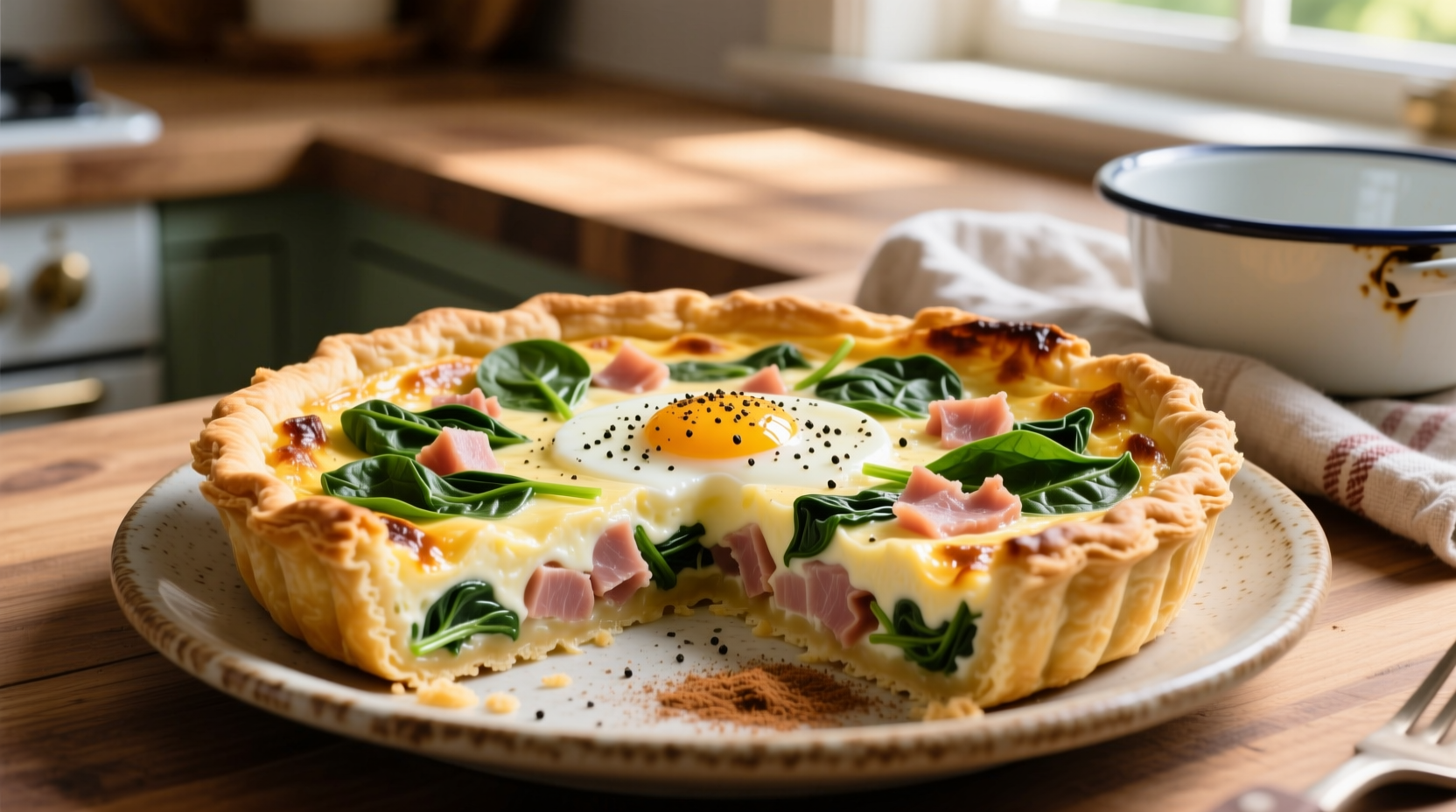
A ham and spinach quiche is a baked custard tart made with eggs, cream or milk, cooked ham, sautéed spinach, and typically cheese, all encased in a pastry crust. Originating in French cuisine—specifically the Lorraine region—the quiche has evolved far beyond its roots as \"quiche Lorraine,\" which traditionally contained only bacon (or lardons), eggs, and cream. The addition of spinach transforms it into a more nutritionally balanced and visually appealing dish, while ham introduces a delicate saltiness and tender texture distinct from smoked pork.
This version sits comfortably between rustic farmhouse fare and refined café-style dining. It's equally at home on a holiday buffet, served alongside mixed greens, or sliced cold from the refrigerator for a quick protein-rich snack. Its structure relies on the coagulation of egg proteins during baking, forming a firm yet silky custard that binds the ingredients together without curdling or weeping when properly executed.
Key Characteristics
- Flavor Profile: Savory, slightly salty from the ham, earthy from spinach, with creamy richness from dairy and optional nuttiness from cheese like Gruyère or Swiss.
- Aroma: Warm, buttery crust; faintly toasted eggs; herbal notes if nutmeg or thyme are used.
- Color/Form: Golden-brown crust; pale yellow custard speckled with green spinach and pinkish-gray ham cubes.
- Texture: Crisp flaky base; smooth, velvety interior; tender but not mushy vegetables and meat.
- Culinary Function: Serves as a complete meal-in-one, ideal for entertaining, meal prep, or using leftovers efficiently.
- Shelf Life: Refrigerated: up to 4 days; frozen: up to 3 months when wrapped tightly.
- Heat Level: Not spicy—this is a mild, family-friendly dish unless enhanced with pepper, mustard, or hot sauce.
Pro Tip: Always pre-cook and drain spinach thoroughly. Raw spinach releases too much water during baking, leading to a soggy quiche. Wringing it out in a clean kitchen towel ensures optimal texture.
Practical Usage: Building the Perfect Ham and Spinach Quiche
The success of any quiche hinges on technique, ingredient quality, and proportion. Below is a step-by-step breakdown of how to build a structurally sound and flavorful ham and spinach quiche suitable for both novice and experienced cooks.
Step 1: Prepare the Crust
While store-bought pie crusts offer convenience, a homemade shortcrust pastry enhances flavor and control over texture. Use a ratio of 1 part butter to 2 parts flour by weight, with a pinch of salt and just enough ice water to bring the dough together.
- Mix 1¼ cups all-purpose flour with ½ teaspoon salt.
- Cut in ½ cup (1 stick) cold unsalted butter until pea-sized crumbs form.
- Add 3–4 tablespoons ice water, mixing until the dough holds together.
- Form into a disk, wrap in plastic, chill for at least 30 minutes.
- Roll out, fit into a 9-inch pie dish, crimp edges, then blind bake at 375°F (190°C) for 12–15 minutes with parchment and pie weights.
Blind baking prevents sogginess—a critical step when working with moist fillings like spinach.
Step 2: Sauté the Fillings
Use 6–8 ounces fresh spinach (about 2 large handfuls). Heat 1 teaspoon olive oil in a skillet over medium heat, add spinach in batches, and wilt just until collapsed—about 2 minutes. Transfer to a bowl, cool slightly, then squeeze firmly to remove excess liquid. Chop finely.
Dice ¾ cup cooked ham (leftover baked ham, deli ham, or smoked ham work well). For deeper flavor, lightly sear the diced ham in the same pan before combining with spinach. Optional additions include ¼ cup finely minced onion or shallot, sautéed until translucent.
Step 3: Make the Custard Base
The custard determines the quiche’s final texture. A common mistake is using too many eggs or insufficient dairy, resulting in rubberiness. Aim for a 1:2 ratio of eggs to liquid.
- Whisk together 4 large eggs.
- Add 1 cup heavy cream or half-and-half (whole milk can be used, but yields a less rich result).
- Season with ¼ teaspoon black pepper, ⅛ teaspoon ground nutmeg (classic pairing with spinach), ½ teaspoon Dijon mustard (adds depth), and optional pinch of cayenne.
Nutmeg may seem unusual, but it complements both spinach and ham, enhancing their inherent flavors without overpowering.
Step 4: Assemble and Bake
- Sprinkle ½ cup grated cheese (Gruyère, Swiss, cheddar, or fontina) over the pre-baked crust.
- Spread spinach and ham evenly over the cheese layer.
- Pour custard mixture slowly over the fillings.
- Bake at 375°F (190°C) for 35–40 minutes, until center is set but still slightly jiggly, and top is golden.
- Cool for 10–15 minutes before slicing.
Overbaking leads to cracking and dryness. Insert a knife near the center—it should come out clean, but the quiche will continue to set as it cools.
Make-Ahead Strategy: Assemble the quiche through the filling stage, cover, and refrigerate overnight. Bake straight from the fridge, adding 5–10 extra minutes to the cooking time. Ideal for stress-free entertaining.
Variants & Types
While the core formula remains consistent, regional and dietary adaptations have given rise to several popular variants. Choosing the right type depends on occasion, dietary needs, and available ingredients.
| Variant | Key Features | Best For |
|---|---|---|
| Classic Crust-Based Quiche | Buttery pastry shell, full-fat dairy, traditional bake | Weekend brunches, special occasions |
| Crustless Quiche (Frittata-Style) | No pastry; higher egg-to-dairy ratio; often baked in a cake pan | Low-carb, keto, gluten-free diets |
| Muffin Tin Mini Quiches | Individual portions; use paper liners; quicker bake time (~20 min) | Kids’ meals, parties, grab-and-go breakfasts |
| Whole Wheat or Gluten-Free Crust | Substituted flour blend; nuttier flavor; may require binding agents | Allergy-conscious households |
| Vegan Quiche | Tofu-based custard, plant-based “ham” (e.g., seitan or mushroom), dairy-free cheese | Plant-based eaters (requires advanced technique) |
Mini quiches, in particular, allow for customization—one tray can include variations with mushrooms, tomatoes, or different cheeses, catering to diverse palates.
Comparison with Similar Dishes
Quiche is often confused with other egg-based dishes, but key differences in structure, ingredients, and presentation set them apart.
| Dish | Distinguishing Features | When to Choose Over Quiche |
|---|---|---|
| Frittata | Crustless, usually started on stovetop and finished under broiler; denser texture | Quick weeknight meals; no oven preheating needed |
| Strata | Bread-based casserole soaked in custard; layered like lasagna; often includes cheese bread | Using stale bread; heartier, more substantial texture |
| Tart (Savory) | Thinner crust; often open-faced with minimal custard; focuses on fresh toppings (e.g., tomatoes, goat cheese) | Elegant presentations; summer produce showcases |
| Omelet | Stovetop-only; folded; immediate serving; soft interior | Single servings; fast preparation; restaurant-style flair |
Unlike frittatas, quiches rely on a precise custard ratio and benefit from the structural support of a crust. They’re also more forgiving for reheating and transporting, making them superior for events.
Practical Tips & FAQs
Can I use frozen spinach?
Yes—frozen chopped spinach is convenient and works well. Thaw completely, then squeeze out every drop of moisture. One 10-ounce package yields about ¾ cup after draining—ideal for one standard quiche.
What cheese works best?
Gruyère is the gold standard: nutty, melty, and complementary to ham. Swiss offers a milder alternative. Cheddar adds sharpness and color. For creaminess, blend in a little cream cheese or Brie. Avoid very salty cheeses like feta unless balancing with sweeter elements.
How do I prevent a soggy bottom?
Three steps ensure crispness: (1) Blind bake the crust. (2) Sprinkle a thin layer of grated cheese or breadcrumbs on the base before adding wet fillings—this creates a moisture barrier. (3) Don’t overfill with liquid-heavy ingredients.
Can I freeze ham and spinach quiche?
Absolutely. Cool completely, wrap tightly in plastic and foil, and freeze for up to 3 months. Reheat in a 325°F (160°C) oven for 30–40 minutes from frozen. Individual slices thaw faster and are perfect for weekday breakfasts.
Is quiche healthy?
It can be. While traditional versions are rich in fat and cholesterol, modifications improve nutrition: use low-fat milk instead of cream, increase spinach volume, reduce cheese, and opt for lean ham. Additions like mushrooms, bell peppers, or zucchini boost fiber and vitamins without sacrificing flavor.
What sides pair well with ham and spinach quiche?
Keep sides light to balance the richness:
- Arugula salad with lemon vinaigrette
- Roasted cherry tomatoes
- Apple slices or pear salad with walnuts
- Warm crusty bread or baguette
- Simple fruit compote or fresh berries
\"A well-made quiche should cut cleanly, hold its shape, and deliver a luxurious mouthfeel—like a cross between crème brûlée and a savory strudel.\" — Chef Elena Moretti, Culinary Instructor, New England Culinary Institute
Expert Variations & Creative Twists
Once the fundamentals are mastered, experimentation brings excitement. Consider these professional-level upgrades:
- Leek and Caramelized Onion Version: Replace raw onions with slow-cooked leeks or caramelized onions for sweetness that balances the saltiness of ham.
- Herb-Infused Custard: Stir 1 tablespoon chopped fresh thyme, chives, or tarragon into the egg mixture for aromatic complexity.
- Mustard Crust Slurry: Brush the pre-baked crust with Dijon mustard before adding cheese—enhances ham flavor and cuts richness.
- Double-Cheese Blend: Combine Gruyère with a small amount of Parmesan for umami depth.
- Smoked Paprika Finish: Dust the top with smoked paprika before baking for a subtle smoky note that mimics bacon without changing the ham base.
In upscale cafés, chefs often garnish with microgreens or a drizzle of truffle oil just before serving—a touch that elevates presentation and taste.
Summary & Key Takeaways
The ham and spinach quiche is more than a brunch staple—it’s a canvas for culinary expression grounded in reliable science and tradition. Success comes from attention to detail: blind baking the crust, removing moisture from spinach, balancing the custard ratio, and choosing complementary cheeses and seasonings.
Key takeaways:
- Always pre-cook and drain spinach to avoid sogginess.
- Blind bake the crust for structural integrity.
- Maintain a 1:2 egg-to-dairy ratio for a silky, non-rubbery texture.
- Gruyère and nutmeg are classic pairings that enhance depth.
- Quiche freezes exceptionally well—ideal for batch cooking.
- Variants like crustless or mini quiches expand accessibility and utility.
Challenge Yourself: Try making a double-crust quiche by adding a top layer of dough, sealing the edges, and cutting vents. It’s more labor-intensive but delivers a satisfying, hand-pie experience.
With its versatility, ease of scaling, and universal appeal, the ham and spinach quiche deserves a permanent place in your recipe rotation. Whether honoring tradition or innovating with new flavors, each iteration brings both nourishment and satisfaction—one slice at a time.