
Sausage rolls are a cornerstone of British and Commonwealth baking—crisp, golden, and deeply satisfying. But few versions achieve the ideal balance of rich, savory filling encased in buttery, shatteringly flaky puff pastry. This recipe delivers exactly that: a professional-grade result with accessible techniques suitable for home bakers. Whether you're preparing for a party, weekend snack, or stocking the freezer, mastering flaky puff pastry sausage rolls elevates your culinary repertoire with minimal complexity and maximum reward.
The magic lies not just in the ingredients but in understanding how they interact—how the fat layers in the pastry create lift, how seasoning transforms humble sausage meat into something memorable, and how simple glazing can turn pale pastries into deep amber showstoppers. This guide walks through every element with precision, offering context, technique, and expert-backed tips to ensure consistent success.
Definition & Overview
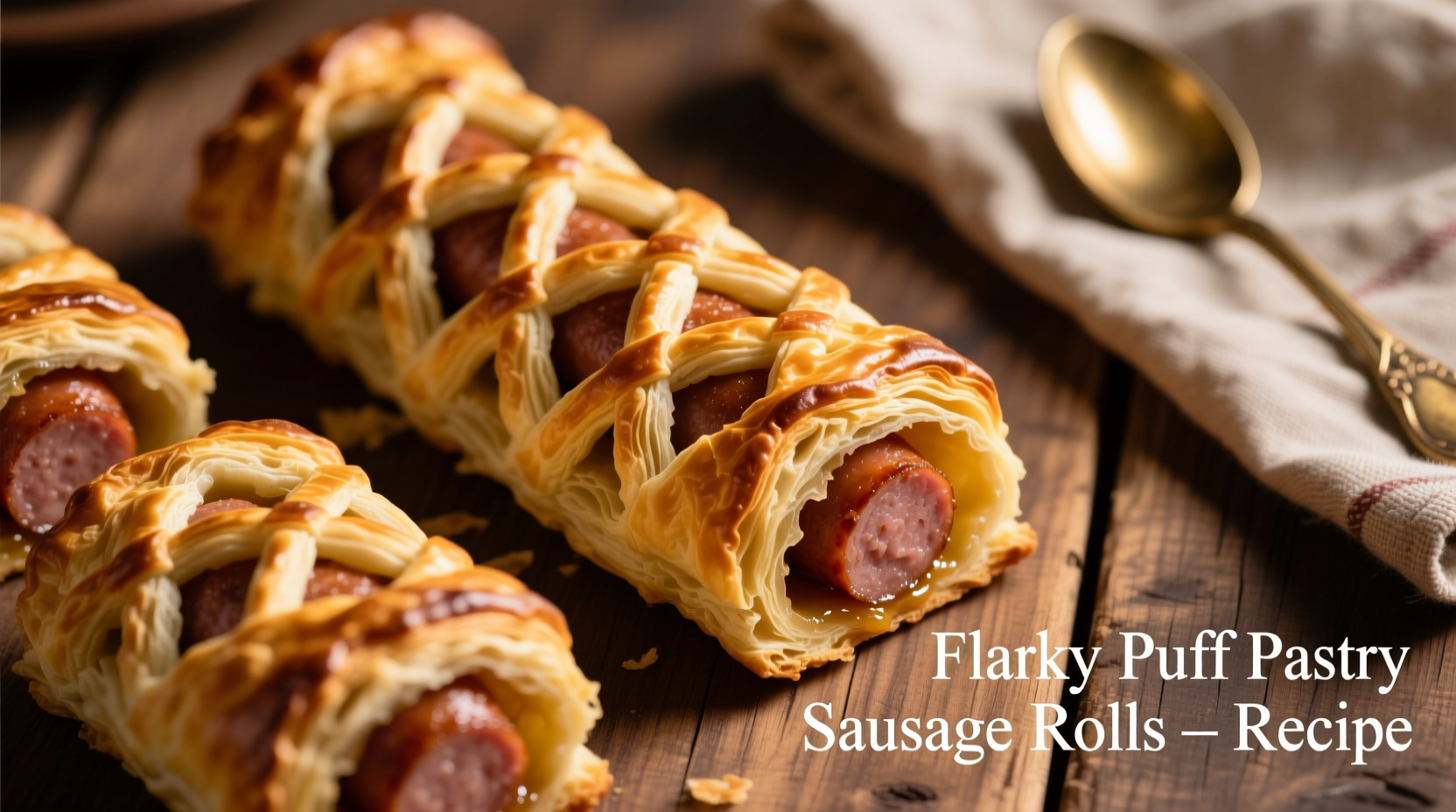
Sausage rolls are individual hand pies made by wrapping seasoned ground meat—typically pork sausage meat—in puff pastry, then baking until crisp and golden. The dish originated in 19th-century Britain as a way to serve cold meats in an appealing format and has since become a staple at bakeries, picnics, and holiday tables across the UK, Australia, New Zealand, and beyond.
At their best, sausage rolls feature two distinct components: a moist, herb-kissed filling and a light, multi-layered puff pastry shell that crackles upon biting. While store-bought versions exist, they often sacrifice texture and flavor for convenience. Homemade puff pastry is time-intensive, so many opt for high-quality frozen all-butter puff pastry, which—when handled correctly—can deliver results rivaling artisanal bakeshops.
This version uses store-bought puff pastry for practicality but emphasizes enhancements in seasoning, assembly, and baking technique to achieve a truly superior outcome. It balances tradition with modern kitchen efficiency, making it both authentic and approachable.
Key Characteristics
| Characteristic | Description |
|---|---|
| Flavor Profile | Savory, slightly sweet from onions, with herbal notes (sage, thyme) and umami depth from meat and optional Worcestershire sauce. |
| Aroma | Rich, meaty, buttery—intensified during baking with toasted pastry and caramelized onion notes. |
| Texture | Crisp, flaky exterior; tender, juicy interior. No sogginess or dryness when properly executed. |
| Color | Deep golden brown after egg wash; filling ranges from light tan to rosy pink depending on meat blend. |
| Size & Shape | Individual portions, typically 4–6 inches long, finger-thick, cylindrical. |
| Shelf Life | Fresh: up to 3 days refrigerated. Frozen (unbaked): up to 3 months. Reheats well. |
| Culinary Function | Appetizer, snack, picnic food, party finger food, or light meal. |
Practical Usage: How to Make Flaky Puff Pastry Sausage Rolls
Creating perfect sausage rolls hinges on three phases: preparation, assembly, and baking. Each step contributes to final texture and taste. Follow this method for consistent, restaurant-quality results.
Ingredients
- 1 lb (450g) raw pork sausage meat (or ground pork with added fat, ~20%)
- 1 small onion, finely diced
- 1 clove garlic, minced
- 1 tbsp fresh sage, chopped (or 1 tsp dried)
- 1 tsp fresh thyme leaves (or ½ tsp dried)
- ½ tsp ground black pepper
- ½ tsp sea salt (adjust to taste)
- 1 tbsp Worcestershire sauce (optional, adds umami)
- 1 egg (for binding and glaze)
- 1 sheet all-butter puff pastry (about 8 oz / 225g), thawed if frozen
- 1 tbsp milk or water (for sealing)
Step-by-Step Instructions
- Prepare the Filling: In a skillet over medium heat, sauté onion in a teaspoon of oil until soft and translucent (5–7 minutes). Add garlic and cook 30 seconds more. Let cool completely. In a bowl, combine cooled onions, sausage meat, herbs, salt, pepper, Worcestershire sauce, and one beaten egg. Mix gently with hands or fork—do not overwork. Chill for 20 minutes to firm up.
- Preheat Oven & Prepare Baking Sheet: Set oven to 400°F (200°C). Line a baking tray with parchment paper. Chilling the tray briefly helps prevent pastry sagging.
- Roll Out Pastry: On a lightly floured surface, roll puff pastry into a rectangle approximately 12 x 9 inches. Trim edges for neatness if desired. Cut lengthwise into two equal strips.
- Shape the Filling: Divide chilled filling into two equal portions. Roll each into a log slightly shorter than the pastry length, about 1 inch thick.
- Assemble: Place one log down the center of each pastry strip. Brush the long edges of the pastry with milk or water—this acts as glue. Fold one side over the filling, then the other, pressing gently to seal. Pinch seams firmly along the length. Flip seam-side down so the join stays closed during baking.
- Score & Glaze: Using a sharp knife, make 2–3 shallow diagonal cuts on top of each roll (this allows steam to escape and creates visual appeal). In a small bowl, beat remaining egg yolk with 1 tsp water. Brush evenly over the tops. Avoid getting egg wash on the sides, as it may inhibit rise.
- Bake: Transfer rolls to prepared tray. Bake for 25–30 minutes, rotating halfway, until pastry is deeply golden and puffed, and internal temperature reaches 160°F (71°C).
- Cool Slightly & Serve: Let rest 5–10 minutes before slicing. This allows juices to redistribute and prevents burn risk. Serve warm.
Pro Tip: For extra flakiness, chill assembled rolls for 15 minutes before baking. Cold pastry ensures better layer separation and vertical lift.
Variants & Types
Sausage rolls are highly adaptable. While the classic pork version reigns supreme, regional and dietary variations offer exciting alternatives. Choosing the right type depends on occasion, audience, and desired flavor profile.
Traditional Pork Sausage Roll
The standard version using seasoned pork sausage meat. Often includes breadcrumbs in commercial versions, but purists prefer a denser, meat-forward filling without fillers.
Vegetarian/Vegan Options
Mushroom, lentil, or textured vegetable protein (TVP) mixtures mimic meat texture. Use soy sauce or miso for umami. Wrap in vegan puff pastry (check label—many contain butter).
Cheese-Stuffed Rolls
Add a core of cheddar, mozzarella, or feta down the center of the meat log before wrapping. Creates a molten surprise inside. Best served immediately.
Mini Appetizer Rolls
Cut logs into 2-inch pieces before baking. Ideal for parties. Reduce baking time to 18–22 minutes.
Regional Twists
- Australian: Often includes tomato paste in the filling for tang and color.
- New Zealand: May use beef instead of pork, especially in South Island.
- British Pub Style: Larger, coarser-ground meat, sometimes with apple or cider reduction.
| Variant | Best For | Special Handling |
|---|---|---|
| Classic Pork | Daily snacking, family meals | Standard prep; freezes well unbaked |
| Mini Rolls | Cocktail parties, kids’ snacks | Bake on smaller tray; watch closely |
| Cheese-Filled | Entertaining, gourmet touch | Don’t overfill; cheese expands |
| Vegan | Plant-based diets, inclusive menus | Ensure pastry is dairy-free |
| Game Meat (venison, duck) | Special occasions, game season | Add fat (bacon) to prevent dryness |
Comparison with Similar Ingredients/Dishes
Sausage rolls are often confused with other handheld pastries. Understanding distinctions helps in recipe selection and execution.
| Dish | Difference from Sausage Rolls | When to Choose |
|---|---|---|
| Pigs in a Blanket | Hot dogs wrapped in crescent dough or biscuit dough; American version uses processed meats. | Kids’ parties, quick snacks |
| Empanadas | Latin American turnovers with varied fillings; dough is usually shortcrust or corn-based. | Spiced fillings, cultural menus |
| Sausage Bread | Sausage meat baked into a loaf with pastry swirls; sliced like bread. | Buffets, larger gatherings |
| Spanakopita | Greek phyllo pie with spinach and feta; layered, not rolled. | Vegetarian appetizers, Mediterranean themes |
| Meat Pies (Australian) | Larger, deeper dish with top and bottom crust; served hot. | Main course, hearty meals |
“The secret to great sausage rolls isn’t just the meat—it’s respecting the pastry. Keep everything cold, handle minimally, and let the oven do the work.” — Executive Pastry Chef, London gastropub
Practical Tips & FAQs
Can I use homemade puff pastry?
Yes, and it will yield the most luxurious texture. However, it requires several hours and precise lamination. For weekly cooking, high-quality frozen all-butter puff pastry (like Dufour or Pepperidge Farm) is a reliable alternative that still produces excellent lift and flavor.
Why did my pastry come out soggy?
Sogginess usually stems from moisture migration. Prevent it by:
- Chilling the filling before wrapping
- Avoiding watery ingredients (e.g., raw grated onion)
- Not overfilling the roll
- Using egg wash only on top, not sides
- Baking on a preheated or room-temperature tray (not cold)
Can I freeze sausage rolls before baking?
Yes—this is highly recommended. Assemble fully, then place unglazed rolls on a tray and freeze until solid (1–2 hours). Transfer to a sealed container. When ready to bake, brush with egg wash and add 5–8 minutes to baking time. Freezing unbaked preserves texture better than freezing after baking.
How do I reheat them without losing crispness?
Re-crisp in a 350°F (175°C) oven for 10–12 minutes. Avoid microwaving, which turns pastry leathery. For speed, use a toaster oven or air fryer at 375°F for 6–8 minutes.
What’s the best way to slice them cleanly?
Use a serrated knife and gentle sawing motion. Let rolls cool slightly—but not completely—to avoid crumbling. Wipe the blade between cuts for presentation.
Can I make them gluten-free?
Gluten-free puff pastry exists but behaves differently—less elasticity, lower rise. Look for brands with xanthan gum or psyllium husk. Expect a more crumbly texture. Seal edges carefully, as GF dough doesn’t stretch.
Is it safe to eat sausage rolls rare?
No. Ground meat must reach 160°F (71°C) internally to destroy pathogens. Use an instant-read thermometer inserted into the thickest part of the filling. Color alone is not a reliable indicator.
Storage Guide:
- Room Temperature: Up to 2 hours (food safety)
- Refrigerated: 3 days in airtight container
- Unbaked Frozen: 3 months (best quality)
- Baked Frozen: 2 months (may lose some crispness)
Summary & Key Takeaways
Flaky puff pastry sausage rolls are more than nostalgia—they’re a study in balance between simplicity and technique. With attention to detail, even home cooks can produce results that surpass bakery offerings.
The foundation is quality ingredients: well-seasoned sausage meat, real butter puff pastry, and proper handling. Key success factors include chilling components before assembly, sealing tightly, scoring tops, and glazing correctly. Baking at high heat ensures maximum puff and browning.
Variations allow customization for dietary needs or occasions, from mini appetizers to vegan renditions. Freezing unbaked rolls offers unparalleled convenience for future meals. And reheating methods preserve texture when done properly.
Ultimately, the perfect sausage roll delivers sensory contrast—crisp against tender, buttery against savory—all in a portable, shareable form. Master this recipe, and you’ll have a go-to dish for any moment that calls for comfort, elegance, or simply excellent eating.
Ready to impress? Make a batch this weekend—your kitchen will smell like a Michelin-starred patisserie.