Clear, glowing skin is a universal aspiration. In the endless stream of skincare advice, one tip appears more frequently than any other: “Drink more water.” It’s repeated by influencers, dermatologists, and grandmothers alike. But how much truth lies behind this claim? Is drinking water a miracle solution for acne and dullness, or is the idea overly simplified—reducing a complex biological process to a single habit? The answer isn’t black and white. While hydration plays a crucial role in overall skin function, its direct impact on clarity is often overstated. Understanding the nuances can help you make smarter choices about your skincare and wellness routines.
The Science of Skin Hydration
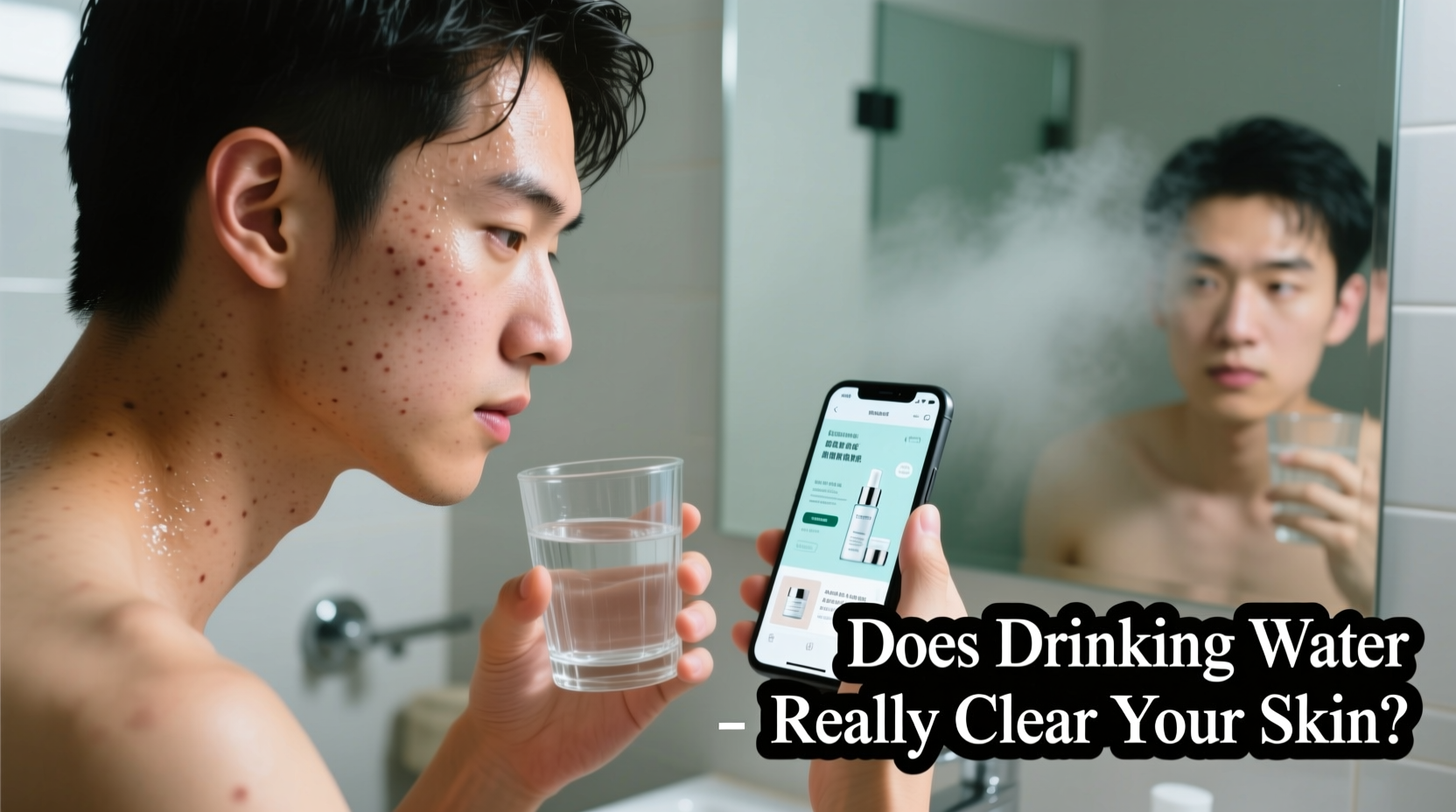
Skin is the body’s largest organ and serves as a protective barrier. Its outermost layer, the stratum corneum, functions best when adequately hydrated. This layer regulates moisture loss, defends against environmental aggressors, and maintains elasticity. When dehydrated, the skin may appear flaky, feel tight, and show more pronounced fine lines.
Internal hydration—how much water circulates through your body—affects skin turgor (elasticity) and resilience. Clinical studies have shown that increasing water intake can improve skin density and thickness over time, particularly in individuals who were previously under-hydrated. However, these improvements are subtle and structural rather than dramatic visual transformations.
It's important to distinguish between dry skin (a lack of oil) and dehydrated skin (a lack of water). Drinking water primarily addresses dehydration, not dryness, which requires topical moisturizers containing occlusives and emollients. Confusing the two leads many people to drink gallons of water while neglecting proper skincare, expecting results that won’t come from hydration alone.
“While systemic hydration supports skin function, it doesn’t directly treat acne, pigmentation, or inflammation. Topical care and lifestyle factors play a far greater role in skin clarity.” — Dr. Lena Torres, Board-Certified Dermatologist
How Water Supports Skin Health: What It Can—and Can’t—Do
Drinking water contributes to skin health in several indirect ways:
- Detoxification support: The kidneys rely on water to filter waste and toxins from the bloodstream. When functioning optimally, this reduces the burden on the skin as a secondary detox organ.
- Blood circulation: Proper hydration improves circulation, delivering oxygen and nutrients to skin cells more efficiently.
- Cell turnover: Hydrated cells are better able to regenerate and repair, supporting natural exfoliation and reducing the appearance of dullness.
However, water does not directly flush out pores or eliminate acne-causing bacteria. Acne forms due to a combination of hormonal fluctuations, excess sebum production, bacterial colonization (Cutibacterium acnes), and inflammation—not dehydration. Similarly, conditions like rosacea, eczema, and melasma are not resolved by increased water intake alone.
Tip: If your urine is pale yellow, you’re likely well-hydrated. Darker urine suggests you may need more fluids—but don’t overdo it, as excessive water intake can disrupt electrolyte balance.Common Myths About Water and Skin Clarity
The belief that drinking water clears skin is rooted in partial truths and amplified by anecdotal evidence. Let’s examine some widespread myths:
Myth 1: “Water flushes toxins from your skin.”
The liver and kidneys handle detoxification. While water supports these organs, it doesn’t “flush” impurities through the skin. Sweat is mostly water and salt, not a significant route for toxin elimination.
Myth 2: “Eight glasses a day will give you perfect skin.”
The “8x8” rule (eight 8-ounce glasses) is a general guideline, not a medical mandate. Individual needs vary based on climate, activity level, diet, and metabolism. Overhydration offers no additional skin benefits and can be harmful.
Myth 3: “If I drink more water, I won’t need moisturizer.”
Topical hydration is essential. Drinking water hydrates from within, but the skin’s surface still loses moisture daily. Without occlusive agents (like ceramides or oils), that moisture evaporates—leading to transepidermal water loss.
Myth 4: “Dehydration causes acne.”
No clinical evidence supports this. While severe dehydration may impair skin barrier function, making it more susceptible to irritation, it doesn’t initiate acne lesions. Hormonal imbalances and follicular clogging are primary drivers.
What Actually Clears Skin: A Balanced Perspective
If water alone isn’t the magic bullet, what does lead to clearer skin? A holistic approach that includes internal and external factors:
- Diet: High-glycemic foods and dairy have been linked to increased acne in some studies. Diets rich in antioxidants, omega-3 fatty acids, and low in processed sugars tend to support better skin health.
- Sleep: Poor sleep increases cortisol, which can trigger oil production and inflammation.
- Stress management: Chronic stress elevates hormones like cortisol and insulin, both of which can worsen breakouts.
- Skincare routine: Gentle cleansing, exfoliation (chemical, not harsh physical scrubs), and targeted treatments (like benzoyl peroxide or retinoids) are proven methods for improving clarity.
- Hormonal balance: Conditions like PCOS or thyroid disorders often manifest in skin issues and require medical intervention.
In this context, water is just one piece of a larger puzzle. Think of it as foundational support—necessary but insufficient on its own.
Real-Life Example: Sarah’s Skincare Journey
Sarah, a 28-year-old marketing professional, struggled with persistent breakouts along her jawline. She drank 3 liters of water daily, believing it would clear her skin. Despite her hydration habits, her acne persisted. After consulting a dermatologist, she discovered her diet—high in skim milk and refined carbs—was contributing to hormonal fluctuations. She also wasn’t using any active ingredients in her skincare.
Her treatment plan included switching to almond milk, incorporating a gentle salicylic acid cleanser, and using a prescription retinoid. She maintained her water intake but stopped expecting it to do the heavy lifting. Within three months, her skin improved significantly—not because she drank more water, but because she addressed the root causes.
Sarah’s story illustrates a common misconception: attributing complex skin issues to a single, easily controllable factor. While hydration supported her overall health, real change came from a multifaceted strategy.
Practical Guide: Optimizing Hydration for Skin Support
If drinking water isn’t a cure-all, how should you approach hydration for optimal skin function? Follow this step-by-step guide:
- Assess your current intake: Track how much water you drink over three days. Include all fluids—tea, coffee, soups—but count them with moderation (caffeine has a mild diuretic effect).
- Calculate personalized needs: A rough estimate is 30–35 ml per kilogram of body weight. For a 68 kg (150 lb) person, that’s about 2–2.4 liters daily. Adjust for exercise, heat, or illness.
- Space intake throughout the day: Sip consistently rather than chugging large amounts at once. This ensures steady cellular hydration.
- Enhance absorption: Pair water with electrolytes (from fruits, vegetables, or a pinch of sea salt) to improve fluid retention.
- Support with topical care: Use a humectant-rich moisturizer (with hyaluronic acid or glycerin) to draw water into the skin and seal it with an occlusive (like squalane or shea butter).
- Monitor skin response: Look for reduced tightness, improved plumpness, and less flakiness—signs of better hydration—not necessarily fewer pimples.
| Factor | Recommended Action | Expected Skin Benefit |
|---|---|---|
| Low water intake | Increase gradually to meet individual needs | Improved elasticity, reduced dehydration lines |
| Poor diet (high sugar/dairy) | Reduce inflammatory foods | Fewer hormonal breakouts |
| Inconsistent skincare | Use proven actives (retinoids, AHAs/BHAs) | Clearer texture, reduced congestion |
| High stress levels | Mindfulness, adequate sleep | Lower inflammation, balanced oil production |
| Over-cleansing | Switch to gentle, pH-balanced cleansers | Stronger skin barrier, less irritation |
Checklist: Building a Realistic Skincare & Hydration Routine
Use this checklist to create a balanced approach that includes hydration without over-relying on it:
- ✅ Drink enough water to stay hydrated (based on body weight and activity)
- ✅ Eat a diet rich in whole foods, healthy fats, and antioxidants
- ✅ Use a daily cleanser and moisturizer suited to your skin type
- ✅ Incorporate one active ingredient (e.g., niacinamide, retinol, salicylic acid)
- ✅ Limit sugar, dairy, and processed foods if prone to breakouts
- ✅ Get 7–9 hours of quality sleep nightly
- ✅ Manage stress through exercise, meditation, or therapy
- ✅ Consult a dermatologist if acne persists beyond self-care
Frequently Asked Questions
Can drinking more water reduce oily skin?
No. Oily skin is caused by sebaceous gland activity, which is hormonally regulated. Dehydrated skin may actually produce more oil to compensate, so staying hydrated helps maintain balance—but it won’t stop oil production altogether.
How long does it take to see skin changes from drinking more water?
If you were previously dehydrated, subtle improvements in skin firmness and texture may appear in 2–4 weeks. However, these are not equivalent to clearing acne or fading dark spots, which require targeted treatments.
Is sparkling water as good as still water for skin?
Yes, from a hydration standpoint. Sparkling water hydrates just as effectively, provided it contains no added sugars or citric acid, which can erode tooth enamel and potentially irritate sensitive skin when consumed excessively.
Conclusion: Beyond the Hype
Drinking water is essential for life—and for healthy skin function—but it’s not a standalone solution for achieving clear skin. The idea that water alone can purge acne or brighten your complexion is a significant oversimplification. True skin clarity comes from addressing root causes: diet, hormones, stress, and proper skincare.
Hydration should be viewed as a supportive pillar, not the entire foundation. When combined with evidence-based practices, it enhances your skin’s resilience and appearance. But expecting water to do the work of medicine, nutrition, or dermatology sets you up for disappointment.
🚀 Ready to take control of your skin health? Start by evaluating your full lifestyle—not just your water bottle. Share your experience or questions below; your journey might help someone else move beyond the myths and toward real results.