Coffee is a morning ritual for millions, but over time, that favorite mug can become discolored, streaked with brown rings, or even develop a cloudy film. While it’s tempting to reach for steel wool or harsh abrasives, aggressive scrubbing can damage ceramic glazes, leave micro-scratches where bacteria thrive, and shorten the life of your mug. The good news? You don’t need to scrub hard—or at all—to restore a stained mug to its original shine. With the right techniques and ingredients, deep cleaning can be effortless, eco-friendly, and highly effective.
The key lies in understanding what causes staining and how to break down residue using natural chemical reactions rather than brute force. This guide walks you through proven methods, backed by chemistry and real-world use, that eliminate stubborn coffee stains with minimal effort.
Why Coffee Mugs Stain—and Why Scrubbing Isn’t Always the Answer
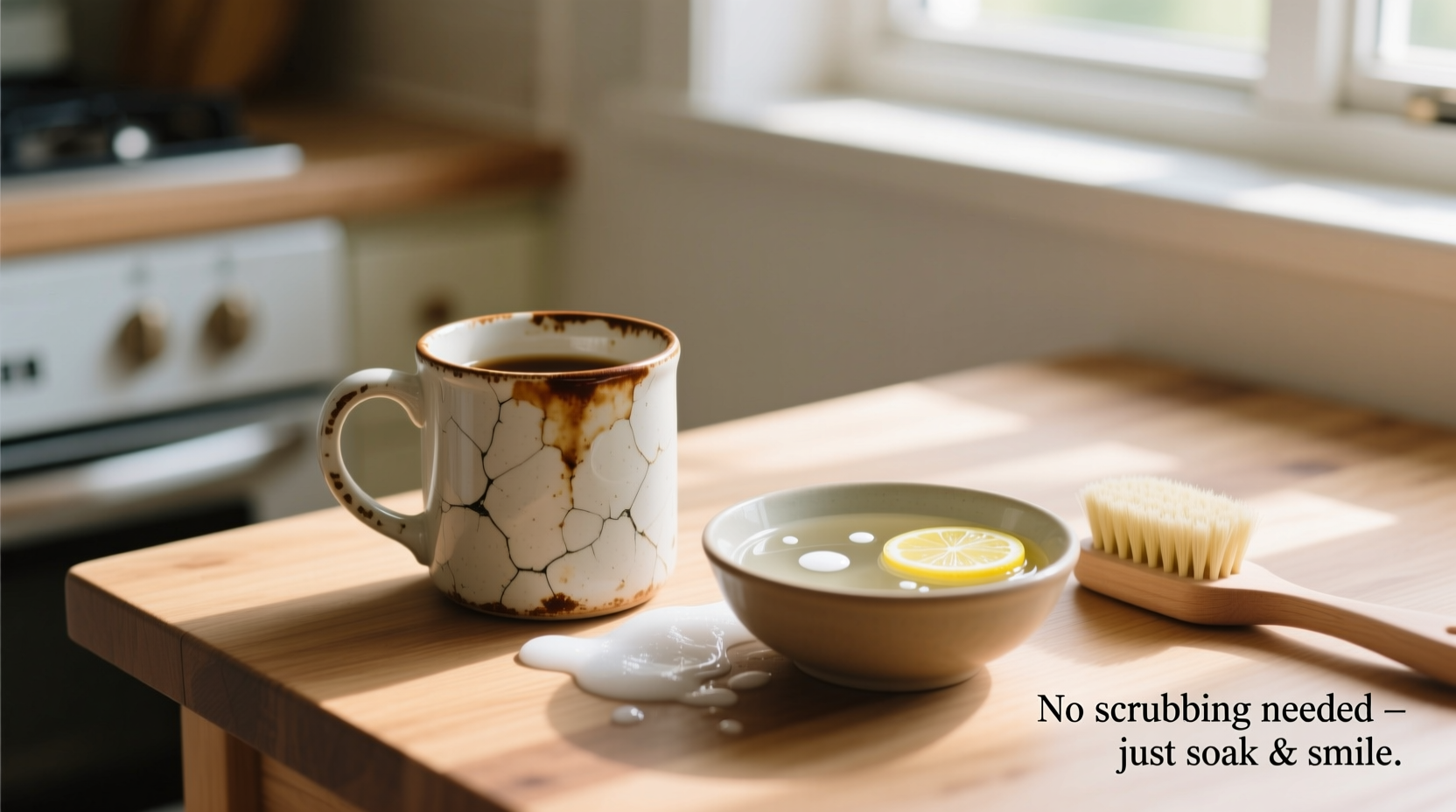
Coffee contains tannins—natural compounds also found in tea and wine—that bind to porous surfaces like ceramic, porcelain, and even some plastics. Over time, repeated exposure leads to discoloration, especially just below the usual fill line. Add milk or sugar residues into the mix, and you create a sticky layer that traps more tannins, accelerating staining.
Many people respond by scrubbing aggressively with abrasive pads or scouring powders. However, this often does more harm than good:
- Scratches accumulate bacteria: Microscopic grooves from scrubbing become breeding grounds for microbes.
- Glaze damage: Ceramic mugs rely on a smooth, sealed glaze. Abrasives wear it down, making future staining worse.
- Surface dulling: Even stainless steel or glass can lose their luster when scratched.
Instead of fighting stains with friction, smarter solutions use dissolution, oxidation, and enzymatic breakdown to lift grime effortlessly.
“Stains are chemistry problems, not strength tests. The most effective cleaning happens when you work with molecules, not against them.” — Dr. Lena Torres, Materials Scientist at the Institute for Sustainable Household Solutions
Step-by-Step Guide: 5 Gentle Methods That Actually Work
Below are five reliable, low-effort methods to remove coffee stains without touching a sponge. Each uses common household items and leverages natural reactions to dissolve buildup. Choose the one that fits your supplies and schedule.
1. Baking Soda and Vinegar Soak (Best for Daily Residue)
This classic duo creates a bubbling reaction that loosens stuck-on particles. It’s ideal for light to moderate staining.
- Pour one tablespoon of baking soda into the mug.
- Add two tablespoons of white vinegar.
- Let the mixture fizz for 30 seconds, then fill the mug with hot water.
- Allow it to sit for 30–60 minutes.
- Rinse thoroughly with warm water.
2. Denture Tablet Soak (Fastest & Most Convenient)
Denture tablets are designed to dissolve organic plaque in warm water, making them perfect for coffee stains. They’re safe for most materials and require zero scrubbing.
- Drop one denture tablet into the mug.
- Add hot water until full.
- Wait 15–30 minutes (check instructions on packaging).
- Discard the solution and rinse.
This method works especially well on mugs with textured interiors or logos where stains hide.
3. Hydrogen Peroxide and Baking Soda Paste (For Deep Set Stains)
Hydrogen peroxide is a mild bleach and oxidizer that breaks down organic compounds. Combined with baking soda, it forms a gentle abrasive paste that lifts stains chemically, not mechanically.
- Mix two tablespoons of baking soda with one tablespoon of 3% hydrogen peroxide.
- Stir into a thick paste.
- Coat the stained areas inside the mug.
- Let sit for 1–2 hours (or overnight for heavy stains).
- Rinse completely under running water.
This method is excellent for vintage mugs or those used for tea and coffee blends with high tannin content.
4. Salt and Lemon Juice Rub (Natural Bleaching Action)
Lemon juice provides citric acid, which dissolves mineral deposits and organic films. Salt acts as a very mild abrasive, but only requires light swirling—not scrubbing.
- Sprinkle coarse salt (like kosher or sea salt) along the stained area.
- Squeeze fresh lemon juice over the salt until dampened.
- Swirl the mixture gently with a spoon or your finger for 30 seconds.
- Let sit for 20–30 minutes.
- Rinse and dry.
This method leaves a fresh scent and brightens dull surfaces naturally.
5. Dishwasher Boost Method (For Batch Cleaning Multiple Mugs)
If you have multiple stained mugs, skip hand-cleaning altogether. Use your dishwasher strategically.
- Place mugs upside down in the top rack.
- Add your regular detergent.
- Drop a denture tablet or one tablespoon of baking soda into the detergent dispenser.
- Run a hot water cycle (sanitize setting if available).
The combination of heat, prolonged water exposure, and alkaline boosters removes years of buildup with zero manual effort.
Checklist: How to Clean a Stained Mug Without Scrubbing
Follow this simple checklist to ensure effective, no-scrub cleaning every time:
- ✅ Identify the material of your mug (ceramic, glass, stainless steel, plastic)
- ✅ Choose a method compatible with the material
- ✅ Use hot (not boiling) water to activate cleaning agents
- ✅ Allow sufficient soak time (minimum 30 minutes)
- ✅ Rinse thoroughly to remove any residue
- ✅ Air dry upside down to prevent water spots
- ✅ Repeat weekly for maintenance
Do’s and Don’ts: What to Avoid When Cleaning Coffee Mugs
| Do’s | Don’ts |
|---|---|
| Use baking soda, vinegar, or denture tablets for safe, non-toxic cleaning | Use steel wool or abrasive pads on glazed ceramics |
| Soak for at least 30 minutes to maximize effectiveness | Leave acidic cleaners (like lemon juice) on for more than 2 hours |
| Rinse thoroughly after using any chemical agent | Mix bleach with vinegar or ammonia (toxic fumes) |
| Clean weekly to prevent buildup | Put insulated or plastic mugs in the dishwasher unless labeled safe |
| Use a soft brush only after soaking, if needed | Scrub in circular motions that concentrate wear on one spot |
Real Example: Reviving a 5-Year-Old Travel Mug
Sarah, a remote worker from Portland, used her insulated travel mug daily for five years. Despite regular washing, a dark brown ring had formed just below the fill line, and the interior felt slightly gritty. She tried scrubbing with dish soap and a sponge, but the stain remained.
Reluctant to throw it away, she tried the hydrogen peroxide and baking soda method. She mixed a paste, coated the interior, and left it overnight. The next morning, she rinsed it under warm water—no scrubbing. The stain was gone. The surface felt smooth again, and the mug looked nearly new.
“I couldn’t believe it,” Sarah said. “All that time I thought I needed a stronger scrubber. Turns out, I just needed to stop scrubbing.”
Frequently Asked Questions
Can I use bleach to clean coffee stains?
While bleach can remove stains, it’s not recommended for mugs used for drinking. Residual bleach can linger in pores or seams, posing health risks. Safer alternatives like hydrogen peroxide or vinegar are just as effective without the danger.
How often should I deep-clean my coffee mug?
For daily users, a deep clean every 1–2 weeks prevents buildup. Occasional users can do it monthly. Pair this with a quick rinse after each use to maintain cleanliness between treatments.
Will these methods work on plastic or silicone mugs?
Yes, but with caution. Avoid prolonged exposure to vinegar or peroxide on plastic, as they may degrade over time. Stick to shorter soaks (under 1 hour) and avoid boiling water with BPA-free or thin plastics. Denture tablets are generally safe for food-grade plastics.
Conclusion: Clean Smarter, Not Harder
A stained coffee mug doesn’t mean it’s time to replace it. In fact, the best way to preserve your favorite mugs—whether handmade ceramics, office staples, or insulated tumblers—is to stop scrubbing and start soaking. Gentle, science-backed methods using pantry staples can dissolve years of coffee residue without damaging surfaces or wasting energy.
By adopting a routine that prioritizes prevention and periodic deep cleaning, you extend the life of your mugs, keep them hygienic, and enjoy every sip from a truly clean vessel. The next time you see a stubborn ring, resist the urge to scrub. Instead, reach for baking soda, a denture tablet, or lemon juice—and let chemistry do the work.
💬 Have a favorite no-scrub cleaning hack? Share your tip in the comments and help others keep their mugs fresh and stain-free!