Types of Cuboid Wine Buckets and Other Wine Coolers
A cuboid wine bucket is a rectangular or box-shaped ice bucket designed to hold wine or champagne bottles surrounded by ice for chilling. Unlike traditional cylindrical wine coolers, the cuboid shape offers a modern, space-efficient design that fits seamlessly into contemporary dining and bar settings. These wine buckets are ideal for both home use and professional environments, providing functional cooling with a sleek aesthetic.
Beyond the cuboid style, various specialized wine buckets cater to different needs—from portability and insulation to artistic presentation and architectural integration. Below is a detailed overview of the most common types available today.
Cuboid Wine Bucket
Rectangular-shaped buckets made from stainless steel, acrylic, or insulated composites for efficient cooling and modern presentation.
Advantages
- Space-efficient rectangular design
- Modern, elegant appearance
- Stable base reduces tipping risk
- Fits multiple bottles or large-format bottles
Limitations
- Limited traditional aesthetic appeal
- May require more ice due to larger volume
- Less common than cylindrical models
Best for: Modern dining tables, restaurants, buffets, and events with limited space
Insulated Wine Bucket
Features double-wall vacuum or foam insulation to maintain wine temperature without constant ice replenishment.
Advantages
- No need for frequent ice refills
- Prevents water dilution from melting ice
- Ideal for outdoor use and extended events
- Keeps wine cold for 4–6 hours or longer
Limitations
- Higher initial cost
- Heavier than non-insulated models
- Limited design variety
Best for: Picnics, weddings, outdoor parties, and high-end catering events
Collapsible Wine Bucket
Made from flexible silicone, fabric-reinforced TPU, or foldable plastic, these buckets are designed for portability and compact storage.
Advantages
- Ultra-portable and lightweight
- Takes minimal storage space when folded
- Perfect for travel and outdoor adventures
- Durable and often waterproof
Limitations
- Requires ice for cooling
- Less rigid structure may tip easily
- Limited insulation properties
Best for: Beach outings, camping, picnics, and travelers seeking convenience
Ceiling-Mounted Wine Bucket
Permanently installed units in high-end bars or restaurants, suspended from the ceiling to display and chill bottles in style.
Advantages
- Space-saving architectural integration
- Creates a dramatic visual centerpiece
- Always ready with ice and bottles
- Enhances luxury ambiance
Limitations
- Not portable or removable
- High installation cost
- Limited to commercial or luxury residential settings
Best for: Upscale bars, luxury hotels, fine dining restaurants, and event venues
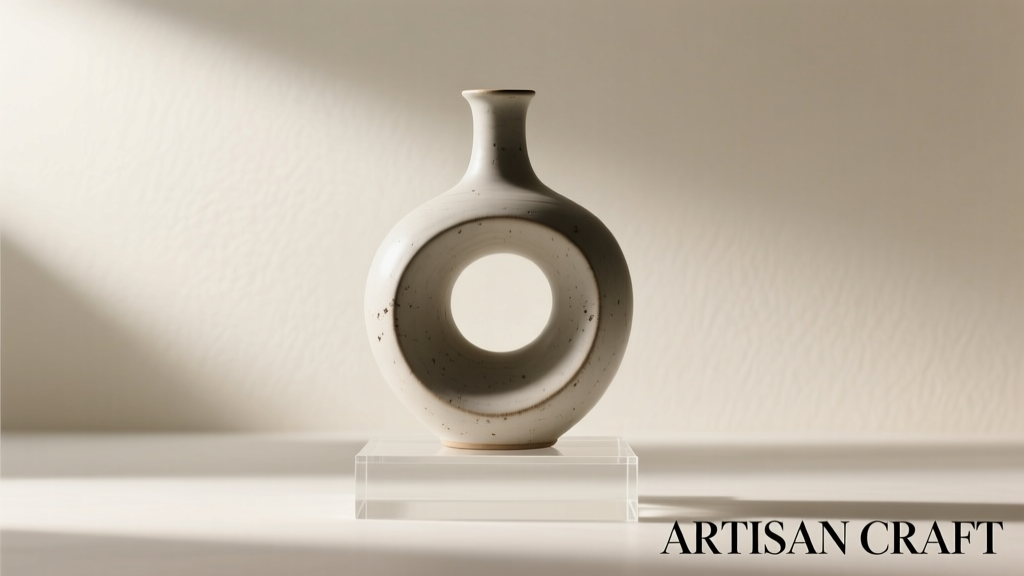
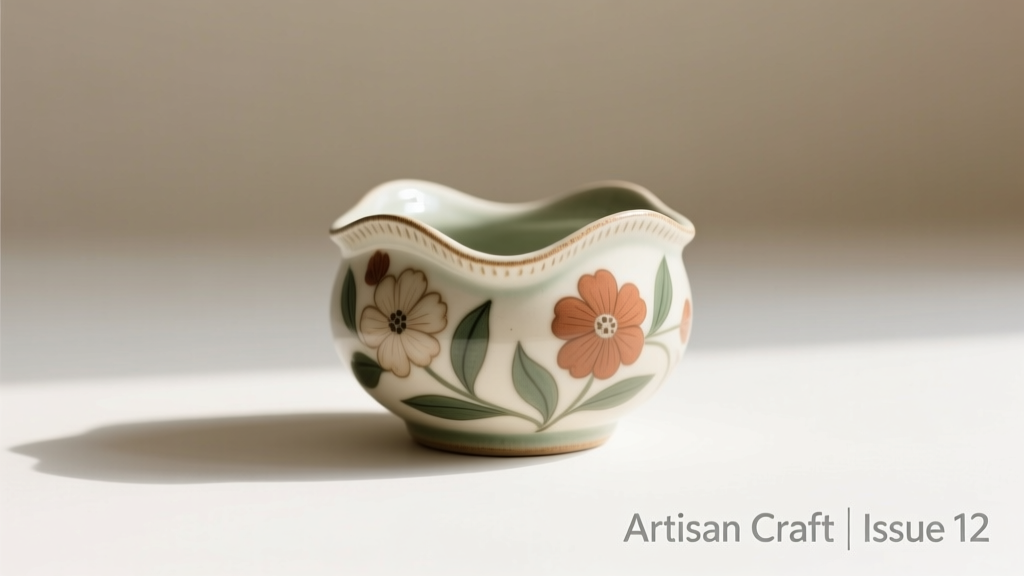
Ceramic Wine Bucket
Artistically crafted from porcelain, stoneware, or glass, often hand-painted or decorated for visual elegance.
Advantages
- Stunning decorative appeal
- Unique, handcrafted designs available
- Suitable for gifting and special occasions
- Some models include inner cooling sleeves
Limitations
- Poor natural insulation
- Heavy and fragile
- May require additional ice packs or liners
Best for: Weddings, art exhibitions, home decor, and upscale events where aesthetics matter
Classic Ice Bucket
The traditional cylindrical or cuboid bucket designed to hold ice and water for submerging wine bottles.
Advantages
- Effective and time-tested cooling method
- Widely available and affordable
- Often includes accessories (tongs, scoop, lid)
- Durable materials like stainless steel or chrome
Limitations
- Ice melts and dilutes over time
- May sweat and require a drip tray
- Less portable if large or metal-made
Best for: Everyday use, formal dinners, buffets, and general wine service
| Type | Cooling Efficiency | Portability | Design Appeal | Best Use Case |
|---|---|---|---|---|
| Cuboid Wine Bucket | High | Medium | High | Modern dining, space-constrained areas |
| Insulated Bucket | Very High | Medium | Medium | Outdoor events, long-duration gatherings |
| Collapsible Bucket | Medium | Excellent | Low to Medium | Travel, picnics, camping |
| Ceiling-Mounted Bucket | High | None | Excellent | Luxury venues, architectural design |
| Ceramic Bucket | Low to Medium | Low | Excellent | Decorative events, gifting |
| Classic Ice Bucket | High | Medium | Medium | General wine chilling, formal occasions |
Pro Tip: For optimal chilling, combine ice with a small amount of water in your wine bucket—this improves thermal conductivity and cools the bottle faster than ice alone. For insulated or ceramic buckets, consider using reusable ice packs to avoid water leakage while maintaining temperature.
Design of Cuboid Wine Bucket: A Modern Twist on Wine Presentation
The cuboid wine bucket stands out in the world of wine coolers and ice buckets with its sleek, geometric design and enhanced functionality. Unlike traditional cylindrical models, the cuboid shape offers greater stability, increased capacity, and a contemporary aesthetic ideal for modern dining, hospitality, and event settings. This guide explores the key design elements that make the cuboid wine bucket a preferred choice for both home enthusiasts and professional sommeliers.
Materials: Balancing Durability, Aesthetics, and Functionality
The choice of material significantly influences the performance, weight, and visual appeal of a cuboid wine bucket. Manufacturers offer a diverse range of materials to suit various preferences and environments:
Stainless Steel
Renowned for its durability and resistance to rust and corrosion, stainless steel is one of the most popular materials for high-end cuboid wine buckets. Its non-reactive nature ensures no flavor contamination, while its polished or brushed finish adds a premium look to any table setting.
Aluminum
Lighter than stainless steel, aluminum provides excellent thermal conductivity and is ideal for portable use. Often coated or anodized for added protection, aluminum buckets are favored for outdoor events and catering due to their lightweight yet sturdy construction.
Premium Plating (Silver & Gold)
For formal occasions and luxury settings, silver or gold-plated cuboid wine buckets offer a timeless, elegant appearance. These finishes are typically applied over a base metal and provide a reflective, opulent surface that enhances the ambiance of weddings, galas, and upscale restaurants.
Acrylic, Wood & Ceramic
Modern design trends have introduced artistic alternatives like acrylic, solid wood, and ceramic. Acrylic offers transparency and lightness; wood brings warmth and natural elegance; ceramic provides a handcrafted, artisanal feel. These materials are increasingly used in boutique and decorative wine buckets, especially where visual impact is prioritized.
Color and Finish Options: Matching Style to Occasion
The versatility of the cuboid wine bucket extends to its wide array of color and finish options, allowing seamless integration into any décor or theme:
Size and Capacity: Optimized for Performance and Convenience
The cuboid shape is not just a design choice—it's a functional upgrade. The rectangular footprint maximizes space efficiency and allows for better organization on tables and bars.
| Size Category | Dimensions (L × W × H) | Capacity | Best For |
|---|---|---|---|
| Compact | 12" × 8" × 10" | 1–2 bottles + ice | Home use, small gatherings |
| Large | 18" × 12" × 14" | 3–4 bottles + ample ice | Events, restaurants, buffets |
| Extra-Large (Commercial) | 24" × 16" × 16"+ | 6+ bottles | Hotels, banquets, catering |
The increased internal volume and flat sides allow for efficient cooling, as bottles sit upright with minimal movement. The shape also enables stacking or side-by-side placement without rolling risks, enhancing safety and space utilization.
Handles and Accessories: Enhancing Usability and Presentation
Modern cuboid wine buckets are designed with both form and function in mind. Thoughtful additions improve user experience and elevate the serving process:
Ergonomic Handles
Integrated handles—often made of heat-resistant materials or padded metal—allow for easy transport, even when the bucket is full of ice and bottles. Some models feature dual handles or recessed grips for balanced lifting and spill prevention.
Matching Accessories
Many sets include complementary tools such as:
- Stainless steel ice tongs for hygienic handling
- Ice scoops for quick and clean ice transfer
- Frosted or metal lids to retain cold temperature and reduce evaporation
- Drip trays to protect table surfaces from condensation
These accessories not only improve functionality but also create a cohesive, professional presentation—ideal for hospitality environments or gifting.
Pro Tip: When selecting a cuboid wine bucket, consider the primary use case—home, event, or commercial service. Ensure the material and size match your cooling needs and storage space. For best results, pre-chill the bucket and use large ice cubes or ice packs to maintain consistent temperature without rapid dilution.
Scenarios of Cuboid Wine Buckets
Cuboid wine buckets have evolved from simple cooling accessories into stylish, functional, and versatile tools for preserving and presenting wine. Their unique rectangular design offers space efficiency, improved capacity, and a modern aesthetic that fits seamlessly into various environments. Below are key scenarios where a cuboid wine bucket proves not only practical but also enhances the overall experience of wine enjoyment.
Parties and Social Events
The cuboid wine bucket is an ideal centerpiece for gatherings, offering both functionality and visual appeal. Its rectangular shape allows for efficient arrangement on tables and countertops, maximizing space while accommodating multiple bottles—perfect for hosting large groups.
- Spacious interior holds 2–4 standard wine or champagne bottles, reducing the need for frequent refills
- Deep cubical ice chamber maintains consistent low temperatures for several hours, even in warm environments
- Easy self-service access encourages guest interaction and reduces host burden
- Sleek finishes (brushed stainless steel, matte black, or acrylic) complement party décor and elevate ambiance
Pro Tip: Pre-chill the bucket and use crushed ice for faster, more uniform cooling at outdoor parties.
Dinners and Formal Gatherings
In elegant dining settings, a cuboid wine cooler adds sophistication while ensuring optimal wine temperature. Unlike traditional round buckets, the modern cuboid design integrates seamlessly with contemporary table settings and minimalist decor.
- Dedicated buckets for white wine, rosé, or sparkling wines maintain varietal-specific serving temperatures
- Stainless steel or crystal-clear acrylic models reflect a refined, upscale aesthetic
- Condensation-resistant double walls prevent water rings on fine linens or polished surfaces
- Compact footprint fits neatly beside place settings without disrupting table symmetry
Design Insight: Pair with linen napkins or decorative ice scoops for a polished presentation at formal dinners.
Outdoor Activities
For picnics, beach outings, camping trips, or tailgating events, collapsible and insulated cuboid wine buckets offer unmatched portability and thermal performance. Engineered for adventure, these models combine rugged materials with smart design.
- Foldable silicone or insulated fabric versions are lightweight and easy to pack
- Sealed lids prevent spills and keep contents cool for up to 6–8 hours without ice
- UV-resistant exteriors protect against sun exposure during extended outdoor use
- Non-slip bases ensure stability on uneven terrain like grass or sand
Travel Essential: Look for models with carrying handles or built-in bottle holders for hassle-free transport.
Residential Use
Wine enthusiasts often incorporate cuboid wine buckets into their home bars, kitchens, or entertainment areas as both functional tools and decorative accents. Their geometric shape fits neatly into cabinetry and modern shelving units.
- Stores multiple bottles upright or at a slight angle, preserving cork integrity
- Acts as a stylish ice bucket during cocktail hours or dinner prep
- Available in designer finishes (rose gold, copper, matte black) to match interior themes
- Easy to clean and maintain—many are dishwasher-safe or feature removable liners
Home Styling Tip: Use as a centerpiece with decorative ice, citrus slices, or fresh herbs for an inviting look.
Hotel and Restaurant Settings
In hospitality environments, cuboid wine buckets serve as symbols of luxury and attention to detail. From five-star hotels to boutique restaurants, they enhance guest experience through both function and form.
- Placed in guest rooms, suites, or VIP lounges to offer a premium welcome amenity
- Used tableside during fine dining service to keep white and sparkling wines perfectly chilled
- Available in commercial-grade stainless steel for durability and easy sanitation
- Custom branding options allow hotels and restaurants to reinforce their upscale image
Industry Standard: High-end establishments often pair cuboid buckets with engraved serving trays for a seamless presentation.
Expert Recommendation: When selecting a cuboid wine bucket for any setting, consider material durability, insulation quality, and ease of cleaning. Stainless steel offers longevity and professional appeal, while acrylic or insulated fabric models provide versatility for casual or mobile use. Always match the bucket’s capacity and cooling performance to the intended environment—whether it’s a bustling event or a quiet evening at home.
| Use Case | Recommended Material | Capacity (Bottles) | Key Features |
|---|---|---|---|
| Large Parties | Stainless Steel | 3–4 | Double-walled, large ice reservoir, condensation-proof |
| Formal Dinners | Crystal Acrylic or Polished Steel | 1–2 | Elegant finish, compact footprint, drip-free |
| Outdoor Adventures | Insulated Fabric/Silicone | 1–2 | Collapsible, spill-proof, UV-resistant |
| Home Use | Stainless Steel or Matte Finish | 2–3 | Stylish, easy to clean, decor-friendly |
| Hospitality Service | Commercial-Grade Stainless Steel | 2–4 | Durable, hygienic, brandable |
Additional Considerations
- Temperature Control: Double-walled insulation significantly extends cooling time compared to single-layer buckets
- Eco-Friendly Options: Reusable silicone or bamboo-composite models reduce single-use plastic waste
- Multifunctionality: Some cuboid buckets double as cocktail mixers, fruit chillers, or floral vases
- Aesthetic Integration: Modern designs blend with Scandinavian, industrial, and minimalist interiors
- Accessibility: Rectangular shape allows easier bottle removal than narrow cylindrical buckets
How to Choose the Perfect Cuboid Wine Bucket
Selecting the ideal cuboid wine bucket involves more than just aesthetics—it's about matching functionality, design, and practicality to your client’s lifestyle and preferences. Whether for personal use, hospitality settings, or gifting, understanding key selection criteria ensures you recommend or choose a wine bucket that delivers both performance and visual appeal. This guide explores the essential factors to consider when choosing a high-quality cuboid wine bucket.
Important Note: A well-chosen wine bucket enhances not only wine preservation but also the overall dining or entertaining experience. Always consider the environment, frequency of use, and user habits before making a final decision.
1. Determine the Intended Usage
The primary function of the wine bucket should guide your selection. Different environments call for different types of insulation and materials:
- For Casual Dining & Outdoor Use: Opt for double-walled insulated wine buckets made from stainless steel or aluminum. These maintain ideal wine temperatures without needing constant ice refills, making them perfect for picnics, backyard gatherings, or beach outings.
- For Formal Settings & Elegance: Choose classic designs in polished stainless steel, brushed metal, or premium wood finishes. These are ideal for upscale restaurants, hotel banquet halls, or fine dining homes where presentation matters as much as performance.
- For Long-Term Chilling: Consider models with advanced thermal insulation or built-in cooling elements (e.g., gel-lined walls) to keep bottles chilled for extended periods without water leakage or condensation issues.
2. Portability and Convenience
For clients who value mobility—such as travelers, campers, or event planners—portability is a top priority:
- Foldable/Collapsible Buckets: Made from silicone, fabric-reinforced PVC, or flexible metals, these are lightweight and easy to pack. Ideal for backpacks or small storage spaces.
- Insulated Rigid Buckets: While heavier due to dual-wall construction, they offer superior temperature retention. Look for models with ergonomic handles or shoulder straps for easier transport.
- Leak-Proof Design: Ensure the bucket has a secure base and sealed seams to prevent spills during transit, especially when used outdoors.
3. Aesthetic Appeal and Interior Compatibility
The visual design of a cuboid wine bucket plays a significant role in hospitality and residential settings. It should complement the décor while maintaining functionality:
- Stainless Steel: Offers a sleek, modern, and professional look. Resists fingerprints and corrosion, making it ideal for commercial kitchens and contemporary homes.
- Wooden Accents: Provides a warm, rustic, or vintage charm. Often used in boutique hotels, wine bars, or traditional dining rooms. Look for water-resistant coatings to protect against moisture damage.
- Color & Finish Options: Matte black, copper, rose gold, or painted finishes can elevate the style quotient for special occasions or themed events.
- Branding Potential: In hospitality or corporate gifting, customizable engraving or logo placement adds a personalized touch.
4. Size and Bottle Capacity
Selecting the right size depends on how many bottles need to be chilled at once and available space:
- Single-Bottle Holders: Compact cuboid designs measuring under 12 x 8 x 10 inches fit neatly on tables or countertops. Perfect for intimate dinners or limited-space areas like yachts or small apartments.
- Multi-Bottle Capacity: Larger cuboid buckets (14+ inches in length) can hold 2–4 bottles upright with ice. Great for parties, weddings, or busy bars. Note: Larger units are heavier when filled and may require two hands to carry.
- Internal Dimensions: Ensure the interior allows full submersion of standard 750ml wine bottles. Depth should be at least 10 inches to accommodate most bottle heights.
| Bucket Type | Ideal For | Pros | Cons |
|---|---|---|---|
| Double-Walled Stainless Steel | Outdoor events, restaurants, home use | Excellent insulation, durable, stylish | Heavier, higher cost |
| Foldable Silicone/Cloth | Travel, picnics, temporary use | Lightweight, compact, affordable | Limited insulation, less formal |
| Wooden with Metal Liner | Hotels, weddings, gifts | Elegant appearance, unique texture | Requires maintenance, sensitive to moisture |
| Plastic/Acrylic Cuboid | Budget events, disposable needs | Cheap, colorful, shatterproof | Poor insulation, less durable |
5. Budget Considerations
Wine bucket prices vary widely based on material quality, brand reputation, and technological features:
- Entry-Level ($10–$25): Basic plastic, collapsible fabric, or simple aluminum buckets. Suitable for occasional use or budget-conscious clients.
- Mid-Range ($25–$60): Double-walled stainless steel or wood-composite designs with good insulation and attractive finishes. Best value for most residential and commercial applications.
- Premium ($60+): Designer brands, handcrafted wood, or electronic cooling systems with temperature control. Ideal for luxury gifting or high-end hospitality venues.
- Cost vs. Longevity: While wooden or insulated metal buckets may cost more upfront, their durability often makes them more economical over time compared to disposable or low-quality alternatives.
Expert Tip: When advising clients, ask about their typical wine-serving scenarios—indoor vs. outdoor, frequency of use, and preferred wine types (white, rosé, sparkling). This helps narrow down options and ensures the chosen cuboid wine bucket aligns perfectly with their lifestyle and expectations.
Final Recommendations
- Always prioritize insulation quality if temperature control is critical.
- For commercial use, select easy-to-clean, durable materials like stainless steel.
- Consider adding accessories like drip trays, bottle stoppers, or ice scoops for enhanced usability.
- Test the bucket in real conditions—fill it with ice and a bottle to assess stability, leakage, and ease of access.
- Encourage clients to balance aesthetics with practicality—style should never compromise function.
Choosing the right cuboid wine bucket is a thoughtful process that blends form and function. By evaluating usage, portability, design, size, and budget, you can confidently select a wine bucket that not only preserves the perfect chill but also elevates the entire wine experience. Whether for personal enjoyment or professional service, the right choice makes every pour more enjoyable.
Frequently Asked Questions About Wine Buckets and Cooling Solutions
Q1: Will there be a need to keep refreshing the ice in insulated wine buckets?Insulated wine buckets are specifically designed to minimize the need for frequent ice replenishment. Thanks to advanced insulating materials such as double-walled stainless steel or vacuum-sealed construction, these buckets can maintain optimal wine temperatures for several hours—typically 4 to 6 hours, depending on ambient conditions.
- Extended Cooling: Ideal for outdoor weddings, picnics, beach parties, or long dinners where constant access to ice may be limited.
- Efficiency Tip: Pre-chill both the bucket and the bottle before adding ice to maximize cooling duration.
- Usage Note: While less frequent, you may still need to top off the ice after 4+ hours during hot weather or extended events.
This makes insulated wine buckets a convenient and elegant solution for both casual and formal settings, reducing maintenance while preserving beverage quality.
Q2: Are cuboid wine buckets suitable for both still and sparkling wine?Yes, cuboid (or rectangular) wine buckets are fully compatible with both still and sparkling wines. Their shape offers a modern aesthetic and efficient use of space, making them popular in contemporary dining and hospitality environments.
- Sparkling Wine Consideration: Sparkling wines like Champagne, Prosecco, or Cava are best served well-chilled—at around 6–8°C (43–46°F). To achieve this, it’s recommended to fill the bucket with a mixture of ice and water (about 70% ice, 30% water), which ensures faster and more even cooling through conduction.
- Still Wine Serving: For white or rosé wines, the same ice-water mix helps maintain a consistent cool temperature without over-chilling.
- Design Advantage: The flat sides of cuboid buckets often allow for easier stacking and storage, and they pair well with minimalist table settings.
Regardless of shape, ensure the bucket is deep enough to submerge at least two-thirds of the bottle for effective chilling.
Q3: Are there wine buckets with thermoelectric cooling systems?Yes, modern wine buckets with built-in thermoelectric cooling technology are available and represent the cutting edge in beverage temperature control. These high-end units use electricity to actively cool the wine, eliminating the need for ice or water entirely.
| Feature | Traditional Ice Bucket | Thermoelectric Wine Bucket |
|---|---|---|
| Cooling Method | Passive (ice + water) | Active (electric cooling via Peltier effect) |
| Power Source | None required | Electrical outlet or USB power |
| Temperature Control | Variable, depends on ice melt | Precise, adjustable settings (e.g., 6°C–18°C) |
| Best Use Case | Outdoor events, temporary serving | Indoor dining, wine bars, home entertainment systems |
| Price Range | $10–$50 | $80–$250+ |
These smart buckets are especially useful in residential settings, restaurants, or wine tastings where consistent temperature and a clean, drip-free presentation are priorities. While more expensive and less portable, they offer unmatched convenience and precision.
Q4: Are wine buckets mandatory for a home with a wine collection?While not strictly "mandatory," wine buckets are highly functional and strongly recommended for homes with a wine collection—especially when serving wine to guests. Proper serving temperature significantly enhances the aroma, flavor, and overall experience of both red and white wines.
- Serving Precision: Even wines stored in cellars or coolers may need further chilling before serving, particularly whites, rosés, and sparkling varieties.
- Elegant Presentation: A stylish wine bucket elevates table settings, making it a centerpiece of hospitality and sophistication.
- Versatility: Useful not only for wine but also for chilling champagne, craft beers, or non-alcoholic beverages during gatherings.
- Collection Complement: Pairing a quality bucket with a curated wine collection reflects attention to detail and appreciation for the full wine experience—from storage to serving.
Whether simple or luxurious, a wine bucket bridges the gap between wine preservation and presentation, making it an essential accessory in any wine-loving household.
Q5: Do all wine buckets circulate ice within the wine like a cooler?No, wine buckets do not circulate ice or cooling elements directly into the wine. Unlike beverage coolers or blending devices, wine buckets are designed to chill the bottle externally, preserving the wine’s integrity and preventing dilution.
- Standard Design: Most wine buckets are simple containers filled with ice and water, where the bottle is submerged for cooling. No internal circulation occurs.
- Active Cooling Models: Some advanced buckets use thermoelectric systems or gel-lined walls to maintain cold temperatures, but these still cool the bottle from the outside.
- Misconception Clarified: The idea of “circulating ice” may stem from confusion with drink mixers or slush machines, which are not used for fine wines.
- Best Practice: Always use a separate bucket for each bottle to avoid cross-contamination and maintain optimal temperature control.
Wine buckets are intended to be elegant, functional, and non-invasive—ensuring your wine is served at its best without altering its composition.