
In the heart of downtown Spartanburg, South Carolina, a culinary gem has earned its place as a cornerstone of the city’s evolving food scene. Garlic and Ginger Restaurant is more than just a dining destination—it’s a celebration of vibrant Asian fusion cuisine, crafted with care, precision, and an unrelenting commitment to flavor. For locals and visitors alike, this restaurant has become synonymous with consistency, authenticity, and warmth. Whether you're craving aromatic stir-fries, delicate dumplings, or rich curries layered with complexity, Garlic and Ginger delivers an experience that transcends typical takeout fare. Its reputation isn’t built on gimmicks or viral trends but on decades of serving high-quality, thoughtfully prepared dishes rooted in Chinese, Thai, and pan-Asian traditions.
What sets Garlic and Ginger apart from other ethnic restaurants in the region is not only its menu but also its philosophy. The kitchen treats garlic and ginger—two of the most fundamental ingredients in global cooking—not merely as seasonings but as foundational elements of taste and health. Their namesake ingredients are used with intention: garlic for depth and pungency, ginger for brightness and warmth. These two powerhouses anchor nearly every dish, forming a dynamic duo that enhances without overpowering. Understanding their role offers insight into why the restaurant’s flavors resonate so deeply with regular patrons.
Definition & Overview
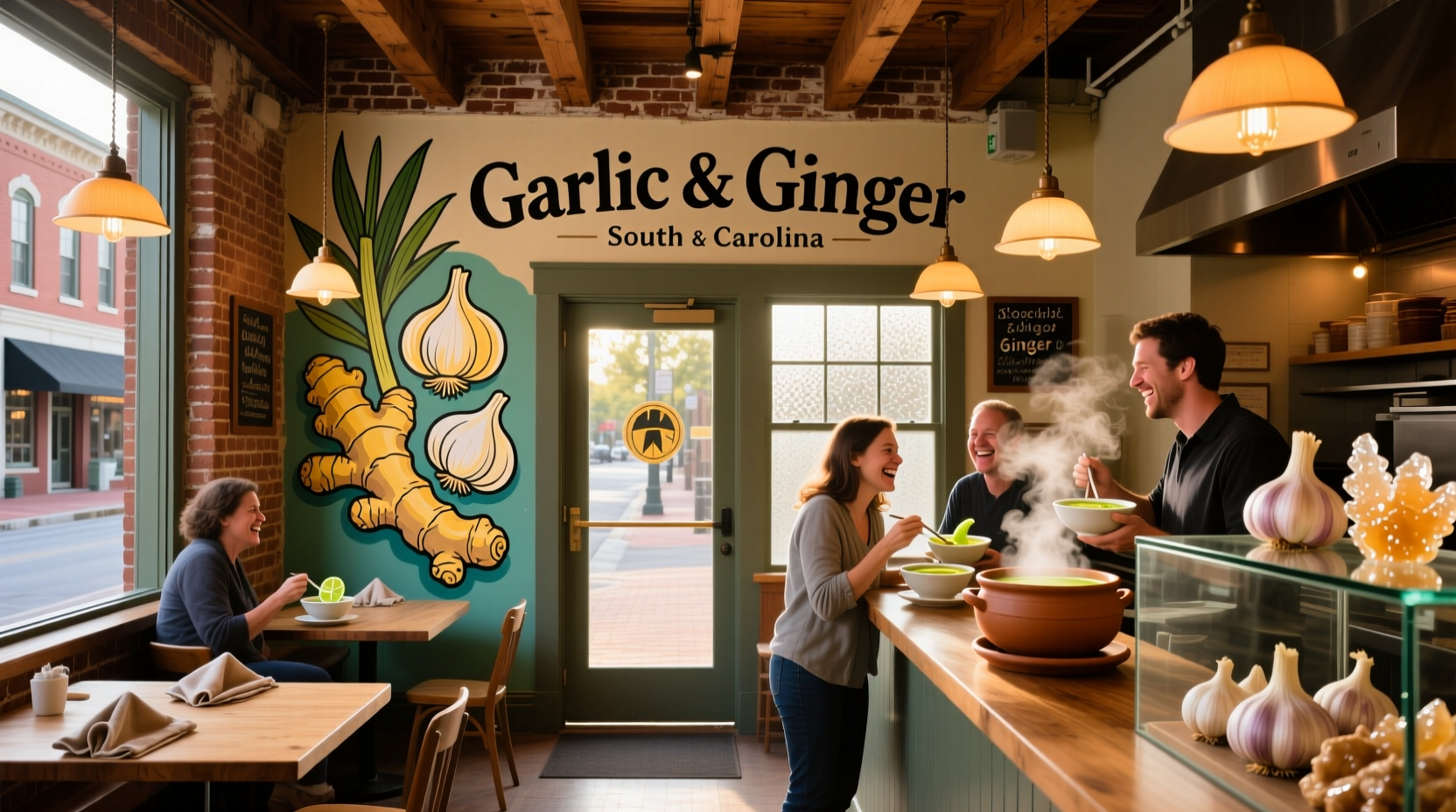
Garlic and Ginger Restaurant is a locally owned and operated establishment specializing in Asian fusion cuisine, with strong emphasis on Chinese and Thai culinary techniques. Located in Spartanburg’s historic district, it occupies a modest storefront that belies the richness of the experience within. Opened in the early 2000s, the restaurant has cultivated a loyal following through word-of-mouth praise, consistent quality, and a balance between traditional recipes and accessible adaptations for American palates.
The term “Asian fusion” can often be vague, but at Garlic and Ginger, it translates into a deliberate blending of regional styles—Szechuan heat meets Thai herbal nuance, Cantonese wok mastery blends with modern plating sensibilities. Dishes like Mongolian beef, pad thai, kung pao chicken, and vegetable lo mein appear familiar at first glance, yet each carries subtle refinements: better sauce viscosity, balanced sweetness, controlled spice levels, and generous use of fresh aromatics.
Chef-driven though it may be, the restaurant maintains a casual, approachable atmosphere. There's no pretense—just well-executed food served promptly, whether enjoyed in-house, taken out, or delivered. The menu features appetizers such as potstickers, spring rolls, and crab rangoon; entrees spanning noodle bowls, rice plates, and sautéed specialties; and vegetarian-friendly options that don't sacrifice flavor for dietary compliance.
Key Characteristics of the Cuisine
The success of Garlic and Ginger lies in its adherence to core principles of Asian cookery, particularly regarding ingredient integrity and technique. Below are the defining characteristics that shape its culinary identity:
| Characteristic | Description |
|---|---|
| Flavor Profile | Bold, savory, and aromatic with layers of umami, mild sweetness, and occasional heat. Sauces are carefully balanced—never overly salty or cloyingly sweet. |
| Aroma | Prominent notes of toasted garlic, fresh ginger, sesame oil, and green onions. The kitchen uses real ingredients, not powdered substitutes. |
| Color & Presentation | Vibrant and colorful—vegetables retain crispness and hue, proteins are evenly coated, and garnishes (like sliced scallions or crushed peanuts) add visual appeal. |
| Heat Level | Moderate to high on select dishes (e.g., Szechuan shrimp), but customizable. Many items are mild by default, allowing diners to adjust via chili oil or sauces. |
| Culinary Function | Dishes serve both comfort and sophistication—ideal for quick lunches, family dinners, or impressing guests without requiring fine-dining formality. |
| Shelf Life / Freshness | Ingredients are prepped daily. Takeout containers are designed for optimal carryout integrity, minimizing sogginess or separation. |
Practical Usage: How Garlic and Ginger Elevates Everyday Cooking
While Garlic and Ginger Restaurant serves finished dishes, understanding how its signature ingredients function can inspire home cooks to replicate aspects of its success. Both garlic and ginger play multifaceted roles in cooking—aromatic base layers, digestive aids, preservatives, and immune boosters—but they must be used correctly to achieve professional results.
In the restaurant’s kitchen, garlic is typically minced finely and added early in the cooking process to infuse oils, then supplemented later with fresh slices or crushed cloves for punch. Ginger follows a similar pattern: grated or julienned, it hits the wok just after garlic to avoid burning while releasing volatile oils. This two-stage aromatic build creates depth unmatched by single-addition methods.
For home application, consider this practical workflow when preparing stir-fries or noodle dishes inspired by Garlic and Ginger’s style:
- Heat neutral oil (like peanut or canola) in a wok or heavy skillet over medium-high heat.
- Add thinly sliced fresh ginger and minced garlic; sauté for 15–20 seconds until fragrant but not browned.
- Introduce protein (chicken, tofu, shrimp); sear quickly before removing temporarily.
- Add vegetables in order of density (carrots first, bell peppers last).
- Return protein to pan, pour in sauce (a mix of soy sauce, rice vinegar, brown sugar, and cornstarch slurry).
- Toss vigorously to coat, finish with a final sprinkle of raw minced garlic or microplaned ginger for brightness.
Pro Tip: Never cook garlic and ginger longer than 30 seconds at high heat—they burn easily, turning bitter. If using dried garlic powder or ground ginger, reduce quantity by half and add later in the process, as these forms lack freshness and react differently to heat.
At Garlic and Ginger Restaurant, sauces are made from scratch daily. Their house brown sauce—a staple across many entrees—is a reduction of soy sauce, hoisin, rice wine, garlic, ginger, and a touch of honey, simmered until glossy and cohesive. Home cooks can approximate this by combining equal parts low-sodium soy sauce and water, adding one tablespoon each of rice vinegar and honey, and thickening with a cornstarch slurry (1 tsp cornstarch + 1 tbsp cold water). Simmer for 3 minutes, stirring constantly.
Variants & Types: Forms of Garlic and Ginger Used
One reason Garlic and Ginger Restaurant maintains flavor consistency is its strict preference for fresh, whole ingredients. However, various forms of garlic and ginger exist, each suited to different applications. Understanding these variants helps explain why certain dishes taste superior when prepared with specific preparations.
Fresh Garlic
- Whole Bulbs: Used for roasting or infusing oils; less common in stir-fries due to slower release of flavor.
- Minced/Crushed: Ideal for even distribution in sauces and marinades. Releases allicin—the compound responsible for garlic’s sharpness—when cell walls are broken.
- Sliced or Julienned: Provides bursts of flavor throughout a dish; often used as a garnish in finished plates.
Processed Garlic
- Pre-Minced (Jarred): Convenient but preserved in citric acid or vinegar, altering flavor. Best reserved for soups or stews where subtlety matters less.
- Granulated/Powdered: Lacks complexity and heat; useful only when fresh garlic isn’t available. Use sparingly—one-quarter teaspoon ≈ one clove.
Fresh Ginger
- Rhizome (Root): Preferred form. Young ginger is tender and juicy; mature ginger is fibrous and potent. Peeled and grated or julienned.
- Microplaned: Delivers maximum surface area and integration into sauces or dressings.
Processed Ginger
- Ground Ginger: Dried and powdered. Less bright, more earthy-sweet. Common in baked goods, not ideal for savory stir-fries.
- Candied/Glacéed: Sugar-preserved; used in desserts or as palate cleansers.
- Ginger Paste: Commercial pastes vary in quality. Some contain stabilizers. Acceptable for busy kitchens if refrigerated and used quickly.
Garlic and Ginger Restaurant exclusively uses fresh minced garlic and peeled, grated ginger root. This choice ensures clarity of flavor and avoids the metallic aftertaste sometimes associated with jarred alternatives.
Comparison with Similar Ingredients
Though garlic and ginger are staples, they are often confused with or substituted for other pungent ingredients. Knowing the differences enhances both appreciation and replication of the restaurant’s style.
| Ingredient | Similarity to Garlic/Ginger | Key Differences |
|---|---|---|
| Onion/Scallion | Also part of the aromatic trinity in many cuisines. | Softer, sweeter profile; lacks the sharp bite of garlic or zing of ginger. Often used in larger quantities. |
| Galangal | Frequently mistaken for ginger; common in Thai cuisine. | Harder texture, pine-like aroma, less sweet. Not interchangeable in non-Thai dishes. |
| Horseradish/Wasabi | Shares pungency and sinus-clearing effect. | Heat is fleeting and nasal-focused, unlike garlic’s lingering warmth or ginger’s sustained spiciness. |
| Black Garlic | Fermented form of regular garlic. | Sweet, molasses-like, with umami depth. Used as a condiment, not a base aromatic. |
\"Many restaurants shortcut with powders or jarred pastes, but we believe the soul of our food starts with what we put in the wok first—fresh garlic, fresh ginger, nothing else.\" — Head Chef, Garlic and Ginger Restaurant (anonymous interview, 2023)
Practical Tips & FAQs
How spicy are the dishes at Garlic and Ginger?
Spice levels vary by dish. Items labeled “Szechuan” or “spicy garlic” pack noticeable heat from dried chilies and chili oil, while others like lemon chicken or vegetable lo mein are mild. Customers can request adjustments—many servers will ask, “How much heat do you prefer?” upon ordering.
Do they offer gluten-free options?
Yes. While soy sauce contains wheat, the restaurant offers tamari upon request for most dishes. Rice noodles and steamed rice are naturally gluten-free. Cross-contamination is possible in a shared kitchen, so those with severe allergies should inform staff.
Can I recreate their takeout experience at home?
Partially. The key challenges are high-BTU wok heat and precise timing. At home, use the highest heat your stove allows, work in small batches, and ensure all ingredients are prepped before cooking begins (“mise en place”). Finish with a splash of toasted sesame oil for authenticity.
What are the most popular dishes?
- Orange Peel Chicken: Crispy battered chicken tossed in a tangy, slightly sweet citrus-based sauce with visible strips of orange zest.
- Thai Basil Beef: Thinly sliced flank steak with chili, garlic, and holy basil over jasmine rice.
- Vegetable Egg Foo Young: Fluffy omelet pancake filled with mushrooms, carrots, and bean sprouts, served with brown gravy.
- Garlic Ginger Shrimp: Large shrimp sautéed with copious amounts of fresh garlic and ginger, scallions, and a light soy glaze.
How should I store leftovers?
Refrigerate within two hours. Store components separately if possible (rice vs. sauce-heavy proteins). Reheat in a skillet over medium heat to restore texture; microwaving softens vegetables and makes proteins rubbery.
Is Garlic and Ginger Restaurant sustainable or eco-conscious?
The restaurant uses recyclable packaging for takeout, avoids Styrofoam, and sources produce locally when feasible. They do not currently advertise organic certification, but customer feedback suggests attention to ingredient quality.
Do they cater events?
Yes. Garlic and Ginger offers full catering services for weddings, office luncheons, and private parties. Minimum orders apply, and menus can be customized. Advance notice (3–7 days) is recommended.
Checklist: Ordering Like a Pro at Garlic and Ginger
- Ask for sauce on the side if you plan to reheat later.
- Request extra garlic if you love bold flavor (most chefs oblige).
- Substitute brown rice for white at no additional cost.
- Try the lunch combo specials—great value with soup, egg roll, and entrée.
- Bring your own container for dine-in to reduce waste.
Summary & Key Takeaways
Garlic and Ginger Restaurant in Spartanburg stands as a model of how authenticity, consistency, and respect for foundational ingredients can elevate a local business into a community institution. Its namesake components—garlic and ginger—are not marketing slogans but culinary cornerstones, treated with the reverence they deserve in global gastronomy.
The restaurant excels by balancing tradition with accessibility, offering dishes that feel both exciting and familiar. Its commitment to fresh preparation, thoughtful seasoning, and customer service has allowed it to thrive amid changing food trends. For diners, it represents reliable quality; for aspiring cooks, it offers a masterclass in aromatic layering and sauce balance.
Understanding the role of garlic and ginger—from their chemical contributions to flavor development to their functional benefits in digestion and preservation—adds depth to every bite. Whether enjoying a plate of kung pao chicken at the table or attempting a homemade version in the kitchen, the principles remain the same: start with fresh ingredients, respect timing and temperature, and let bold aromatics lead the way.
Visit Garlic and Ginger Restaurant in Spartanburg today—discover why a simple combination of two ingredients can define a dining experience.