When executed well, crispy wings with honey garlic glaze represent the perfect balance of texture and flavor: shatteringly crisp on the outside, juicy within, and finished with a glossy, aromatic sauce that clings to every crevice. This dish is a staple at gastropubs, Asian-inspired restaurants, and weekend gatherings for good reason—it’s universally appealing, deeply satisfying, and surprisingly simple to make at home with the right technique. Achieving true crispness without frying, building depth in the glaze, and timing the components correctly are the keys to elevating this popular recipe from average to exceptional.
The honey garlic wing straddles culinary traditions, drawing influence from Chinese-American cuisine while resonating with Western palates accustomed to bold, sticky sauces. It’s not simply a matter of tossing cooked wings in a sweet mixture—true quality lies in layering flavors, controlling moisture, and understanding how heat transforms both skin and sauce. Whether you’re cooking for a game-day spread or refining your home-cooking repertoire, mastering this dish offers transferable skills in browning, emulsification, and sauce adhesion.
Definition & Overview
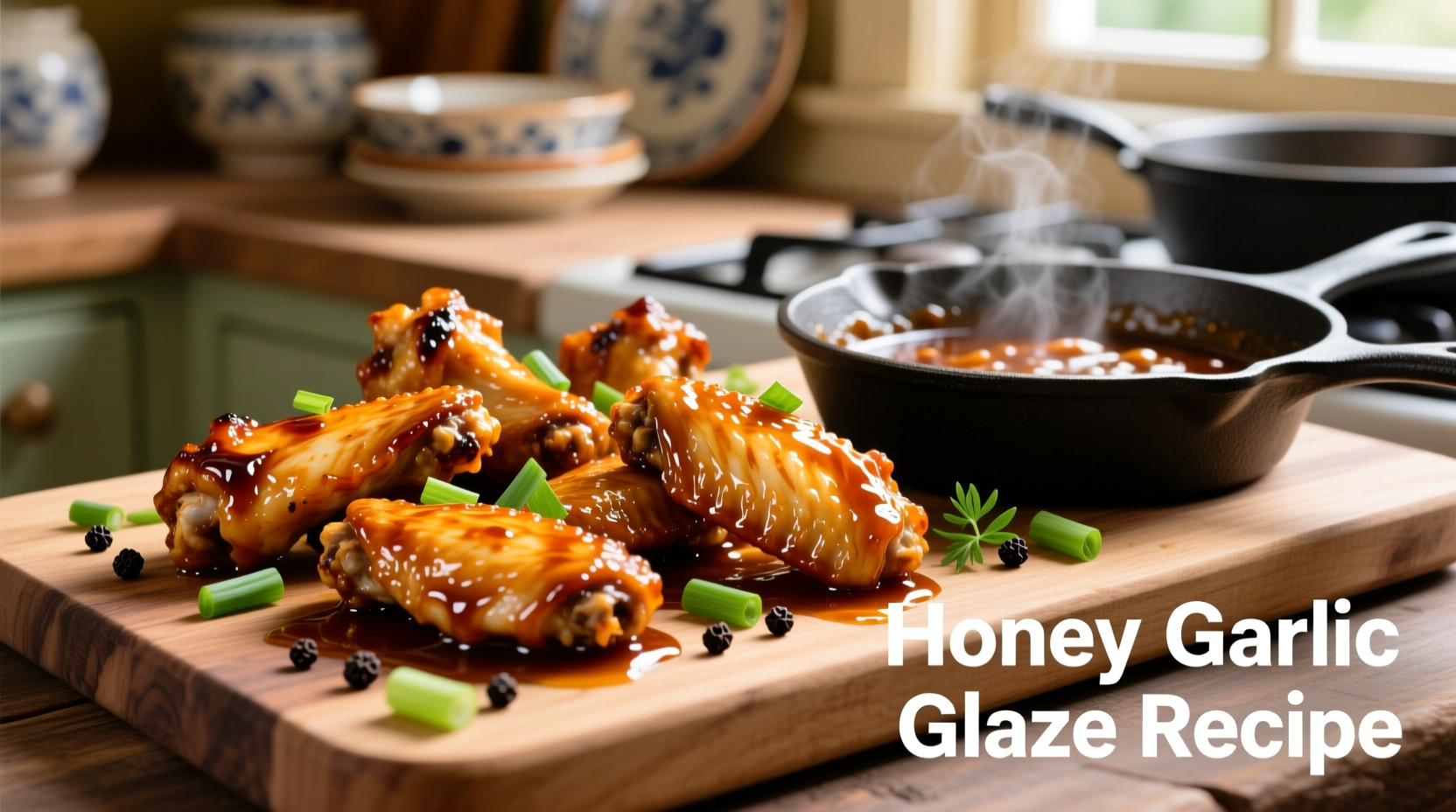
Crispy wings with honey garlic glaze are chicken wings—typically separated into drumettes and flats—that have been roasted, fried, or air-fried until deeply browned and crisp, then tossed in a reduction of honey, garlic, soy sauce, vinegar, and aromatics. The result is a glossy, amber-colored coating that balances sweetness with umami and acidity, adhering firmly to the textured surface of the wing.
This preparation sits at the intersection of American bar food and pan-Asian flavor profiles. While not a traditional dish in any single regional cuisine, it evolved in North American Chinese restaurants and sports bars during the late 20th century as part of the broader trend toward fusion appetizers. The honey garlic variation distinguishes itself from similar options like buffalo or teriyaki by emphasizing a rounded sweetness tempered with salt and tang, avoiding the heat of chili or the smokiness of barbecue.
The dish functions equally well as an appetizer, shareable snack, or even a protein-forward main when served over rice or noodles. Its appeal lies in its sensory contrast: audible crunch upon first bite, followed by the yielding tenderness of meat, all underscored by a fragrant, slightly sticky glaze that coats the fingers—a feature many diners secretly enjoy.
Key Characteristics
| Attribute | Description |
|---|---|
| Flavor Profile | Sweet, savory, mildly tangy, with pronounced garlic aroma and umami depth from soy or fish sauce. |
| Texture | Crackling crisp exterior; tender, juicy interior; glaze should be sticky but not gloppy. |
| Aroma | Roasted garlic, warm honey, toasted sesame (if used), and caramelized soy notes. |
| Color | Deep golden-brown wings with a translucent, amber-hued glaze. |
| Heat Level | Mild to none; can be adjusted with red pepper flakes or sriracha if desired. |
| Culinary Function | Appetizer, shareable, finger food, or protein component in grain bowls. |
| Shelf Life | Best served immediately; leftovers keep refrigerated up to 3 days but lose crispness. |
Practical Usage: How to Make Perfect Crispy Wings with Honey Garlic Glaze
The success of this dish hinges on two distinct phases: achieving maximum crispness in the wings, and crafting a glaze that adheres without steaming the skin. These stages must be managed separately and combined at the last moment.
Phase 1: Preparing the Wings for Maximum Crispness
Start with fresh or fully thawed chicken wings. Pat them *extremely* dry with paper towels—moisture is the enemy of browning. For even better results, place the wings on a wire rack set over a tray and refrigerate uncovered for 4–12 hours. This “dry-brining” step draws out residual moisture and firms the skin, promoting superior crisping.
Toss the wings lightly in baking powder (aluminum-free)—about 1 teaspoon per pound. Yes, baking powder, not baking soda. The alkaline nature raises the pH of the skin, accelerating Maillard browning and creating a crunch akin to deep frying, even when roasted. Avoid flour or cornstarch unless frying, as they can create a pasty texture when combined with wet glaze.
Arrange the wings in a single layer on a wire rack placed over a baking sheet. Roast at 425°F (220°C) for 40–50 minutes, flipping halfway through, until golden brown and registering 165°F (74°C) internally. Alternatively, fry in oil at 375°F (190°C) for 9–11 minutes, or air-fry at 400°F (200°C) for 22–26 minutes, shaking the basket once.
Pro Tip: For extra-crisp results, increase oven temperature to broil for the final 2–3 minutes, watching closely to prevent burning. The goal is deep golden color, not blackened edges.
Phase 2: Building the Honey Garlic Glaze
While the wings roast, prepare the glaze. A balanced ratio ensures flavor complexity without cloying sweetness.
- Sauté Aromatics: In a medium saucepan, heat 1 tablespoon neutral oil over medium heat. Add 6–8 finely minced garlic cloves and cook gently for 1–2 minutes until fragrant but not browned—burnt garlic turns bitter.
- Add Liquids: Stir in ½ cup honey, ¼ cup low-sodium soy sauce, 2 tablespoons rice vinegar, 1 tablespoon water, and optionally 1 teaspoon grated fresh ginger. Whisk thoroughly.
- Reduce: Bring to a simmer and cook for 6–8 minutes, stirring occasionally, until the mixture thickens to a syrupy consistency that coats the back of a spoon. Over-thickening leads to a gummy texture; under-reduction causes pooling.
- Optional Enhancements: Finish with 1 teaspoon toasted sesame oil for depth, or a pinch of red pepper flakes for subtle heat. Some chefs add 1 teaspoon cornstarch slurry (cornstarch + cold water) near the end to stabilize viscosity.
Phase 3: Combining Wings and Glaze
Transfer the hot, crisp wings to a large stainless steel or glass bowl. Pour the warm glaze over them in two additions, tossing gently with tongs to coat evenly. The residual heat helps the glaze adhere without softening the skin excessively. Work quickly and serve immediately.
Do not attempt to glaze wings directly in the saucepan—this traps steam and ruins crispness. Tossing in a room-temperature bowl preserves texture far better than using a hot container.
Variants & Types
While the classic version remains dominant, several variations adapt the dish to different dietary needs, flavor preferences, or cooking methods.
- Baked Crispy Version: Uses baking powder and high-heat roasting. Ideal for health-conscious cooks seeking lower fat content without sacrificing crunch.
- Fried Classic: Deep-fried wings offer the most traditional texture—ultra-crisp with a blistered surface ideal for glaze adherence. Common in restaurants.
- Air-Fryer Light: Faster and less messy than frying, producing decent crispness with minimal oil. Best for small batches.
- Honey Substitute Versions: Maple syrup, agave nectar, or date syrup can replace honey for vegan adaptations, though flavor shifts slightly. Note: these lack honey’s natural enzymes that contribute to sheen.
- Soy-Free Option: Replace soy sauce with coconut aminos or tamari (if gluten is not a concern). Reduces sodium and avoids allergens.
- Extra-Savory Umami Boost: Add 1 teaspoon fish sauce or ½ tablespoon oyster sauce to the glaze for deeper complexity—undetectable as fishy, but enhances savoriness.
Comparison with Similar Ingredients & Dishes
The honey garlic wing is often confused with other glazed poultry dishes. Understanding distinctions ensures proper technique and expectation.
| Dish | Key Differences | Best Use Case |
|---|---|---|
| Teriyaki Wings | Uses mirin and sake; sweeter, thinner glaze; often includes more sugar; may be brushed during cooking. | Japanese-inspired meals, bento boxes, lighter flavor profile. |
| Buffalo Wings | Hot sauce and butter base; tangy, spicy, no sweetness; served without glaze adherence. | Game day, spice lovers, paired with blue cheese dip. |
| General Tso’s Chicken | Battered, deep-fried pieces; spicier, more complex sauce with dried chilies; often includes vegetables. | Restaurant-style takeout, heartier entree format. |
| Orange Chicken | Citrus-forward, bright acidity; uses orange zest and juice; less garlic, more sweetness. | Takeout favorite, family-friendly, pairs well with broccoli. |
| BBQ Wings | Smoky, tomato-based; often molasses-heavy; applied earlier in cooking or baked on. | Summer grilling, Southern-style menus, picnic fare. |
The defining trait of honey garlic wings is their emphasis on garlic and pure honey sweetness, moderated by soy and acid. Unlike General Tso’s or orange chicken, it does not rely on batter or citrus, making it simpler to replicate at home with pantry staples.
Practical Tips & FAQs
How do I keep the wings crispy after adding the glaze?
The key is tossing hot wings with warm glaze in a cool, dry bowl. Avoid covering or stacking. Serve immediately. If holding, keep unglazed wings warm in a 200°F (95°C) oven and glaze just before serving.
Can I make the glaze ahead of time?
Yes. Prepare the glaze up to 3 days in advance and store in an airtight container in the refrigerator. Reheat gently over low heat, adding a splash of water if too thick. Do not freeze—honey separates upon thawing.
Are baking powder and baking soda interchangeable here?
No. Baking soda (sodium bicarbonate) is too alkaline and can leave a metallic taste. Baking powder contains both an acid and base, creating a balanced reaction that crisps without off-flavors. Use aluminum-free baking powder for best results.
What’s the best way to cut whole wings?
Use kitchen shears to cut between the drumette, flat (wingette), and tip. Locate the joint connecting each segment and apply firm pressure straight down. Discard tips or save for stock.
Can I use frozen pre-cooked wings?
Possible, but not recommended. Pre-cooked wings often have compromised skin integrity and added phosphates that repel sauce. Fresh or raw frozen-thawed wings yield superior texture and flavor absorption.
Is honey garlic sauce gluten-free?
Only if made with gluten-free soy sauce (tamari or coconut aminos). Regular soy sauce contains wheat. Always check labels if serving gluten-sensitive guests.
How can I add more depth without increasing sweetness?
Incorporate umami-rich ingredients: 1 teaspoon fish sauce, ½ tablespoon miso paste, or a few drops of liquid smoke. These enhance complexity without perceptible flavor dominance.
Expert Insight: “The mistake most home cooks make is treating the glaze like a dip. Sauce should be a veneer, not a flood. You should still see the texture of the wing beneath.” — Chef Elena Park, former R&D lead at Urban Wing Co.
Summary & Key Takeaways
Crispy wings with honey garlic glaze are more than a crowd-pleasing appetizer—they exemplify fundamental cooking principles: moisture control, browning science, and sauce emulsion. To achieve restaurant-quality results at home:
- Dry the wings thoroughly and consider an overnight chill for optimal crispness.
- Use aluminum-free baking powder to enhance browning without altering flavor.
- Cook wings to full crispness before introducing any liquid element.
- Simmer the glaze to proper nappe consistency—it should coat, not drip.
- Toss hot wings with warm glaze in a cool bowl, never in the saucepan.
- Serve immediately to preserve textural contrast.
Variations exist for dietary needs and equipment availability, but the core technique remains unchanged: separate the processes of crisping and saucing, then unite them at the final moment. With attention to detail, this dish transcends its casual reputation and becomes a benchmark of skilled home cooking.
Master this recipe, and you’ll not only impress guests—you’ll understand the mechanics of great texture and balanced flavor in modern American cuisine.