Garlic is a kitchen staple celebrated for its pungent aroma, bold flavor, and antimicrobial properties. Yet, paradoxically, under certain conditions, this humble bulb can become a vector for one of the most dangerous foodborne illnesses: botulism. While rare, cases of garlic-related botulism have occurred—not because garlic inherently contains the toxin, but due to how it’s stored or prepared. The culprit is Clostridium botulinum, a spore-forming bacterium that thrives in low-oxygen (anaerobic), low-acid environments—conditions sometimes created when garlic is improperly preserved at home. Understanding these risks isn’t about fear; it’s about informed practice. For home cooks, chefs, and anyone making infused oils, fermented garlic, or refrigerator pickles, knowing how to handle garlic safely is critical.
Understanding Botulism and Its Connection to Garlic
Botulism is a severe neuroparalytic illness caused by a potent neurotoxin produced by Clostridium botulinum. The bacteria are naturally present in soil and water, and their spores are highly resistant to heat, drying, and many disinfectants. While cooking typically destroys the toxin, the spores themselves can survive boiling temperatures (100°C/212°F) unless subjected to prolonged high-pressure canning.
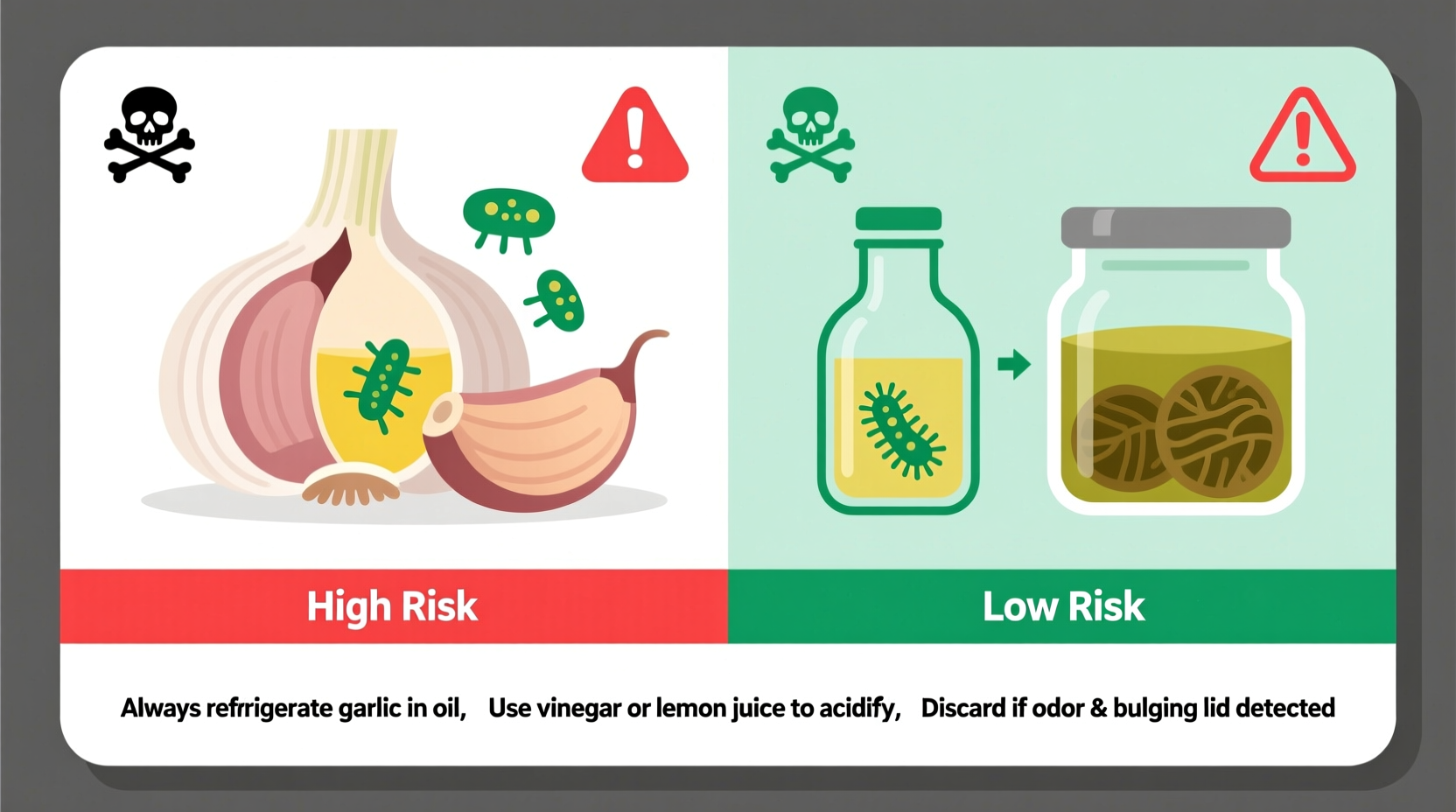
Garlic itself does not produce botulinum toxin. However, fresh garlic can carry C. botulinum spores on its surface from contact with soil during harvesting. When garlic is submerged in oil or stored in an oxygen-deprived environment without proper acidification or refrigeration, those spores can germinate, grow, and produce the deadly toxin.
The danger arises primarily in homemade preparations such as garlic-infused oils, fermented garlic honey, or improperly canned garlic. These create the perfect storm: low acidity, no oxygen, and ambient temperature—ideal conditions for bacterial proliferation.
“Fresh garlic is not sterile. It comes from the ground, and like many root vegetables, it can harbor dormant spores. The risk isn’t in eating raw garlic—it’s in storing it in ways that allow those spores to activate.” — Dr. Laura Mitchell, Food Microbiologist, UC Davis
How Garlic-Infused Oils Pose a Risk
One of the most common sources of garlic-related botulism is homemade garlic-infused oil. Unlike commercial versions, which are acidified and pasteurized, DIY versions often involve placing peeled garlic cloves directly into olive oil and letting them steep at room temperature.
Olive oil creates an anaerobic environment—meaning no oxygen is available. In this setting, if spores are present and the mixture is kept above refrigeration temperatures (above 4°C/40°F), C. botulinum can begin producing toxin within days. Because the oil traps gases and masks spoilage, there may be no visible signs—no off smell, bubbling, or discoloration—to warn consumers.
In 1989, a botulism outbreak in California was traced back to a garlic-in-oil mixture used in a restaurant aioli. Three people were hospitalized. Since then, regulatory agencies including the FDA and USDA have issued clear warnings against storing garlic in oil at room temperature.
TIP: If you make garlic-infused oil, do so in small batches, store it in the refrigerator, and use it within 4 days. Never leave garlic submerged in oil at room temperature for more than 2 hours.
Key Characteristics of Garlic Relevant to Food Safety
- Natural Origin: Grown in soil, often carrying microbial spores including C. botulinum.
- pH Level: Approximately 5.3–6.3, which is low-acid (acidic enough to slow some bacteria, but not sufficient to prevent C. botulinum growth).
- Moisture Content: High in fresh form, creating favorable conditions for microbial activity.
- Form Used in Risk Scenarios: Typically peeled, chopped, or crushed cloves submerged in oil or syrup.
- Toxin Stability: Botulinum toxin is destroyed by boiling (85°C for 5+ minutes), but spores require pressure canning (116–121°C) to eliminate.
Safe vs. Unsafe Garlic Preparations: A Comparison
| Preparation Method | Botulism Risk | Why? | Safety Recommendation |
|---|---|---|---|
| Fresh raw garlic (eaten immediately) | Very Low | No anaerobic environment; spores remain dormant. | Safe to consume as-is. |
| Garlic cooked thoroughly (roasted, sautéed) | Low | Heat destroys toxin; moisture reduced. | Safe if consumed promptly or refrigerated. |
| Homemade garlic-in-oil (room temp) | High | Creates anaerobic, low-acid environment ideal for spore germination. | Never store at room temperature. Refrigerate and use within 4 days. |
| Commercially bottled garlic-in-oil | Very Low | Acidified (vinegar added), pasteurized, preservatives included. | Safe unopened; follow label instructions after opening. |
| Refrigerator-pickled garlic (with vinegar) | Low | Adequate acidity (pH <4.6) inhibits C. botulinum. | Store in fridge; use within 3–4 weeks. |
| Fermented garlic honey | Moderate to High | Honey lacks acidity; garlic adds moisture and potential spores. Fermentation may not lower pH quickly enough. | Refrigerate, use within 1 week, or ensure proper acidification. |
| Pressure-canned garlic | Very Low | Proper canning reaches temperatures that destroy spores. | Only attempt with tested recipes and equipment. |
Variants and Forms of Garlic: Which Are Riskier?
Garlic comes in multiple forms, each with different implications for safety and shelf life:
1. Fresh Garlic (Bulbs and Cloves)
The most common form. Whole bulbs can be stored for months in cool, dry, dark conditions. Once peeled or damaged, moisture exposure increases microbial risk. Peeled cloves stored in water or oil without refrigeration are hazardous.
2. Minced or Jarred Garlic (Refrigerated)
Sold in jars in the refrigerated section, these contain citric acid or other preservatives to maintain safety. They are safe when kept cold and used before expiration. Do not transfer to oil or leave out at room temperature.
3. Dried Garlic (Powder, Granules, Flakes)
Dehydrated forms have negligible moisture, making them microbiologically stable. No botulism risk. Ideal for long-term storage and spice blends.
4. Black Garlic
Aged through controlled fermentation (heat and humidity), black garlic has a sweet, umami-rich profile. The process lowers pH and reduces moisture. Commercially produced black garlic is safe. Homemade versions must replicate precise conditions to avoid pathogen growth.
5. Garlic-Infused Oils (Homemade vs. Commercial)
As previously discussed, homemade versions without acidification or refrigeration pose significant risks. Commercial products are formulated with acetic acid (vinegar) to lower pH below 4.6—the threshold at which C. botulinum cannot grow.
TIP: Always check labels on store-bought garlic-in-oil products. Look for ingredients like “vinegar,” “citric acid,” or “acetic acid” as indicators of safe formulation.
Safe Practices for Handling and Storing Garlic
Preventing botulism starts with understanding how to handle garlic correctly across different applications. Follow these evidence-based guidelines:
1. Refrigerate Garlic-in-Oil Mixtures Immediately
If you prepare garlic in oil—even for immediate cooking—do not leave it at room temperature. Store leftovers in the refrigerator and consume within 4 days. Label the container with the date.
2. Acidify When Preserving
To safely preserve garlic, lower the pH using vinegar (typically 5% acetic acid). A standard refrigerator pickle recipe uses a 1:1 ratio of vinegar to water, plus salt and optional spices. This prevents C. botulinum growth.
3. Use Clean Equipment and Hands
Always wash hands, cutting boards, and utensils before handling garlic. Though spores are hard to eliminate entirely, minimizing cross-contamination reduces overall risk.
4. Avoid Room-Temperature Fermentations with Garlic and Oil
Recipes like “fermented garlic honey” have gained popularity online, but they are risky. Honey does not inhibit C. botulinum (infant botulism is linked to raw honey), and adding moist garlic creates danger. If attempting such a ferment, refrigerate throughout and limit storage to 7 days.
5. Pressure Can Low-Acid Foods Properly
If you’re preserving garlic in cans or jars for shelf-stable storage, only use a pressure canner—not a water bath. The USDA recommends processing pint jars of garlic at 10 pounds of pressure for 40 minutes (adjust for altitude). This ensures internal temperatures exceed 116°C (240°F), destroying spores.
6. Discard Suspicious Preparations
If a garlic-in-oil mixture has been left out overnight, or if a jar shows bulging lids, spurting liquid, cloudiness, or foul odor upon opening—discard it immediately. Do not taste. Botulinum toxin is odorless and tasteless.
Common Misconceptions About Garlic and Botulism
Several myths persist about garlic safety. Debunking them is essential for public health.
- Myth: “Garlic kills bacteria, so it can’t cause botulism.”
Fact: While garlic has natural antimicrobial compounds (like allicin), they do not reliably kill C. botulinum spores or prevent toxin production in anaerobic environments. - Myth: “If I add salt or lemon juice, it’s safe.”
Fact: Lemon juice helps only if it sufficiently lowers pH (<4.6). A few drops won’t suffice. Use a calibrated pH meter or trusted recipe. - Myth: “I’ve made garlic oil for years and never got sick.”
Fact: Absence of illness doesn’t imply safety. Botulism is rare but often severe. Risk accumulates over time. - Myth: “Storing garlic in wine or alcohol prevents botulism.”
Fact: Alcohol concentrations below 20% do not inhibit C. botulinum. Wine (typically 12–14%) offers no protection.
Case Study: The 1989 California Botulism Outbreak
In 1989, three patrons of a Los Angeles restaurant developed botulism after consuming a garlic-and-olive-oil spread served with bread. All required hospitalization; one needed mechanical ventilation. Investigation revealed that the chef had prepared a large batch of garlic-in-oil two days prior and stored it at room temperature. The mixture was not acidified, and no refrigeration was used.
This incident led to revised FDA guidelines prohibiting the room-temperature storage of garlic-in-oil mixtures in commercial kitchens. It also spurred the development of safer commercial formulations and greater public awareness.
Practical Tips & FAQs
Q: Can roasted garlic cause botulism?
A: Roasted garlic is generally safe because the cooking process destroys any existing toxin. However, if roasted garlic is then stored in oil at room temperature, the risk returns. Always refrigerate leftover roasted garlic, especially if oil is present.
Q: Is garlic powder safe?
A: Yes. Dehydrated garlic has no moisture, so microbial growth—including C. botulinum—is impossible. Store in a cool, dry place away from light.
Q: How long can I keep homemade garlic paste in the fridge?
A: Fresh garlic paste (garlic + minimal oil or water) should be used within 5–7 days when refrigerated in a sealed container. For longer storage, freeze in ice cube trays.
Q: Can I freeze garlic in oil?
A: Yes. Freezing halts microbial activity. Freeze garlic-in-oil in portion-sized cubes for cooking. Thaw in the refrigerator or add directly to hot dishes. Never thaw at room temperature.
Q: What’s the safest way to make flavored oil at home?
A: Use dried herbs and fully dehydrated garlic. Fresh ingredients introduce moisture and spores. Alternatively, infuse oil briefly with fresh garlic while heating (never simmering), then strain and refrigerate. Use within 4 days.
Q: Does vinegar prevent botulism in garlic?
A: Yes, when used correctly. Vinegar lowers pH below 4.6, creating an inhospitable environment for C. botulinum. Use distilled white vinegar (5% acidity) in a tested ratio—typically equal parts vinegar and water for pickling.
Q: Can I safely can garlic using a water bath?
A: No. Garlic is a low-acid food (pH >4.6). Water bath canning does not reach high enough temperatures to destroy spores. Only pressure canning is safe for shelf-stable garlic preservation.
Summary & Key Takeaways
Garlic does not cause botulism on its own—but improper handling can turn it into a vehicle for Clostridium botulinum toxin. The key risks arise in anaerobic, low-acid environments such as garlic-in-oil stored at room temperature. Commercial products are generally safe due to acidification and processing standards, but homemade versions require strict precautions.
To protect yourself and others:
- Never store fresh garlic in oil at room temperature.
- Refrigerate all homemade garlic-infused preparations and use within 4 days.
- Use vinegar or citric acid to pickle garlic safely.
- Freeze garlic-in-oil for longer storage.
- Only pressure-can garlic for shelf stability—never use a water bath.
- Discard any preparation suspected of contamination—when in doubt, throw it out.
Final Advice: Enjoy garlic freely—as a seasoning, condiment, or ingredient—but respect its microbial potential. Safe practices ensure this culinary treasure remains a delight, not a danger.