Different Types of Butterfly Bowls
Butterfly bowls—often affectionately called "butterfruit bowls"—are cherished for their elegant designs and functional versatility. Featuring delicate butterfly motifs, these bowls blend artistry with practicality, making them ideal for everyday dining, special occasions, or decorative display. Crafted from a variety of materials, each type offers unique benefits in terms of durability, aesthetics, and sustainability. Below is a comprehensive guide to the most popular types of butterfly bowls available today.
Butterfly Ceramic Bowl
Made from high-fired ceramic, these bowls are both durable and stylish, suitable for daily use or formal dining settings.
Advantages
- Sturdy and long-lasting
- Vibrant, fade-resistant designs
- Microwave and dishwasher safe
- Elegant appearance enhances table settings
Limitations
- Potentially breakable if dropped
- Heavier than plastic or melamine
- Not ideal for outdoor use
Best for: Indoor dining, family meals, serving salads, fruits, and appetizers
Butterfly Melamine Bowl
Constructed from durable melamine resin, a shatter-resistant plastic, these bowls are perfect for casual and outdoor use.
Advantages
- Extremely lightweight and portable
- Break-resistant and child-safe
- Ideal for outdoor events and picnics
- Easy to clean and maintain
Limitations
- Not microwave-safe
- May scratch or fade over time
- Less eco-friendly than natural materials
Best for: Outdoor gatherings, children's meals, poolside dining, and casual entertaining
Butterfly Bamboo Bowl
Fashioned from sustainably harvested bamboo, these eco-conscious bowls combine natural beauty with environmental responsibility.
Advantages
- Biodegradable and renewable material
- Lightweight with a warm, organic texture
- Naturally antibacterial properties
- Compostable at end of life cycle
Limitations
- Not dishwasher-safe (hand wash recommended)
- Can warp if soaked in water
- Limited heat resistance
Best for: Eco-friendly dining, serving bread, fruit, or snacks; sustainable living enthusiasts
Butterfly Glass Bowl
Crafted from clear or colored glass, often with etched or painted butterfly designs, these bowls serve both functional and decorative purposes.
Advantages
- Transparency showcases food beautifully
- Resistant to stains and odors
- Dishwasher and microwave safe
- Double as elegant centerpieces or decor
Limitations
- Fragile—can break if dropped
- Heavier than plastic alternatives
- May show fingerprints or water spots
Best for: Formal events, fruit displays, decorative storage, and centerpiece arrangements
Butterfly Wooden Bowl
Hand-carved from premium hardwoods like oak, walnut, or acacia, these bowls feature intricate butterfly inlays or carvings, making each piece a unique work of art.
Advantages
- Unique, artisan-crafted appearance
- Durable and long-lasting with proper care
- Adds warmth and natural elegance to interiors
- Can be passed down as heirlooms
Limitations
- Requires regular oiling to prevent drying
- Not dishwasher-safe
- Higher cost due to craftsmanship
Best for: Centerpieces, artisanal home decor, special gifts, and serving dry foods
| Type | Durability | Eco-Friendliness | Best Use Case | Care Requirements |
|---|---|---|---|---|
| Butterfly Ceramic | High | Medium | Everyday or formal dining | Dishwasher safe, avoid thermal shock |
| Butterfly Melamine | Very High | Low | Outdoor/casual use | Hand or dishwasher wash, not microwave safe |
| Butterfly Bamboo | Medium | Very High | Eco-conscious households | Hand wash only, occasional oiling |
| Butterfly Glass | Medium | Medium | Decorative or serving | Dishwasher and microwave safe |
| Butterfly Wooden | High (with care) | High | Artisan decor or gifts | Hand wash, regular oiling needed |
Pro Tip: To extend the life of your butterfly bowls, avoid sudden temperature changes (especially for ceramic and glass), and store them carefully to protect delicate designs. For wooden and bamboo bowls, apply food-safe mineral oil every few months to maintain luster and prevent cracking.
Different Designs of Butterfruit Bowls: Styles, Materials & Uses
Butterfruit bowls are more than just functional kitchenware—they serve as artistic centerpieces that reflect personal taste and interior design aesthetics. Available in a wide range of styles, each butterfruit bowl design brings its own character, material composition, and purpose to the table. Whether you're decorating a modern apartment or a rustic farmhouse, there's a butterfruit bowl to match your vision. Below is a detailed exploration of the most popular butterfruit bowl designs, including their visual characteristics, ideal materials, and recommended uses.
1. Abstract Butterfruit Bowl
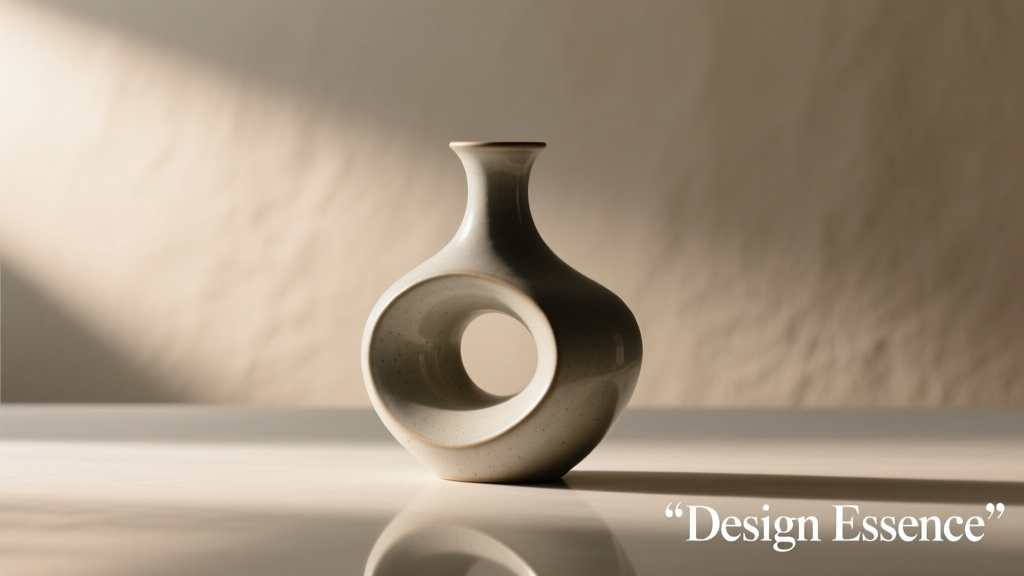
The abstract butterfruit bowl is a celebration of creativity and individuality, breaking away from traditional forms with irregular shapes, bold contours, and vibrant color combinations. These bowls often feature asymmetrical rims, fluid lines, and expressive glazes that mimic natural movement or emotional energy.
Made from high-fired ceramic or hand-blown glass, abstract bowls are designed to stand out. Their unpredictable patterns make them conversation starters, perfect for contemporary homes, art studios, or minimalist spaces where unique decor is valued. Because of their artistic nature, they’re often displayed even when not in use.
Best for: Modern interiors, art collectors, open-concept living rooms.
2. Geometric Butterfruit Bowl
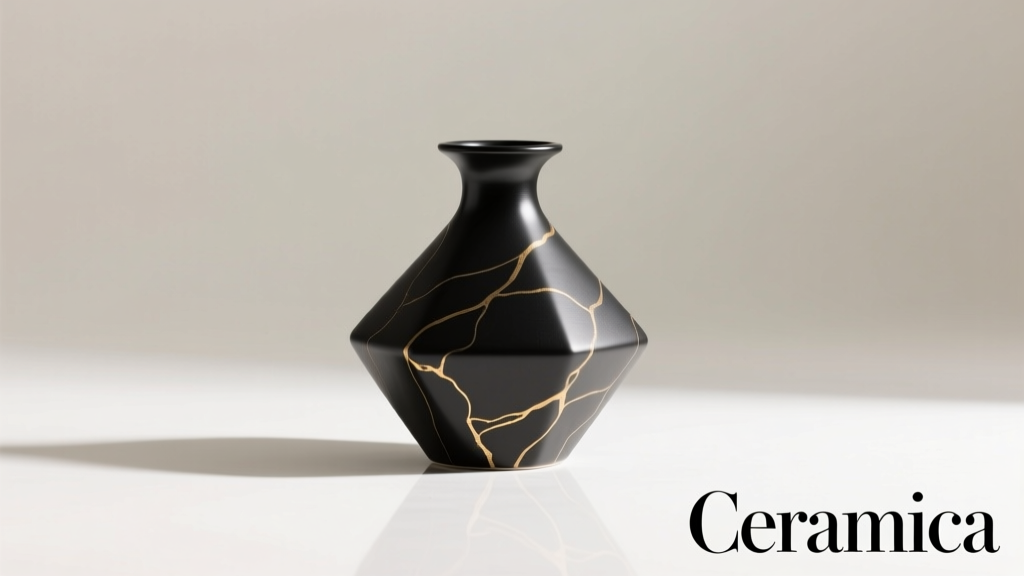
Geometric butterfruit bowls emphasize precision, symmetry, and clean architectural lines. Featuring repeating shapes such as hexagons, triangles, or interlocking polygons, these designs reflect a sense of order and balance. The structured patterns are often enhanced with metallic finishes or contrasting color blocks.
Commonly crafted from stainless steel, tempered glass, or engineered resin, geometric bowls align with minimalist and industrial design philosophies. They’re frequently used not only for serving fruit but also as decorative objects on dining tables or console tables.
Best for: Modern-minimalist kitchens, urban lofts, office spaces, and design-focused households.
3. Vintage Butterfruit Bowl
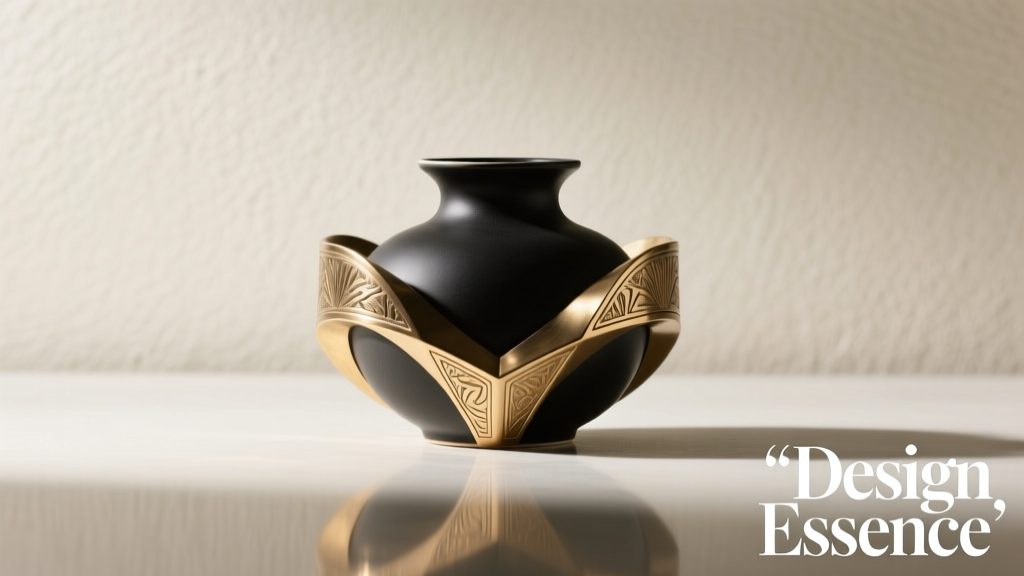
Vintage butterfruit bowls evoke nostalgia and elegance, drawing inspiration from 19th and early 20th-century craftsmanship. These bowls often feature intricate engravings, floral filigree, scalloped edges, and delicate gold or silver trim. Many are heirloom-quality pieces passed down through generations.
Typically made from fine porcelain, pressed glass, or antique silverplate, vintage-style bowls are prized for both function and beauty. They’re ideal for formal dining settings, holiday gatherings, or as part of a curated display cabinet. Reproduction vintage bowls are also widely available for those seeking classic charm without the fragility of true antiques.
Best for: Traditional homes, formal dinners, weddings, and collectors of antique-inspired decor.
4. Rustic Butterfruit Bowl
Rustic butterfruit bowls embrace natural imperfections and organic textures. Hand-carved from solid wood, quarried stone, or unglazed stoneware, these bowls showcase grain patterns, knots, and earthy tones that celebrate raw, untouched materials. Their handmade quality gives each piece a one-of-a-kind appearance.
Perfect for farmhouse kitchens, cottage-style homes, or eco-conscious spaces, rustic bowls add warmth and authenticity. They pair beautifully with linen napkins, mason jars, and reclaimed wood furniture. To preserve their integrity, wooden bowls should be regularly conditioned with food-safe oils.
Best for: Country kitchens, rustic weddings, natural-themed decor, and sustainable living enthusiasts.
5. Floral Butterfruit Bowl
Floral butterfruit bowls are adorned with hand-painted blossoms, transfer-printed petals, or etched botanical motifs. These designs range from soft pastel roses to bold tropical hibiscus, offering a romantic or cheerful touch to any setting. The floral patterns are often set against a white or cream background to enhance visibility.
Most commonly made from ceramic or porcelain, floral bowls are both functional and decorative. They’re especially popular for bridal showers, Mother’s Day gifts, spring brunches, and garden parties. Due to their ornate appearance, they’re often reserved for special occasions or used as decorative accents when not serving fruit.
Best for: Gift-giving, seasonal decor, weddings, and nature-inspired interiors.
| Design Style | Common Materials | Ideal Setting | Special Features |
|---|---|---|---|
| Abstract | Ceramic, Glass | Modern, Artistic Interiors | Unique shapes, bold colors, expressive forms |
| Geometric | Metal, Stacked Glass, Resin | Minimalist, Urban Spaces | Symmetry, angular patterns, sleek finishes |
| Vintage | Porcelain, Glass, Silverplate | Formal, Traditional Homes | Engravings, gold trim, heirloom appeal |
| Rustic | Wood, Stone, Stoneware | Farmhouse, Cottage Kitchens | Natural textures, handmade, earthy tones |
| Floral | Ceramic, Porcelain | Seasonal, Gift, Decorative Use | Painted flowers, elegant patterns, soft hues |
Tips for Choosing the Right Butterfruit Bowl
Note: When purchasing butterfruit bowls, especially handmade or imported ones, verify food safety standards and material durability. Avoid bowls with cracked glazes or toxic finishes if intended for regular fruit display. Proper care extends the life and beauty of your bowl, preserving both its function and aesthetic value.
What to Consider When Buying a Butterfruit Bowl
Selecting the perfect butterfruit bowl goes beyond mere aesthetics—it involves thoughtful consideration of function, material, design, and practicality. Whether you're furnishing a modern kitchen, enhancing your dining space, or gifting a stylish home accessory, understanding the key selection factors ensures you make a choice that blends beauty with utility.
Purpose & Functionality
The intended use of the butterfruit bowl should be the primary factor in your selection. Is it meant to be a decorative centerpiece or a functional serving dish for daily use?
- Decorative Display: For luxury or accent purposes, opt for transparent glass or crystal bowls that showcase the fruit while adding elegance to the space. These are ideal for formal dining tables or living room centerpieces.
- Daily Use: For frequent serving, choose durable materials like ceramic, stoneware, or melamine that resist chipping and are easy to clean.
- Hybrid Use: Some bowls blend form and function—consider tempered glass or glazed ceramic for both durability and visual appeal.
Expert Tip: Avoid fragile materials in high-traffic areas or homes with children.
Design & Aesthetics
The design of the butterfruit bowl should complement your interior décor and reflect your personal style. A well-chosen bowl can act as both storage and art.
- Modern minimalist interiors benefit from sleek, monochrome bowls with clean lines.
- Traditional or rustic spaces pair well with hand-carved wooden bowls or ceramic pieces with earthy tones and textures.
- Intricate patterns, metallic finishes, or artisan-crafted designs make excellent statement pieces for special occasions.
Style Insight: Match the bowl’s color palette to your kitchen or dining room theme—neutral tones offer versatility, while bold colors add vibrancy.
Material & Durability
The material not only defines the bowl’s appearance but also its longevity and maintenance needs.
- Glass: Transparent and elegant; ideal for showcasing fruit. Tempered glass resists breakage and is easy to clean.
- Ceramic/Stoneware: Durable, stylish, and available in endless finishes. Glazed options resist staining and are dishwasher-safe.
- Wood: Offers a warm, organic feel. Choose hardwoods like acacia or teak with food-safe sealants to prevent moisture damage.
- Metal (Stainless Steel, Brass): Modern and highly durable. Stainless steel is practical; brass adds a luxurious touch but requires polishing.
- Melamine: Lightweight and shatterproof—perfect for outdoor use or casual dining.
Care Note: Wooden bowls should be hand-washed and occasionally oiled to maintain luster and prevent cracking.
Size & Capacity
The right size ensures the bowl fits its space and meets your serving needs without overcrowding or underutilizing the area.
- For small kitchens or countertops, choose compact bowls (6–8 inches in diameter) that hold 3–5 fruits.
- Large families or frequent entertainers benefit from oversized bowls (10+ inches) with deep wells to accommodate more produce.
- Consider height and depth—taller bowls prevent rolling fruits like apples or oranges from spilling.
- Ensure the bowl’s weight is manageable when full, especially if you plan to move it frequently.
Space-Saving Tip: Nesting or stackable bowls offer flexibility for storage and multi-use setups.
Budget & Value
Butterfruit bowls range from affordable everyday options to high-end artisan pieces. Setting a budget helps narrow choices without compromising quality.
- Budget-Friendly ($10–$25): Melamine, basic ceramic, or simple glass bowls—great for replacements or casual use.
- Middle Tier ($25–$50): High-quality ceramic, tempered glass, or sealed wood—ideal for most households seeking style and durability.
- Premium ($50+): Handcrafted, designer, or luxury materials (e.g., crystal, engraved metal)—suitable for gifts or statement decor.
Smart Buying: Look for sales, bundle deals, or seasonal collections to get more value. Investing in a mid-range durable bowl often saves money long-term.
Additional Considerations
- Food Safety: Ensure materials are food-grade and non-toxic, especially for wooden or painted bowls.
- Ventilation: Open designs or slatted bowls improve airflow, reducing moisture buildup and fruit spoilage.
- Maintenance: Dishwasher-safe options save time; hand-wash only items require more care.
- Mobility: Lightweight bowls are easier to carry; heavier ones feel more substantial but may be harder to move.
- Eco-Friendliness: Sustainable materials like bamboo, reclaimed wood, or recyclable glass appeal to environmentally conscious buyers.
Pro Insight: A butterfruit bowl isn’t just for fruit—it can double as a decorative tray for keys, candles, or bathroom essentials.
Professional Recommendation: For most homes, a medium-sized ceramic or tempered glass bowl offers the best balance of aesthetics, durability, and ease of care. If you're selecting for a gift or special occasion, consider a handcrafted wooden or artisan glass bowl with unique detailing to create a lasting impression. Always assess the space, usage frequency, and cleaning habits before finalizing your choice.
| Material | Best For | Pros | Cons |
|---|---|---|---|
| Glass (Tempered) | Display, daily use | Transparent, easy to clean, modern look | Can be heavy; may break if dropped |
| Ceramic/Stoneware | Everyday serving | Durable, stylish, dishwasher-safe | Can chip; porous if unglazed |
| Wood (Acacia, Teak) | Rustic decor, gifts | Warm aesthetic, natural antibacterial properties | Requires hand washing; needs oiling |
| Melamine | Outdoor use, kids | Lightweight, shatterproof, colorful | Not heat-resistant; less elegant |
| Stainless Steel | Modern kitchens, commercial use | Durable, hygienic, scratch-resistant | Can show fingerprints; cold appearance |
Final Tips for Choosing the Perfect Butterfruit Bowl
- Test the Fit: Place a sample fruit in the bowl to ensure it sits securely without overcrowding.
- Check Stability: The base should be flat and wide enough to prevent tipping.
- Consider the Rim: Smooth or rolled edges are safer and more comfortable to handle.
- Match Your Lifestyle: Busy households benefit from low-maintenance materials, while collectors may prefer unique artisan pieces.
- Think Long-Term: A timeless design in a neutral color will remain stylish for years.
How to Display a Butterfruit Bowl: Aesthetic & Functional Ideas
A Butterfruit bowl is more than just a container—it's a statement piece that blends natural elegance with practicality. Properly displaying your Butterfruit bowl enhances both the visual appeal and functionality of your living space. Whether you're aiming for a minimalist vibe or a warm, inviting atmosphere, the right placement can transform the bowl into a centerpiece that draws attention and encourages healthy habits. Below are five thoughtfully curated display methods to help you showcase your Butterfruit bowl with style and purpose.
Pro Tip: Always ensure the Butterfruit bowl is clean and dry before placing fruits or decorative items inside. This preserves the material's integrity and keeps your display looking fresh and inviting.
1. Minimalist Shelf Display
Perfect for modern or Scandinavian-inspired interiors, placing your Butterfruit bowl on an open shelf turns it into a focal point of understated elegance. Choose a shelf with a neutral background—such as white, beige, or light wood—to let the bowl’s natural texture and color stand out. Avoid cluttered arrangements; instead, pair the bowl with one or two complementary accents like a small potted succulent, a ceramic candle, or a minimalist vase. This method works best when the bowl features intricate patterns or rich hues, allowing it to serve as both storage and art.
- Use a single-tier floating shelf for a clean, unobstructed look
- Arrange fruits in a symmetrical or radial pattern for visual balance
- Rotate seasonal fruits (e.g., citrus in winter, berries in summer) to keep the display dynamic
2. Centerpiece on Dining Table
Elevate your dining experience by using the Butterfruit bowl as a functional centerpiece. A large bowl filled with vibrant, colorful fruits—such as apples, grapes, and oranges—not only adds a pop of color but also invites guests to enjoy a healthy snack. For smaller bowls, consider using them as decorative accents when empty, perhaps filled with pinecones, decorative stones, or dried florals during non-fruit seasons. To enhance the presentation, place the bowl on a coordinating table runner, placemat, or charger that complements your table setting or the fruits inside.
- Select fruits with contrasting colors for visual impact
- Pair with matching napkin rings or cutlery for a cohesive tablescape
- Replace fruits every 2–3 days to maintain freshness and hygiene
3. Coffee Table Display
In the living room, the Butterfruit bowl becomes a casual yet stylish addition to your coffee table. Fill it with a few artfully arranged fruits, seasonal flowers, or even decorative orbs to create a welcoming ambiance. This display works especially well in homes with a rustic, bohemian, or farmhouse aesthetic. Surround the bowl with neatly stacked coffee table books, a set of coasters, or a small photo frame to create a curated vignette that feels intentional and lived-in.
- Use lemons, limes, or pomegranates for a long-lasting, low-maintenance look
- Add a sprig of eucalyptus or lavender for a natural fragrance boost
- Keep the arrangement low to avoid obstructing conversation across the table
4. Kitchen Counter Arrangement
Placing the Butterfruit bowl on the kitchen counter serves a dual purpose: it keeps fresh fruit visible and accessible, encouraging healthier eating habits, while also adding warmth to your workspace. Position the bowl near a window or under pendant lighting to highlight its texture and color. For best results, choose a spot that’s not directly under cabinets to ensure visibility. Pair it with a wooden cutting board, a ceramic utensil holder, or a small herb garden to create a cohesive kitchen vignette.
- Wipe the counter around the bowl daily to maintain a clean, organized look
- Use the bowl to store frequently eaten fruits like bananas, apples, or avocados
- Avoid placing near heat sources (e.g., stove or toaster) to prevent premature ripening
5. Entryway or Hall Table Display
Make a lasting first impression by placing your Butterfruit bowl in the entryway or on a hallway console table. This welcoming display greets guests with a touch of nature and hospitality. Fill the bowl with seasonal fruits, faux florals, or decorative moss to suit the time of year. For added elegance, place the bowl on a decorative tray or runner that matches your home’s color scheme. This setup not only enhances aesthetics but also creates a sense of order and intentionality in transitional spaces.
- Use artificial fruits for high-traffic areas to reduce maintenance
- Incorporate small decorative elements like keys or sunglasses for utility
- Choose a bowl size that fits proportionally with the table to avoid overcrowding
| Display Location | Best For | Recommended Contents | Styling Tips |
|---|---|---|---|
| Open Shelf | Modern, minimalist interiors | Artful fruit arrangements, small plants | Neutral backdrop, minimal accessories |
| Dining Table | Entertaining, family meals | Colorful fresh fruits, seasonal decor | Match table setting, rotate regularly |
| Coffee Table | Living room ambiance | Few fruits, flowers, decorative items | Pair with books, coasters, frames |
| Kitchen Counter | Everyday functionality | Commonly eaten fruits, avocados, citrus | Keep clean, avoid heat sources |
| Entryway/Table | First impressions, seasonal decor | Fresh or artificial fruits, florals | Use trays, match home color scheme |
Expert Tip: Rotate your Butterfruit bowl’s location seasonally—use it on the dining table during holidays, move it to the entryway in spring with fresh blooms, or keep it in the kitchen during busy weeks for practical use. This keeps your decor dynamic and maximizes both beauty and utility.
Final Thoughts
The Butterfruit bowl is a versatile decor element that bridges form and function. Whether used as a fruit holder, decorative accent, or seasonal centerpiece, its natural charm enhances any space. By thoughtfully selecting its location and accompanying elements, you can create displays that are not only visually appealing but also encourage healthy living and mindful design. Remember to clean the bowl regularly and refresh its contents to maintain its beauty and hygiene. With these ideas, your Butterfruit bowl can become a cherished part of your home’s aesthetic story.
Frequently Asked Questions About Fruit Bowls and Butterfruit
Q1: Which fruits can go into a butterfruit bowl?A butterfruit bowl is specifically designed to store and ripen butterfruit (commonly known as avocado), but it can also accommodate a variety of other fresh fruits. Ideal fruits for placement in a butterfruit bowl include:
- Apples: Release ethylene gas, which helps accelerate the ripening of avocados and other climacteric fruits.
- Bananas: Also emit ethylene and can be stored alongside butterfruit to promote even ripening.
- Oranges and citrus: Can be placed in the bowl for display, though they do not benefit from ethylene exposure and may dry out faster if stored too long.
- Avocados (butterfruit): The primary fruit intended for such bowls, especially when unripe and needing controlled ripening.
What to avoid: Strongly aromatic or moisture-releasing vegetables like onions and potatoes should not be placed in a butterfruit bowl. Onions emit gases that can alter the flavor of fruits, while potatoes may introduce excess moisture and promote spoilage. Additionally, their storage requirements differ significantly from those of ripening fruits.
Q2: Can an avocado bowl be used for anything else apart from avocados?Yes, while an avocado bowl—often referred to as a butterfruit bowl—is specially shaped and ventilated to support the ripening and storage of avocados, its functionality extends beyond just one type of fruit. These bowls are versatile and can be used for:
- Other fruits: Tomatoes, peaches, pears, and plums benefit from similar room-temperature, well-ventilated conditions and can be stored in an avocado bowl during ripening.
- Decorative purposes: Due to their elegant design, avocado bowls are often used as centerpieces or kitchen décor, holding items like candles, potpourri, or small ornamental objects.
- Snack or ingredient organization: Some people use them to hold garlic, onions (if used quickly), or cooking essentials like spoons and brushes, though this is best done when not actively ripening fruit.
- Temporary food service: Ideal for serving cut fruits, dips, or appetizers during meals or gatherings.
The bowl’s primary purpose remains the optimal storage of avocados until they reach peak ripeness, but its design and aesthetics make it a multi-functional kitchen accessory.
Q3: What is the meaning and purpose of a fruit bowl?A fruit bowl is more than just a container—it's a functional and often decorative household item designed to:
- Promote healthy eating: By keeping fresh fruit visible and easily accessible, a fruit bowl encourages family members and guests to choose nutritious snacks.
- Facilitate ripening: Many fruits release ethylene gas, which helps ripen themselves and nearby produce. A fruit bowl provides an open space where this natural process can occur safely and effectively.
- Enhance kitchen aesthetics: Available in various materials and designs, fruit bowls add visual appeal to countertops, dining tables, or breakfast bars.
- Improve organization: Centralizing fruit in one designated area prevents clutter and makes restocking or cleaning easier.
Ultimately, the purpose of a fruit bowl is to combine practicality with style, making fresh fruit a convenient and inviting part of daily life.
Q4: What is the difference between a fruit basket and a fruit bowl?While both fruit baskets and fruit bowls serve the same core function—holding and displaying fruit—they differ in design, material, and sometimes usage:
| Feature | Fruit Basket | Fruit Bowl |
|---|---|---|
| Material | Typically woven from natural fibers like wicker, rattan, or bamboo; sometimes made of metal or plastic. | Commonly crafted from ceramic, glass, metal, wood, or stone; often solid with a smooth interior. |
| Ventilation | High—open weave allows excellent airflow, reducing moisture buildup and prolonging freshness. | Moderate to low—depends on design; solid bowls may trap moisture if not monitored. |
| Portability | High—often includes handles for easy carrying, ideal for picnics or gifting. | Lower—usually stationary, better suited for countertop display. |
| Aesthetic Style | Rustic, natural, or traditional; often associated with farmhouse or country kitchens. | Versatile—can be modern, minimalist, ornate, or artistic depending on material and finish. |
| Usage Context | Frequently used for gift baskets, outdoor events, or seasonal decoration. | Commonly used for everyday kitchen storage and dining table presentation. |
Although the terms are sometimes used interchangeably, a fruit basket is not simply a "fruit bowl in a basket." Each has unique advantages: baskets offer superior breathability, while bowls provide a more polished, durable surface for daily use.
Q5: What were fruit bowls made from in the past?Fruit bowls have evolved significantly over centuries, reflecting changes in technology, culture, and available materials:
- Ancient and Medieval Times: Early fruit bowls were carved from wood or hollowed gourds. In wealthier households, they were made from precious metals like gold and silver, symbolizing status and luxury.
- Asian Traditions: Bamboo and lacquered wood were commonly used in East and Southeast Asia, prized for their lightness, durability, and natural beauty.
- 17th–19th Century Europe: Ceramics and porcelain became popular, especially in royal courts. Fine china fruit bowls were often hand-painted and used as centerpieces.
- Industrial Era: With advances in manufacturing, glass and mass-produced pottery made fruit bowls more affordable and widely available to the general public.
- 20th Century Onward: Materials expanded to include stainless steel, melamine, and acrylic, catering to modern kitchens and diverse design preferences.
Today’s fruit bowls blend tradition and innovation, offering everything from hand-carved wooden pieces to sleek, contemporary designs—each reflecting both functional needs and aesthetic values across cultures and time periods.