Different Types of Perfume Bottle Shapes
Perfume bottle design is more than just a container—it's an extension of the fragrance's identity, brand story, and emotional appeal. From classic silhouettes to artistic masterpieces, the shape of a perfume bottle can influence consumer perception, reflect scent characteristics, and even become a collectible item. Below is a comprehensive overview of the most common and impactful perfume bottle shape categories, each serving both aesthetic and functional purposes.
Typical Bottle Shapes
These are the foundational designs most commonly used in the fragrance industry—simple, functional, and versatile. While minimalist in appearance, they come in a range of sizes and subtle variations, including round, square, and rectangular forms.
Advantages
- Timeless and universally appealing
- Cost-effective for mass production
- Easy to manufacture and fill
- Ideal for a wide range of fragrance families
Limitations
- Less distinctive compared to artistic designs
- Limited brand differentiation
- Rarely considered collectible
Scent Pairing: Round bottles often house soft, floral, or fruity fragrances, evoking femininity and elegance. Square perfume bottles are typically associated with bold, structured scents like woody, spicy, or oriental fragrances, conveying strength and sophistication.
Sculptural Bottles
These bottles transcend functionality and enter the realm of art. Designed to resemble figures, animals, or symbolic objects, sculptural bottles are often limited editions or luxury releases that celebrate craftsmanship and storytelling.
Advantages
- High visual impact and brand recognition
- Often become collector’s items
- Enhances emotional connection to the fragrance
- Perfect for luxury and niche markets
Limitations
- Higher production and packaging costs
- More fragile and harder to store
- May complicate filling and sealing processes
Examples: Bottles shaped like human figures (e.g., Jean Patou’s “Joy”), animals (e.g., Bvlgari’s snake-shaped Serpenti), or iconic symbols (e.g., Lalique’s crystal figurines).
Geometric Bottles
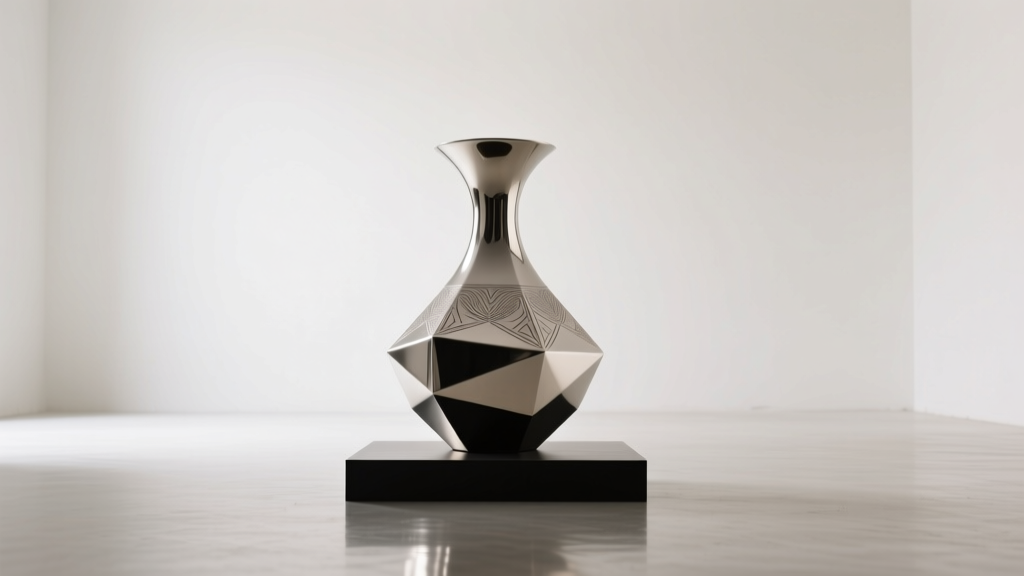
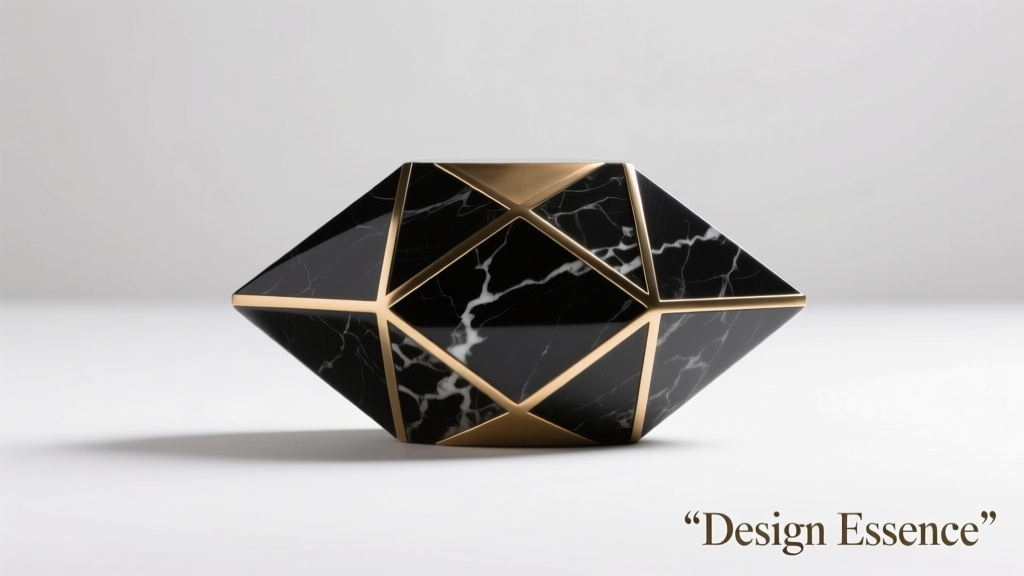
Defined by clean lines and mathematical precision, geometric bottles feature shapes like triangles, hexagons, pyramids, and cubes. These designs emphasize modernity, symmetry, and architectural elegance.
Advantages
- Striking visual presence on shelves
- Appeals to contemporary and minimalist tastes
- Easy to stack and store
- Symbolizes innovation and clarity
Limitations
- May feel cold or impersonal to some
- Limited ergonomic comfort
- Less common in mainstream markets
Best for: Niche perfumes, unisex fragrances, and brands emphasizing modernity and science-inspired themes.
Nature-Inspired Bottles
These designs draw from the natural world, mimicking organic forms such as leaves, flowers, water droplets, or animal shells. They are often used for eco-conscious, botanical, or green fragrances.
Advantages
- Strong thematic alignment with natural scents
- Promotes sustainability and eco-friendliness
- Visually soothing and harmonious
- Appeals to environmentally conscious consumers
Limitations
- Complex manufacturing process
- Potential fragility
- May not suit bold or synthetic fragrance profiles
Ideal for: Organic, floral, green, or aquatic fragrances. Often seen in brands like Diptyque, Acqua di Parma, and natural perfume lines.
Minimalistic Designs
Characterized by simplicity, clean lines, and absence of ornamentation, minimalistic bottles focus on purity of form. Typically made of clear or lightly tinted glass, they emphasize transparency and elegance.
Advantages
- Exudes sophistication and modernity
- Reduces visual clutter
- Aligns with sustainable and understated branding
- Highly versatile across fragrance types
Limitations
- May appear too plain for luxury segments
- Less memorable without strong branding
- Relies heavily on label design
Brands that use this style: Le Labo, Byredo, and Maison Margiela’s Replica line.
Extravagant Designs
These bottles are opulent, dramatic, and often luxurious—featuring crystals, gold accents, intricate carvings, or ornate stoppers. They are designed to impress and evoke a sense of rarity and indulgence.
Advantages
- Creates a strong emotional and visual impact
- Perfect for gift-giving and special occasions
- Enhances perceived value and exclusivity
- Often becomes a decorative object
Limitations
- Higher production and retail cost
- Less practical for daily use
- May overshadow the fragrance itself
Best for: Luxury brands like Tom Ford, Lalique, and Amouage, where the bottle is part of the overall sensory experience.
| Bottle Type | Design Focus | Common Fragrance Families | Target Audience | Brand Examples |
|---|---|---|---|---|
| Typical Shapes | Functionality & familiarity | Floral, Fruity, Woody | Mass market, everyday users | Chanel, Dior, Calvin Klein |
| Sculptural | Artistic expression | Oriental, Gourmand, Luxury | Collectors, luxury buyers | Lalique, Jean Patou, Bvlgari |
| Geometric | Modern symmetry | Unisex, Aromatic, Fresh | Trend-conscious, niche lovers | Byredo, Initio, Nasomatto |
| Nature-Inspired | Organic harmony | Green, Aquatic, Botanical | Eco-conscious, natural fragrance fans | Diptyque, Acqua di Parma, Miller Harris |
| Minimalistic | Understated elegance | Clean, Skin Scents, Woody | Modern, urban professionals | Le Labo, Maison Margiela, Escentric Molecules |
| Extravagant | Luxury & opulence | Oriental, Spicy, Amber | Premium gift buyers, connoisseurs | Tom Ford, Amouage, Clive Christian |
Expert Tip: When selecting a perfume, consider how the bottle design reflects the scent's personality. A heavy, ornate bottle often houses a rich, long-lasting fragrance, while a light, transparent design may suggest a fresh, airy composition. The packaging is a silent ambassador of the fragrance within.
Different Designs of Bottle-Shaped Perfumes: Art, Function, and Innovation
The evolution of perfume bottle design has transformed fragrance from a mere sensory experience into a full aesthetic and functional art form. In recent years, the surge in creative and innovative perfume bottle designs has significantly influenced consumer behavior, brand perception, and even purchasing decisions. Leading fragrance houses now invest heavily in bottle design, balancing aesthetics, functionality, and brand storytelling. A well-crafted bottle not only protects the fragrance but also reflects its essence, target audience, and cultural context. Below is an in-depth exploration of the most influential and creative design categories shaping the modern perfume industry.
Cultural and Historical Design
Heritage-Inspired Elegance
Many contemporary perfumers draw inspiration from ancient civilizations—Egyptian, Byzantine, Art Deco, and Asian traditions—to create bottles that are both luxurious and historically resonant. These designs often feature intricate engravings, symbolic motifs (such as lotus flowers, hieroglyphs, or mandalas), and materials like frosted glass, brass trims, or ceramic finishes that echo traditional craftsmanship.
For example, bottles modeled after ancient alabaster vessels or Mughal-era vases not only honor cultural legacies but also position the fragrance as timeless and authentic. Such designs appeal to consumers seeking depth, meaning, and connection to global heritage.
Storytelling Through Shape and Symbolism
Cultural designs go beyond ornamentation—they tell stories. A perfume inspired by Moroccan spices might come in a bottle shaped like a traditional lantern, while a Japanese-inspired scent could feature a minimalist, bamboo-like silhouette with a sliding cap. These elements create a multisensory experience, where sight and touch enhance the olfactory journey.
By aligning bottle design with cultural narratives, brands foster emotional engagement and promote diversity, making each fragrance a wearable piece of art and history.
Functional and User-Centered Designs
Multi-Compartment & Travel-Friendly Bottles
Modern lifestyles demand convenience. Functional perfume bottles now include built-in sprayer compartments, magnetic caps, or modular designs that allow users to carry multiple scents in one compact unit. Some even feature detachable mini bottles for on-the-go use, eliminating the need for separate travel containers.
These innovations enhance portability and usability, especially for frequent travelers or those who like to switch fragrances throughout the day.
Refillable and Sustainable Systems
With growing environmental awareness, many brands are introducing refillable perfume bottles. These systems reduce waste by allowing customers to purchase refill cartridges instead of new bottles. Some feature precision nozzles and sealed chambers to preserve fragrance integrity during refills.
Not only do these designs support eco-conscious values, but they also offer long-term cost savings and reinforce brand loyalty through sustainable engagement.
Seasonal and Limited Edition Designs
Festive and Thematic Packaging
Brands release special edition bottles during holidays like Christmas, Valentine’s Day, or Lunar New Year. These often feature vibrant colors, glitter finishes, snowflake patterns, or romantic motifs. Limited-run bottles may also celebrate fashion shows, art exhibitions, or royal events.
For instance, a winter edition might come in a frosted blue bottle with a snow-dusted cap, while a summer release could mimic tropical fruits or ocean waves in transparent hues.
Collector’s Appeal and Market Demand
Limited editions create urgency and exclusivity. Consumers are more likely to purchase these bottles not just for the fragrance, but as collectible items. The scarcity drives social media buzz and increases brand visibility.
These designs often sell out quickly, making them valuable for resale and enhancing the brand’s prestige in the luxury market.
Technologically Enhanced (Auto-Design) Bottles
Smart Dispensing and Preservation
Advancements in technology have led to "smart" perfume bottles equipped with automatic sprayers, UV-protective casings, and climate-controlled chambers to preserve fragrance longevity. Some models use motion sensors or touch activation for hands-free application.
These features help maintain the chemical stability of delicate notes—especially citrus or floral accords—that degrade under light or heat exposure.
Self-Maintenance and Connectivity
Premium auto-design bottles may include Bluetooth connectivity to track usage, suggest refills, or even customize spray intensity via a mobile app. While these high-tech solutions come at a premium price point, they cater to tech-savvy consumers and luxury markets seeking innovation and personalization.
Though not yet mainstream, these designs represent the future of fragrance delivery—where beauty meets intelligent design.
Collaborative and Artistic Designs
Designer and Artist Collaborations
Luxury brands frequently partner with renowned fashion designers, sculptors, or visual artists to create unique bottle designs. For example, a collaboration between a perfume house and a famous architect might result in a geometrically striking bottle inspired by modernist buildings.
These partnerships elevate the bottle to a work of art, blurring the lines between fashion, fragrance, and fine art.
Celebrity and Iconic Influence
Celebrity-endorsed or co-designed fragrances often feature bottles that reflect the star’s persona—elegant, bold, or rebellious. Think of Rihanna’s Fenty line with its edgy, gender-neutral flacons or Lady Gaga’s Haus Laboratories with avant-garde, theatrical packaging.
These bottles become extensions of personal identity, attracting fans and collectors alike, and turning fragrance into a statement of individuality.
| Design Type | Key Features | Target Audience | Brand Benefits |
|---|---|---|---|
| Cultural/Historical | Traditional motifs, heritage shapes, symbolic engravings | Luxury seekers, history enthusiasts, global travelers | Brand authenticity, storytelling depth, emotional connection |
| Functional | Refillable systems, travel compartments, ergonomic caps | Busy professionals, eco-conscious users, frequent travelers | Practical value, sustainability, customer retention |
| Seasonal/Limited Edition | Vibrant colors, holiday themes, collectible packaging | Gift shoppers, collectors, trend followers | Increased sales, social media engagement, brand excitement |
| Technological (Auto-Design) | Smart dispensers, UV protection, app integration | Tech enthusiasts, luxury innovators, early adopters | Market differentiation, premium positioning, future-readiness |
| Collaborative | Artist signatures, celebrity branding, limited runs | Fans, art lovers, fashion-forward consumers | Cultural relevance, exclusivity, cross-industry appeal |
Important: While innovative design enhances appeal, it must never compromise functionality or fragrance integrity. Poorly sealed bottles, non-recyclable materials, or overly complex mechanisms can detract from user experience. Brands should balance creativity with practicality, ensuring that every design choice serves both aesthetic and operational excellence. Consumers are encouraged to consider long-term usability and environmental impact when choosing perfumes with elaborate packaging.
How to Choose the Perfect Bottle-Shaped Perfume
Selecting the ideal bottle-shaped perfume goes beyond just the scent—it's a personal expression that combines fragrance, design, and lifestyle. The right choice enhances your presence, complements your personality, and suits your daily routines. Below is a comprehensive guide to help you make an informed and satisfying selection.
Fragrance Family
Perfumes are categorized into distinct fragrance families, each evoking different emotions and atmospheres. Understanding these groups helps narrow down options based on personal taste and emotional response.
- Floral: Romantic and feminine, ideal for spring and daytime wear—think rose, jasmine, or lily of the valley
- Fruity: Bright and playful, often featuring notes like peach, berries, or citrus—great for casual settings
- Woody: Earthy and warm, with cedarwood, sandalwood, or patchouli—perfect for autumn and evening wear
- Oriental: Rich and sensual, combining spices, vanilla, and amber—ideal for winter and special occasions
- Fougère: Fresh yet herbal, commonly found in men’s fragrances with lavender and oakmoss
Pro tip: Try layering scents from the same family to create a personalized olfactory signature.
Occasion and Season
The time of year and event significantly influence the best glass perfume bottle designs and their corresponding scents. Lighter fragrances shine in warm weather, while deeper compositions suit cooler climates and formal settings.
- Spring/Summer: Opt for citrus, aquatic, or green notes—refreshing and uplifting for daytime and outdoor activities
- Fall/Winter: Choose amber, vanilla, or musk-based perfumes—warm and long-lasting in colder air
- Daytime: Subtle, clean scents like white tea or bergamot are office- and errand-friendly
- Evening/Night: Bold, complex fragrances with incense, leather, or dark florals make a lasting impression
- Special Events: Limited-edition bottles with luxurious packaging add elegance to formal gatherings
Key insight: Heat intensifies fragrance, so lighter concentrations work better in summer.
Personal Style and Image
Your fragrance is an invisible accessory that speaks volumes before you say a word. It should align with your fashion sense, demeanor, and how you wish to be perceived.
- Elegant & Sophisticated: Choose minimalist bottle designs with soft florals or aldehydes—timeless and refined
- Adventurous & Bold: Look for unique bottle shapes and daring scents like oud, tobacco, or leather
- Modern & Minimalist: Clean lines and transparent glass with fresh, unisex scents convey simplicity and confidence
- Romantic & Feminine: Curved bottles with floral motifs and sweet gourmand notes enhance a soft, approachable image
- Professional & Polished: Neutral, long-lasting scents in sleek packaging project reliability and taste
Did you know? Studies show people remember scents more vividly than visuals—make yours memorable.
Brand and Concentration
Brand reputation often reflects quality, innovation, and craftsmanship. Additionally, the concentration of aromatic compounds determines longevity and intensity—critical factors in value and performance.
- Parfum (Extrait): 15–30% oil concentration—longest-lasting (6–8+ hours), rich, and luxurious
- Eau de Parfum (EDP): 10–15%—ideal balance of strength and wear time (4–6 hours)
- Eau de Toilette (EDT): 5–10%—lighter, fresher, suitable for daily use (2–4 hours)
- Eau de Cologne (EDC): 2–5%—refreshing splash for hot days or casual wear (1–2 hours)
- Limited Editions: Often feature artistic bottle designs and exclusive notes—great for collectors
Smart tip: High-concentration perfumes may require fewer applications, offering better long-term value.
Expert Advice: When selecting a perfume, test it on your skin—not paper—since body chemistry alters the scent. Allow 20–30 minutes for the fragrance to develop through its top, heart, and base notes. Also, consider the bottle design: ergonomics, spray mechanism, and aesthetic appeal contribute to daily enjoyment and storage convenience.
| User Profile | Recommended Fragrance Type | Suggested Bottle Design | Best For |
|---|---|---|---|
| Young professional | Fresh citrus or aquatic EDT | Sleek, transparent glass with modern lines | Daily office wear, commuting |
| Luxury enthusiast | Rich oriental parfum | Heavy crystal with gold accents | Evening events, gifting |
| Minimalist lifestyle | Unisex woody EDP | Simple geometric shape, matte finish | All-season daily use |
| Romantic at heart | Floral gourmand EDT | Curved, vintage-inspired bottle | Dates, spring outings |
Additional Considerations
- Bottle Design & Functionality: Consider weight, cap security, and spray precision—especially for travel or handbags
- Skin Sensitivity: Opt for alcohol-free or hypoallergenic formulas if prone to irritation
- Sustainability: Eco-conscious brands use recyclable glass, refillable bottles, and minimal packaging
- Longevity & Sillage: Test how far the scent projects and how long it lasts on your skin
- Gifting Potential: Beautifully designed bottles with elegant boxes make thoughtful, memorable gifts
Maintenance and Care of Bottle-Shaped Perfumes
Preserving the quality and longevity of your bottle-shaped perfumes requires proper maintenance and thoughtful care. Fragrances are complex blends of essential oils, alcohol, and aromatic compounds that can degrade over time if not stored correctly. This comprehensive guide outlines best practices to protect your perfumes from environmental damage, maintain their original scent profile, and extend their usable lifespan—ensuring you get the most out of your collection.
Safety & Quality Warning: Never introduce cleaning agents or liquids into the perfume bottle. Residues can permanently alter or ruin the fragrance composition. Always handle perfumes with clean hands to avoid contaminating the nozzle or spray mechanism.
1. Avoid Direct Sunlight
Exposure to direct sunlight is one of the most damaging factors for perfume longevity. Ultraviolet (UV) rays can break down the delicate chemical structure of essential oils and aromatic compounds, leading to a noticeable change in scent—often resulting in a flat, sour, or overly sharp aroma.
In addition to UV damage, heat from sunlight increases the internal temperature of the bottle, causing the liquid to expand and potentially degrade faster through accelerated oxidation. Repeated exposure can also fade colored glass bottles and damage decorative elements.
Expert Tip: Store perfumes in a cabinet, drawer, or dedicated fragrance box away from windows, car interiors, or sunlit shelves. For display purposes, use UV-protective glass cases or rotate bottles periodically to minimize prolonged light exposure.
2. Keep the Bottle Clean
Maintaining the cleanliness of your perfume bottle is essential for both hygiene and performance. Over time, fragrance residue, skin oils, and dust can accumulate on the nozzle, cap, and outer surface, potentially clogging the sprayer or introducing contaminants.
Always clean only the exterior of the bottle using a soft, lint-free cloth slightly dampened with water. Gently wipe the glass, cap, and spray mechanism to remove buildup. Avoid using alcohol, cleaning sprays, or abrasive materials, as these can damage finishes, strip paint, or degrade plastic components.
For spray nozzles that become clogged, use a gentle stream of warm water or a cotton swab to clear residue—never force liquid back into the bottle.
- Clean the bottle every 2–4 weeks with regular use
- Always replace the cap immediately after use to prevent evaporation and contamination
- Store upright to prevent leakage and ensure even distribution of oils
3. Avoid Moisture and Humidity
High humidity and moisture are significant threats to both the fragrance and the bottle’s structural integrity. Bathrooms, despite seeming convenient, are among the worst places to store perfumes due to steam and fluctuating temperatures.
Moisture can seep into caps and spray mechanisms, promoting mold growth or corrosion—especially in bottles with metal accents, magnetic closures, or wooden stoppers. Over time, this can lead to rust, discoloration, or mechanical failure of the sprayer.
Additionally, humidity accelerates the breakdown of alcohol-based solutions, altering the balance of top, middle, and base notes in the fragrance.
Avoid These Storage Locations: Bathrooms, kitchens near sinks, laundry rooms, or any area with frequent steam or water exposure.
4. Use the Perfume Regularly
Perfumes are designed to be worn and enjoyed. When left unused for extended periods, the natural oils and aromatic compounds can oxidize, separate, or become rancid—especially in alcohol-based formulations. This process dulls the scent and may result in an unpleasant odor.
While unopened perfumes can last 3–5 years, opened bottles typically remain at their best for 1–3 years, depending on storage conditions. Regular use helps circulate the fragrance components and prevents stagnation.
To maximize shelf life:
- Use your perfumes in rotation rather than keeping one bottle for years
- Spray lightly every few weeks if not in regular use to keep the nozzle clear and oils mixed
- Keep bottles tightly sealed when not in use to minimize air exposure
| Care Factor | Recommended Practice | Risks of Neglect | Ideal Storage Solution |
|---|---|---|---|
| Light Exposure | Store in dark, enclosed space | Faded scent, chemical breakdown | Drawer, cabinet, opaque box |
| Temperature | Maintain cool, stable environment (60–75°F / 15–24°C) | Evaporation, separation, accelerated aging | Away from radiators, windows, and electronics |
| Humidity | Keep in dry area (<50% RH) | Mold, corrosion, nozzle clogging | Bedroom shelf, closet, fragrance tray with silica gel |
| Usage Frequency | Use or spray monthly | Oxidation, rancidity, scent degradation | Rotate between 3–5 favorite scents |
| Cleaning | Wipe exterior with damp cloth monthly | Contamination, clogged sprayer | Microfiber cloth, mild water rinse for nozzle |
Pro Tip: Consider keeping a perfume journal to track purchase dates, opening dates, and scent evolution over time. This helps identify when a fragrance begins to degrade and allows you to use bottles before they expire.
Additional Longevity Tips
- Store perfumes in their original boxes to provide extra protection from light and physical damage
- Keep bottles upright to prevent leakage and maintain seal integrity
- Avoid storing in cars or near heating vents where temperatures fluctuate drastically
- For collectors: Consider a climate-controlled display case with low-light LED lighting
- Label bottles with purchase and opening dates for better inventory management
By following these care guidelines, you can preserve the integrity, scent, and elegance of your bottle-shaped perfumes for years to come. Proper storage and regular use not only protect your investment but also ensure that each spritz delivers the full, intended olfactory experience as crafted by the perfumer.
Frequently Asked Questions About Perfume Bottle Design & Fragrance Care
Q1: What is the significance of the design of the perfume bottle?The design of a perfume bottle plays a crucial role in both brand identity and consumer choice. Beyond aesthetics, the bottle's shape, color, and material can influence how a fragrance is perceived—elegant curves may suggest luxury, while minimalist lines can convey modernity and sophistication.
- Psychological Impact: Bottle design subconsciously affects purchasing decisions. A visually appealing bottle can enhance the perceived value of the fragrance.
- Brand Storytelling: Many high-end perfumes use unique bottle designs to reflect the essence of the scent—floral motifs for feminine fragrances, angular shapes for bold scents, etc.
- User Experience: Ergonomic design improves usability, such as easy-to-hold shapes and spray mechanisms that deliver the right amount of fragrance.
Ultimately, while personal taste guides selection, the bottle acts as the first point of connection between the consumer and the fragrance, making it a vital element in the overall sensory experience.
Q2: What are floral perfume bottles typically made of?Most floral perfume bottles are crafted from high-quality glass, chosen for its ability to preserve fragrance integrity and its premium feel. Glass is non-reactive, preventing chemical interactions that could alter the scent over time.
- Primary Material – Glass: Often tinted (like amber or soft pastels) to protect light-sensitive floral notes from UV degradation.
- Accent Materials: Caps and decorative elements may be made from aluminum, stainless steel, or even real wood, adding texture and elegance.
- Sustainability Considerations: Many brands now use recyclable glass and eco-friendly packaging to appeal to environmentally conscious consumers.
- Luxury Touches: Some designer bottles feature handcrafted details like engraved labels, Swarovski crystals, or ceramic elements to elevate the product’s exclusivity.
The combination of durable glass and refined accents ensures that floral perfume bottles not only protect the fragrance but also serve as collectible works of art.
Q3: How can one ensure that the perfume maintains its fragrance over time?To preserve the integrity and longevity of a perfume, proper storage is essential. Fragrance compounds are sensitive to environmental factors that can accelerate oxidation and degradation.
- Store in a Cool, Dark Place: Heat and sunlight break down aromatic molecules. A bedroom drawer or closet is ideal—avoid bathrooms due to humidity fluctuations.
- Avoid Moisture: Damp environments can compromise the seal and promote bacterial growth, especially in natural perfumes.
- Keep Bottles Closed: Always tightly secure the cap after use to minimize exposure to air, which causes evaporation and oxidation.
- Original Packaging: Store the bottle in its box when not in use—it provides an extra layer of protection against light and temperature changes.
- Shelf Life: Most perfumes last 3–5 years unopened, and 1–3 years after opening, depending on formulation (e.g., citrus notes fade faster than woody or musky ones).
By following these guidelines, you can enjoy your favorite scent exactly as intended by the perfumer, with minimal alteration over time.
Q4: Are geometric perfume bottles easy to store and carry?Yes, geometrically shaped perfume bottles—such as those with triangular, hexagonal, or rectangular profiles—are often designed with practicality in mind, making them easier to store and transport than irregularly shaped alternatives.
- Space Efficiency: Flat sides allow bottles to sit flush against each other in drawers or travel cases, maximizing storage space.
- Stability: Angular bases reduce the risk of rolling, making them safer to place on surfaces like vanities or in bags.
- Travel-Friendly: Their predictable shapes fit well in travel pouches or cosmetic organizers, minimizing shifting during transit.
- Design Meets Function: Brands often use geometric forms to symbolize precision and modernity, combining aesthetic appeal with user convenience.
However, sharp edges may require protective padding in luggage to prevent chipping or accidental injury. Overall, geometric designs strike a strong balance between style and functionality.
Q5: Are animal-inspired perfume bottle designs suitable for adults?While animal-inspired perfume bottles are traditionally associated with children’s or niche fragrances, many contemporary designs are crafted specifically for adult audiences, blending whimsy with sophistication.
- Child-Oriented Designs: Bright colors, cartoonish animals, and playful shapes typically target younger consumers or gift markets.
- Adult-Focused Creations: Luxury brands often use animal motifs in elegant ways—such as a sleek panther sculpture or a minimalist bird silhouette—to symbolize traits like strength, freedom, or grace.
- Cultural Significance: Some designs draw from mythology or heritage, like dragon motifs in Asian-inspired collections or phoenix symbols representing rebirth.
- Collector’s Appeal: Limited-edition animal-shaped bottles from designers like Lalique or Baccarat are highly sought after by adult collectors for their artistry and craftsmanship.
Ultimately, suitability depends on the design’s execution. When done with elegance and intention, animal-inspired bottles can be both mature and memorable, appealing to discerning adult fragrance enthusiasts.