Oats are a popular whole grain praised for their heart-healthy fiber, sustained energy release, and versatility in breakfast bowls, baking, and smoothies. For those managing gluten sensitivity or celiac disease, a critical question arises: Are oats truly gluten free? The answer is nuanced—botanically yes, but practically, it depends.
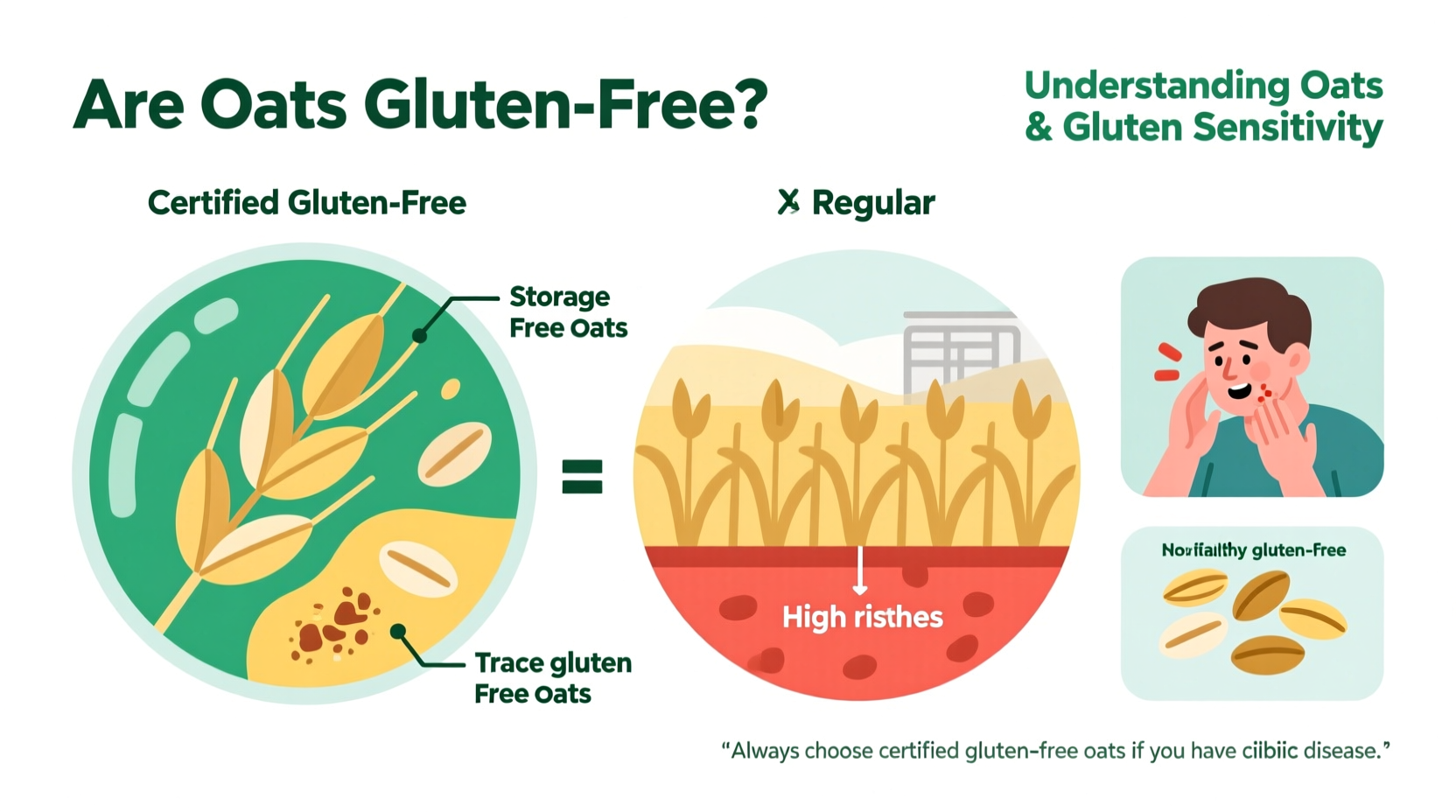
Oats are naturally free of gluten proteins found in wheat, barley, and rye. However, their journey from farm to table often exposes them to gluten-containing grains through shared equipment, transportation, and processing facilities. This cross-contact can make even pure oats unsafe for individuals with celiac disease or non-celiac gluten sensitivity. Understanding this distinction is essential for making informed dietary choices.
The Science Behind Oats and Gluten
Gluten is a family of proteins—primarily gliadin and glutenin—found in wheat, barley, rye, and their derivatives. These proteins trigger an autoimmune response in people with celiac disease, damaging the small intestine and leading to nutrient malabsorption, fatigue, gastrointestinal distress, and long-term complications if untreated.
Oats, by contrast, contain avenin—a protein similar in structure to gluten but not chemically identical. Most people with celiac disease can tolerate pure, uncontaminated oats because avenin does not provoke the same immune reaction as gliadin. Studies show that the majority of celiac patients can safely consume up to 50–70 grams (about ½ to ¾ cup dry) of certified gluten-free oats daily without intestinal damage.
“While oats are inherently gluten-free, the risk of contamination during production remains high. Patients with celiac disease should only consume oats labeled ‘certified gluten-free.’” — Dr. Alessio Fasano, Director, Center for Celiac Research & Treatment, Massachusetts General Hospital
Cross-Contamination: The Hidden Risk
The primary issue with oats isn’t the grain itself—it’s how they’re grown and processed. In many regions, oats are cultivated in rotation with wheat or on the same farms. Harvesting combines, storage silos, milling equipment, and packaging lines are frequently used for multiple grains, increasing the likelihood of gluten residue.
A 2019 study published in the *Journal of Human Nutrition and Dietetics* analyzed commercial oat products and found that nearly two-thirds of non-certified gluten-free oats contained gluten levels above the FDA threshold of 20 parts per million (ppm). Even trace amounts can be harmful to sensitive individuals.
Tip: Always check for “certified gluten-free” labeling, not just “gluten-free.” Certification ensures third-party testing and strict handling protocols.Choosing Safe Oats: A Practical Guide
For individuals avoiding gluten, selecting the right oats involves more than reading the front label. Here’s how to ensure safety:
- Look for certification logos: Seek labels such as “GFCO Certified,” “NSF Gluten-Free,” or “Gluten-Free Certification Organization.” These indicate rigorous testing below 10–20 ppm of gluten.
- Avoid bulk bins: Even if labeled gluten-free, bulk oats can be contaminated by shared scoops or airborne flour dust.
- Check ingredient lists: Some flavored instant oatmeal packets include malt flavoring (from barley) or other hidden gluten sources.
- Start slowly: When introducing gluten-free oats, begin with small portions to monitor for any adverse reactions.
| Label Type | Meaning | Safety for Celiac Disease |
|---|---|---|
| \"Gluten-Free\" | May meet FDA standards but lacks independent verification | Moderate risk – verify source |
| \"Certified Gluten-Free\" | Third-party tested; meets strict thresholds (≤10–20 ppm) | High safety – recommended |
| \"May Contain Wheat\" | Clear warning of potential cross-contact | Not safe |
| No Label | No claim made; likely processed with gluten grains | Unsafe |
Who Should Be Cautious with Oats?
While most people with celiac disease tolerate pure oats well, a small subset (estimated at 5–8%) may react to avenin itself. These individuals experience symptoms like bloating, abdominal pain, or elevated antibodies despite consuming uncontaminated oats. Symptoms usually resolve upon removing oats from the diet.
Additionally, people with non-celiac gluten sensitivity (NCGS)—a condition marked by gluten-related symptoms without intestinal damage—may also find oats problematic if consumed in contaminated form. Because NCGS lacks definitive biomarkers, symptom tracking becomes crucial when adding oats to the diet.
Mini Case Study: Sarah’s Experience with Gluten-Free Oats
Sarah, a 34-year-old graphic designer diagnosed with celiac disease two years ago, struggled to maintain energy throughout her mornings. After consulting her dietitian, she decided to reintroduce oats cautiously. She selected a GFCO-certified brand of rolled oats and began with ¼ cup per day. Over three weeks, she noticed improved satiety and no digestive discomfort. Blood tests six months later showed stable antibody levels, confirming tolerance. Her key takeaway? “Certification matters. I tried a store-brand ‘gluten-free’ oat once—got sick within hours. Now I stick to trusted brands.”
Step-by-Step: How to Safely Add Oats to a Gluten-Free Diet
If you're considering including oats, follow this evidence-based approach:
- Confirm diagnosis: Ensure your gluten-related condition is properly diagnosed by a healthcare provider.
- Wait until gut healing begins: Introduce oats only after several months on a strict gluten-free diet, especially if newly diagnosed with celiac disease.
- Select certified gluten-free oats: Choose reputable brands with clear certification seals.
- Start with small servings: Begin with 1–2 tablespoons daily, gradually increasing to ½ cup over 2–3 weeks.
- Monitor symptoms: Track digestion, energy, and any signs of discomfort.
- Follow up with blood work (for celiac patients): Repeat celiac antibody tests every 6–12 months to ensure no immune activation.
Frequently Asked Questions
Can I eat regular oats if I’m gluten-sensitive?
No. Regular oats—even if labeled “pure” or “natural”—are highly likely to be contaminated with gluten during growing or processing. Only certified gluten-free oats should be consumed by individuals with gluten sensitivity or celiac disease.
Are steel-cut oats safer than instant oats?
Not inherently. The cut of the oat doesn’t affect gluten content. Safety depends entirely on whether the product is certified gluten-free. However, steel-cut oats are less processed and may offer better blood sugar control.
Can I grow my own gluten-free oats?
In theory, yes—if you can source pure oat seeds and grow them in isolation, away from wheat fields. However, for most consumers, relying on certified commercial brands is more practical and reliable.
Final Checklist Before Buying Oats
- ☑ Product carries a recognized gluten-free certification logo
- ☑ Ingredient list includes only oats (no malt, barley, or flavorings)
- ☑ Packaging is sealed and undamaged
- ☑ Brand has transparency about sourcing and testing practices
- ☑ You’ve consulted your healthcare provider if you have celiac disease
Conclusion: Making Informed Choices for Better Health
Oats can be a nutritious and satisfying part of a gluten-free lifestyle—but only when chosen wisely. Their natural gluten-free status means they aren’t off-limits, but real-world risks demand vigilance. By prioritizing certified products, monitoring your body’s response, and staying informed, you can enjoy the benefits of oats without compromising your health.
🚀 Take action today: Review your current oat products. If they’re not certified gluten-free, consider switching to a trusted brand. Share this knowledge with others navigating gluten sensitivity—you could help someone avoid unintended exposure.