There’s a quiet alchemy at the intersection of anime culture and craft mixology: both thrive on vivid storytelling, emotional resonance, and deliberate design. A well-crafted cocktail doesn’t just taste good—it evokes mood, memory, and meaning. When that drink is named after a beloved anime character, it becomes a vessel for nostalgia, personality, and playful reverence. This isn’t novelty for novelty’s sake. These cocktails are built with intention—each ingredient chosen to mirror a character’s traits, their arc, or the aesthetic language of their world. From the crisp precision of *My Hero Academia*’s Izuku Midoriya to the smoky melancholy of *Cowboy Bebop*’s Spike Spiegel, these recipes translate narrative into nuance in the glass.
The Philosophy Behind Character-Inspired Cocktails
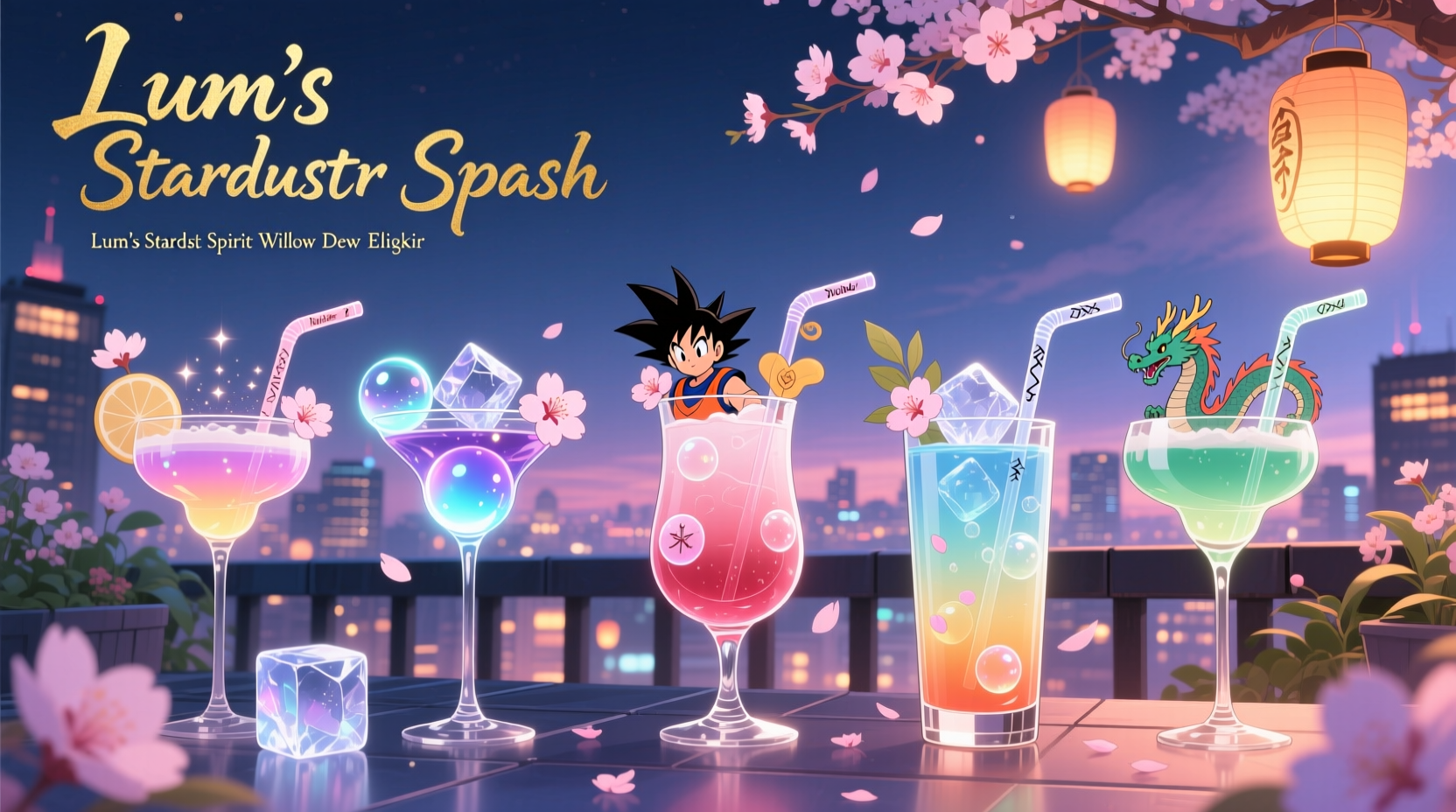
Creating an anime-inspired cocktail goes beyond slapping a name on a pre-existing drink. It requires reading *with the palate*: What does “determination” taste like? How might “quiet resilience” be expressed through texture and temperature? In practice, this means aligning sensory elements with character essence. For example, Sakura Haruno (*Naruto*) embodies growth, empathy, and quiet strength—not flashy power, but grounded presence. Her cocktail uses cherry blossom syrup (delicate floral sweetness), yuzu juice (bright acidity with subtle bitterness), and shochu (a clean, unobtrusive base spirit) rather than bold vodka or rum. The result is balanced, approachable, and layered—not loud, but unmistakably memorable.
This approach also respects cultural context. Japanese spirits like shochu, umeshu, and matcha-infused liqueurs aren’t used as exotic props—they’re integrated thoughtfully, honoring both the source material and regional drinking traditions. Similarly, drinks inspired by *Demon Slayer* lean into seasonal ingredients (crisp pear for spring, roasted chestnut syrup for winter arcs), mirroring the series’ deep connection to nature and time.
Tip: Start with a character’s core trait—not their appearance or catchphrase—and build the flavor profile from there. A “cool and collected” character calls for clarity and restraint; a “chaotic energetic” one demands contrast, effervescence, or layered textures.12 Signature Cocktails: Names, Rationale & Recipes
Each recipe below serves one, is scalable, and prioritizes accessible ingredients (no rare bitters or obscure syrups). All measurements are in standard US fluid ounces (oz) unless noted. Garnishes are non-negotiable—they complete the narrative.
1. The Midoriya Spark (Izuku Midoriya, My Hero Academia)
A bright, layered highball symbolizing Deku’s evolution: green tea–infused gin forms the base (calm foundation), shaken with fresh lime and honey-ginger syrup (effort and warmth), then topped with soda for lift and effervescence (the “One For All” surge).
| Ingredient | Amount | Notes |
|---|---|---|
| Green tea–infused gin* | 1.5 oz | *Steep 1 tsp sencha in 4 oz gin for 20 min; strain |
| Fresh lime juice | 0.75 oz | Use key limes for extra tartness |
| Honey-ginger syrup (2:1) | 0.5 oz | Simmer equal parts honey & grated ginger in water |
| Soda water | 3 oz | Chilled, added last |
Garnish: Two thin cucumber ribbons twisted around a lime wheel. Serve in a tall Collins glass over crushed ice.
2. Lelouch’s Zero Hour (Lelouch vi Britannia, Code Geass)
A stirred, complex, and deceptively smooth drink—like Lelouch himself. Blackstrap rum provides depth and molasses weight; amaro adds bitter complexity (his moral ambiguity); black sesame–infused vermouth nods to his strategic mind (earthy, nutty, grounding). Served up, no ice melt, to preserve control.
3. Asuka’s Red Line (Asuka Langley Soryu, Evangelion)
Vibrant, acidic, and defiantly tart—this blood-orange–vodka sour balances aggression with vulnerability. Egg white adds silkiness (her hidden fragility), while a float of chili-infused agave syrup delivers a slow-burning heat (her temper and pride). The red hue is intentional: not artificial, but from hibiscus and pomegranate.
4. Spike’s Blue Shot (Spike Spiegel, Cowboy Bebop)
No frills. No fuss. Just bourbon, dry vermouth, and a single dash of orange bitters—stirred cold and served neat in a chilled coupe. Named for his signature color and his “cool under pressure” ethos. The orange bitters are the cigarette smoke curling off the rim; the bourbon’s warmth is the lingering regret he never voices.
5. Mikasa’s Anchor (Mikasa Ackerman, Attack on Titan)
A rich, herbal, and deeply comforting whiskey sour variation. Smoked maple syrup replaces simple syrup (grounded strength), rosemary-infused rye adds aromatic earthiness (her loyalty and resilience), and lemon juice cuts cleanly (her decisiveness). Served over a single large cube to emphasize stillness and resolve.
Essential Technique Guide: Building Balance, Not Just Buzz
A great anime-inspired cocktail fails if it sacrifices drinkability for theme. Flavor balance—sweet, sour, bitter, strong, and dilution—is non-negotiable. Here’s how to calibrate each element deliberately:
- Sweetness: Use restrained, nuanced sweeteners—yuzu honey, black sesame syrup, or roasted pear puree—rather than plain simple syrup. They add dimension, not just sugar.
- Acidity: Prioritize fresh citrus (yuzu, sudachi, calamansi) over bottled juices. Their volatile oils contribute aroma, which is half the experience. If using vinegar-based shrubs (e.g., for *Jujutsu Kaisen*’s Gojo Satoru “Limitless” cocktail), dilute to 1:3 with water.
- Bitterness: Integrate amari, gentian liqueurs, or even cold-brewed matcha for structural bitterness—not as a punchline, but as a counterpoint to sweetness and fruit.
- Strength: Match spirit intensity to character energy. Lighter characters (e.g., Chihiro from *Spirited Away*) suit shochu or soju bases; heavier ones (e.g., Eren Yeager) warrant bonded bourbon or aged rum.
- Dilution: Stirring vs. shaking matters. Stir for clarity and silky texture (Spike, Lelouch). Shake for froth, chill, and integration (Asuka, Deku). Always use properly chilled glassware—temperature shapes perception as much as flavor.
“The best thematic cocktails don’t shout their inspiration—they whisper it through texture, temperature, and restraint. If your ‘Levi Ackerman’ drink tastes like a punch to the face, you’ve missed his precision.” — Kenji Tanaka, Head Bartender at *Neon Kyoto*, Tokyo (2021–2023)
Real-World Bar Integration: A Mini Case Study
In early 2023, *The Frame Bar* in Portland, Oregon, launched a rotating “Anime Arc” menu. Their first feature was *Demon Slayer: Entertainment District Arc*. Instead of generic “Tanjiro” or “Nezuko” drinks, they developed four cocktails tied to specific episodes and emotional beats: “Yukaku Twilight” (a delicate sakura-mezcal fizz for the district’s deceptive beauty), “Daki’s Silk Trap” (a viscous, rosewater-laced brandy sour with edible gold leaf for her seductive danger), “Tengen’s Roar” (a fiery, triple-layered shochu highball with yuzu, chili, and black pepper foam), and “Obanai’s Quiet Guard” (a stirred, umami-rich blend of aged rum, dashi-infused vermouth, and smoked salt rim).
Within six weeks, the menu drove a 38% increase in weekend traffic and doubled social media engagement. More importantly, staff reported guests spending 22% more time at the bar—asking about ingredients, sharing lore, and requesting substitutions based on character alignment (“Can I make this less ‘Akaza’ and more ‘Gyutaro’?”). The success wasn’t in the fandom alone; it was in treating anime narratives as legitimate frameworks for sensory storytelling—just as chefs use terroir or seasons as foundations.
Do’s and Don’ts of Thematic Mixology
| Action | Do | Don’t |
|---|---|---|
| Choosing a spirit base | Select for mouthfeel and cultural resonance (e.g., shochu for Japanese settings, pisco for *Cowboy Bebop*’s South American motifs) | Default to vodka for every character—its neutrality erases narrative texture |
| Garnishing | Use edible flowers, toasted spices, or hand-cut citrus that reinforce theme (e.g., dried shiso for *K-On!*’s Mio) | Rely on plastic swords, anime stickers, or non-edible “props” that distract from the drink |
| Scaling recipes | Test batch sizes in advance; some infusions (e.g., matcha in gin) become bitter if over-steeped at scale | Assume home ratios translate directly to bar volume without tasting adjustments |
| Respecting canon | Reference character growth—e.g., a “Young Naruto” drink is sweeter and brighter; “Six Paths Naruto” adds umami depth and complexity | Reduce characters to stereotypes (“tsundere = spicy,” “yandere = dark liquor only”) |
FAQ
Can I substitute ingredients if I can’t find yuzu or shochu?
Absolutely—but substitution must honor intent. Yuzu’s tart, floral-citrus profile is closest to a 2:1 blend of lime and grapefruit juice. For shochu, unaged rice-based soju or a light, clean gin (like Roku) works better than vodka, as both retain botanical subtlety. Avoid substitutes that introduce clashing flavors (e.g., tequila for shochu in a *Demon Slayer* drink).
How do I store house-made syrups and infusions safely?
Refrigerate all fruit- or herb-based syrups and infusions. Most last 10–14 days. Add 10% neutral spirit (e.g., Everclear) to extend shelf life to 4 weeks. Never store infused spirits at room temperature for more than 30 days—even alcohol can’t fully inhibit microbial growth in sugary or plant-rich solutions.
Is it appropriate to serve these at non-anime events?
Yes—if the naming and presentation feel authentic, not gimmicky. A “Mikasa���s Anchor” served at a quiet dinner party communicates care and craftsmanship. The key is confidence in the drink’s intrinsic quality: it should stand alone, with the name as elegant footnote—not a crutch.
Conclusion: Raise Your Glass to Storytelling
Cocktail creation rooted in anime isn’t about cosplay in liquid form. It’s about recognizing that great characters endure because they reflect universal human experiences—courage, grief, loyalty, reinvention—expressed through a specific, vivid lens. When you stir a “Spike’s Blue Shot,” you’re not just mixing spirits—you’re honoring the quiet dignity of moving forward despite loss. When you shake an “Asuka’s Red Line,” you’re acknowledging that intensity and tenderness coexist, often in the same breath. These recipes are invitations: to slow down, to taste intentionally, and to connect flavor with feeling. They work in home bars and professional spaces alike—not because they’re trendy, but because they’re true.
So next time you reach for a bottle, ask not just “What’s in it?” but “What story does it tell?” Then measure carefully, stir with purpose, and garnish with respect. Your guests may not know the lore—but they’ll taste the intention.
💬 Try one recipe this week—and share your twist in the comments. Did you adapt “The Midoriya Spark” for a summer rooftop? Reinvent “Lelouch’s Zero Hour” with local herbs? We’re curating a community remix guide—your notes could inspire the next iteration.