
Steak is more than a protein—it’s a canvas. While salt and pepper remain the gold standard for seasoning, the true depth of beef’s umami richness can only be unlocked through thoughtful, sometimes surprising, spice pairings. Most home cooks stop at garlic powder or smoked paprika, but the world of flavor extends far beyond tradition. By understanding how spices interact—through contrast, complement, or transformation—cooks can create steaks with complexity rivaling those from top-tier steakhouses.
The right spice blend doesn’t mask the meat; it enhances its natural savoriness, adds aromatic intrigue, and introduces subtle heat, sweetness, or earthiness that evolves with each bite. These ten combinations are not arbitrary—they’re rooted in global culinary traditions, flavor chemistry, and professional kitchen experimentation. Each pairing offers a new dimension to steak, whether grilled, pan-seared, or reverse-seared, turning a simple cut into an unforgettable meal.
Understanding Spice Synergy in Meat Preparation
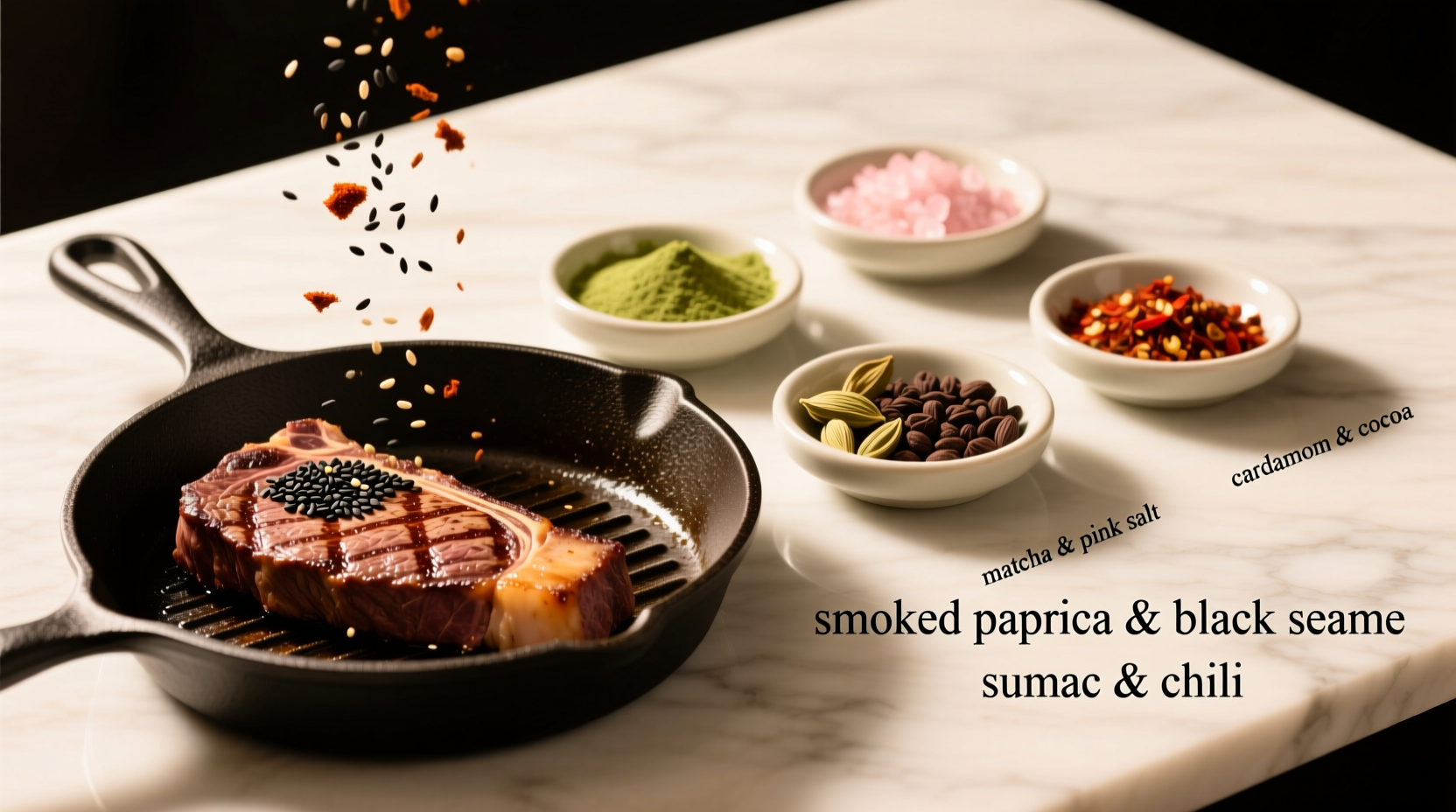
Spices work on multiple sensory levels: aroma, taste, mouthfeel, and even aftertaste. When applied to steak, they interact with the Maillard reaction—the chemical process responsible for browning and flavor development during high-heat cooking. Certain compounds in spices caramelize, deepen, or volatilize under heat, releasing fragrant notes that penetrate the meat’s surface.
More importantly, spices don’t act in isolation. The concept of flavor layering involves combining ingredients that support one another across five key dimensions:
- Saltiness – Enhances overall flavor perception (e.g., kosher salt, fish sauce powder)
- Sweetness – Balances heat and bitterness (e.g., cinnamon, ground dried fruit)
- Acidity – Brightens heavy meats (e.g., amchur, sumac)
- Bitterness – Adds complexity and cuts fat (e.g., fenugreek, black cardamom)
- Umami – Deepens savory impact (e.g., smoked paprika, mushroom powder)
The most effective spice blends balance these elements, creating a multidimensional profile that evolves as you eat. The following combinations go beyond novelty—they are calibrated for harmony, performance, and culinary intelligence.
1. Cumin + Cocoa Powder + Coffee
This trio delivers a deep, smoky, almost primal richness. Ground cumin provides earthy warmth, cocoa powder adds velvety bitterness and structure, while finely ground dark roast coffee intensifies umami and creates a crust that mimics slow-smoked barbecue.
How to use: Mix 1 tsp cumin, ½ tsp unsweetened cocoa, ½ tsp instant espresso powder, 1 tsp smoked paprika, 1 tsp brown sugar, and 1 tbsp kosher salt. Apply generously to ribeye or strip steak 45 minutes before cooking. Sear over high heat for maximum crust development.
Pro tip: Use natural-process coffee beans (dried with fruit intact) for a fruitier, wine-like note that complements dry-aged beef.
2. Sumac + Allspice + Black Pepper
A Middle Eastern-inspired blend where sumac brings citrusy tang, allspice contributes clove-cinnamon-nutmeg warmth, and cracked black pepper adds sharp bite. This combination brightens fatty cuts like bone-in ribeye without overpowering them.
Flavor profile: Tart, warm, aromatic
Best for: Grilled or charcoal-cooked steaks
Ratio: 2 parts sumac, 1 part allspice, 1 part coarse pepper, pinch of sea salt flakes
Rub onto steak just before grilling. The sumac’s acidity reacts with the char, creating a vibrant counterpoint to the smoke.
3. Star Anise + Coriander + Fennel Seed
Aniseed notes can dominate if used alone, but when balanced with coriander’s citrus-lime freshness and fennel’s sweet vegetal tone, they form a sophisticated aromatic base. Common in Chinese five-spice, this version omits cloves and cassia to avoid harshness.
Usage: Toast whole seeds lightly, then grind. Use ¾ tsp per 12 oz steak. Ideal for flank or hanger steak cooked medium-rare and sliced thin.
| Spice | Function | Heat Sensitivity |
|---|---|---|
| Star Anise | Aromatic backbone, licorice depth | High – loses nuance if burned |
| Coriander | Citrus balance, floral lift | Medium – best freshly ground |
| Fennel Seed | Herbal sweetness, texture | Low – tolerates high heat well |
4. Turmeric + Mustard Seed + Ginger
Often reserved for curries, this Indian triumvirate works surprisingly well on leaner steaks like sirloin or flat iron. Turmeric’s earthy bitterness, mustard seed’s pungency, and ginger’s zing create a warm, slightly sharp profile that stimulates appetite.
Application: Bloom ½ tsp mustard seeds in oil before rubbing mixture onto steak. Combine with turmeric, ground ginger, a touch of fenugreek, and salt. Let sit 20 minutes before searing.
\"Turmeric isn't just for color—it binds to fat-soluble compounds in meat, helping other spices adhere and penetrate deeper.\" — Chef Ravi Mehta, Culinary Institute of America
5. Smoked Paprika + Dill Seed + Lemon Zest
A Nordic-Spanish hybrid blend that defies expectations. Smoked paprika adds depth, dill seed (not fresh dill) contributes a grassy-anise note, and dehydrated lemon zest provides concentrated citrus without moisture.
Best for: Dry-brined filet mignon or butter steak
Method: Grind dried lemon peel into powder. Mix with equal parts smoked paprika and lightly crushed dill seed. Apply 2 hours before cooking.
Dry lemon zest can be made by baking lemon peels at 170°F (75°C) for 4–6 hours, then grinding. Store in an airtight jar for up to 6 months.
6. Cardamom (Black) + Clove + Orange Peel
Black cardamom—smokier and more camphorous than green—pairs with clove’s intense warmth and dried orange peel’s bittersweet citrus. This blend evokes North African and Persian kebabs, ideal for marinating skirt or flap steak.
Ratio: 3 parts black cardamom (crushed), 1 part clove, 2 parts dried orange peel (ground)
Pair with: Onion, garlic, olive oil, and a splash of red wine vinegar for marinade base.
Limit clove to no more than 10% of the blend—its eugenol content can numb the palate if overused.
7. Fenugreek + Cinnamon + Black Cardamom
Fenugreek seeds, often misunderstood for their maple-like aroma, become nutty and complex when toasted. Paired with cinnamon’s sweetness and black cardamom’s smoky coolness, this blend adds mysterious depth to thick-cut steaks.
Caution: Raw fenugreek is bitter. Always toast in a dry pan until golden and fragrant before grinding.
Use case: Reverse-seared tomahawk steak with final sear in cast iron.
8. Amchur (Dried Mango Powder) + Chili Flakes + Garlic Granules
Amchur brings fruity tartness uncommon in Western steak rubs. Combined with mild chili flakes (like Aleppo or Maras) and aged garlic granules, it creates a tangy, spicy, savory crust that crackles beautifully.
Why it works: The acid in amchur helps tenderize the meat surface slightly, improving texture and crust formation.
Application: Sprinkle on just before the final minute of cooking to preserve volatile acids.
9. Sichuan Peppercorn + Shiso + Sesame Seed
A Japanese-Chinese fusion that leverages Sichuan peppercorn’s signature tingling numbness (ma la), shiso’s mint-basil-anise aroma, and sesame’s nutty richness. Not for the faint of heart, but transformative on Wagyu or well-marbled ribeye.
Technique: Crush Sichuan peppercorns coarsely. Toast white sesame seeds. Toss with dried shiso flakes (available in Japanese markets). Apply post-sear as a finishing blend.
This is a finishing spice mix, not a pre-cook rub—heat diminishes shiso’s delicate top notes.
10. Mushroom Powder + Rosemary + Anchovy Flake
Umami overload in the best way. Dried porcini or shiitake powder amplifies beef’s natural glutamates, rosemary adds piney resin, and anchovy flake (not paste) melts into the fat, contributing salt and depth without tasting fishy.
How to make: Grind dried mushrooms into fine powder. Mix with crushed rosemary, crumbled anchovy flakes (¼ tsp per serving), and a pinch of black pepper.
Apply: Press into steak during last 30 seconds of cooking so anchovy dissolves into the crust.
Anchovy flake is less salty than paste and easier to control. Look for it in specialty Italian or gourmet stores.
Variants & Forms: Whole vs. Ground, Fresh vs. Dried
The form of a spice dramatically affects its performance on steak. Here’s a guide to selecting the right type:
| Spice | Best Form for Steak | Reason |
|---|---|---|
| Cumin | Whole, toasted, then ground | Prevents bitterness; maximizes aroma |
| Coriander | Freshly cracked | Loses citrus notes quickly when pre-ground |
| Peppercorn | Coarsely cracked | Texture and burst of heat |
| Garlic | Granules (not powder) | Even distribution, no burning |
| Herbs (rosemary, thyme) | Dried, crushed | Withstands high heat better than fresh |
| Citrus peel | Dried and powdered | No moisture; concentrates flavor |
As a rule, **toasting whole spices** before grinding unlocks essential oils and reduces raw, dusty off-notes. Pre-ground spices lose potency within 6 months—always check expiration dates or grind your own.
Comparison with Common Steak Seasonings
Traditional steak rubs rely heavily on salt, black pepper, garlic, and onion powder. While reliable, they lack nuance. The following comparison highlights how innovative blends outperform basic mixes:
| Traditional Blend | Flavor Range | Unexpected Combo Advantage |
|---|---|---|
| Salt + Pepper | Narrow: salty, sharp | Adds depth, aroma, contrast (e.g., citrus, smoke) |
| Garlic + Onion Powder | One-dimensional savory | Introduces brightness, heat, umami layers |
| Smoked Paprika Alone | Smoky, flat | Balanced with acid or spice (e.g., sumac, chili) |
| Pre-made Montreal Steak Seasoning | Salty, garlicky, coriander-heavy | More aromatic diversity and cultural authenticity |
The goal isn’t to reject tradition, but to expand it with intentionality.
Practical Tips & FAQs
How much spice blend should I use per steak?
For a 1-inch thick, 10–12 oz steak, use 1½ to 2 teaspoons of dry rub. Apply evenly, pressing gently to ensure adhesion. For wet marinades, increase to 1 tbsp and include oil or acid to carry flavors.
Should I salt before or after applying spices?
Always salt first. Allow steak to rest with salt for 40–60 minutes before adding other spices. This draws out moisture, then reabsorbs it, seasoning the interior and drying the surface for better searing.
Can I use these blends on frozen or thawed steak?
No. Spices require a dry surface to adhere. Frozen or wet-thawed meat exudes water, washing away seasoning. Always pat steak completely dry before applying any rub.
Do spice blends work on well-done steak?
Yes, but adjust ratios. Well-done meat develops more bitterness from charring, so increase sweet or acidic components (e.g., add a pinch of sugar or sumac) to balance.
How long do homemade spice blends last?
Store in airtight glass jars, away from light and heat. Ground blends: 3–4 months. Whole spice mixes (to be ground before use): 6–8 months. Label with date of creation.
What’s the best oil to pair with spice rubs?
Use high-smoke-point oils like avocado, grapeseed, or refined safflower. Avoid extra virgin olive oil for searing—it burns easily. Save EVOO for post-cook drizzling.
Storage checklist:
✓ Use amber or cobalt glass jars
✓ Keep in a cool, dark cupboard (not above the stove)
✓ Add a silica packet to prevent clumping
✓ Grind in small batches (2–3 uses worth)
Summary & Key Takeaways
Elevating steak flavor goes beyond salt and pepper. The most compelling seasonings arise from intentional pairings that engage multiple taste pathways—sweet, sour, salty, bitter, umami—and leverage aroma, texture, and heat response.
These ten unexpected spice combinations draw from global traditions and modern flavor science to create memorable, restaurant-quality results at home. Whether using cumin-cocoa-coffee for a smoky crust or Sichuan-shiso-sesame for a numbing finish, each blend transforms steak into a dynamic sensory experience.
Key principles to remember:
- Toast whole spices before grinding for maximum flavor release.
- Balance strong spices (clove, fenugreek) with milder ones (fennel, coriander).
- Use dried citrus peel instead of fresh juice to avoid moisture issues.
- Apply acidic spices (sumac, amchur) late in cooking to preserve brightness.
- Treat some blends as finishing touches—not all spices benefit from prolonged heat.
Start with one new combo per week. Try the cumin-cocoa-coffee blend first—it’s approachable, deeply flavorful, and works across cuts. Once you taste the difference, you’ll never go back to basic seasoning.