When choosing a necklace, the decision often comes down to personal taste, budget, and intended use. Two popular options—zircon-adorned pieces and plain metal designs—represent opposite ends of the spectrum in terms of visual impact. One dazzles with brilliance; the other speaks through minimalism. But beyond appearances, what truly separates them? Is the sparkle of zircon worth the extra cost, or is it simply marketing hype designed to lure in those chasing glamour? The answer lies not in absolutes, but in understanding the functional, aesthetic, and emotional trade-offs each style offers.
The Allure of Sparkle: What Zircon Brings to the Table
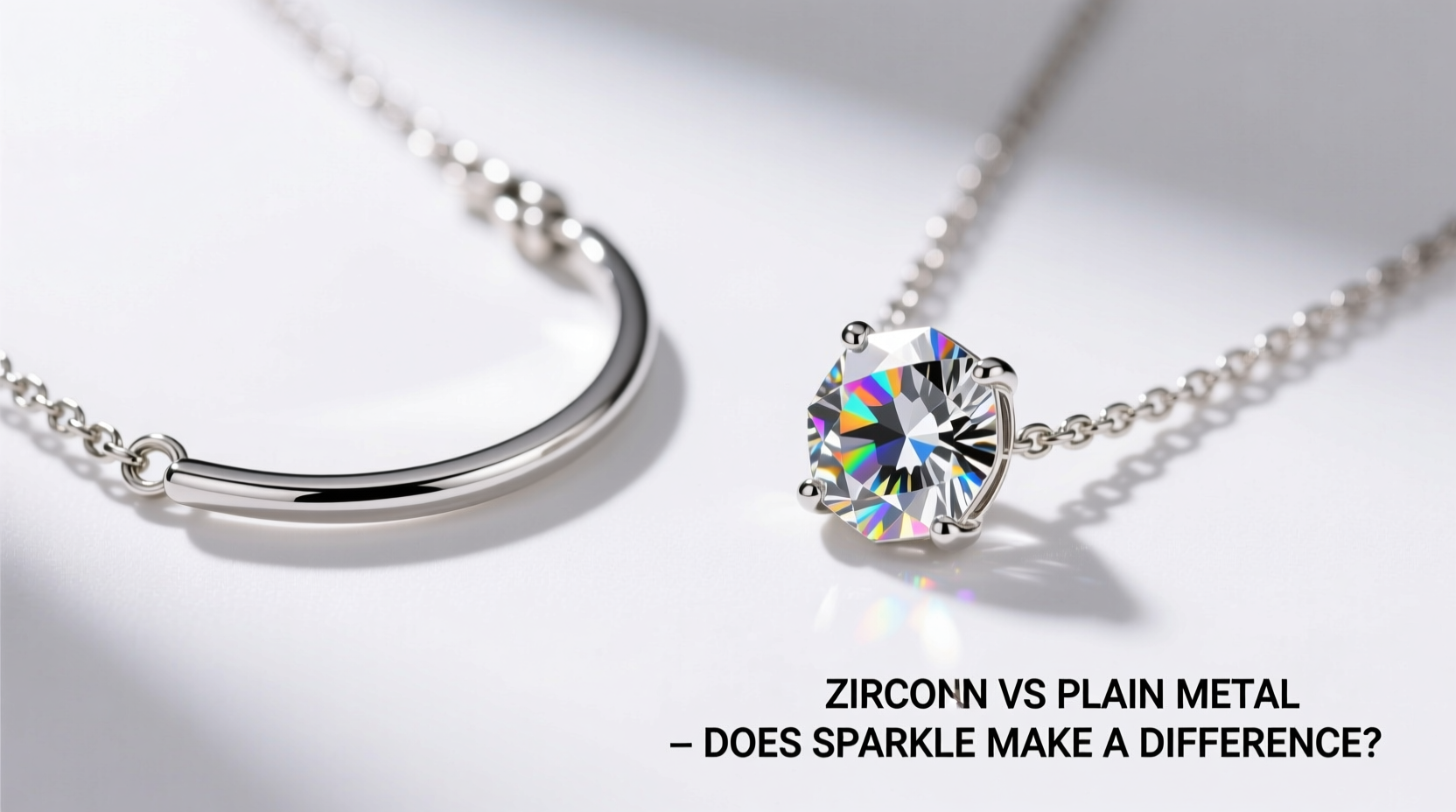
Zircon, despite its resemblance to cubic zirconia or even diamond, is a naturally occurring gemstone with high refractive index and strong dispersion—qualities that produce noticeable fire and brilliance. When set into a necklace, especially in smaller accent stones or as a central pendant, zircon captures light dramatically. This optical performance makes it ideal for occasions where visibility and elegance matter: weddings, formal dinners, or evening events.
However, the appeal isn’t purely cosmetic. Zircon adds perceived value. A piece with sparkle signals effort, detail, and intentionality in design. It draws attention, enhances facial features under lighting, and often elevates an outfit from casual to polished. For many wearers, this psychological boost is real and measurable in confidence.
“Sparkle isn’t just about luxury—it’s about presence. A well-placed zircon can shift how someone perceives both the jewelry and the person wearing it.” — Lena Patel, Jewelry Designer & Industry Consultant
Plain Metal Necklaces: The Power of Simplicity
In contrast, plain metal necklaces—whether crafted from sterling silver, stainless steel, titanium, or gold—embody understated strength. Their value lies in craftsmanship, weight, finish, and longevity rather than ornamentation. These pieces are built for versatility. A sleek curb chain or a delicate cable link can transition seamlessly from day to night, office to weekend, without drawing undue attention.
Moreover, plain metal designs tend to be more durable. Without prongs, settings, or fragile stone mounts, there’s less risk of snagging, chipping, or losing components. They’re easier to clean, require no special polishing for gem protection, and generally age more gracefully. Tarnish can occur with certain metals, but regular maintenance restores luster quickly.
Tip: For everyday wear, a plain metal necklace made from hypoallergenic materials like surgical-grade stainless steel or platinum offers maximum comfort and resilience.Comparative Breakdown: Zircon vs Plain Metal
| Feature | Zircon Necklace | Plain Metal Necklace |
|---|---|---|
| Visual Impact | High – reflective, eye-catching, glamorous | Low to moderate – subtle, elegant, minimalist |
| Durability | Moderate – zircon can chip or cloud over time; settings may loosen | High – resistant to impact, fewer failure points |
| Maintenance | Higher – requires gentle cleaning, avoidance of chemicals | Lower – wipe with cloth, occasional polish |
| Lifespan | 5–10 years (with care); stones may degrade | 10+ years; often heirloom quality |
| Cost (Average) | $80–$300+ | $50–$200 |
| Versatility | Situation-dependent – best for dressy occasions | High – suitable for daily wear, layering, all seasons |
Real-World Example: Choosing for Purpose
Consider Sarah, a graphic designer who wears jewelry daily. She owns both a white gold necklace with micro-pavé zircons and a simple 18-inch titanium box chain. At client presentations, she chooses the zircon piece—it complements her tailored blazers and adds a touch of refinement. But during studio work, sketching at her desk or attending casual team meetings, she switches to the plain chain. It doesn’t catch on her sleeves, doesn’t require constant checking for loose stones, and feels lighter over long hours.
Her experience reflects a growing trend: intentional accessorizing. Rather than treating jewelry as one-size-fits-all, modern consumers are curating collections based on function. Sparkle has its place, but so does restraint. The key is alignment with lifestyle, not adherence to trends.
Step-by-Step Guide: How to Choose the Right Style for You
- Assess your daily routine. Do you work in a physical environment, handle equipment, or engage in frequent hand movement? If so, a plain metal necklace reduces risk of damage.
- Evaluate your wardrobe. If your style leans toward neutral tones, monochrome outfits, or minimalist fashion, a sparkling piece can serve as a focal point.
- Consider maintenance willingness. Are you likely to clean your jewelry monthly? Store it separately? If not, a low-maintenance metal option may be smarter.
- Think about occasions. How often do you attend events where jewelry plays a role in your appearance? Monthly? Rarely? Match frequency to investment level.
- Budget wisely. Don’t overspend on a zircon piece expecting diamond-level endurance. Set realistic expectations for lifespan and return on value.
Common Misconceptions About Zircon Sparkle
One widespread myth is that “more sparkle equals higher quality.” In reality, excessive glitter can indicate poor cut quality or low-grade stone setting. Mass-produced zircon necklaces often use tiny, poorly aligned stones that scatter light unevenly, creating a “plastic” look under bright light. True brilliance comes from precision cutting and secure mounting—not quantity.
Another misconception is that plain metal is “boring.” On the contrary, finishes like brushed satin, hammered texture, or rope detailing add depth and character without relying on stones. A well-crafted metal necklace demonstrates sophistication through form, not flash.
Frequently Asked Questions
Does zircon lose its sparkle over time?
Yes, especially if exposed to lotions, chlorine, or abrasive surfaces. Zircon can develop surface scratches or internal clouding after years of wear. Regular cleaning with mild soap and water helps preserve luster, but some degradation is inevitable.
Can I wear a zircon necklace every day?
You can, but it’s not recommended for long-term durability. Daily exposure to friction, sweat, and environmental debris increases the risk of loosened settings or chipped stones. Reserve zircon pieces for special occasions or rotate them with sturdier options.
Are plain metal necklaces more valuable than zircon ones?
Not necessarily in retail price, but often in longevity. A high-karat gold or platinum plain chain holds intrinsic material value and tends to retain worth better than a zircon piece, where most of the cost goes into labor and design rather than raw materials.
Final Verdict: Sparkle Matters—But Context Matters More
The sparkle of zircon isn’t hype—it delivers genuine aesthetic and emotional benefits. It catches light, commands attention, and enhances formal wear in ways plain metal cannot. But that doesn’t make it universally superior. Plain metal necklaces offer reliability, timelessness, and adaptability that many lifestyles demand.
The real difference isn’t in the materials themselves, but in how they align with your needs. A sparkly necklace isn’t better because it glitters; it’s better when the moment calls for glamour. Likewise, a simple chain isn’t inferior because it’s quiet—it’s superior when durability and discretion matter most.
Tip: Build a balanced jewelry collection. Own one statement zircon piece for events, and 1–2 quality plain chains for daily rotation. This approach maximizes both impact and practicality.Conclusion: Make Your Choice With Confidence
At the end of the day, the choice between zircon and plain metal isn’t about which is objectively better—it’s about which serves you better. Whether you're drawn to radiant elegance or quiet strength, your necklace should reflect intention, not impulse. Understand your habits, respect the trade-offs, and choose pieces that enhance your life, not complicate it. The right necklace, sparkly or simple, earns its place not by how much it shines, but by how well it fits your world.
💬 What’s your go-to necklace style and why? Share your thoughts and help others navigate their own choices with confidence.