High-Intensity Interval Training (HIIT) demands gear that can keep up with explosive movements, rapid transitions, and sustained effort. As a staple in activewear wardrobes, both yoga pants and bike shorts are popular choices—but they serve different functional purposes. While both offer comfort and flexibility, the real question isn’t just about style or preference; it’s about performance under pressure. When push comes to sweat, which one delivers superior support during HIIT sessions?
The answer lies in understanding how each garment is designed, where compression matters, and how movement dynamics affect your choice. This article breaks down the structural, functional, and biomechanical differences between yoga pants and bike shorts, helping you make an informed decision based on real workout demands.
Understanding the Design Differences
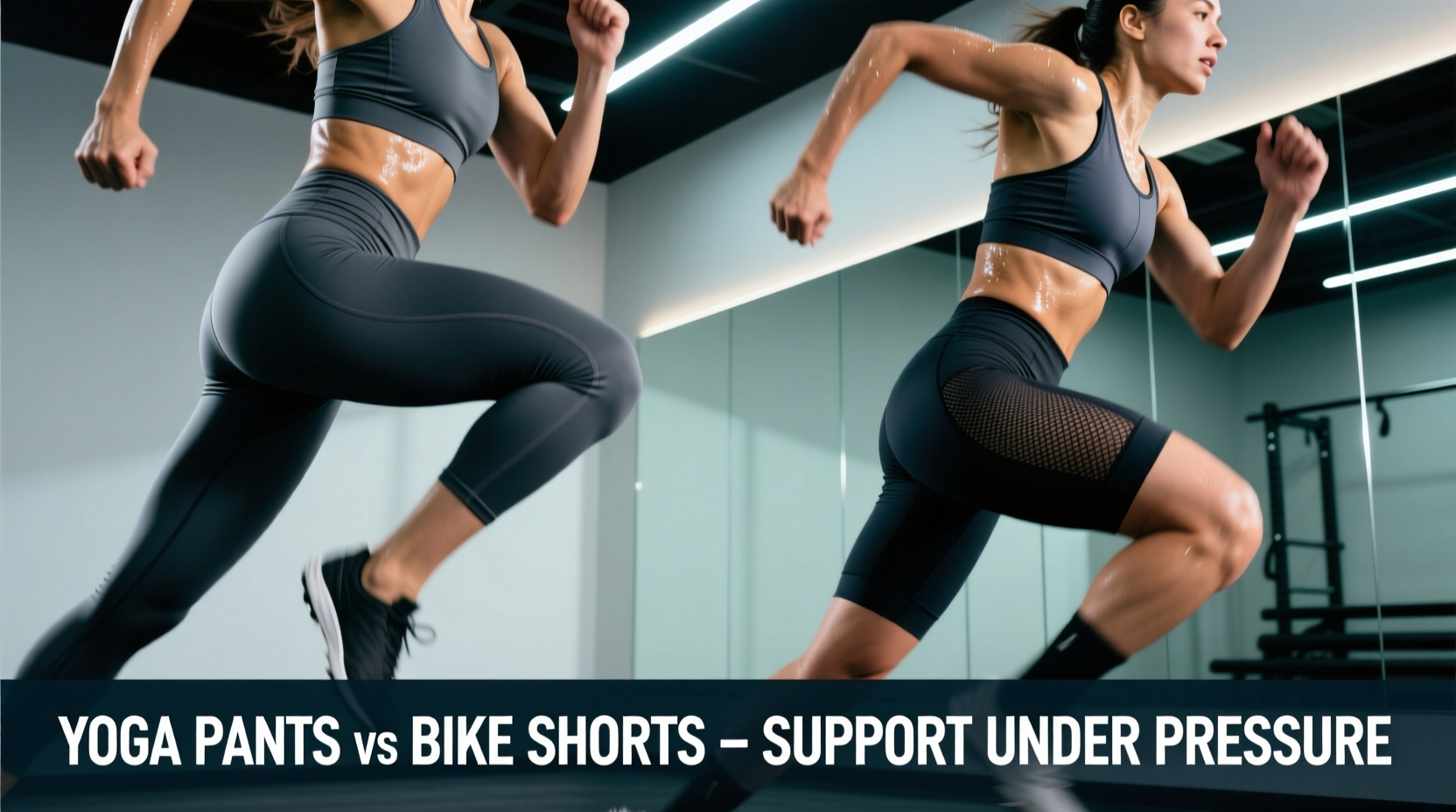
At first glance, yoga pants and bike shorts may seem interchangeable—especially when both are made from stretchy, moisture-wicking fabrics. But their design origins tell a different story.
Yoga pants, traditionally designed for low-impact practices like yoga, pilates, or casual wear, prioritize flexibility and coverage. They typically extend to the ankle or calf and feature a high-rise waistband for core stability during bending and holding poses. The fabric is often soft, brushed, and slightly thicker, focusing on comfort rather than compression.
Bike shorts, originally created for cycling, emphasize muscle support, reduced chafing, and freedom of motion. They’re shorter—usually ending mid-thigh—and constructed with tighter, more compressive materials. Many include a built-in liner or padding (though fitness-focused versions omit this for non-cycling use). Their primary goal is to stabilize muscles during repetitive motion and reduce fatigue through targeted compression.
In HIIT, which combines strength, cardio, plyometrics, and dynamic transitions, the distinction becomes critical. You're not just stretching—you're jumping, sprinting, lunging, and squatting at high speed. The garment must stay in place, wick sweat efficiently, and support active muscles without restricting range of motion.
Tip: Look for flatlock seams and gusseted crotches in both styles—they prevent chafing during lateral and vertical movements.Compression and Muscle Support: What Science Says
One of the most significant advantages of bike shorts in HIIT is their higher level of graduated compression. Studies have shown that moderate compression garments can improve blood circulation, delay muscle fatigue, and enhance proprioception—the body’s awareness of its position in space.
A 2020 study published in the Journal of Strength and Conditioning Research found that athletes wearing compression tights during interval training reported lower perceived exertion and faster recovery times compared to those in non-compressive leggings. While the study used full-length tights, the principle applies to shorter, targeted compression gear like bike shorts.
Bike shorts apply consistent pressure around the quadriceps, hamstrings, and glutes—key muscle groups engaged in burpees, box jumps, and mountain climbers. This containment reduces muscle oscillation (the natural vibration during impact), which can lead to earlier fatigue and microtrauma.
Yoga pants, by contrast, tend to offer \"holding\" rather than true compression. They smooth and shape but don’t necessarily enhance muscular efficiency. Some premium yoga pant lines now incorporate light compression zones, but these are generally less intense and less strategically placed than those in performance-driven bike shorts.
“During high-velocity movements, even slight muscle bounce increases energy expenditure. Compression gear acts like an external muscle sheath—supporting, stabilizing, and conserving effort.” — Dr. Lena Torres, Sports Biomechanist at Apex Human Performance Lab
Fit, Mobility, and Range of Motion
HIIT involves multidirectional movement: forward sprints, side shuffles, backward lunges, and rotational exercises like woodchoppers. Your clothing should move with you—not against you.
Yoga pants excel in unrestricted stretch due to their four-way elasticity and looser weave. However, longer lengths can sometimes ride up or bunch during repeated jumping motions. High-rise styles may roll down during inverted movements like plank-to-push-up transitions if the waistband lacks grip.
Bike shorts, being shorter and tighter, eliminate length-related drag. Their snug fit ensures they stay put throughout dynamic sequences. The absence of excess fabric around the legs prevents snagging on equipment or self during fast footwork drills. Additionally, many modern bike shorts include laser-cut hems or silicone grips to prevent upward migration.
That said, some users report feeling “too exposed” in bike shorts, especially during deep squats or raised-leg exercises. This psychological discomfort can distract from focus and form. For modesty-conscious individuals, 7-inch or 9-inch hybrids—longer than traditional bike shorts but shorter than yoga pants—offer a balanced compromise.
Comparison Table: Key Features for HIIT Performance
| Feature | Yoga Pants | Bike Shorts |
|---|---|---|
| Length | Ankle to mid-calf | 3–9 inches (mid-thigh) |
| Compression Level | Low to moderate | Moderate to high |
| Mobility | Excellent in all directions | Optimized for vertical/lateral moves |
| Sweat Management | Good (varies by fabric) | Excellent (often mesh-lined) |
| Chafing Risk | Higher (if seams rub) | Lower (tighter fit reduces friction) |
| Muscle Support | Limited | Significant (quads/glutes) |
| Layering Potential | Poor (bulky) | High (can be worn under loose shorts) |
Real-World Example: A Week of HIIT Testing
To assess real-world performance, fitness coach Maria Kim conducted a seven-day trial with 15 intermediate-level clients performing identical HIIT routines—three times per week—alternating between yoga pants and 7-inch performance bike shorts.
The workouts included jump squats, high knees, kettlebell swings, skater hops, and plank jacks—all chosen for their combination of impact and mobility demands. Participants wore heart rate monitors and completed post-session surveys rating comfort, distraction level, muscle fatigue, and confidence in movement.
Results showed that 12 out of 15 participants reported less thigh fatigue when wearing bike shorts. Eight noted that their yoga pants shifted or required adjustment mid-workout, particularly during floor-to-standing transitions. Only two preferred yoga pants, citing greater warmth and coverage as benefits during cooler gym sessions.
Interestingly, all participants who combined bike shorts with loose athletic shorts over them reported the highest satisfaction—citing confidence in coverage while retaining the functional benefits of compression underneath.
This hybrid approach is increasingly common among female athletes in CrossFit, boot camps, and group fitness classes, proving that function and comfort don’t have to be mutually exclusive.
Choosing Based on Workout Structure
Your choice shouldn't be one-size-fits-all—it should align with your specific HIIT format.
- Circuit-based HIIT (e.g., dumbbell complexes, sled pushes): Bike shorts win for their ability to support heavy leg drive and reduce muscle vibration during resistance phases.
- Cardio-dominant HIIT (e.g., jump rope intervals, sprint drills): The lightweight, aerodynamic profile of bike shorts minimizes resistance and overheating.
- Hybrid yoga-HIIT fusion classes: Yoga pants may be preferable if the session begins with mobility work and transitions into moderate intensity, allowing seamless progression without changing clothes.
- Cooler environments or outdoor winter HIIT: Full-length yoga pants or thermal-lined leggings provide necessary warmth, though consider layering with compression shorts beneath.
Checklist: How to Pick the Right Bottom for Your HIIT Routine
- ✅ Assess your primary movements: Do you jump, lunge, or sprint frequently?
- ✅ Prioritize compression if muscle endurance is a concern.
- ✅ Check seam placement—avoid inner-thigh seams that may cause chafing.
- ✅ Try a test set: Perform 10 high knees and 10 jump squats to check for ride-up.
- ✅ Consider layering: Bike shorts under mesh shorts offer support and coverage.
- ✅ Evaluate moisture-wicking capability—touch the fabric after sweating to see if it stays damp.
- ✅ Ensure waistband security—bend forward and raise arms to test roll-down resistance.
Frequently Asked Questions
Can I wear yoga pants for intense HIIT workouts?
Yes, but only if they are designed for performance. Standard yoga pants meant for studio use lack the compression and durability needed for high-impact routines. Opt for technical variants with power-mesh panels, secure waistbands, and anti-odor fabric.
Do bike shorts provide enough coverage during deep stretches?
Most 7-inch and 9-inch performance bike shorts offer sufficient coverage for squats and lunges. Look for styles with wide, gripped waistbands and opaque fabric (check stretch transparency before buying). If concerned, wear them under loose athletic shorts.
Are bike shorts worth the investment for non-cyclists?
Absolutely. Their benefits extend beyond cycling. Runners, dancers, and HIIT enthusiasts use them for muscle support, temperature regulation, and reduced fatigue. Think of them as athletic base layers for your lower body.
Final Verdict: Support Wins Over Style in HIIT
While yoga pants bring comfort and versatility, bike shorts are engineered for the physical demands of HIIT. Their superior compression, secure fit, and biomechanical advantages make them the better choice when performance, endurance, and muscle protection matter most.
That doesn’t mean yoga pants have no place in a fitness wardrobe—they’re ideal for cooldowns, mobility work, or low-intensity days. But when you’re pushing your limits in a timed AMRAP or grinding through a brutal EMOM, the right gear can influence how long you last and how well you recover.
Ultimately, the best activewear supports your body so you can focus on your effort—not your outfit.
💬 Ready to upgrade your HIIT gear? Try a pair of performance bike shorts next workout and notice the difference in muscle feedback and stamina. Share your experience in the comments below!