
It starts quietly—a faint rumble beneath the surface—then grows louder, echoing through the silent conference room as you shift uncomfortably in your chair. Everyone seems focused on the presentation, but all you can think about is the unmistakable sound coming from your abdomen. Stomach gurgling during meetings isn’t just embarrassing; it can be distracting, stressful, and sometimes a sign of underlying digestive habits that need attention.
Digestive noises are natural. The gastrointestinal tract is constantly at work, moving food, gas, and fluids through a series of muscular contractions known as peristalsis. But when these sounds become frequent or loud during high-focus situations like meetings, they can undermine confidence and concentration. The good news: most causes are manageable with simple dietary and behavioral adjustments. Understanding why it happens—and how to prevent it—can restore peace of mind and keep your digestive system from stealing the spotlight.
What Causes Stomach Gurgling?
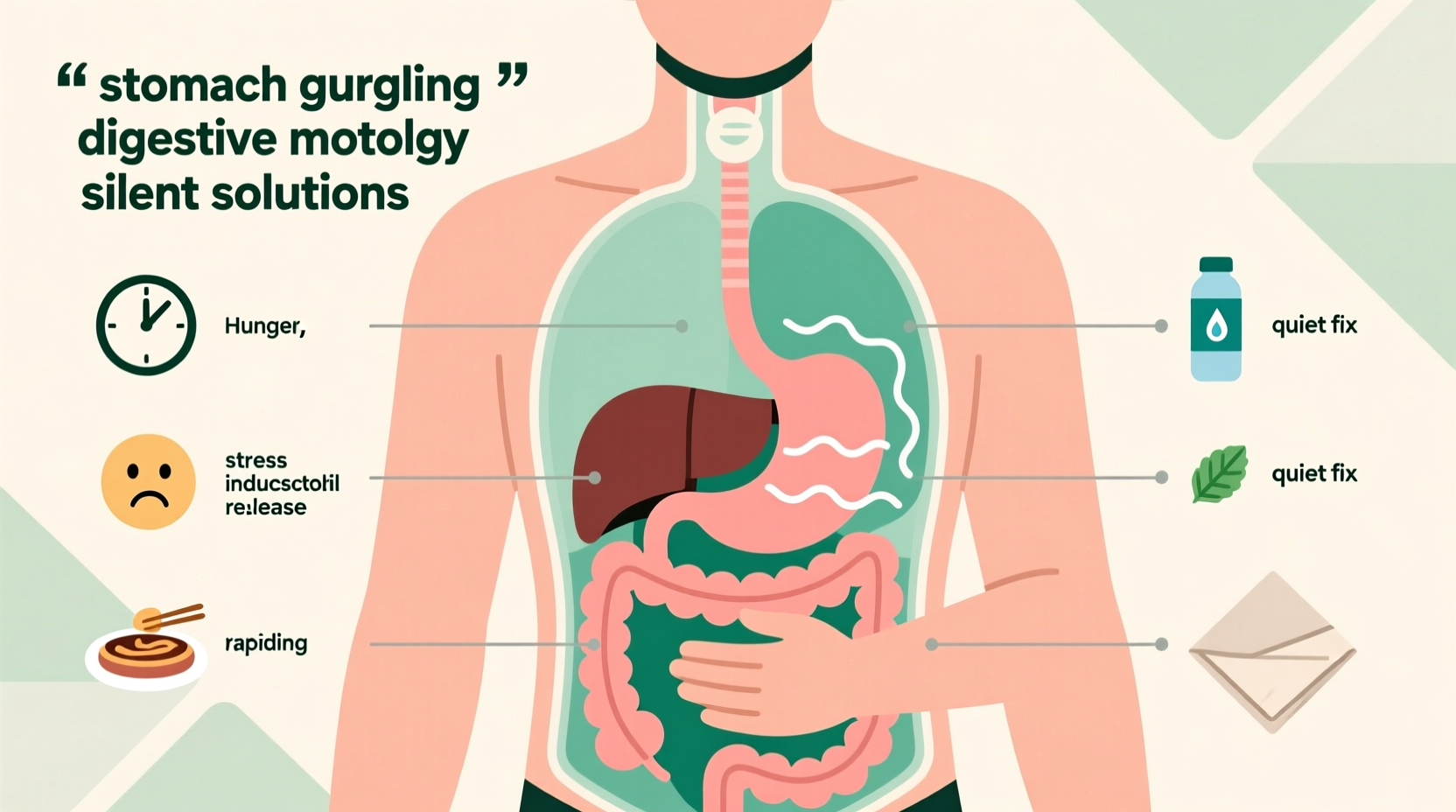
The medical term for stomach gurgling is *borborygmi*—the rumbling or growling noises produced by the movement of gas and fluid through the intestines. While occasional sounds are normal, persistent or disruptive gurgling often stems from specific triggers related to diet, digestion, and lifestyle.
One primary cause is hunger. When your stomach has been empty for several hours, it signals the brain to prepare for food. This triggers the migrating motor complex (MMC), a wave-like contraction that sweeps through the digestive tract to clear residual particles. These contractions can produce noticeable gurgling, especially in quiet environments like meeting rooms.
Another major contributor is swallowed air. Eating quickly, drinking carbonated beverages, chewing gum, or even talking while eating introduces excess air into the digestive system. As this air moves through the intestines, it creates bubbles and pressure, leading to audible gurgles.
Diet plays a significant role too. Certain foods—particularly those high in fermentable carbohydrates (FODMAPs)—are broken down by gut bacteria, producing gas as a byproduct. Beans, broccoli, onions, dairy (for lactose-intolerant individuals), and artificial sweeteners like sorbitol can all increase intestinal activity and noise.
“Digestive sounds are a normal part of gut function, but their frequency and intensity often reflect what we eat and how we eat it.” — Dr. Lena Patel, Gastroenterologist and Digestive Health Specialist
Common Triggers Before Meetings
Many professionals unknowingly set themselves up for mid-meeting digestive disruptions due to routine habits in the hours leading up to important discussions.
- Skipping breakfast: Going long periods without food activates the MMC, increasing the likelihood of loud stomach noises.
- Consuming coffee on an empty stomach: Caffeine stimulates gastric acid production and intestinal motility, which can accelerate digestion and amplify gurgling.
- Eating a rushed, high-fiber, or gas-producing lunch: Meals rich in beans, cruciferous vegetables, or carbonated drinks can lead to delayed but noticeable intestinal activity.
- Stress-induced digestion: Anxiety increases gut sensitivity and motility through the gut-brain axis, making the digestive process noisier and more erratic.
A real-world example: Sarah, a project manager at a tech firm, noticed her stomach would consistently rumble during her 10 a.m. team syncs. She typically skipped breakfast, drank black coffee, and ate a protein bar around 9:30 a.m. After tracking her symptoms, she realized the combination of caffeine on an empty stomach and rapid eating triggered aggressive peristalsis. Adjusting her morning routine eliminated the issue within a week.
Tip: Eat a small, balanced snack 30–60 minutes before a meeting to prevent hunger-related gurgling without overfilling your stomach.Quiet Fixes You Can Use Immediately
If you're already sitting in a meeting and feel the rumbling begin, there are discreet strategies to minimize or redirect the sensation.
- Change your posture: Leaning forward slightly or adjusting your seating position can shift internal pressure and reduce the resonance of intestinal sounds.
- Sip warm water slowly: Warm liquids help regulate intestinal contractions and may soothe overactive motility. Avoid cold or carbonated drinks, which can worsen gas movement.
- Practice diaphragmatic breathing: Deep, slow breaths engage the diaphragm and can calm the nervous system, reducing stress-related gut hyperactivity.
- Use ambient noise strategically: If presenting, speak slightly louder or time key points to coincide with quieter digestive phases. In group settings, use natural pauses in conversation to mask minor sounds.
While you can't stop digestion, you can influence its rhythm. Mindful awareness of body signals allows you to anticipate and mitigate discomfort before it becomes disruptive.
Long-Term Prevention Strategies
To reduce the frequency of stomach gurgling, focus on sustainable changes to your eating patterns, food choices, and stress management.
1. Optimize Meal Timing
Irregular eating disrupts digestive rhythms. Aim to eat every 3–4 hours to maintain steady motility. A light breakfast—even a banana with almond butter—can prevent the vacuum effect of an empty stomach.
2. Modify Your Diet
Identify and limit foods that trigger gas and bloating. A short-term elimination diet can help pinpoint culprits. Common offenders include:
| Foods | Why They Cause Gurgling | Better Alternatives |
|---|---|---|
| Beans & lentils | High in oligosaccharides, fermented by gut bacteria | Soaked and rinsed legumes; smaller portions |
| Broccoli, cabbage, cauliflower | Contain raffinose, a gas-producing sugar | Cooked zucchini, carrots, spinach |
| Carbonated drinks | Introduce excess CO2 into the digestive tract | Still water, herbal teas |
| Dairy (if lactose intolerant) | Lactase deficiency leads to fermentation | Lactose-free milk, almond or oat milk |
| Chewing gum | Promotes air swallowing and artificial sweetener intake | Sugar-free mints (in moderation) |
3. Eat Mindfully
Chewing thoroughly and eating slowly reduces air intake and improves digestion. Set a timer for 20 minutes during meals to encourage a slower pace. This also helps regulate insulin and satiety signals, preventing overeating and post-meal bloating.
4. Manage Stress
The gut is highly responsive to emotional states. Chronic stress can lead to irritable bowel syndrome (IBS)-like symptoms, including noisy digestion. Incorporate daily stress-reduction techniques such as meditation, walking, or journaling.
Tip: Try a 5-minute breathing exercise before high-stakes meetings to calm both mind and gut.When to See a Doctor
Occasional gurgling is normal. However, if digestive noises are accompanied by pain, bloating, diarrhea, constipation, or weight loss, it may indicate an underlying condition such as:
- Irritable Bowel Syndrome (IBS): Characterized by cramping, bloating, and altered bowel habits.
- Lactose or fructose intolerance: Difficulty digesting specific sugars, leading to gas and discomfort.
- Small Intestinal Bacterial Overgrowth (SIBO): Excess bacteria in the small intestine ferment food prematurely, causing loud borborygmi and bloating.
- Celiac disease: An autoimmune reaction to gluten that damages the small intestine.
If symptoms persist despite dietary changes, consult a gastroenterologist. Diagnostic tools like hydrogen breath tests, stool analysis, or endoscopy can identify root causes.
“Patients often dismiss digestive noises as trivial, but when they interfere with daily life, they deserve clinical attention.” — Dr. Rajiv Mehta, GI Specialist at Boston Digestive Institute
Step-by-Step Guide to Quieter Digestion at Work
Follow this practical timeline to reduce stomach gurgling during meetings:
- Night Before: Avoid heavy, spicy, or gas-producing meals after 7 p.m. Opt for lean protein and easily digestible carbs.
- Morning Of: Eat a small, balanced breakfast (e.g., oatmeal with banana, toast with peanut butter) 60–90 minutes before your first meeting.
- Pre-Meeting (30 min prior): Drink warm water or herbal tea (peppermint or ginger). Avoid coffee on an empty stomach.
- During Meeting: Sit upright, breathe deeply, and sip water if needed. Use notes or a laptop to create subtle cover if shifting positions.
- Lunch Break: Choose low-FODMAP options (grilled chicken salad, rice, steamed carrots). Eat slowly, chew thoroughly, and avoid carbonation.
- Afternoon: Snack on a piece of fruit or a handful of nuts to maintain energy and prevent late-day hunger gurgles.
- Evening: Reflect on any digestive issues. Keep a log of foods, stress levels, and symptoms to identify patterns.
Frequently Asked Questions
Is stomach gurgling a sign of a serious health problem?
Usually not. Most digestive sounds are normal. However, if they’re paired with chronic pain, diarrhea, or unexplained weight loss, it’s wise to seek medical evaluation to rule out conditions like IBS, SIBO, or malabsorption disorders.
Can drinking water make my stomach gurgle more?
Temporarily, yes—especially if consumed quickly. Water triggers digestive movement, but staying hydrated actually supports smoother digestion over time. Sip slowly to minimize immediate noise.
Why does my stomach gurgle even when I’m not hungry?
Gurgling isn’t always tied to hunger. It can result from gas movement, stress, recent food intake, or digestive disorders. The intestines are active throughout the day, even between meals.
Final Thoughts: Take Control Without Embarrassment
Stomach gurgling during meetings is more common than many admit. It’s not a flaw—it’s physiology. But with awareness and small, consistent changes, you can significantly reduce its occurrence and impact. Start by evaluating your pre-meeting habits, experiment with dietary tweaks, and practice mindful eating. Over time, these adjustments do more than quiet your stomach—they improve overall digestive wellness and professional confidence.
You don’t need to suffer in silence or dread your next Zoom call. By understanding the causes and applying practical solutions, you reclaim control—quietly and effectively.
🚀 Ready to transform your digestive comfort at work? Start today by adjusting one meal or introducing a pre-meeting ritual. Share your experience or tips in the comments—your insight could help someone else stay focused, not flustered.