For many, limited edition sneakers are more than just footwear—they represent identity, history, investment, and community. While mainstream attention often frames sneaker collecting as a trend-driven obsession with style, the reality is far deeper. Behind every rare box fresh pair locked in climate-controlled storage lies a story: of personal connection, cultural reverence, or calculated financial foresight. Understanding why people collect these shoes requires stepping beyond the surface of fashion and into the psychology, economics, and subcultures that fuel one of the most passionate collector communities in the world.
The Emotional and Personal Significance of Sneakers
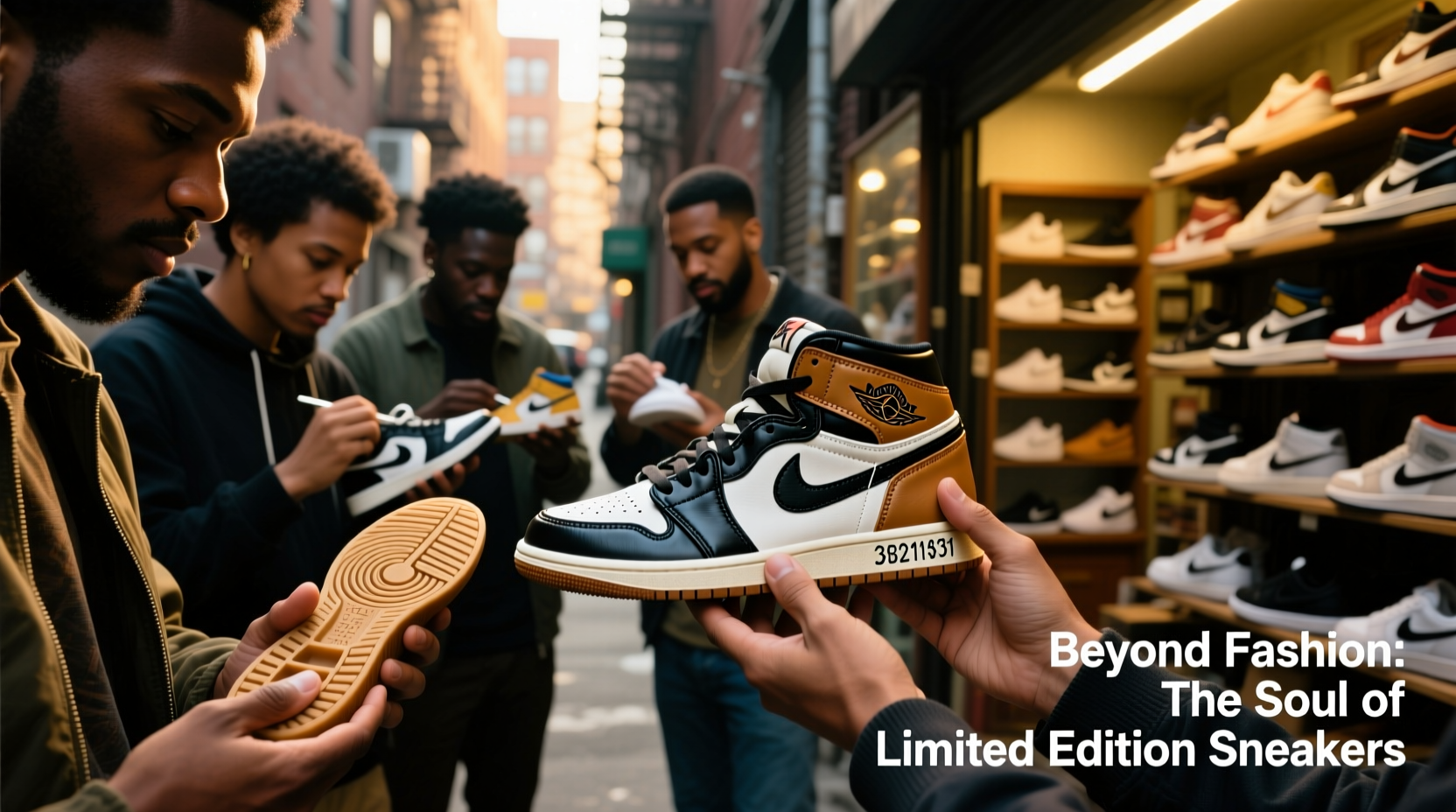
Sneakers often serve as emotional time capsules. A pair released during a pivotal life moment—a graduation, first job, or personal triumph—can become irreplaceable. For others, they symbolize admiration for athletes, musicians, or designers who’ve influenced their worldview. The Air Jordan line, for example, isn’t merely about basketball; it’s about legacy, perseverance, and cultural impact. Collectors don’t just buy shoes; they preserve memories and values.
Take the case of Marcus T., a 34-year-old graphic designer from Chicago. As a teenager, he couldn’t afford the latest Jordans his peers wore. When he finally purchased a retro reissue of the Air Jordan IV “Bred” ten years later, it wasn’t just about owning a coveted model—it was closure. “It felt like I was giving my younger self permission to belong,” he said. This sentiment echoes across thousands of collectors who view sneakers as artifacts of personal growth.
“Sneakers are wearable heirlooms. They carry stories of where we’ve been and who we want to be.” — Dr. Lena Patel, Cultural Anthropologist, University of MichiganTip: Reflect on what certain sneaker models mean to you personally. Are they tied to a memory, an idol, or a turning point? That emotional weight often fuels long-term collecting passion.
Cultural Identity and Community Belonging
Collecting limited edition sneakers is rarely a solitary pursuit. It's embedded in global networks of enthusiasts who gather online, attend release events, and participate in trade shows like Sneakcon or ComplexCon. These communities provide a sense of belonging, especially for individuals who may feel marginalized in other social spaces.
In cities like Tokyo, London, and Los Angeles, sneaker meetups function as both social hubs and informal marketplaces. Members exchange not only shoes but ideas, styling tips, and support. For many young adults, particularly within Black, Latino, and Asian urban communities, sneaker culture offers visibility and respect outside traditional systems of status.
The rise of collaborative designs between brands and artists—from Travis Scott to Kaws—has further deepened this cultural layer. Owning a fragment of that collaboration means participating in a shared narrative. It’s not just ownership; it’s affiliation.
How Sneaker Communities Foster Connection
- Shared language: Terms like “grail,” “FOG,” or “deadstock” create insider identity.
- Collaborative curation: Group buys and raffles strengthen trust among members.
- Digital presence: Reddit threads, Instagram accounts, and Discord servers act as virtual town halls.
- Local pride: City-exclusive drops (e.g., Nike SB Dunk Low “Paris”) spark regional loyalty.
Sneakers as Alternative Investments
One of the most transformative shifts in sneaker culture has been the recognition of rare pairs as viable financial assets. Platforms like StockX, GOAT, and eBay have turned the resale market into a transparent, data-driven economy. According to a 2023 report by StockX, the average annual return on investment for select limited editions exceeded 25%, outperforming traditional markets in certain years.
Consider the Nike Mag “Back to the Future” self-lacing edition. Originally retailing for $720 in 2016, unopened pairs now sell for over $50,000. Similarly, the Adidas Yeezy Boost 750 “OG” released in 2015 routinely trades above $3,000 despite a $350 launch price. These aren’t anomalies—they reflect a growing trend of treating sneakers as appreciating assets.
| Sneaker Model | Original Price (USD) | Avg. Resale Value (2024) | Appreciation Rate |
|---|---|---|---|
| Nike Air Yeezy 2 Red October | $245 | $18,000 | +7,228% |
| Off-White x Air Jordan 1 “Chicago” | $190 | $3,500 | +1,742% |
| Travis Scott x Air Jordan 6 “Reverse Mango” | $200 | $2,200 | +1,000% |
| Adidas Ultraboost x BAPE | $250 | $600 | +140% |
While not all releases yield high returns, strategic collectors apply principles similar to stock investors: diversification, timing, risk assessment, and exit planning. Some even maintain spreadsheets tracking inventory value, wear condition, and market volatility.
Mini Case Study: From Hobbyist to Portfolio Manager
Jamal R., a former teacher in Atlanta, began collecting sneakers as a stress-relief hobby in 2018. After researching market patterns and building relationships with boutique retailers, he started flipping select pairs. By 2022, his annual profit from sneaker resales surpassed his teaching income. He left education to launch a curated consignment service focused on authenticated vintage and rare models. His success wasn’t luck—it was discipline, research, and understanding supply scarcity.
The Artistic and Design Appreciation Factor
For many collectors, sneakers are miniature sculptures—products of engineering, textile innovation, and visual storytelling. Limited editions often push creative boundaries, incorporating unexpected materials (like denim, wood grain, or recycled ocean plastic), hand-painted details, or augmented reality features.
Designers such as Tinker Hatfield (creator of the Air Jordan III) are revered not just within athletic circles but in design institutions. The Museum of Modern Art (MoMA) in New York has included several sneaker models in its permanent collection, citing their influence on industrial design and mass culture.
Collectors who appreciate this dimension often prioritize prototypes, unreleased samples (“PEs”), or artist-customized versions. These pieces may never be worn—they’re displayed like art. Framed boxes, UV-protected shelves, and rotating display cases turn homes into private galleries.
Tip: If you value design, focus on models with notable collaborators, unique construction techniques, or historical significance in footwear evolution.Preservation and Long-Term Care: A Collector’s Responsibility
Unlike clothing or accessories that degrade quickly, well-maintained sneakers can remain pristine for decades. But this requires deliberate care. Exposure to sunlight, humidity, and improper storage accelerates yellowing, sole disintegration, and odor buildup.
Here’s a step-by-step guide to preserving your collection:
- Inspect upon arrival: Check for factory defects before storing.
- Clean gently: Use soft brushes and pH-neutral cleaners; avoid soaking.
- Deodorize naturally: Place cedar shoe trees or silica gel packets inside.
- Store properly: Keep in original boxes, away from direct light, ideally at 68–72°F (20–22°C).
- Rotate if worn: Limit wear of rare pairs to prevent irreversible damage.
- Document ownership: Maintain receipts, authentication certificates, and photos.
Do’s and Don’ts of Sneaker Storage
| Do | Don't |
|---|---|
| Use breathable dust bags | Store in plastic bins without ventilation |
| Keep in climate-controlled room | Leave near windows or heaters |
| Stand boxes upright | Lay boxes flat long-term (can warp soles) |
| Label boxes clearly | Mix sizes or models without separation |
| Check inventory quarterly | Forget to inspect for mold or pests |
Frequently Asked Questions
Are limited edition sneakers a safe investment?
They can be, but with caveats. High-demand collaborations from major brands (Nike, Adidas, New Balance) tend to hold or increase value. However, market saturation, brand controversies, or sudden trend shifts can reduce demand. Always treat sneaker investing as speculative and diversify across asset types.
How do I verify authenticity?
Use professional authentication services like those offered by StockX or Legit Grails. Examine stitching, box labels, serial numbers, and insole details. Beware of deals that seem too good to be true—counterfeits are widespread, especially for hyped releases.
Can I wear my collectible sneakers?
Yes, but sparingly. Many collectors designate certain pairs as “wearables” while keeping others strictly for preservation. Once worn, resale value typically drops significantly, especially if there’s visible wear on the sole or upper.
Action Plan: Building a Meaningful Sneaker Collection
Whether driven by emotion, finance, or aesthetics, a thoughtful approach enhances both enjoyment and sustainability. Follow this checklist to build purposefully:
- ✅ Define your motivation: Is it nostalgia, profit, art, or community?
- ✅ Research upcoming releases using calendars from Sole Retriever or Hypebeast.
- ✅ Set a budget and stick to it—avoid emotional overspending.
- ✅ Invest in proper storage solutions early.
- ✅ Join at least one online sneaker community for insights and support.
- ✅ Authenticate every purchase, especially secondhand ones.
- ✅ Document your collection with photos and notes on significance.
“The best collections tell a story. They’re not just about rarity—they’re about resonance.” — Carlos Mendez, Curator, Streetwear Archive Project
Conclusion: Beyond the Hype, Into Legacy
People collect limited edition sneakers for reasons that transcend fleeting trends. They seek connection—to their past, to communities, to creators. They recognize value where others see mere shoes. And increasingly, they treat their collections with the seriousness of investors, curators, and custodians of culture.
If you’ve ever dismissed sneaker collecting as superficial, consider this: every grail pair represents human aspiration, craftsmanship, and belonging. Whether you're starting your first shelf or expanding a decade-long archive, remember that what you preserve today could inspire someone tomorrow.
🚀 Ready to start your intentional sneaker journey? Identify one pair that speaks to your story, learn its history, and care for it with purpose. Share your first milestone in the comments—your collection begins now.