You water on schedule. You place them near windows. You talk to them (yes, some do). And still, your fiddle-leaf fig drops leaves, your pothos turns yellow, and your snake plant looks like it’s given up. If this sounds familiar, you're not alone. Many indoor gardeners fall into the trap of believing that watering is the golden rule of plant care—when in reality, it's just one piece of a much larger puzzle.
The truth is, overwatering and underwatering are only part of the story. Even with a perfectly timed watering routine, dozens of subtle but critical mistakes can quietly sabotage your indoor plants. From light imbalances to poor soil choices, from container errors to environmental neglect, the reasons behind plant decline are often hidden in plain sight.
This guide dives deep into the overlooked causes of indoor plant death—especially when watering seems “just right”—and offers actionable solutions to help your green companions thrive.
1. Misunderstanding What \"Proper Watering\" Really Means
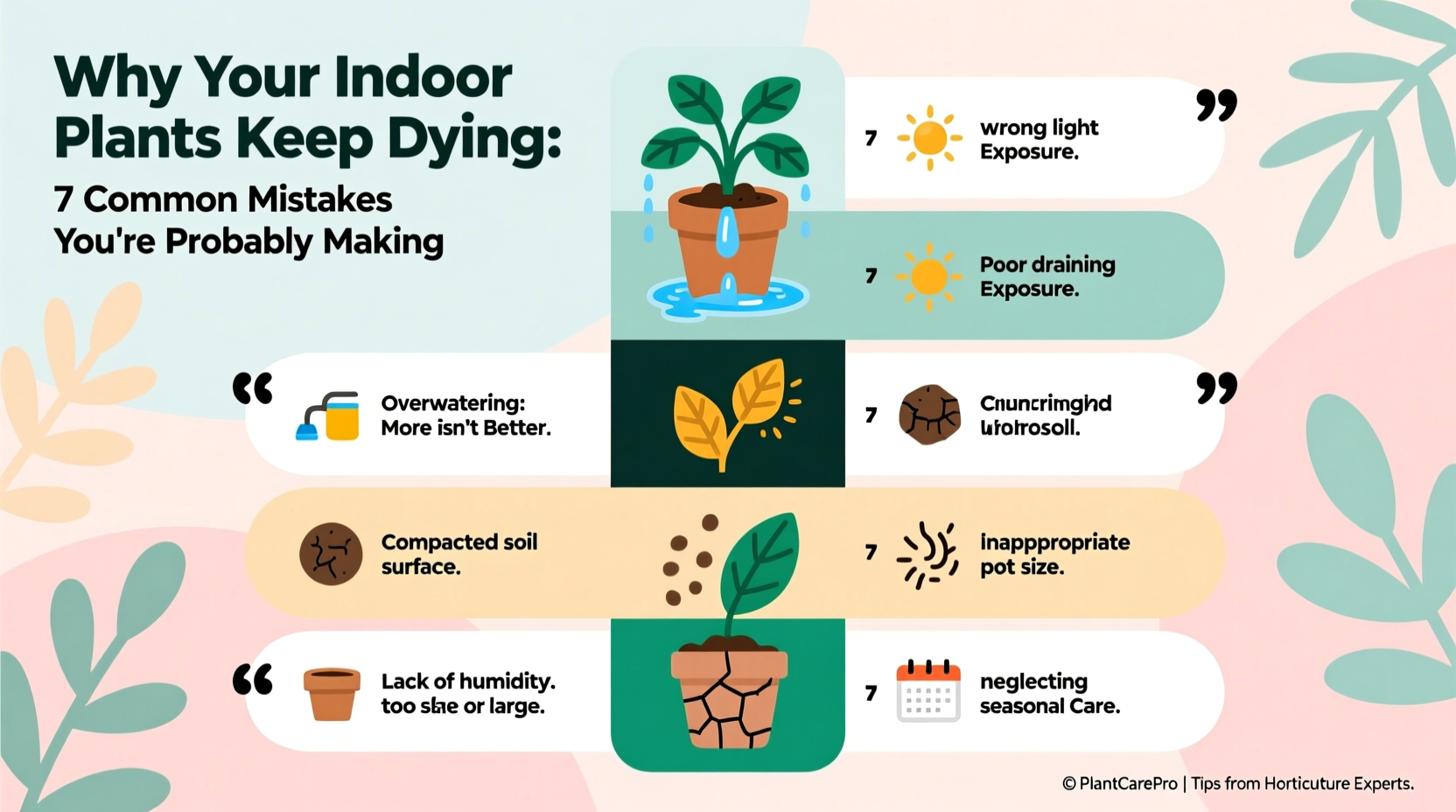
Many assume that watering on a fixed schedule—say, every Saturday morning—is sufficient. But plants don’t live by calendars; they respond to their environment. The same amount of water can be perfect one month and deadly the next, depending on temperature, humidity, light, and season.
Overwatering remains the top killer of houseplants, yet it’s often disguised as responsible care. Signs include yellowing leaves, mushy stems, and a sour smell from the soil—all indicators of root rot. On the flip side, underwatering presents as crispy, brown leaf edges and dry, shriveled soil.
Tip: Always check soil moisture before watering. Stick your finger 1–2 inches into the soil. If it feels damp, wait. If it’s dry, it’s time to water.But even this method isn’t foolproof. Some plants, like succulents and cacti, prefer to dry out completely between waterings, while others, such as ferns and calatheas, dislike drying out at all. Understanding your plant’s specific needs—not generic advice—is essential.
2. Light: The Silent Determinant of Plant Health
Light is the engine of photosynthesis, yet it’s frequently misjudged. A sunny windowsill may seem ideal, but direct midday sun can scorch tropical plants like peace lilies or monsteras. Conversely, placing a sun-loving citrus plant in a dim corner will lead to leggy growth and eventual decline.
Most indoor plants thrive in bright, indirect light. This means they need strong ambient light without direct sunbeams hitting their leaves for extended periods. North-facing windows often provide too little light, while south-facing ones can be too intense without sheer curtains to diffuse the rays.
“Light quality matters more than quantity. A plant under consistent, moderate indirect light will outperform one getting sporadic blasts of harsh sunlight.” — Dr. Lena Torres, Botanist & Urban Horticulturist
To assess your lighting conditions:
- Use a light meter app to measure lux levels.
- Observe shadows: soft, blurry shadows indicate indirect light; sharp shadows mean direct sun.
- Rotate plants weekly to ensure even exposure.
3. Poor Drainage and Container Choices
A beautiful ceramic pot without drainage holes might look elegant on Instagram, but it’s a death sentence for most plants. Without an escape route for excess water, roots sit in saturated soil, leading to oxygen deprivation and fungal infections.
Even with drainage holes, compacted soil or saucers left full of water can create the same problem. Always empty the saucer 15–30 minutes after watering to prevent reabsorption.
| Container Type | Pros | Cons |
|---|---|---|
| Ceramic (with holes) | Breathable, stable, retains moisture well | Heavy, expensive |
| Plastic (with holes) | Lightweight, affordable, good moisture control | Less aesthetic, can degrade in UV light |
| Decorative pot (no holes) | Stylish, wide variety | Risk of waterlogging unless used as outer sleeve |
| Cachepot system | Combines function and design | Requires discipline to remove inner pot for watering |
4. Wrong Soil Mix: One Size Does Not Fit All
Not all potting soils are created equal. Using standard garden soil indoors leads to compaction and poor aeration. Even many commercial “potting mixes” are too dense for certain plants.
Succulents and cacti need fast-draining mixes with added perlite or sand. Orchids require bark-based mediums. Tropicals like monsteras or philodendrons benefit from airy, moisture-retentive blends with coco coir and orchid bark.
Using the wrong mix creates a mismatch between watering frequency and soil behavior. For example, watering a succulent in regular potting soil—even once a week—can drown its roots because the soil stays wet far too long.
Custom Soil Recommendations
- Tropicals: 2 parts potting soil, 1 part perlite, 1 part orchid bark
- Succulents/Cacti: 1 part potting soil, 1 part perlite, 1 part coarse sand
- Orchids: Pre-made orchid mix (bark, charcoal, sphagnum moss)
- Ferns: Peat-based mix with high organic matter and moisture retention
5. Environmental Stress: Humidity, Temperature, and Airflow
Indoor environments are often hostile to tropical plants. Central heating in winter reduces humidity to desert-like levels (below 30%), causing leaf browning and pest infestations. Air conditioning drafts can shock temperature-sensitive species like African violets.
Plants evolved in ecosystems with consistent warmth, humidity, and gentle air movement. Replicating these conditions—even partially—can dramatically improve survival rates.
Increase humidity by:
- Grouping plants together to create microclimates
- Using a humidifier nearby
- Placing pebble trays filled with water beneath pots (ensure pots aren’t sitting in water)
Avoid placing plants near:
- Vents (heating or cooling)
- Doors that slam frequently
- Kitchens with fluctuating temperatures and grease buildup
“African violets thrive at 70°F with 50% humidity. Most homes run at 20–30% in winter. That gap explains why they struggle, even with perfect watering.” — Mark Delgado, Indoor Plant Consultant
Mini Case Study: The Dying Peace Lily
Sarah had a peace lily she’d owned for two years. It bloomed beautifully at first, then began drooping weekly despite her watering it every Friday. She tried fertilizing, moving it closer to the window, even talking to it—but nothing worked.
After consulting a local nursery expert, she discovered three issues:
- The pot lacked drainage holes, causing chronic root rot.
- The soil was compacted and hadn’t been changed in two years.
- The room humidity dropped below 25% in winter due to forced-air heating.
Sarah repotted the plant in a container with drainage using fresh, airy soil and started using a small humidifier nearby. She stopped watering on a schedule and instead checked the soil weekly. Within six weeks, new upright leaves emerged, and the plant eventually rebloomed.
Her mistake wasn’t neglect—it was applying uniform care to a plant with specific, changing needs.
Step-by-Step Guide to Reviving Struggling Indoor Plants
If your plants keep dying, follow this diagnostic and recovery process:
- Assess the symptoms: Yellow leaves? Brown tips? Drooping? Note patterns (older vs. new growth).
- Check the roots: Gently remove the plant from its pot. Healthy roots are firm and white or tan. Mushy, black, or smelly roots indicate rot.
- Evaluate the container: Does it have drainage? Is it too large (holding excess moisture) or too small (rootbound)?
- Test the soil: Is it compacted? Does it stay soggy for days? Consider repotting with appropriate mix.
- Review lighting: Is the plant receiving the right type and duration of light? Adjust placement accordingly.
- Adjust watering: Switch to soil-check method. Allow top layer to dry based on plant type.
- Improve environment: Increase humidity, stabilize temperature, avoid drafts.
- Wait and observe: Recovery takes weeks. Avoid overcorrecting with fertilizer or frequent repotting.
Common Indoor Plant Care Checklist
Use this checklist monthly to prevent recurring issues:
- ✅ Check soil moisture before watering (finger test or moisture meter)
- ✅ Ensure containers have functional drainage
- ✅ Wipe dust off leaves to support photosynthesis
- ✅ Rotate plants for even growth
- ✅ Inspect for pests (look under leaves and along stems)
- ✅ Evaluate light levels seasonally (move plants as sun angles change)
- ✅ Replace old soil every 12–18 months
- ✅ Keep humidity above 40% for tropical species
- ✅ Avoid cold drafts and heat sources
- ✅ Label plants with care requirements for quick reference
FAQ: Frequently Asked Questions
Why are my plant’s leaves turning yellow even though I water regularly?
Yellow leaves often signal overwatering, especially if the lower leaves are affected first. Check for soggy soil and root rot. However, yellowing can also stem from nutrient deficiency, insufficient light, or sudden environmental changes. Always assess the full context before assuming it’s a watering issue.
Can I save a plant with root rot?
Yes, if caught early. Remove the plant from its pot, trim away black, mushy roots with sterile scissors, and repot in fresh, well-draining soil. Reduce watering and avoid fertilizing until new growth appears. Severely rotted plants may not recover, so prevention is key.
How do I know if my plant needs more light?
Signs include slow growth, elongated stems (etiolation), smaller new leaves, and leaning strongly toward the light source. If your plant hasn’t produced new growth in months during the growing season (spring/summer), insufficient light is likely the cause.
Conclusion: Rethink Care Beyond the Watering Can
Your plants aren’t dying because you’re careless—they’re struggling because indoor gardening requires more nuance than most realize. Watering is just one variable in a dynamic system of light, soil, container, humidity, and observation. When a plant declines, it’s rarely due to a single mistake, but a cascade of small oversights.
By shifting from rigid routines to responsive care—observing, adjusting, and learning from each plant—you’ll build the intuition needed to keep them alive and thriving. Start today: pick one plant, reassess its environment using the checklist, and make one meaningful change. Small actions compound into lush, resilient indoor gardens.
🚀 Ready to transform your indoor garden? Pick one tip from this article and apply it tonight. Then share your progress or questions in the comments—let’s grow together!