Cheerleading is a dynamic blend of athleticism, performance, and tradition. One of its most recognizable features—the short skirt—has sparked curiosity, debate, and even controversy over the decades. While some view it as a symbol of femininity or school spirit, others question its practicality and relevance in modern sport. To understand why cheerleading skirts remain so short, it’s essential to examine their historical roots, functional purpose, and evolving role within the culture of cheer.
The Historical Evolution of Cheerleading Uniforms
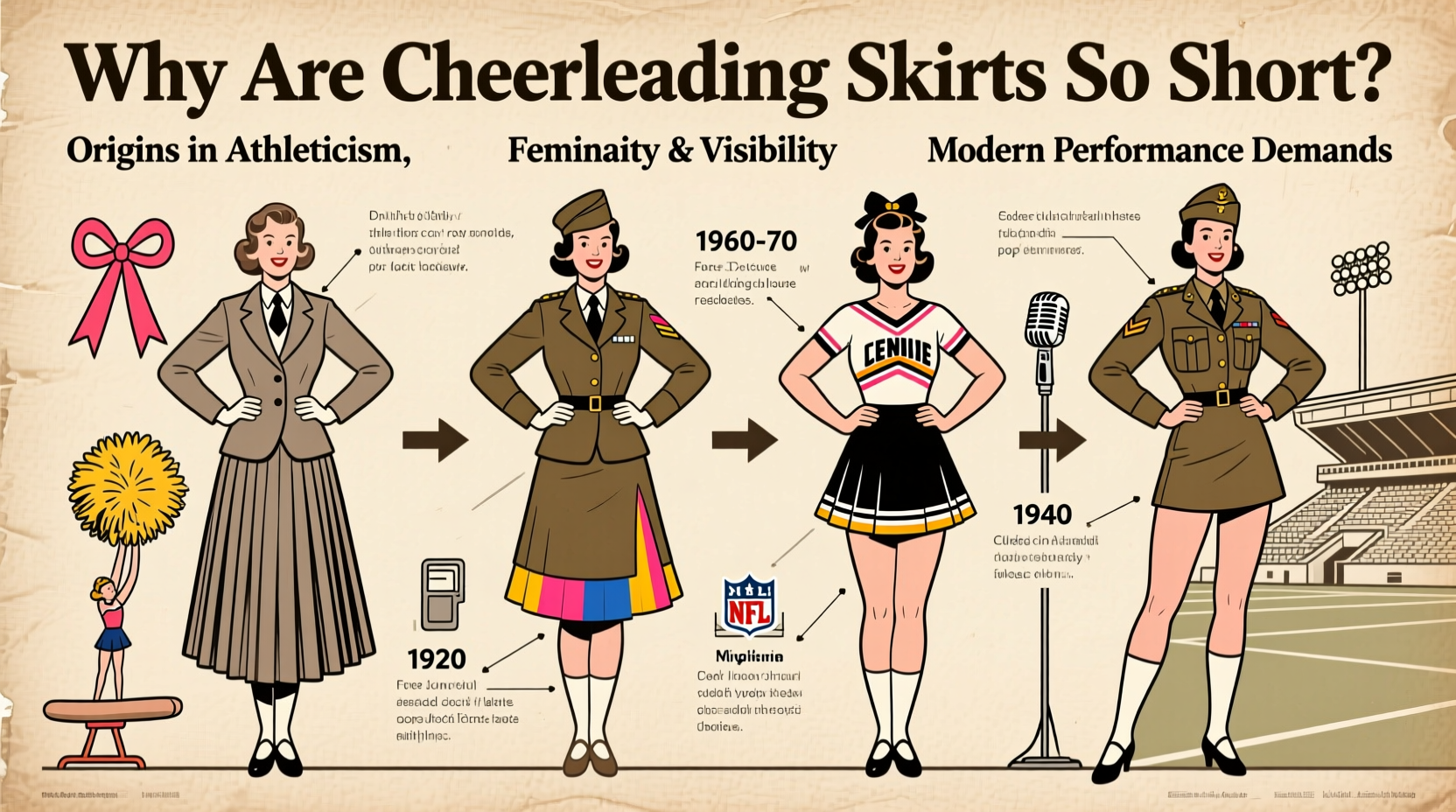
Cheerleading began in the late 19th century as an all-male activity at Ivy League universities. Early cheerleaders wore standard athletic attire—often wool sweaters and pants—focused more on team support than visual spectacle. As women entered the field in the 1920s and 1930s, uniforms began to reflect gender norms of the time. Skirts were introduced not for performance reasons but to emphasize traditional femininity and contrast with male athletes.
By the 1940s and 1950s, cheerleading had become predominantly female. The post-war era emphasized domestic roles and polished appearances, which carried into cheer uniforms. Designers adopted shorter hemlines to create a clean, coordinated look that was easy to spot from the stands. These early skirts typically fell mid-thigh, which by today’s standards might seem modest—but they marked the beginning of a trend toward brevity.
The 1970s and 1980s brought major shifts. As cheerleading evolved into a competitive sport with complex stunts and tumbling, uniforms became tighter and shorter. Manufacturers began prioritizing aesthetics and brand identity, often aligning cheer looks with popular fashion trends. Short skirts became standardized, partly for consistency across squads and partly due to influence from pageantry and dancewear.
Tip: Understanding the historical context helps explain why certain design choices persist—even when they no longer serve a clear functional purpose.Functional Reasons Behind Short Skirts
Despite criticism, short skirts do offer practical advantages in high-motion environments. Cheerleading involves jumps, splits, cartwheels, and aerial stunts—all requiring unrestricted movement. A shorter skirt reduces fabric drag and minimizes the risk of entanglement during lifts or pyramids.
- Mobility: Long skirts could catch on limbs or equipment, posing safety risks during fast-paced routines.
- Ventilation: Lightweight, minimal fabric helps regulate body temperature during intense physical activity.
- Visibility: Judges and audiences can clearly see leg motions, which are scored elements in competitive cheer.
- Uniformity: Short hemlines ensure consistent appearance across diverse body types and heights.
In elite competitions, where precision and synchronization matter, any variation in uniform length could be seen as unprofessional. Standardized short skirts eliminate discrepancies and maintain a polished group aesthetic.
Cultural and Branding Influences
Beyond function, cheerleading skirts serve symbolic and marketing purposes. Schools and organizations use uniforms to project identity, pride, and unity. The short skirt has become part of that visual language—an instantly recognizable emblem of school spirit.
Moreover, media representation has reinforced the association between cheerleading and glamour. Films like *Bring It On* and televised college games often highlight the visual appeal of cheer squads, sometimes at the expense of acknowledging their athleticism. This portrayal influences public perception and, in turn, uniform design.
“Cheerleading uniforms walk a fine line between athletic necessity and institutional image. The skirt isn’t just clothing—it’s branding.” — Dr. Lena Peterson, Sports Sociologist, University of Michigan
Some critics argue that the emphasis on appearance undermines the physical rigor of the sport. Yet many cheer programs now pair short skirts with performance shorts or spandex liners, balancing modesty with mobility. This hybrid approach reflects growing awareness of both athletic integrity and personal comfort.
Modern Adaptations and Alternatives
In recent years, teams have begun reevaluating uniform standards. Concerns about body image, inclusivity, and athlete autonomy have prompted discussions about updating traditional designs. Some schools now offer longer skirt options, skorts (skirt-shorts hybrids), or full-length warm-up skirts for colder weather or non-performance settings.
A growing number of international and all-star cheer programs have adopted more athletic-inspired looks, including crop tops with compression leggings or track-style bottoms. These changes reflect a shift toward prioritizing performance over presentation.
| Era | Sideline Cheer Skirt Length | Competitive Cheer Trends |
|---|---|---|
| 1940s–1960s | Mid-thigh | Wool blends, modest cuts |
| 1970s–1990s | High-thigh (3–5 inches above knee) | Synthetic fabrics, bold colors |
| 2000s–Present | Very short (1–3 inches above knee) | Spandex blends, built-in shorts, customizable designs |
Checklist: Evaluating Cheer Skirt Design for Your Squad
- Assess the range of motion required in your routines
- Determine climate and venue conditions (indoor vs. outdoor)
- Consider athlete feedback on comfort and confidence
- Evaluate school or organization branding guidelines
- Explore options with built-in liners or alternative bottom pieces
- Ensure compliance with competition regulations (if applicable)
Real-World Example: The Westfield High Cheer Reform Initiative
In 2021, Westfield High School in Indiana launched a pilot program allowing cheerleaders to choose between traditional mini-skirts and full-length athletic skirts during football season. Coaches reported no impact on performance, while student surveys showed increased comfort and focus. After one season, the school made alternative bottoms a permanent option.
“We still wear the short skirts for competitions because they’re part of our official uniform,” said senior captain Mia Thompson. “But having a choice for cold games means we can stay warm and confident without breaking tradition.”
The initiative received national attention and inspired similar reviews in neighboring districts. It demonstrated that honoring tradition doesn’t require sacrificing practicality or personal agency.
Frequently Asked Questions
Do cheerleaders wear anything under their skirts?
Yes, nearly all modern cheerleading skirts come with attached spandex shorts or briefs. Many athletes also wear additional bike shorts or leggings for extra coverage and comfort, especially during stunts or outdoor performances.
Are there rules about how short cheer skirts can be?
While there’s no universal regulation, most competitive leagues—including the Universal Cheer Association (UCA) and National Cheerleaders Association (NCA)—require skirts to be worn as designed, with no specific minimum length. However, schools and conferences may impose their own dress codes.
Why haven’t cheer skirts gotten longer over time if there’s criticism?
Tradition, branding, and visibility play key roles. For many institutions, the short skirt remains a symbolic part of school identity. Additionally, changes in fashion and sportswear have kept hemlines short across various performance disciplines. That said, increasing demand for inclusive and functional apparel is driving gradual evolution.
Conclusion: Balancing Tradition and Progress
The short cheerleading skirt is more than a fashion statement—it’s a product of history, function, and cultural expectation. While rooted in outdated gender norms, it has adapted to serve real athletic needs in a high-intensity sport. Today, the conversation is shifting from uniform conformity to athlete empowerment, with more teams embracing flexibility and choice.
Whether preserving tradition or pioneering change, the future of cheerleading uniforms lies in listening to the athletes who wear them. By blending respect for legacy with innovation in design, squads can honor their past while supporting the physical and emotional well-being of their members.
💬 What do you think about cheerleading skirt design? Have you experienced changes in your squad’s uniform policy? Share your thoughts and experiences in the comments below—we’d love to hear how traditions are evolving across communities!








