
Walking your dog in the rain shouldn’t mean coming home with a shivering, dripping pet. Many pet owners assume any jacket labeled “water-resistant” is enough to keep their dog dry. But when skies open up, not all jackets perform equally. The difference between waterproof and water-resistant materials can mean the difference between a comfortable walk and a soggy disaster—especially when budget options enter the equation.
With so many choices on the market, from $15 Amazon finds to $100+ premium brands, it’s fair to ask: Will the cheaper jacket really get your dog soaked? The answer isn’t just about price—it’s about construction, materials, and intended use. Let’s break down what these terms actually mean, how they perform in real-world conditions, and whether saving money today could cost you in discomfort tomorrow.
Understanding the Difference: Waterproof vs Water Resistant
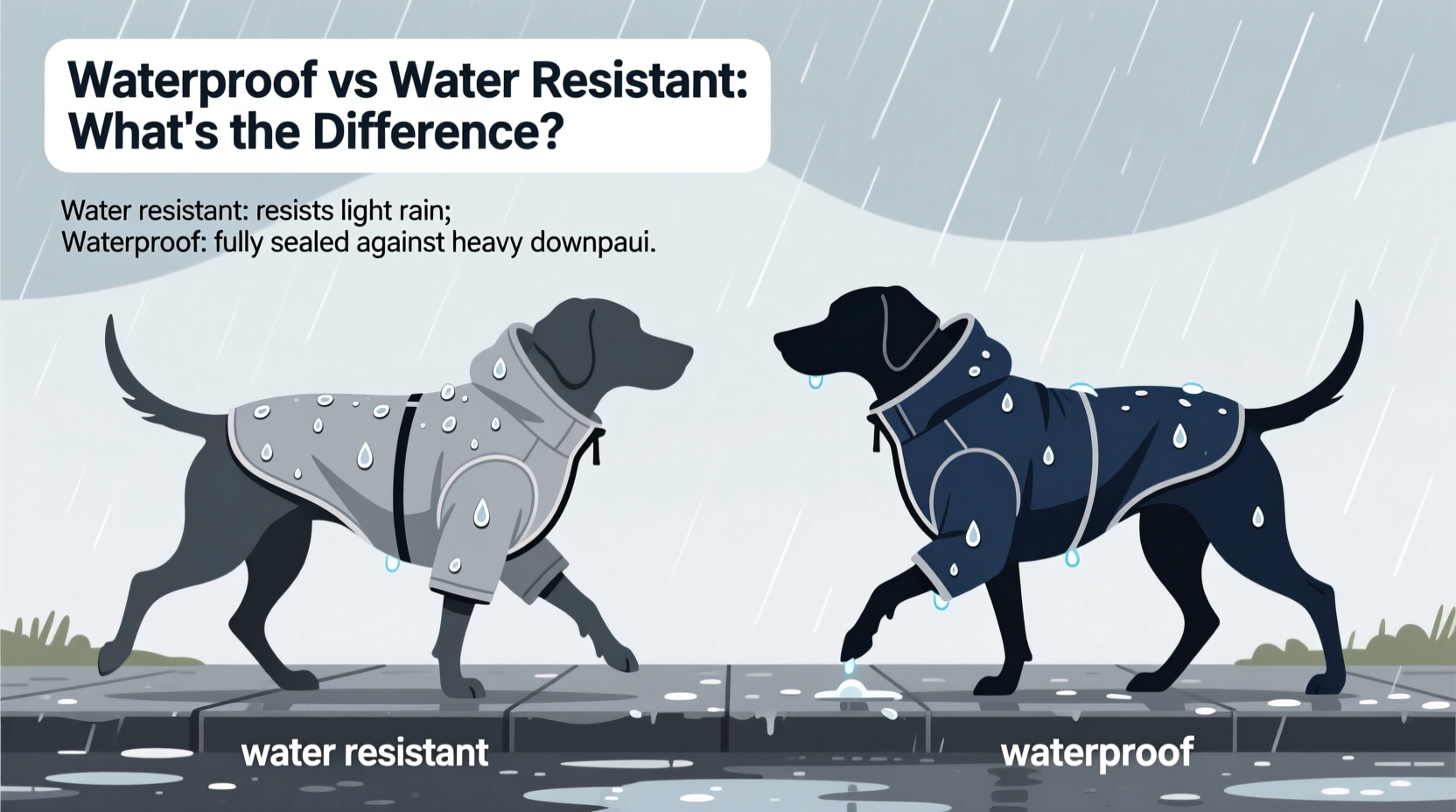
The terms “waterproof” and “water-resistant” are often used interchangeably, but they represent two very different levels of protection.
- Water-resistant: These jackets repel light moisture for a limited time. They may handle drizzle or brief exposure to damp grass but will eventually absorb water under sustained rain or heavy splashing.
- Waterproof: True waterproof jackets are constructed with sealed seams, laminated membranes (like Gore-Tex or similar), and high-denier fabrics that prevent water penetration even during prolonged downpours.
The key distinction lies in durability under pressure. A water-resistant jacket might bead water initially, but once the fabric’s Durable Water Repellent (DWR) coating wears off or becomes overwhelmed, moisture seeps through. Waterproof jackets are engineered to resist this saturation.
“Many budget jackets claim to be ‘rainproof’ or ‘water-repellent,’ but without seam sealing and proper membrane layers, they’re only effective in light conditions.” — Dr. Lisa Tran, Veterinary Behaviorist & Canine Wellness Consultant
What Happens When a Cheap Jacket Fails?
Cheap dog jackets often use thin polyester or nylon shells with a basic water-repellent spray finish. While affordable, these materials degrade quickly with washing and UV exposure. After just a few uses, the outer layer stops beading water, and the inner lining begins absorbing moisture.
When this happens, your dog doesn’t just get wet—it gets cold. Wet fur loses its insulating properties, increasing the risk of hypothermia in chilly weather. Dogs with short coats, senior pets, or small breeds are especially vulnerable.
Tip: If your dog’s jacket feels damp after 10 minutes in steady rain, it’s likely only water-resistant—and possibly ineffective beyond light showers.Mini Case Study: Bella the Beagle
Jessica bought a $17 water-resistant jacket for her beagle, Bella, during a sudden autumn storm. The first few walks went fine—the jacket seemed to hold off mist and puddle splash. But during a 20-minute walk in moderate rain, Bella began shivering. By the time they got home, her chest and belly were soaked, despite the jacket covering her back.
Upon inspection, Jessica noticed the fabric had stopped beading water and was visibly darkening with absorbed moisture. The stitching along the sides wasn’t sealed, allowing water to wick inward. Bella’s fur trapped the dampness, leading to discomfort and a longer drying time than expected.
This scenario is common with entry-level jackets. They offer psychological comfort more than functional protection.
Material Matters: What to Look For
Not all jackets are built the same—even among waterproof models. Here’s what separates reliable performance from marketing hype:
- Fabric Denier: Higher denier (e.g., 600D or above) means thicker, more durable material less prone to tearing and water absorption.
- Membrane Technology: Look for terms like “Taped seams,” “PU-coated,” or “breathable membrane.” These indicate true waterproofing.
- DWR Coating: A surface treatment that causes water to bead up and roll off. This wears off over time but can sometimes be reapplied.
- Fit and Coverage: Even the best jacket fails if it doesn’t cover the chest, belly, and neck adequately.
| Feature | Budget Water-Resistant Jacket | Premium Waterproof Jacket |
|---|---|---|
| Price Range | $10–$30 | $50–$120 |
| Fabric Quality | Thin nylon/polyester (150D–300D) | Heavy-duty fabric (600D+), often ripstop |
| Seams | Stitched only (no sealing) | Taped or welded seams |
| Water Protection | Short-term repellency | Long-term waterproof barrier |
| Breathability | Limited; traps sweat | Engineered airflow; reduces overheating |
| Lifespan | 1–3 seasons with regular use | 3+ years with care |
Step-by-Step Guide: Choosing the Right Jacket for Your Dog
Follow this practical process to avoid wasting money on ineffective gear:
- Assess Your Climate: Do you face frequent rain, snow, or just occasional drizzle? Daily walkers in rainy regions need true waterproofing.
- Evaluate Your Dog’s Needs: Small dogs, seniors, or breeds with thin coats (e.g., Chihuahuas, Greyhounds) benefit most from full coverage and insulation.
- Check Product Details: Avoid vague terms like “rain-ready.” Look for specific claims: “fully taped seams,” “hydrostatic head rating of 5,000mm+,” or “breathable membrane.”
- Read Real Reviews: Search for user photos showing the jacket in actual rain. Look for comments like “kept my dog dry in a downpour” or “started leaking after 10 minutes.”
- Test It Safely: On your first rainy walk, monitor your dog closely. Feel under the jacket after 10–15 minutes. If the fur is damp, the jacket isn’t performing as needed.
FAQ: Common Questions About Dog Rain Jackets
Can a water-resistant jacket be good enough?
Yes—for very light conditions. If you only walk in drizzle or for short durations, a well-made water-resistant jacket may suffice. But if rain is steady or your dog spends time outdoors, upgrade to waterproof.
Do waterproof jackets make dogs overheat?
Lower-quality waterproof jackets can trap heat, but modern breathable designs allow moisture vapor (sweat) to escape while blocking external water. Look for ventilation zones or mesh linings to reduce overheating risk.
How do I maintain a waterproof jacket?
Clean it according to the manufacturer’s instructions—usually gentle machine wash or hand wash. Avoid fabric softeners, which degrade DWR coatings. Reapply a pet-safe DWR spray every 6–12 months if water no longer beads on the surface.
Checklist: Before You Buy a Dog Rain Jacket
- ✅ Confirmed “waterproof” with taped seams (not just “water-resistant”)
- ✅ Covers from neck to tail, ideally with belly protection
- ✅ Adjustable straps for secure, gap-free fit
- ✅ Breathable lining to prevent sweating
- ✅ Reflective details for low-light visibility
- ✅ Machine-washable or easy to clean
- ✅ Positive reviews mentioning real rain performance
Conclusion: Is the Cheaper Jacket Worth the Risk?
The short answer: Often, no. A cheaper water-resistant jacket may keep your dog dry for the first five minutes of a light shower, but it won’t stand up to real weather. Once soaked, your dog loses body heat rapidly, leading to discomfort, reluctance to walk, and even health risks in extreme cases.
Investing in a true waterproof jacket pays off in reliability, longevity, and your dog’s well-being. Think of it not as a seasonal accessory, but as essential outdoor gear—just like your own raincoat.
💬 Your dog deserves to stay dry and comfortable—rain or shine. Share your experience with dog jackets in the comments below. Have you been caught in a storm with a failing jacket? What worked (or didn’t)? Help fellow pet owners make smarter choices.








