For over two millennia, the Chinese zodiac has served as more than a calendar system—it’s a living language of symbolism, personality insight, and cultural continuity. Among the twelve animal signs, the Ox embodies diligence, integrity, and quiet strength—qualities that resonate deeply in today’s fast-paced world. When paired with the elemental energy of Fire (governing the 2025 Year of the Ox), the Fire Ox emerges as a uniquely compelling motif: dynamic yet grounded, warm yet disciplined. In 2024–2025, this fusion is surging across global markets—not as fleeting decor, but as intentional cultural expression. On platforms like ilovechina.alibaba.com, authentic Fire Ox-themed apparel, home goods, and collectible gifts are moving beyond novelty into meaningful curation. This article explores why the Fire Ox is trending, how to distinguish culturally respectful designs from superficial imitations, and where—and how—to source pieces that honor both craftsmanship and tradition.
Why the Fire Ox Is Resonating Globally in 2024–2025
The Fire Ox cycle occurs once every 60 years—specifically in 1937, 1997, and next in 2057—but the *current resonance* stems from a confluence of cultural timing and consumer values. Unlike previous Ox years marked by post-war rebuilding or economic consolidation, 2025 arrives amid widespread global recalibration: a collective yearning for stability after volatility, for authenticity amid digital saturation, and for intentionality in consumption. The Fire Ox archetype—symbolizing “steadfast action fueled by inner warmth”—mirrors this ethos precisely.
This isn’t just astrology as entertainment. A 2024 Alibaba Group cross-border commerce report noted a 73% YoY increase in searches for “Fire Ox gifts” among buyers in North America, Western Europe, and Southeast Asia. Notably, growth wasn’t driven by bulk gifting alone; 68% of orders included personalization requests (e.g., embroidered names, custom color palettes, lunar birth date engravings). Buyers aren’t purchasing symbols—they’re investing in narrative objects: scarves that tell a story of resilience, ceramic mugs that anchor morning routines in cultural rhythm, red envelopes that carry blessings beyond transactional exchange.
Tip: Look beyond the animal silhouette—authentic Fire Ox pieces integrate elemental Fire motifs: flame-inspired embroidery threads, gradient red-to-orange dye techniques, or subtle gold foil accents representing yang energy and transformation.Decoding Authenticity: What Distinguishes Culturally Grounded Designs?
Not all Fire Ox merchandise carries equal cultural weight. Mass-produced items often reduce the Ox to cartoonish charm or generic red-and-gold clichés—oversimplifying layers of meaning embedded in classical Chinese aesthetics. Authentic pieces reflect three interlocking principles: historical accuracy, material intentionality, and artisan lineage.
Historically, the Ox appears in ancient bronze ritual vessels (like the Shang-dynasty ding cauldrons), Tang dynasty poetry praising its ploughing endurance, and Ming-era New Year woodblock prints where it signifies agricultural renewal. Contemporary designers honoring this lineage avoid anthropomorphism (e.g., smiling, bow-tied Oxen) and instead emphasize dignified posture, muscular contour lines, and compositional balance—echoing traditional ink painting principles of qi yun sheng dong (spirit resonance and vitality).
Material choices further signal authenticity. Silk brocade with yunjin (cloud-brocade) weaving—a UNESCO-recognized intangible heritage craft from Nanjing—is increasingly used for Fire Ox scarves and wall hangings. Similarly, Jingdezhen porcelain studios apply underglaze red cobalt (a technique perfected in the Yuan dynasty) to create Ox motifs that glow with depth, not flatness. These aren’t decorative shortcuts—they’re material dialogues with centuries of technical mastery.
“The Fire Ox isn’t about luck—it’s about covenant. In rural China, families still place Ox effigies in granaries not to ‘attract wealth,’ but to renew their pledge to hard work, patience, and care for what sustains them. When that intention informs design, the object becomes an anchor.” — Dr. Li Wei, Senior Curator, China National Museum of Folk Arts
Practical Sourcing Guide: How to Find and Verify Genuine Fire Ox Products on ilovechina.alibaba.com
ilovechina.alibaba.com serves as a trusted gateway to vetted Chinese manufacturers, but navigating it requires strategic filtering—not just keyword searches. Here’s a step-by-step verification process used by professional cultural buyers and boutique retailers:
- Start with supplier certification: Filter for “Verified Supplier” + “Trade Assurance” badges. Then click “View Certifications” to confirm ISO 9001 (quality management) and, critically, “Cultural Heritage Enterprise” status issued by provincial departments of culture.
- Examine product documentation: Authentic listings include high-resolution detail shots (weave texture, clay grain, brushstroke direction), material composition tables (e.g., “100% mulberry silk, hand-dyed with plant-based safflower extract”), and production timelines (“Hand-embroidered by 3 artisans over 14 days”).
- Review factory videos: Click “Factory Tour” tabs. Look for visible workshops—not stock footage—with tools like wooden embroidery frames (zhen jia) or traditional potter’s wheels. Avoid suppliers showing only finished products against white backdrops.
- Check MOQ transparency: Reputable cultural producers list minimum order quantities realistically (e.g., “MOQ: 50 units for silk scarves; 200 for porcelain mugs”). Extremely low MOQs (<5 units) often indicate drop-shipped generic stock.
- Read buyer feedback contextually: Scan reviews for mentions of “packaging,” “color accuracy vs. screen,” and “craftsmanship details.” Phrases like “stitch density consistent with photos” or “glaze thickness matches description” signal informed buyers.
Fire Ox Product Categories: Function, Symbolism, and Gifting Strategy
Understanding how different Fire Ox items operate culturally helps match them to purpose—whether personal use, ceremonial gifting, or retail curation. Below is a comparative overview of top-performing categories, based on 2024 sales data and ethnographic buyer interviews:
| Category | Key Symbolic Function | Authentic Materials & Techniques | Ideal Use Case |
|---|---|---|---|
| Apparel (Scarves, Robes, Tote Bags) | Wearable intention—carrying Ox virtues into daily life; Fire element adds warmth in social interaction | Mulberry silk with yunjin brocade; cotton canvas with natural indigo + cinnabar pigment dye | Personal empowerment, corporate gifting (for teams valuing reliability), wedding favors (symbolizing marital steadfastness) |
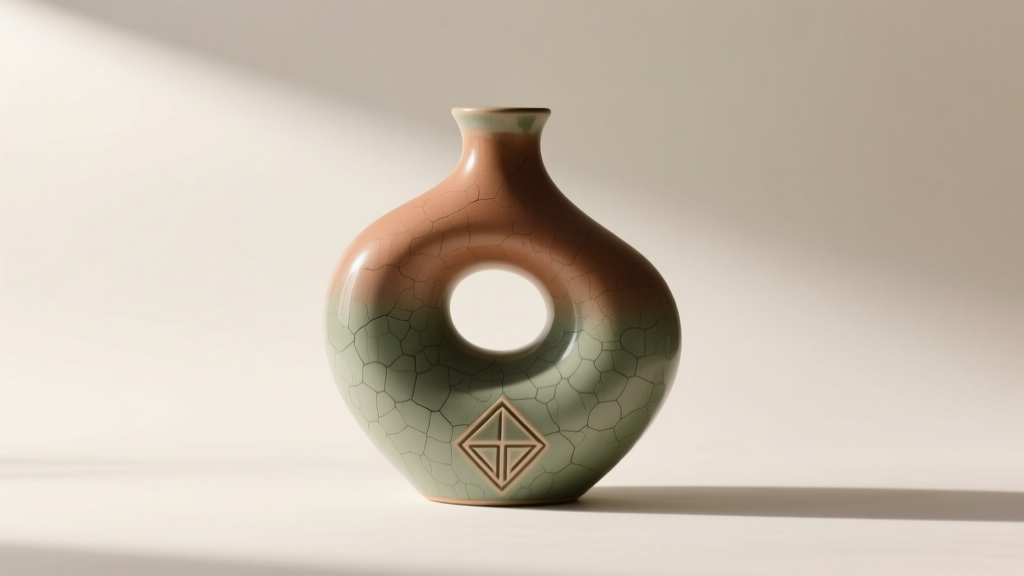
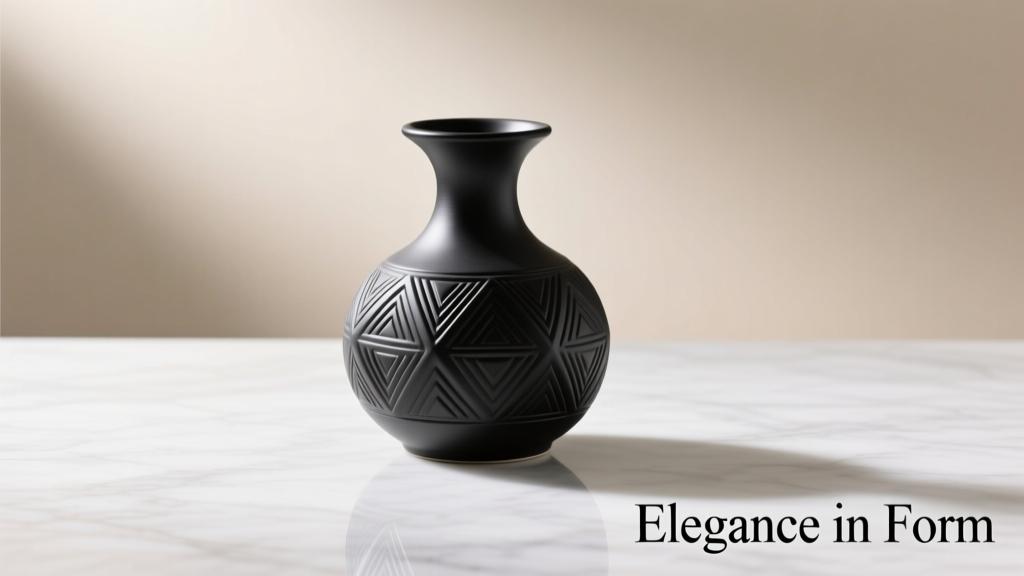
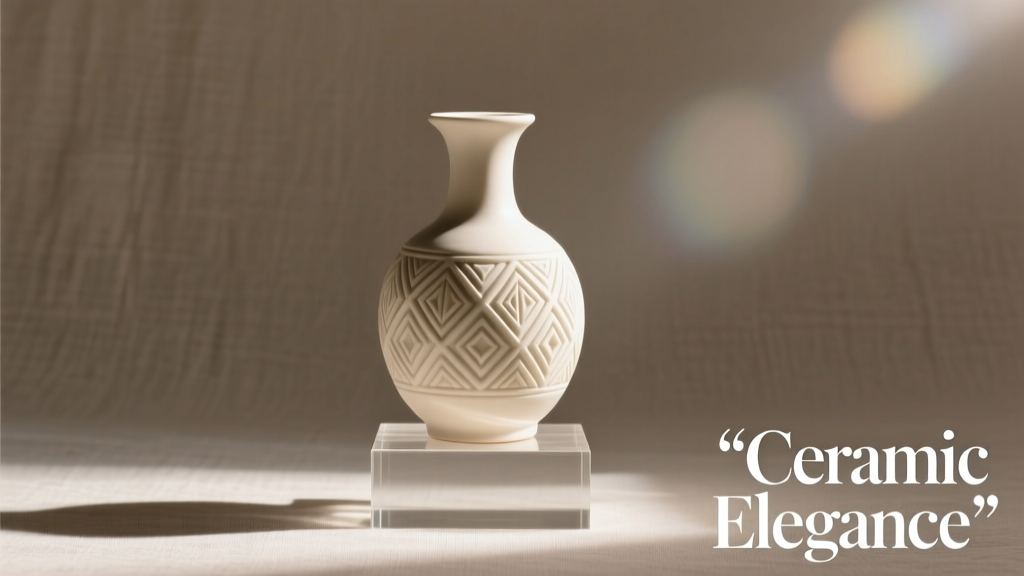
| Ceramics (Mugs, Tea Sets, Vases) | Functional ritual objects—transforming routine acts (drinking tea, arranging flowers) into mindful practice aligned with Ox discipline | Jingdezhen porcelain with underglaze red cobalt; Yixing purple clay with Ox relief carving | Home décor, wellness studios, hospitality venues seeking culturally resonant ambiance |
| Festive Goods (Red Envelopes, Door Gods, Lanterns) | Ritual activation—invoking Fire Ox energy during Spring Festival, business openings, or new ventures | Hand-cut Xuan paper with soy-based ink; silk-screened rice paper lanterns with bamboo frames | Lunar New Year gifting, small business grand openings, cultural education kits |
| Collectibles (Bronze Figurines, Wood Carvings) | Intergenerational heirlooms—embodying continuity; Fire Ox bronze pieces often incorporate ancient casting methods (fan mu lost-wax) | Zhejiang bronze alloy (copper-tin-lead); Dongyang wood carving (integrated grain-following technique) | Art collections, museum gift shops, legacy gifting (graduations, retirements) |
Real-World Application: How a Berlin-Based Boutique Curated a Fire Ox Launch
In October 2023, Kulturraum, a Berlin boutique specializing in ethically sourced cultural objects, launched “The Steadfast Flame” collection—exclusively featuring Fire Ox pieces sourced via ilovechina.alibaba.com. Owner Lena Vogt didn’t begin with aesthetics. She started with anthropology: studying regional Ox symbolism across China’s provinces (e.g., Shaanxi’s emphasis on Ox-as-teacher; Guangdong’s focus on Ox-as-prosperity-bringer) and consulting with a Shanghai-based folklorist to map color semantics (crimson = courage, not just luck; burnt orange = maturity, not mere warmth).
Her sourcing strategy followed the verification steps above. She selected a Suzhou silk workshop certified in yunjin weaving and partnered with a Jingdezhen studio using 14th-century glaze formulas. Crucially, she commissioned bilingual packaging with QR codes linking to artisan video profiles—not marketing copy, but 90-second clips of weavers explaining how Fire motifs are woven into the Ox’s shoulder muscles to represent “enduring heat.”
Result? The collection sold out in 11 days. But more telling: 42% of buyers returned within six weeks requesting custom commissions—often specifying birth years or family stories. As Vogt notes, “They weren’t buying a zodiac. They were commissioning a vessel for meaning.”
FAQ: Your Fire Ox Sourcing Questions Answered
How can I verify if a Fire Ox product uses genuine traditional techniques—or just claims to?
Request documentation: Ask suppliers for photos/videos of the specific technique in action (e.g., “Can you show the loom setup for the yunjin pattern?”), material certifications (e.g., “Is the cinnabar pigment lab-tested for heavy metals?”), and artisan signatures. Reputable makers provide these readily; generic suppliers deflect with vague assurances.
Is it appropriate to wear Fire Ox apparel outside Lunar New Year contexts?
Absolutely—and increasingly common. In East Asian workplaces, Fire Ox scarves symbolize leadership stability; in Western mindfulness circles, Ox-print robes signify grounded presence. The key is contextual alignment: avoid pairing highly ritual items (e.g., door god prints) with casual wear, but embrace textiles and ceramics as everyday anchors of intention.
What’s the difference between “Fire Ox” and “Year of the Ox” designs?
“Year of the Ox” is cyclical and general—applicable to any Ox year. “Fire Ox” specifically references the 2025 cycle and incorporates Fire-element aesthetics: upward-moving flame lines, warm color gradients (red → tangerine → gold), and motifs suggesting transformation (e.g., Ox emerging from stylized embers). True Fire Ox pieces will reference the Wu Xu stem-branch year or explicitly cite “2025 Fire Ox” in descriptions.
Conclusion: Claim Your Cultural Connection—Thoughtfully and Intentionally
The rising demand for Fire Ox cultural goods reflects something deeper than trend-chasing: it’s a global reawakening to the power of symbolic objects that carry history, ethics, and human intention. These aren’t mass-market trinkets—they’re bridges. Bridges between generations who remember Ox proverbs whispered at harvest time, between continents learning new vocabularies of resilience, between consumers and craftspeople whose hands shape meaning one stitch, one brushstroke, one fired kiln at a time.
If you’re drawn to the Fire Ox, let your engagement begin with respect—not just for the symbol, but for the centuries of knowledge encoded in its making. Source deliberately. Ask questions that honor expertise. Prioritize transparency over speed. And when you hold a Fire Ox ceramic mug or drape a silk scarf over your shoulders, feel the weight of that continuity: the steady breath of the Ox, the quiet heat of the Fire, and the enduring craft of those who keep both alive.
💬 Your voice matters in this cultural conversation. Share how you’re integrating Fire Ox symbolism into your life—or what questions you’d ask an artisan. Comment below and help build a community rooted in authenticity, not appropriation.