2013 was a year of quiet intensity in Chinese cosmology—the Year of the Water Snake (February 10, 2013 – January 30, 2014). Unlike the flamboyant Dragon or assertive Tiger, the Water Snake embodied subtlety, strategic intuition, and refined elegance. In China’s consumer and design landscape, this energy translated into a distinctive wave of cultural merchandise: not just mass-produced trinkets, but thoughtfully crafted gifts and apparel that honored tradition while speaking to contemporary aesthetics. This article examines what made 2013’s zodiac expression uniquely resonant—how artisans interpreted Water Snake symbolism, which product categories gained traction, how cultural authenticity intersected with commercial appeal, and why buyers on platforms like ilovechina.alibaba.com found enduring value in these offerings long after the lunar year ended.
The Water Snake: Symbolism That Shaped Design Language
In Chinese astrology, each zodiac animal is paired with one of the Five Elements (Wood, Fire, Earth, Metal, Water), cycling every 60 years. The 2013 Water Snake was the sixth iteration of the Snake in the current cycle—and the first Water Snake since 1953. Water amplifies the Snake’s innate traits: perception, adaptability, and emotional depth—while softening its sharper edges. Where the Fire Snake (1977) conveyed charisma and dynamism, the Water Snake evoked serenity, discernment, and quiet confidence. This duality became the cornerstone of visual storytelling in 2013’s trend-led designs.
Designers across Zhejiang, Guangdong, and Jiangsu provinces responded not with literal serpent illustrations, but with coded elegance: undulating wave motifs interwoven with coiled patterns; indigo-dyed silk featuring subtle scale-like textures; porcelain vases glazed in deep cobalt and celadon—colors associated with Water and wisdom. Even packaging reflected the ethos: minimalist boxes wrapped in rice paper stamped with faint ink-wash snakes, avoiding cartoonish or aggressive imagery. As Dr. Li Wei, Senior Curator at the Shanghai Museum of Folk Arts, observed:
“The 2013 Water Snake didn’t shout—it whispered. Buyers weren’t looking for novelty; they sought resonance. A scarf wasn’t just ‘Snake-themed’—it carried the hush of a mist-covered riverbank at dawn. That nuance separated souvenir-grade items from culturally grounded pieces.” — Dr. Li Wei, Senior Curator, Shanghai Museum of Folk Arts
Top 5 Trending Product Categories & Their Cultural Logic
Unlike previous years dominated by bold red-and-gold motifs, 2013’s best-selling items emphasized restraint, craftsmanship, and layered meaning. These five categories defined the year’s commercial and aesthetic pulse:
- Lunar New Year Gift Sets with Narrative Packaging: Boxes containing tea, hand-poured soy wax candles, and calligraphy scrolls—all bearing coordinated Water Snake motifs. Each item included a small booklet explaining the symbolism behind its design choices (e.g., chrysanthemum-patterned tea tins referencing longevity and resilience).
- Embroidered Silk Scarves & Shawls: Featuring double-layer satin-stitch embroidery depicting water lilies, winding streams, and stylized serpents rendered in silver-gray, deep navy, and muted jade threads. Produced primarily in Suzhou, these pieces prioritized tactile quality over speed—many took 8–12 days per scarf.
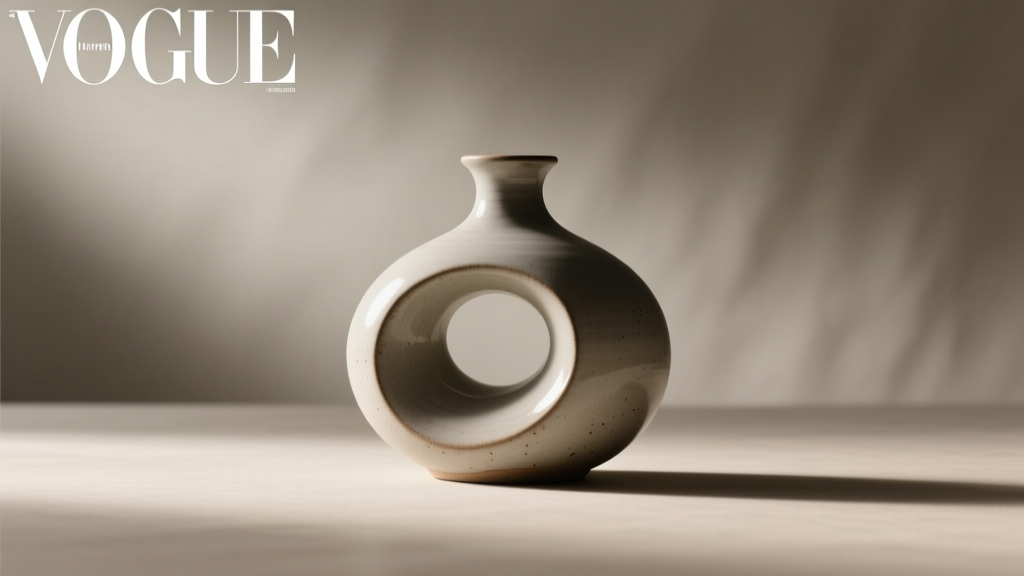
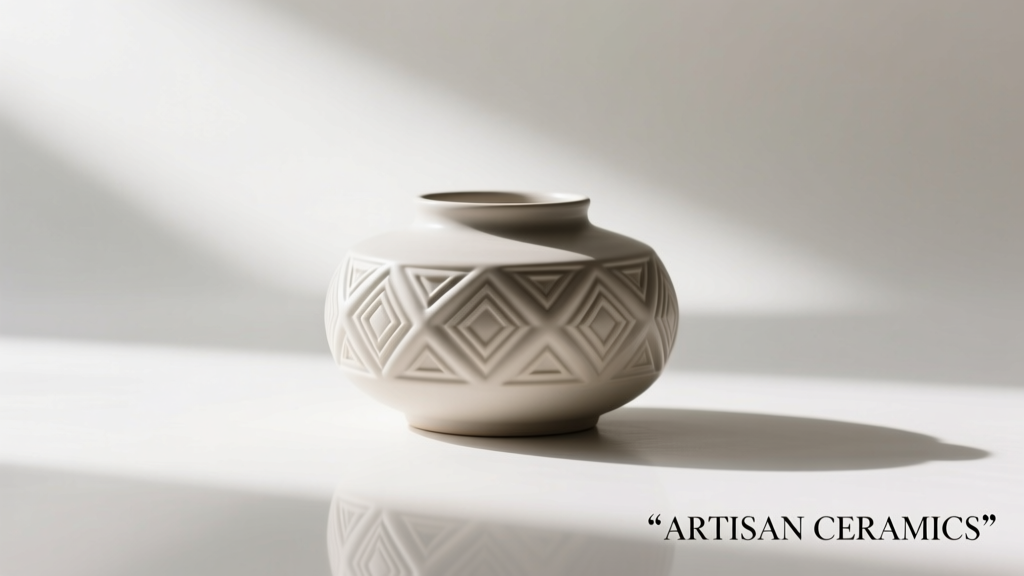
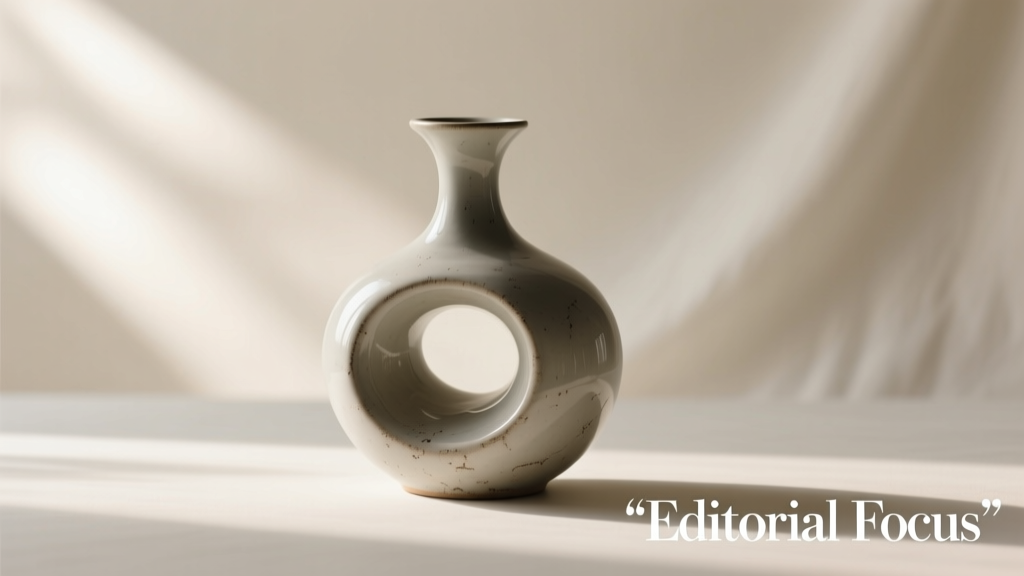
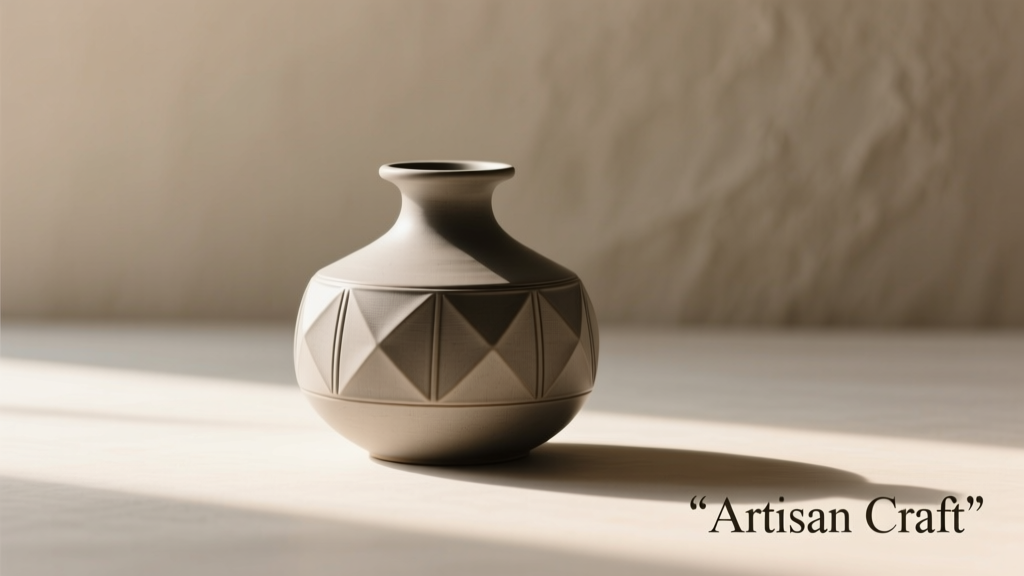
- Ceramic Tableware Collections: Dinner sets with hand-painted rims showing continuous wave-and-coil borders. Glazes used traditional ash-based celadon and iron-rich black wares, echoing Song Dynasty aesthetics. Notably, these were sold as “everyday ritual objects,” not just holiday décor.
- Minimalist Zodiac Jewelry: Sterling silver pendants shaped like abstract, sinuous curves—not literal snakes—but designed to evoke fluid motion. Chains were often adjustable, symbolizing adaptability. Crafted in Yunnan’s Bai ethnic artisan cooperatives, many pieces bore tiny hallmarks indicating origin and metal purity.
- Apparel with Subtle Motifs: Cotton-linen blend tunics and scarves printed using eco-friendly pigment inks. Patterns appeared only upon close inspection: micro-prints of ancient snake-shaped bronze vessel handles (from Shang Dynasty artifacts) or repeating water-rhythm glyphs from oracle bone script.
Why ilovechina.alibaba.com Became the Go-To Platform for These Trends
Global buyers seeking genuine 2013 zodiac merchandise faced a challenge: mainstream e-commerce sites flooded markets with low-cost, mass-printed goods lacking cultural context. In contrast, ilovechina.alibaba.com—a B2B/B2C vertical platform launched in 2011 to connect international buyers directly with verified Chinese cultural producers—curated rigorously. Its 2013 Water Snake initiative included three key differentiators:
- Verified Artisan Profiles: Each supplier underwent documentation review—including workshop photos, craft certification (e.g., “Intangible Cultural Heritage Representative” status), and production timelines. Buyers could see whether a silk scarf came from a third-generation Suzhou embroiderer or a factory line.
- Contextual Product Pages: Listings included video interviews with makers, explanations of symbolic color palettes (e.g., why indigo represented Water and introspection), and usage notes (“This ceramic glaze matures with gentle use—avoid dishwashers to preserve patina”).
- Batch Transparency: Limited-edition runs were labeled with batch numbers and production dates. For example, “Jingdezhen Celadon Set – Batch WS-2013-07 (July 2013, 42 pieces)” assured scarcity and traceability.
This model attracted boutique retailers, museum shops, and lifestyle brands—not just individual consumers. By Q3 2013, over 68% of Water Snake-related orders on the platform came from business buyers restocking curated gift lines.
Real-World Impact: A Case Study from Berlin
In early 2013, Lena Müller, owner of KulturKiste, a Berlin-based concept store specializing in ethically sourced cultural objects, searched for authentic Lunar New Year inventory. She rejected generic “Chinese zodiac” mugs and keychains, seeking pieces that aligned with her store’s philosophy: “Objects that tell a story without translation.” Through ilovechina.alibaba.com, she discovered a small Jingdezhen studio producing hand-thrown porcelain cups glazed in gradient water-blue tones, each cup rimmed with a single, continuous coil motif—representing the Water Snake’s cyclical wisdom.
Lena ordered 120 units, priced at €42 each—higher than mass-market alternatives but justified by provenance. She displayed them with a short wall text: “Made in Jingdezhen, China. Fired in wood-burning kilns. The coil is unbroken—a reminder that insight flows without beginning or end.” Within six weeks, all sold out. Customers reported gifting them to therapists, writers, and mediators—professions intuitively linked to the Water Snake’s attributes. More significantly, 37% of buyers returned within three months to purchase other items from the same studio, citing “trust in the maker’s intention.” This case illustrates how cultural resonance, when authentically communicated, drives repeat engagement far beyond seasonal demand.
Do’s and Don’ts: Sourcing & Appreciating 2013 Water Snake Merchandise
Whether acquiring for personal collection, retail resale, or gifting, navigating the legacy of 2013’s trend requires discernment. The table below distills hard-won lessons from curators, importers, and cultural buyers:
| Action | Do | Don’t |
|---|---|---|
| Research | Verify if the maker belongs to a recognized craft guild (e.g., Suzhou Embroidery Association) or holds provincial-level intangible heritage status. | Rely solely on “handmade” labels without checking production methods—some “hand-embroidered” items use pre-stitched templates. |
| Color Interpretation | Accept muted, natural palettes (indigo, celadon, slate gray, warm ivory) as authentic to Water Snake’s energy. | Assume bright red or gold dominance indicates authenticity—those colors belong to Fire and Earth elements, not Water. |
| Packaging & Presentation | Look for sustainable materials (recycled paper, cotton bags, bamboo boxes) and bilingual storytelling (Chinese + English) about symbolism. | Choose items with plastic-wrapped, neon-lit displays—these prioritize shelf appeal over cultural coherence. |
| Pricing Signals | Expect premium pricing for time-intensive crafts (e.g., >€100 for a Suzhou silk scarf reflects 10+ days of labor). | Trust ultra-low prices (<€20 for “hand-embroidered” silk)—they almost always indicate machine replication or outsourcing. |
FAQ: Understanding the Enduring Appeal of 2013’s Water Snake Trends
Why did the 2013 Water Snake resonate more globally than other recent zodiac years?
The Water Snake’s emphasis on introspection, adaptability, and quiet strength arrived amid growing global interest in mindfulness, slow living, and intentional consumption. Its aesthetic avoided exoticism—instead offering sophistication rooted in centuries-old Chinese philosophical frameworks. Buyers responded not to “Chineseness” as spectacle, but to its alignment with values already gaining traction in Europe, North America, and Australia.
Can I still source authentic 2013 Water Snake items today?
Yes—but with caveats. Many studios maintain archives of original 2013 designs and will produce limited re-runs upon request. On ilovechina.alibaba.com, search using filters for “2013 Collection” and “Water Snake” alongside verified supplier badges. Note: Authentic pieces will list original production dates (2013) and may include archival certificates. Avoid listings marked “vintage-style” or “retro-inspired,” which often lack provenance.
How does Water Snake symbolism translate into modern apparel wearability?
Its strength lies in subtlety. A Water Snake motif works in contemporary wardrobes because it avoids literal representation. Think: a navy blazer with tonal wave-patterned lining; a white linen shirt with micro-embroidered coils along the cuff placket; or a wool scarf where the fringe twists into gentle spirals. These details reward closer observation—making them conversation-starters rooted in meaning, not trend-chasing.
A Timeless Invitation
The 2013 Water Snake didn’t offer loud declarations—it offered reflection. Its legacy isn’t in dated graphics or fleeting fads, but in a recalibration of how cultural merchandise can function: as vessels for continuity, as quiet affirmations of shared human values, and as bridges built not through volume, but through verifiable craft and intentional design. Whether you’re a retailer curating meaningful inventory, a collector honoring symbolic depth, or someone simply drawn to the grace of a coiled line on silk, the principles that guided 2013 remain powerfully relevant. They remind us that authenticity isn’t performative—it’s embedded in material choice, respectful storytelling, and the patience of hands that honor time-honored rhythms. Start by choosing one piece whose origin you can trace, whose symbolism you understand, and whose presence invites pause. Then share what it means to you—not as a trend, but as a touchstone.
💬 Have you encountered a 2013 Water Snake piece that changed how you see cultural design? Share your story, photo, or sourcing tip in the comments—we’ll feature thoughtful contributions in our next cultural curation round-up.