In recent years, ring styling has evolved from minimalist solitaires to elaborate stacks of multiple bands—some with three layers, others mixing metals, textures, and gemstones across several fingers. But as fashion cycles shift, a growing debate emerges: Are stacked rings losing their luster? And how do bold multi-layered designs compare to the enduring elegance of a single band? The answer isn’t just about trends—it’s about personal expression, lifestyle practicality, and long-term wearability.
This article explores the strengths and limitations of both styles, evaluates current market and cultural shifts, and helps you decide which approach aligns best with your aesthetic and daily routine.
The Rise and Fall of Stacked Rings
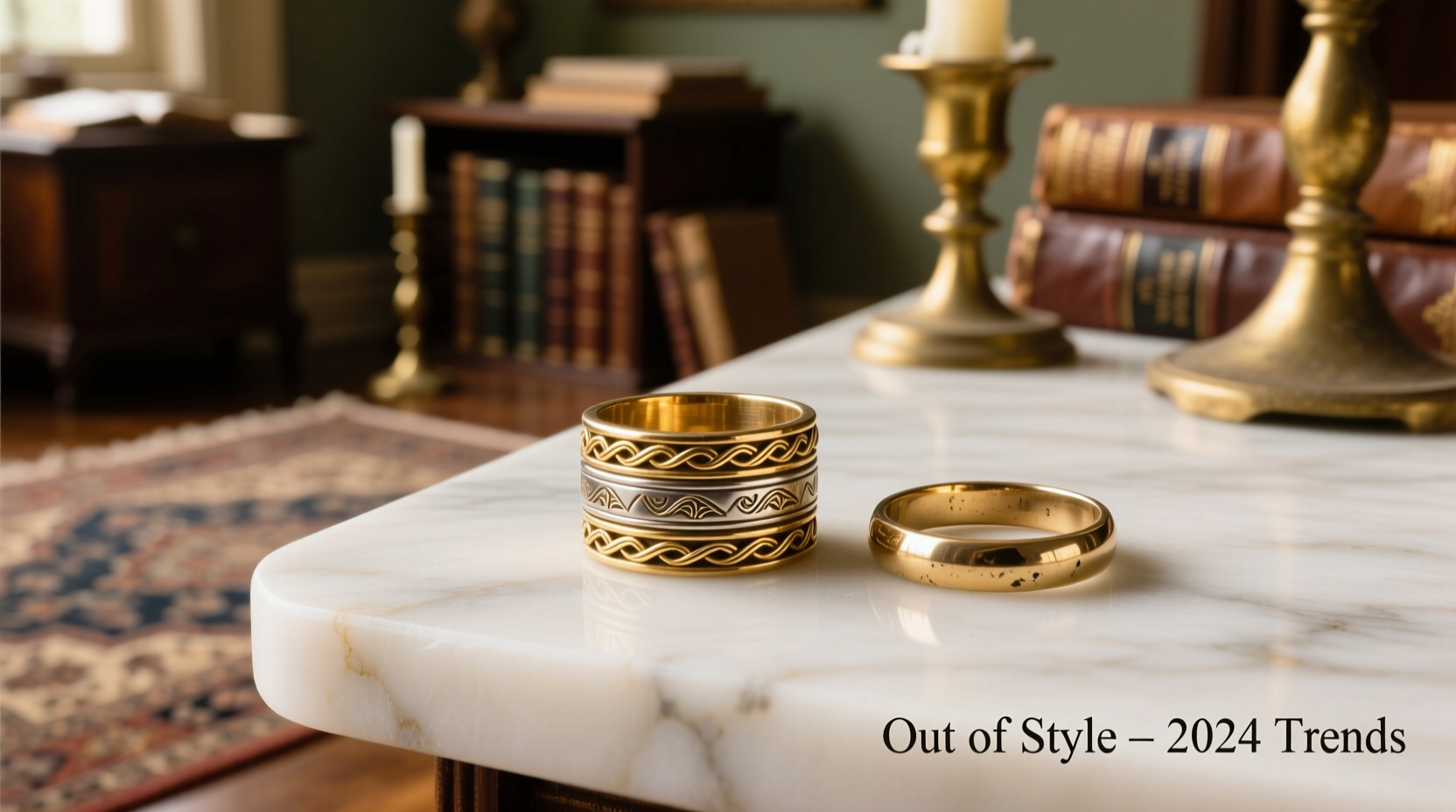
Stacked rings exploded in popularity during the early 2010s, championed by influencers and bridal designers alike. The appeal was clear: customization. Wearers could mix engagement rings with eternity bands, thin gold bands, or vintage heirlooms to create a unique narrative on their finger. Three-layer stacks—often combining a center stone flanked by two delicate bands—became signature looks for modern brides and fashion-forward individuals.
But like all trends, saturation eventually led to fatigue. Over time, the “ring stack” began to feel less distinctive and more formulaic. What once symbolized individuality now risks appearing generic when everyone adopts the same layered configuration.
“Trends in fine jewelry often follow emotional resonance. Stacking was about abundance and storytelling. Now, we’re seeing a pivot toward intentionality and space.” — Lena Torres, Jewelry Curator at Atelier Moderna
Three-Layer Rings: Pros and Cons
Three-layer rings typically refer to coordinated sets designed to be worn together—usually an engagement ring sandwiched between two complementary wedding bands. These sets offer visual depth and complexity, ideal for those who love intricate details.
Tip: If you choose a three-layer set, ensure each band fits snugly without gaps. Misalignment can cause discomfort and uneven wear.Advantages
- Visual Impact: Creates a luxurious, full look that stands out.
- Sentimental Layering: Allows inclusion of heirloom bands or anniversary additions.
- Bridal Appeal: Ideal for traditional engagements where symbolism is tied to multiple rings.
Drawbacks
- Maintenance Challenges: More surface area means more cleaning and potential snagging.
- Lifestyle Incompatibility: Can interfere with typing, manual work, or sports.
- Fashion Fatigue: As stacking becomes ubiquitous, uniqueness diminishes.
Single Band Rings: Simplicity with Strength
Conversely, single band rings have seen a resurgence—not as a regression, but as a refined statement of minimalism. A well-crafted solitaire or sleek platinum band speaks to confidence through restraint. Designers are reimagining simplicity with architectural lines, asymmetric stones, and textured finishes that make a single ring compelling without clutter.
Unlike stacks, single bands are inherently low-maintenance. They don’t require alignment, are easier to resize, and adapt seamlessly across occasions—from office meetings to evening events.
Why Minimalism Is Gaining Ground
- Timeless Aesthetic: Less likely to date quickly compared to trend-driven styles.
- Durability: Fewer components mean reduced risk of damage or loss.
- Gender-Neutral Appeal: Aligns with evolving preferences for unisex, functional design.
Comparison: Three-Layer vs Single Band Rings
| Feature | Three-Layer Rings | Single Band Rings |
|---|---|---|
| Style Complexity | High – layered, detailed | Low to moderate – clean, focused |
| Everyday Wearability | Moderate – may catch on fabrics | High – smooth, non-intrusive |
| Maintenance Needs | High – regular polishing, checking fit | Low – occasional cleaning |
| Trend Longevity | Moderate – peaking, now declining | High – classic, enduring |
| Customization Potential | Very High – mix metals, add over time | Moderate – limited to one piece |
| Cost Efficiency | Lower – buying multiple pieces | Higher – one investment piece |
Is Stacking Going Out of Style?
It’s not so much that stacking is “out,” but rather that its dominance is waning. Social media algorithms once amplified maximalist aesthetics, but today’s consumers increasingly value authenticity and longevity over viral visuals. A 2023 survey by Luxe Jewelry Insights found that 57% of millennials now prefer simplified ring styles for daily wear, citing comfort and versatility as top factors.
That said, stacking hasn’t disappeared—it’s evolving. Instead of wearing five bands on one finger, people are opting for strategic layering: a single statement ring paired with one subtle companion band. The focus has shifted from volume to balance.
“We’re moving from ‘more is more’ to ‘just enough.’ Clients want meaning, not clutter.” — Daniel Kim, Master Jeweler at Orion & Co.
How to Choose Based on Lifestyle
Your choice shouldn’t hinge solely on trend forecasts. Consider how you live:
Choose Three-Layer Rings If You:
- Value symbolic layering (e.g., engagement + wedding + eternity)
- Have a formal or creative profession where jewelry is showcased
- Enjoy rotating or expanding your collection over time
Opt for a Single Band If You:
- Work with your hands or use keyboards frequently
- Prioritize ease and durability
- Prefer a timeless look that won’t need updating
Mini Case Study: Emma’s Shift from Stack to Statement
Emma R., a graphic designer from Portland, wore a three-band platinum stack for her wedding in 2019. Initially thrilled with the romantic look, she soon noticed chipping on her center diamond’s girdle—caused by constant friction with the adjacent bands. After two resizing attempts and a prong repair, she opted for a redesign: a single, slightly larger solitaire with a brushed finish.
“I didn’t want to give up beauty for function,” she says. “But the moment I switched, everything felt easier. I still wear a thin band occasionally for photos, but my everyday joy comes from simplicity.”
Her experience reflects a broader pattern: emotional attachment to tradition meets the reality of daily wear.
Actionable Checklist: Choosing Your Ring Style
- Evaluate your daily activities—do they involve frequent hand use?
- Assess your current jewelry collection—do you lean toward bold or subtle pieces?
- Consider long-term maintenance—are you willing to service multiple bands?
- Try both styles on—notice comfort, movement, and visual balance.
- Consult a jeweler about durability, metal choices, and future adjustments.
FAQ
Can I combine both styles without looking outdated?
Absolutely. Many modern wearers alternate between a single statement ring and a curated stack depending on the occasion. The key is cohesion—stick to one metal tone or theme to avoid visual chaos.
Will my three-layer ring lose value if stacking falls out of favor?
Jewelry value depends more on materials, craftsmanship, and brand than fleeting trends. A well-made set retains intrinsic worth, even if styling preferences change.
Are single bands suitable for engagement proposals?
Yes. Many couples now choose striking solitaires or unconventional designs (like east-west settings or colored stones) to convey commitment without relying on multiple rings.
Final Thoughts: Style With Intention
The question isn’t whether stacked rings are “out,” but whether they serve you. Fashion ebbs and flows, but personal significance endures. Three-layer rings offer richness and narrative depth; single bands deliver clarity and resilience. Neither is obsolete—each simply serves a different purpose.
As jewelry becomes more personalized and ethically conscious, the future belongs not to any single style, but to thoughtful curation. Whether you embrace a solitary band or a carefully balanced stack, let your choice reflect your life—not just the moment.
💬 What does your ring say about you? Share your story or styling tips in the comments—help others find confidence in their choices.