Puffer fish are among the most intelligent and personable aquarium inhabitants, capable of recognizing their owners and displaying unique behaviors. However, their care is often misunderstood. Unlike typical tropical fish, puffers require specialized environments, diets, and cautious interaction. Attempting to pet or handle them without understanding their biology can lead to stress, injury, or even poisoning. This guide provides comprehensive, science-backed advice on how to safely interact with and care for your puffer fish while ensuring its long-term health and well-being.
Understanding Puffer Fish Behavior and Biology
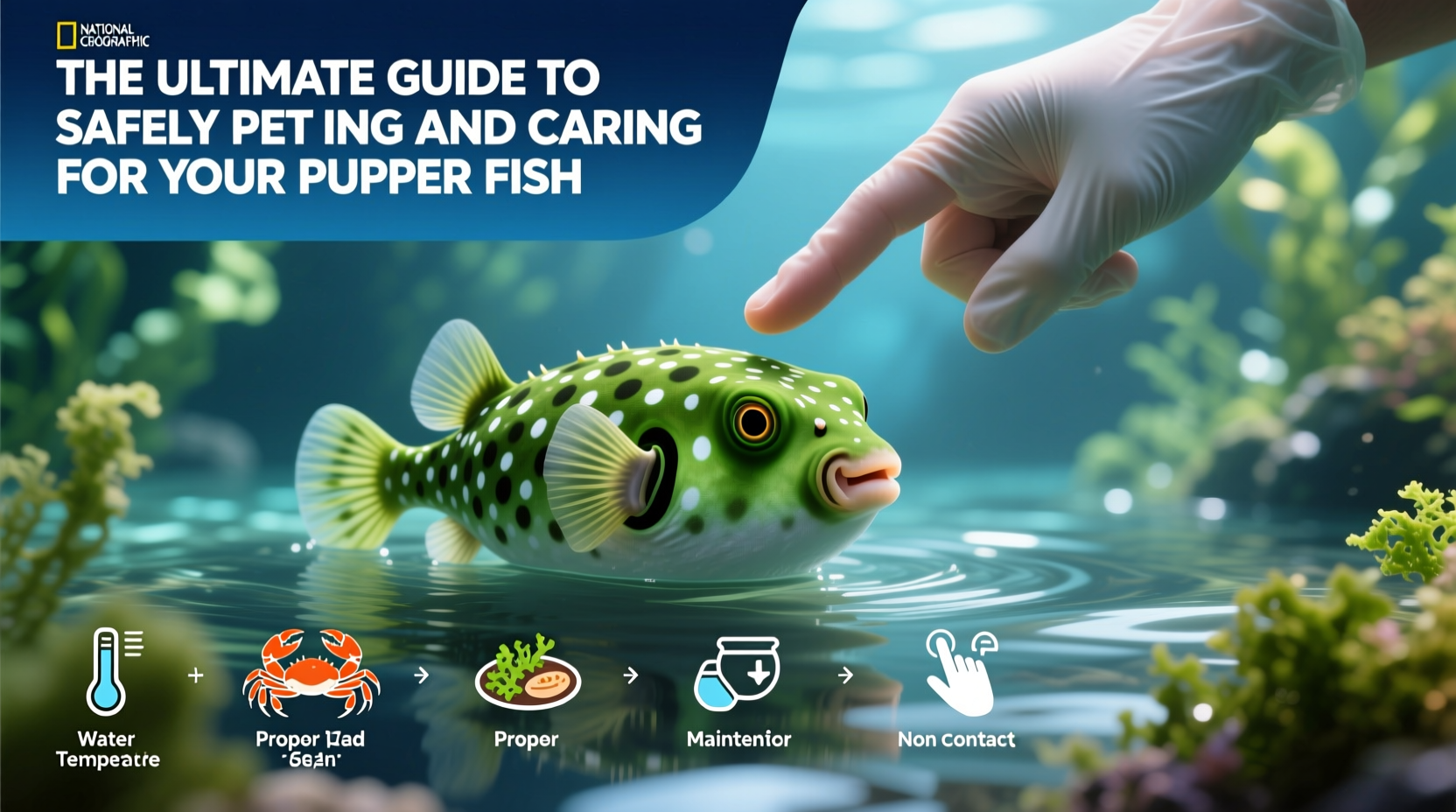
Puffer fish belong to the family Tetraodontidae and are known for their ability to inflate when threatened. This defense mechanism, while fascinating, is a sign of distress—not playfulness. Their skin contains tetrodotoxin, a potent neurotoxin that makes them dangerous to predators—and potentially harmful to humans if mishandled.
Most aquarium-kept puffers, such as the dwarf puffer (Carinotetraodon travancoricus) or the figure 8 puffer (Dichotomyctere ocellatus), are freshwater or brackish species. They possess strong beaks formed from fused teeth, which grow continuously and require hard-shelled foods to prevent overgrowth. These fish are highly intelligent, exhibiting curiosity and problem-solving skills rarely seen in other aquarium species.
“Puffer fish are not just reactive—they’re perceptive. They form associations with their caregivers and respond differently to familiar versus unfamiliar people.” — Dr. Lena Torres, Aquatic Behavioral Biologist
Because of their intelligence, they can become bored or stressed in barren tanks. Enrichment through live plants, hiding spots, and interactive feeding methods is essential. However, their curiosity does not equate to a desire for physical contact. Any interaction must be approached with caution and respect for their natural instincts.
Can You Pet a Puffer Fish? Guidelines for Safe Interaction
The short answer: not in the traditional sense. You should never attempt to stroke or hold a puffer fish. Their skin secretes mucus that protects against infection, and touching them removes this vital barrier. Additionally, handling increases the risk of triggering inflation, which can cause internal damage due to organ compression.
That said, some experienced aquarists report gentle “nudges” or “bumps” from puffers during feeding, interpreted as signs of recognition or curiosity. These interactions occur on the fish’s terms, not through direct human initiation.
Tip: If your puffer swims to the glass when you approach, it likely recognizes you. This is bonding—no physical contact needed.Safe Interaction Practices
- Use a feeding stick to offer food by hand—this creates trust without touching.
- Avoid tapping the glass or sudden movements that may startle the fish.
- Wash hands thoroughly before placing anything in the tank to avoid contaminating water.
- Never attempt to remove the fish from water—it causes extreme stress and respiratory failure.
Tank Setup and Environmental Needs
A properly designed habitat is the foundation of safe and ethical puffer care. Most puffers thrive in stable, enriched environments that mimic their natural ecosystems. Below is a comparison of requirements based on common species:
| Species | Minimum Tank Size | Water Type | Temperature Range | Key Enrichment Needs |
|---|---|---|---|---|
| Dwarf Puffer | 10 gallons | Freshwater | 74–78°F | Live plants, snails for feeding, hiding caves |
| Figure 8 Puffer | 30 gallons | Brackish (SG 1.005–1.008) | 75–82°F | Rocks, driftwood, moderate flow |
| Spoiler Alert Puffer | 55+ gallons | Brackish to Saltwater | 76–80°F | Complex rockwork, open swimming space |
Filtration must be robust—puffers produce significant waste. A canister filter or sump system is recommended. Weekly 25% water changes maintain stability. Use a hydrometer or refractometer to monitor salinity in brackish setups.
Nutrition: Feeding for Dental and Overall Health
Puffer fish have beaks that grow continuously. Without proper wear, overgrown teeth can prevent them from eating, leading to starvation. A varied, shell-rich diet is non-negotiable.
- Snails: Ramshorn, bladder, or Malaysian trumpet snails are ideal for dental wear.
- Crustaceans: Frozen or live brine shrimp, ghost shrimp, and krill provide protein.
- Mollusks: Occasional small clams or mussels help grind down the beak.
- Supplements: Calcium-enriched foods support shell development in prey items.
Overfeeding leads to obesity and poor water quality. Feed adult puffers every other day, juveniles daily. Remove uneaten food after 10–15 minutes.
Health Monitoring and Emergency Care
Early detection of illness is critical. Common issues include ich (white spot disease), bacterial infections, and dental overgrowth. Signs of distress include lethargy, loss of color, refusal to eat, or floating abnormally.
Step-by-Step Response to Illness
- Isolate the fish in a hospital tank if symptoms persist beyond 24 hours.
- Test water parameters: Ammonia, nitrite, and pH must be within safe ranges.
- For ich: Raise temperature to 82°F and add aquarium salt (for brackish-tolerant species).
- For dental overgrowth: Offer harder prey or consult a vet for safe trimming.
- Document behavior daily to track progress or deterioration.
“In my 15 years of aquatic veterinary practice, the number one reason puffers are brought in is improper diet leading to dental emergencies.” — Dr. Rajiv Mehta, Exotic Animal Veterinarian
Mini Case Study: Reversing Malnutrition in a Figure 8 Puffer
A hobbyist in Portland adopted a figure 8 puffer from a local store. Within weeks, the fish stopped eating and began hovering at the surface. Water tests were normal, but upon closer inspection, the owner noticed the beak was visibly overgrown, preventing the puffer from closing its mouth.
After consulting an aquatic vet, the owner introduced live snails and gradually weaned the fish off frozen bloodworms. The vet performed a minor beak trim under mild sedation. Within three weeks, the puffer resumed normal feeding and regained its vibrant markings. This case underscores the importance of proactive dental care and timely intervention.
Essential Care Checklist
Use this checklist weekly to ensure optimal puffer health:
- ✅ Test water parameters (ammonia, nitrite, nitrate, pH, salinity)
- ✅ Inspect puffer for signs of stress or disease
- ✅ Provide at least one hard-shelled food item (snail, shrimp)
- ✅ Clean filter media (rinse in tank water, not tap)
- ✅ Check tank equipment (heater, pump, lights)
- ✅ Observe interaction patterns—note any behavioral changes
Frequently Asked Questions
Can I touch my puffer fish if I wash my hands first?
No. Even with clean hands, touching removes the protective mucus layer and risks transmitting pathogens. Puffers do not enjoy tactile contact like mammals. Bonding occurs through routine feeding and visual recognition.
Why does my puffer puff up when I approach the tank?
This indicates fear or stress. It may associate your movement with a past disturbance. Avoid sudden motions and ensure the tank has ample hiding places so the fish feels secure.
How long do puffer fish live with proper care?
Dwarf puffers typically live 4–5 years, figure 8 puffers 8–10 years, and larger species like the green spotted puffer can exceed 15 years in optimal conditions. Lifespan heavily depends on diet, tank size, and water quality.
Final Thoughts: Respect, Not Petting, Is True Care
Caring for a puffer fish is a commitment to observation, consistency, and respect for a creature that thrives on routine, not physical affection. The joy of owning a puffer lies in watching its personality unfold—its darting curiosity, its clever hunting tactics, its recognition of your presence. These moments are meaningful because they are earned through trust, not forced through touch.
💬 Have a puffer story or tip to share? Join the conversation below and help fellow aquarists provide safer, smarter care for these extraordinary fish.








