Precious metals, intricate designs, and delicate gemstones define high-end fashion earrings. Whether they’re diamond studs from a luxury maison or sculptural gold hoops from an avant-garde designer, these pieces represent both style and investment. Yet, their beauty is fragile—exposed daily to skin oils, perfumes, and environmental pollutants. Without proper care, tarnish sets in, stones loosen, and finishes dull. Preserving their luster demands more than occasional wiping; it requires a thoughtful, consistent routine grounded in material-specific knowledge and gentle handling.
Understanding Your Earring Materials
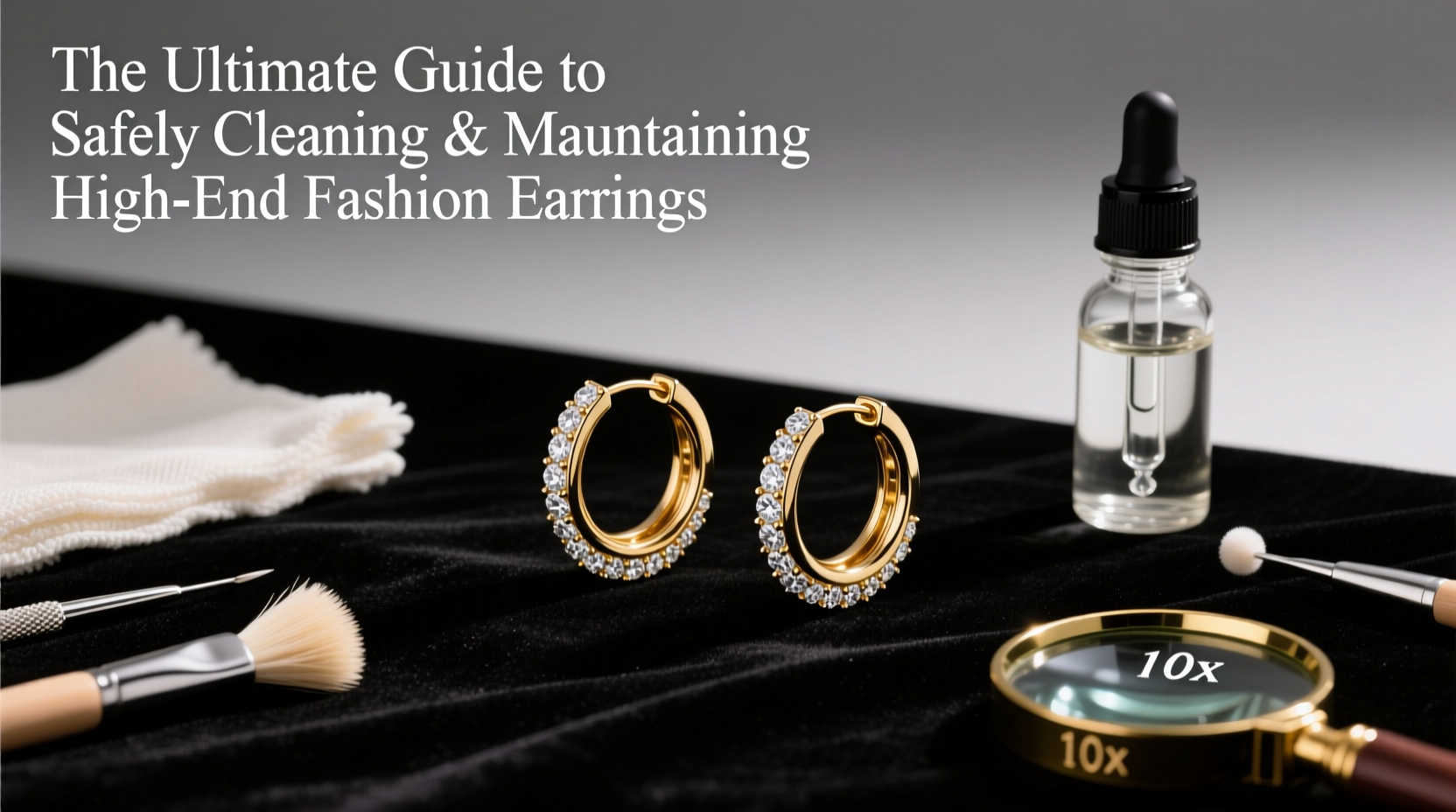
High-end earrings are crafted from a range of materials, each reacting differently to moisture, chemicals, and friction. Recognizing what your earrings are made of is the first step toward effective maintenance.
- Gold (Yellow, White, Rose): Resistant to tarnish but prone to scratches and buildup from lotions. Higher karats (18k, 22k) are softer and require extra caution.
- Platinum: Durable and hypoallergenic, platinum develops a natural patina over time. It resists corrosion but can still scratch.
- Silver (Sterling, .925): Prone to oxidation when exposed to air and sulfur compounds. Requires regular polishing to maintain shine.
- Gemstones (Diamonds, Sapphires, Emeralds, etc.): Hardness varies significantly. While diamonds withstand daily wear, emeralds are brittle and sensitive to temperature shifts.
- Pearls and Organic Materials: Extremely delicate. Contact with acids, cosmetics, or water can erode their surface.
- Enamel and Painted Finishes: Vulnerable to chipping. Avoid abrasive cloths and liquids.
“Luxury earrings aren’t just accessories—they’re heirlooms in the making. Treating them with respect ensures they remain wearable art for decades.” — Isabelle Renard, Jewelry Conservator at Parisian Atelier LacroixTip: Always check manufacturer care instructions. Designer pieces may use proprietary alloys or coatings that react poorly to standard cleaning methods.
Step-by-Step Guide to Safe Cleaning
Cleaning high-end earrings isn’t about deep scrubbing—it’s about precision and gentleness. Follow this timeline-based approach to maintain brilliance without damage.
- Pre-Clean Inspection (Weekly): Hold earrings under natural light. Check for loose stones, bent posts, frayed wires, or darkening beneath settings. Use a jeweler’s loupe if available.
- Dry Wipe (After Every Wear): Use a microfiber cloth designed for jewelry. Gently wipe both front and back surfaces to remove oils and residue.
- Deep Clean (Every 4–6 Weeks):
- For gold, platinum, and hard gemstones: Mix a few drops of mild dish soap with warm (not hot) water. Soak earrings for 3–5 minutes.
- Use a soft-bristled toothbrush (dedicated to jewelry only) to lightly clean behind stones and along prongs.
- Rinse under lukewarm running water using a strainer to prevent loss.
- Air-dry on a lint-free towel—never rub.
- Polishing (Monthly for Silver, Quarterly for Gold): Use a treated polishing cloth (e.g., Sunshine Cloth). Never apply liquid polish directly to earrings with porous stones or enamel.
- Professional Check-Up (Biannually): Schedule a visit with a certified jeweler to tighten settings, inspect solder points, and ultrasonically clean hard-to-reach areas.
What Not to Do
| Action | Risk | Better Alternative |
|---|---|---|
| Using bleach or ammonia | Can discolor gold, dissolve adhesives, and damage pearls | Mild soapy water |
| Ultrasonic cleaners on emeralds, opals, or vintage pieces | Vibrations can fracture inclusions or loosen old settings | Hand wash only |
| Storing earrings loosely in a box | Tangles, scratches, lost backs | Individual compartments or earring cards |
| Wearing earrings while swimming or showering | Chlorine and saltwater corrode metal; moisture loosens adhesives | Remove before water exposure |
Proper Storage: Protecting Shape and Shine
How you store your earrings impacts their longevity as much as how you clean them. Poor storage leads to bent posts, tangled wires, and chemical reactions from proximity to other metals.
For stud earrings, use a padded tray with individual slots. Hoops and dangles benefit from upright display stands with secure hooks. Magnetic bars work well for clip-ons. For travel, invest in a lined, rigid case with snap compartments.
Tip: Place a piece of chalk or silica gel packet in your jewelry box to absorb moisture and slow silver tarnishing.Avoid storing earrings in humid environments like bathrooms. Temperature fluctuations cause metal fatigue. Instead, choose a cool, dry drawer away from direct sunlight.
Real Example: A Collector’s Mistake and Recovery
An avid collector in Milan owned a pair of limited-edition 18k gold earrings encrusted with pavé sapphires. After wearing them weekly, she noticed cloudiness between the stones and a slight wobble in one setting. She had been cleaning them with a commercial jewelry dip, which contained harsh solvents. The solution had degraded the rhodium plating on the white gold base and weakened the adhesive in micro-settings.
She took the earrings to a specialist restorer who disassembled the settings, cleaned each stone individually, replaced the damaged prongs, and re-plated the metal. Total cost: €420. Since then, she follows a strict hand-wash routine and visits her jeweler every six months. The earrings now retain their original sparkle and structural integrity.
Jewelry Care Checklist
Keep this checklist handy for monthly maintenance:
- ✅ Inspect all earrings for loose stones or damaged posts
- ✅ Wipe each pair with a microfiber cloth after wearing
- ✅ Deep clean metal and hard gemstone earrings (avoiding water-sensitive materials)
- ✅ Polish silver pieces gently with a treated cloth
- ✅ Organize storage—ensure no tangling or scratching
- ✅ Schedule next professional inspection
Frequently Asked Questions
Can I clean diamond earrings with alcohol?
While isopropyl alcohol won’t harm diamonds, it can degrade certain glues used in settings and dry out skin around the ears. It’s safer to stick with mild soapy water unless advised otherwise by your jeweler.
How do I clean pearl earrings safely?
Never submerge pearls. Dampen a soft, white cloth with distilled water and gently wipe the surface. Dry immediately. Restring pearl studs every 1–2 years to prevent breakage.
Why do my gold earrings turn black near the posts?
This is often due to oxidation from skin chemistry, especially if you have acidic sweat or use certain skincare products. Clean regularly and avoid applying creams before wearing earrings. If discoloration persists, consult a jeweler about protective coatings.
Preserve Beauty, Honor Craftsmanship
Luxury earrings are more than adornments—they reflect artistry, personal expression, and sometimes, generational legacy. Their upkeep is not a chore but an act of appreciation. By understanding materials, adopting a gentle cleaning rhythm, storing with intention, and seeking expert help when needed, you ensure these pieces continue to elevate your presence for years to come. Treat them not as disposable trends, but as enduring statements of taste.
💬 Have a favorite cleaning method or storage hack? Share your experience below and help others protect their most cherished earrings.