Tweed has long been celebrated for its durability, texture, and classic appeal. When crafted into a long sleeve jacket, it becomes a cornerstone of autumn and winter wardrobes. But beyond its rugged charm, a tweed jacket excels in versatility—especially when layered thoughtfully. The key to maximizing both warmth and style lies not in bulk, but in intelligent layering. Done right, this technique transforms a single piece into the foundation of multiple cold-weather ensembles that balance function, comfort, and elegance.
Unlike heavier outerwear, a long sleeve tweed jacket offers structure without sacrificing mobility. Its natural wool fibers provide insulation while allowing breathability, making it ideal as a mid or outer layer. Whether you're navigating city streets, attending a weekend gathering, or commuting through crisp mornings, mastering the art of layering ensures you stay warm without compromising on sophistication.
The Science of Layering with Tweed
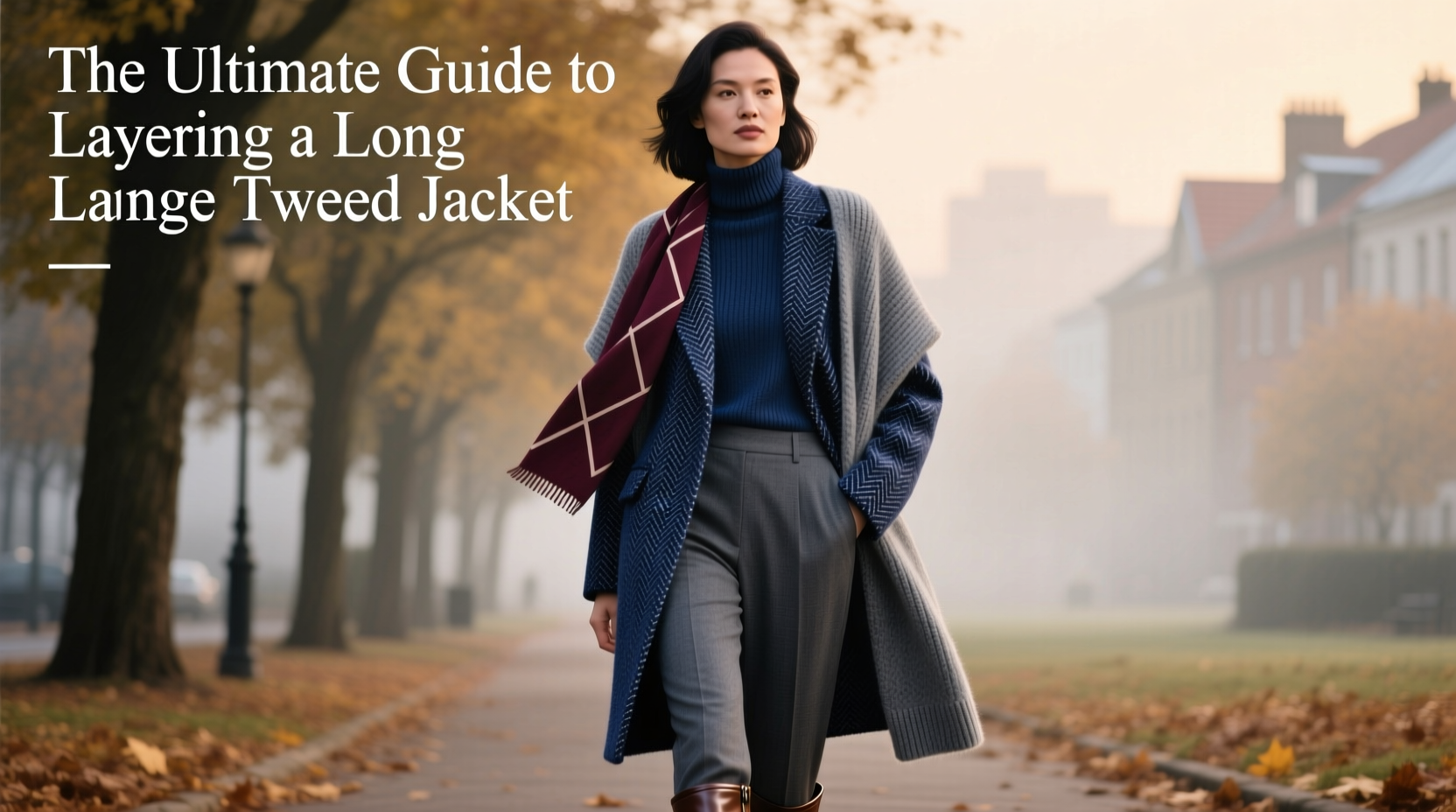
Effective layering follows a three-tier system: base, mid, and outer. A long sleeve tweed jacket typically functions as the outer or mid layer, depending on conditions. Because tweed is naturally dense and slightly stiff, choosing flexible, slim-fitting layers beneath is essential to maintain movement and silhouette.
The base layer should be moisture-wicking and close-fitting—think merino wool, silk, or high-quality synthetic blends. These materials regulate temperature and prevent clamminess. Avoid cotton as a base in cold weather; it retains moisture and loses insulating properties when damp.
The mid layer adds thermal protection. This is where lightweight knits, fine-gauge turtlenecks, or thin flannel shirts come into play. Materials like cashmere, boiled wool, or technical fleece work well here, offering warmth without puffiness.
Your tweed jacket acts as the outer shell, shielding against wind and light precipitation. Its tightly woven fabric resists water to a degree and blocks gusts effectively. For extreme cold, consider adding a packable down vest underneath or over the jacket for extra core warmth without disrupting the tailored look.
Tip: Always prioritize fit. A tweed jacket should allow room for one mid layer without pulling at the buttons or straining the shoulders.Essential Layering Combinations by Occasion
Different settings call for different approaches. Here are three real-world scenarios with practical layering solutions.
Casual Weekend Outings
Pair your tweed jacket with a soft crew-neck sweater in heather gray or navy, worn over a fine cotton or merino base. Dark selvedge denim and leather boots complete the look. Roll the sleeves slightly to show off the shirt cuff for added dimension.
Office Wear (Heated Indoor Environments)
In climate-controlled offices, overheating is common. Opt for a slim turtleneck in charcoal or burgundy under the jacket, paired with tailored wool trousers. This combination stays polished and allows easy removal of the jacket indoors without looking underdressed.
Outdoor Events or Rural Settings
When exposed to prolonged cold, add depth: wear a thermal henley as a base, a shawl-collar cardigan as a mid layer, then the tweed jacket on top. Felted wool socks, a scarf, and a flat cap extend warmth while enhancing the heritage aesthetic tweed embodies.
“Tweed isn’t just fabric—it’s armor against the elements, refined by tradition. Layer it with respect for proportion, and it becomes your most reliable cold-weather ally.” — Lydia Grant, Textile Historian & Menswear Consultant
Do’s and Don’ts of Tweed Layering
| Do | Avoid |
|---|---|
| Choose slim-fit, stretch-infused base layers for comfort | Wear bulky hoodies or thick sweaters that distort the jacket’s shape |
| Use color tonally—navy, olive, camel, and charcoal mix seamlessly | Mix too many loud patterns; let the tweed be the focal point |
| Roll sleeves to reveal wrist layers and maintain drape | Leave jacket buttons fastened when sitting to prevent strain |
| Invest in a well-tailored jacket with slight shoulder padding | Select oversized or boxy cuts that trap air unevenly |
Step-by-Step: Building Your Ideal Winter Ensemble
- Start with skin: Put on a moisture-wicking base layer. Merino wool is ideal for its warmth-to-weight ratio and odor resistance.
- Add mid insulation: Choose a mid-weight knit—cable, turtleneck, or V-neck—depending on the formality of the occasion.
- Slip on the tweed jacket: Ensure shoulders align naturally and arms move freely. Fasten only the top button for a clean drape.
- Accessorize strategically: Add a pocket square, scarf in complementary earth tones, or leather gloves to enhance cohesion.
- Footwear matters: Match the tone—brogues or chukkas for smart-casual, rugged boots for outdoor use.
- Test mobility: Sit, walk, and raise your arms to confirm comfort and absence of tension.
Real Example: A Day in Edinburgh
Imagine a crisp November morning in Edinburgh, where temperatures hover near 5°C (41°F) and a drizzle lingers. Clara wears a herringbone tweed jacket with long sleeves over a fine-gauge oatmeal-colored turtleneck. Beneath it, a black merino base layer keeps her dry. She pairs the outfit with dark corduroys and Chelsea boots. Around her neck, a plaid wool scarf adds color and extra warmth. Despite walking several kilometers between meetings, she remains warm, dry, and impeccably dressed. The tweed repels light rain, and the layered system traps heat efficiently. Indoors, removing the scarf and unbuttoning the jacket provides instant relief without requiring a wardrobe change.
This scenario illustrates how proper layering adapts to fluctuating environments—a hallmark of functional style.
Checklist: Perfect Your Tweed Layering Routine
- ✔️ Confirm your tweed jacket fits well with one mid layer
- ✔️ Stock up on merino or silk base layers in neutral tones
- ✔️ Invest in at least two mid-weight knits (e.g., turtleneck, cardigan)
- ✔️ Choose trousers that complement the jacket’s weight and color
- ✔️ Keep accessories minimal but functional—scarf, gloves, hat
- ✔️ Test full ensemble before relying on it in extreme weather
Frequently Asked Questions
Can I wear a hoodie under my tweed jacket?
While possible in relaxed settings, hoodies often create bulk and disrupt the tailored lines of a tweed jacket. If warmth is critical, opt for a slim, zip-free thermal hoodie made from merino blend instead of cotton-polyester. Even better, wear the hoodie underneath a more forgiving overshirt or parka and reserve the tweed for smarter occasions.
Is tweed suitable for wet weather?
Traditional tweed is water-resistant due to its tight weave and lanolin content in virgin wool, but it is not waterproof. Prolonged exposure to rain can lead to saturation. For damp climates, consider a jacket treated with a weatherproof finish or carry a compact umbrella. Never machine-wash tweed—spot clean and air out instead.
How do I prevent my tweed jacket from feeling itchy?
Itchiness usually stems from coarse fibers or direct skin contact. Always wear a base layer. For sensitive skin, choose jackets lined with Bemberg, cotton, or viscose. These linings reduce friction and improve comfort significantly.
Final Thoughts: Elevate Your Cold-Weather Wardrobe
A long sleeve tweed jacket is more than a seasonal garment—it's a long-term investment in personal style. When layered with intention, it delivers resilience, elegance, and adaptability across diverse winter conditions. The secret lies in respecting the fabric’s character: structured yet breathable, rustic yet refined. By selecting compatible layers, maintaining proportion, and preparing for variable climates, you unlock the full potential of this timeless piece.
💬 Ready to redefine your winter style? Pull out your tweed jacket this weekend, experiment with one new layering combo, and feel the difference thoughtful dressing makes. Share your favorite outfit pairing in the comments!