Mulberry silk is renowned for its luxurious sheen, feather-light texture, and natural temperature-regulating properties. A well-cared-for silk scarf can last decades, becoming a timeless accessory in any wardrobe. However, improper handling—even something as simple as wringing water from fabric—can permanently damage its delicate fibers. Unlike synthetic materials, silk demands thoughtful maintenance. This guide delivers precise, science-backed techniques to clean, dry, store, and refresh your mulberry silk scarf so it remains vibrant and supple for years.
Understanding Mulberry Silk: Why It’s Different
Mulberry silk is produced by silkworms (Bombyx mori) fed exclusively on mulberry leaves. This diet yields the highest quality silk fiber—smooth, strong, and naturally hypoallergenic. The protein structure of silk (fibroin) is sensitive to heat, friction, and chemicals. When exposed to harsh detergents or high temperatures, the fibers weaken, leading to yellowing, pilling, or loss of luster.
Silk also has a unique ability to absorb moisture without feeling damp, making it comfortable in both warm and cool climates. But this hygroscopic nature means it readily absorbs odors and stains if not cared for promptly. Recognizing these characteristics is the first step toward proper care.
“Silk isn’t fragile—it’s responsive. Treat it with respect, and it will reward you with decades of elegance.” — Dr. Lena Zhou, Textile Conservation Scientist
The Step-by-Step Guide to Hand Washing Your Silk Scarf
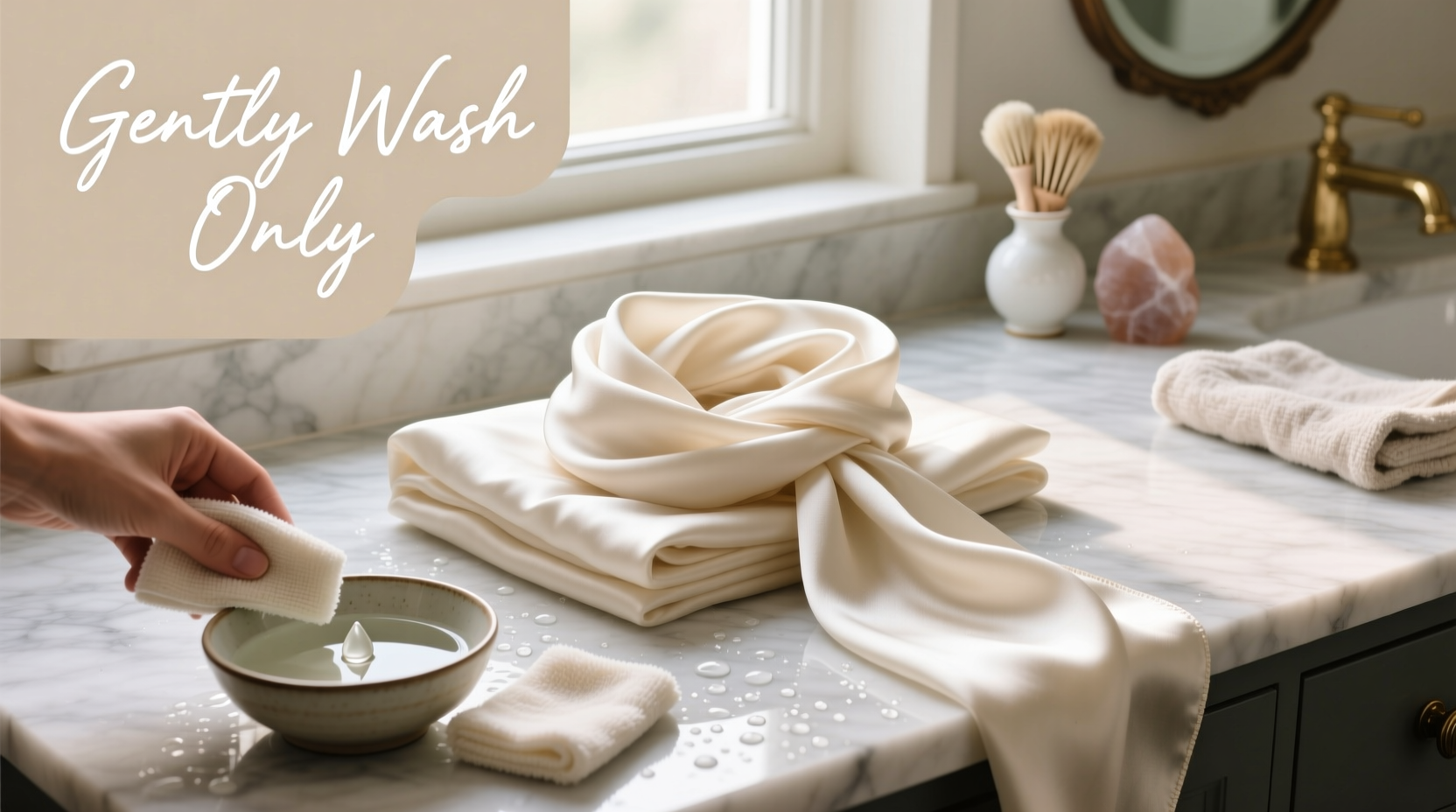
Machine washing is strongly discouraged unless the manufacturer explicitly permits it. Even then, the agitation and spin cycle pose significant risks. Hand washing remains the safest method for preserving fiber integrity.
- Check the label: Confirm the scarf is 100% mulberry silk and verify care instructions. Some printed scarves may have dyes that react poorly to water.
- Prepare the solution: Fill a clean basin with cold or lukewarm water (never above 30°C / 86°F). Add one teaspoon of pH-neutral detergent formulated for delicates or silk. Avoid regular laundry detergents—they contain enzymes and bleach that degrade silk proteins.
- Submerge gently: Place the scarf in the water and let it soak for 3–5 minutes. Do not agitate, rub, or twist the fabric.
- Rinse thoroughly: Drain the soapy water and refill the basin with clean, cool water. Gently press the scarf to release soap. Repeat until the water runs clear.
- Remove excess water: Lay a clean cotton towel flat. Place the scarf on top, roll the towel tightly, and press lightly to absorb moisture. Never wring or stretch the fabric.
- Air dry flat: Unroll the towel and lay the scarf flat on a fresh, dry towel away from direct sunlight or heat sources. Reshape it to its original dimensions. Turn occasionally to ensure even drying.
Do’s and Don’ts: Maintaining Silk Integrity
| Do | Don’t |
|---|---|
| Use silk-specific detergent or baby shampoo (unscented) | Use bleach, vinegar, or enzymatic cleaners |
| Dry flat on a clean towel, away from UV light | Tumble dry or hang while wet (stretching risk) |
| Iron inside-out on low heat with a pressing cloth | Apply direct heat or steam without protection |
| Store folded in acid-free tissue paper | Hang long-term (distorts shape) |
| Spot-clean spills immediately with cold water | Rub stains aggressively |
Real Example: Recovering a Perfume-Stained Heirloom Scarf
Clara inherited a vintage mulberry silk scarf from her grandmother, embroidered with delicate cherry blossoms. After wearing it once, she noticed a faint yellow ring near the corner—likely from perfume residue reacting with sunlight. Instead of discarding it, she followed a conservator’s advice: she soaked the area briefly in cold water with a pinch of silk-safe detergent, then pressed it between towels. After air-drying, the mark faded significantly. She now stores the scarf in a breathable cotton pouch inside a drawer, away from jewelry and sprays. Two years later, it remains a cherished, wearable heirloom.
Storage Solutions for Long-Term Preservation
How you store your silk scarf matters just as much as how you clean it. Prolonged exposure to light, humidity, and airborne pollutants accelerates degradation.
- Fold neatly: Always fold along original seams or creases to prevent new stress lines. Avoid tight origami folds.
- Use acid-free tissue paper: Interleave folds to reduce friction and wick away minor moisture.
- Choose breathable containers: Store in cotton bags or wooden boxes with ventilation. Avoid plastic bins—they trap moisture and promote mildew.
- Keep away from direct light: UV rays break down silk fibers and fade dyes. Use interior drawers or closets shielded from windows.
- Rotate seasonally: Wearing your scarf periodically prevents permanent creasing and allows inspection for early signs of wear.
Frequently Asked Questions
Can I steam my silk scarf?
Yes, but with caution. Hold a handheld steamer 15–20 cm away from the fabric and avoid lingering in one spot. Always test on an inconspicuous edge first. Alternatively, iron on the “silk” setting using a cotton pressing cloth between the iron and scarf.
What if my scarf gets a water stain?
Water spots occur when minerals in tap water leave deposits as they evaporate. To fix, gently dab the area with distilled water and re-flatten during drying. Prevent future spots by using filtered or distilled water for cleaning.
How often should I wash my silk scarf?
Only when necessary—typically every 6–10 wears, depending on use. If worn around the neck or with heavy makeup, wash more frequently. For occasional wear or decorative use, once per season may suffice.
Caring Checklist: Your Silk Maintenance Routine
- Inspect scarf for stains or snags before storing.
- Hand wash only with silk-safe detergent in cool water.
- Rinse thoroughly and press dry with a towel—never wring.
- Reshape and dry flat, away from sunlight and heat.
- Iron inside-out on low heat if needed.
- Fold with acid-free tissue and store in a breathable container.
- Wear rotationally to prevent overuse and creasing.
Final Thoughts: Elevate Your Care, Honor the Craft
A mulberry silk scarf is more than an accessory—it’s a piece of craftsmanship born from centuries of tradition. Each thread reflects precision, patience, and natural luxury. By adopting mindful cleaning habits and respectful storage practices, you honor that legacy. These steps are not rituals of inconvenience, but acts of appreciation for material beauty and sustainability. In a world of fast fashion, choosing to preserve a single silk scarf is a quiet rebellion against waste.
💬 Have a silk care tip or restoration story? Share your experience below and help build a community of conscious textile lovers.