Cheap costume jewelry might catch your eye with its low price and trendy designs, but all too often it tarnishes, breaks, or loses its luster within weeks. True style isn’t about constant replacement—it’s about curating pieces that feel luxurious, endure wear, and elevate your wardrobe over time. The good news: high-quality costume jewelry exists. With the right knowledge, you can invest in accessories that look expensive, resist damage, and last for years without breaking the bank.
Understanding What Makes Costume Jewelry Last
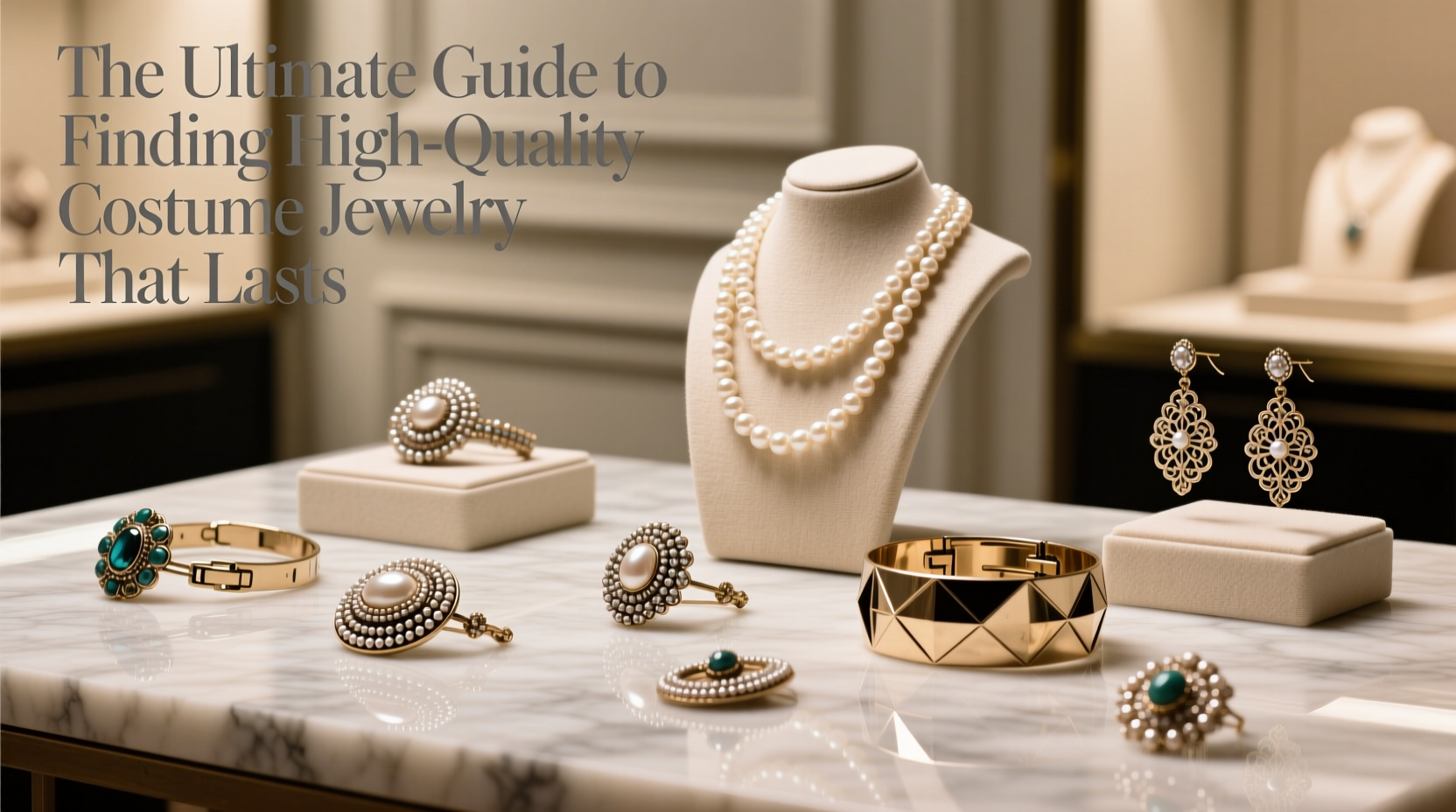
Costume jewelry—also known as fashion or imitation jewelry—is made from non-precious materials like base metals, alloys, glass, acrylic, or synthetic stones. Unlike fine jewelry, it doesn’t use gold, platinum, or diamonds. But durability isn’t solely determined by material value. Construction, plating quality, and design integrity matter just as much.
The most common reasons costume jewelry fails include poor metal plating, weak clasps, adhesive failure in stone settings, and exposure to moisture or chemicals. High-quality pieces counter these flaws through better manufacturing standards, protective finishes, and thoughtful design.
Tip: Look for jewelry labeled “nickel-free” and “hypoallergenic” if you have sensitive skin—these are often signs of higher production standards.Key Materials That Signal Quality
Not all base materials are created equal. Knowing what to look for—and what to avoid—can drastically improve your chances of buying long-lasting pieces.
| Material | Pros | Cons |
|---|---|---|
| Brass with Rhodium or Gold Plating | Durable, tarnish-resistant, takes polish well | Plating wears over time with friction |
| Stainless Steel | Highly resistant to rust and corrosion | Limited plating options; heavier feel |
| Alloy (e.g., zinc-based) | Affordable, easy to mold into intricate shapes | Poor longevity if not properly sealed |
| Lead-Free and Cadmium-Free Components | Safer for skin and environment | Should be standard—but isn’t always |
One of the strongest indicators of quality is multi-layer plating. For example, a piece described as “triple-plated” typically has layers of copper, nickel, and then gold or rhodium. This layered approach improves adhesion and resistance to flaking.
“Thicker plating and proper undercoating make the difference between jewelry that lasts six months versus three years.” — Lena Torres, Jewelry Designer & Craftsmanship Consultant
How to Spot Superior Craftsmanship
Even with excellent materials, poor construction can doom a piece. Examine the following details before purchasing:
- Clasps and closures: Lobster clasps, spring rings, and toggle clasps should snap securely. Flimsy hooks or loose hinges are red flags.
- Stone settings: Stones should be firmly set, not glued loosely. Prong, bezel, or pave settings are more durable than flat-back adhesives.
- Weight and balance: A moderate heft often indicates solid construction. If a necklace feels feather-light, it may have ultra-thin plating or hollow components.
- Surface finish: Look for even coloring and smooth transitions. Bubbling, patchiness, or visible seams suggest rushed production.
Where to Buy Long-Lasting Costume Jewelry
Not all retailers prioritize durability. Department stores and fast-fashion brands often source mass-produced items with minimal quality control. Instead, focus on vendors who emphasize transparency and craftsmanship.
Consider these sourcing options:
- Boutique designers on Etsy or independent websites: Many small creators use superior materials and hand-assemble pieces with care.
- Specialty fashion accessory brands: Labels like Kenneth Jay Lane, BaubleBar (higher-tier lines), and Chariot prioritize lasting design.
- Vintage and estate jewelry: Mid-century pieces were often made with thicker plating and sturdier components than today’s equivalents.
- Jewelry repair shops that sell refurbished items: Professionally cleaned and re-plated vintage jewelry can outperform new budget pieces.
Mini Case Study: Sarah’s Statement Necklace That Lasted Five Years
Sarah, a marketing executive in Chicago, bought a bold gold-tone cocktail necklace for a wedding in 2018. She wore it over 30 times—at client meetings, dinners, and holiday parties. Despite frequent use, it never tarnished or lost a stone. Why? She bought it from a small designer who used brass cores, triple gold plating, and hand-set cubic zirconia. “I paid $85,” she says, “but people constantly ask if it’s real gold. I now only buy from makers who list their materials.”
Your Smart Buying Checklist
Before adding any piece to your cart or trying it on in-store, run through this checklist:
- ✅ Is the metal base clearly stated (e.g., brass, stainless steel)?
- ✅ Does it specify plating type and thickness (e.g., 18k gold over brass, 2.5 microns)?
- ✅ Are stones securely set, not just glued?
- ✅ Do clasps and chains feel sturdy when tested?
- ✅ Is the brand transparent about sourcing and production?
- ✅ Does the seller offer a warranty or satisfaction guarantee?
Step-by-Step Guide to Caring for Costume Jewelry
Even the best-made pieces need proper care. Follow this routine to maximize lifespan:
- Put jewelry on last: After applying makeup, perfume, and hair products to avoid chemical exposure.
- Remove before water contact: Take off rings, bracelets, and necklaces before washing hands, swimming, or showering.
- Wipe after wearing: Use a soft microfiber cloth to remove oils and sweat.
- Store separately: Keep pieces in individual pouches or divided boxes to prevent scratching.
- Clean monthly: Use a mild soap solution and soft brush for textured areas. Dry thoroughly.
- Revive when needed: For tarnished gold-plated items, use a polishing cloth designed for plated metals—never abrasive cleaners.
Frequently Asked Questions
Can high-quality costume jewelry be worn every day?
Yes, but selectively. Earrings and pendants are safest for daily wear since they have less friction. Rings and bracelets experience more contact and should be rotated or reserved for special occasions.
How do I know if plating is thick enough?
Manufacturers rarely list exact measurements, but terms like “heavy gold plating” or “vermeil” (gold over sterling silver) indicate superior thickness. Avoid pieces labeled “gold-toned” or “gold-finished,” which usually mean flash plating.
Is vintage costume jewelry more durable than modern?
Often, yes. Jewelry from the 1940s–1970s was frequently made with higher metal content and stronger construction. Brands like Trifari, Coro, and Miriam Haskell are still prized for their durability and design.
Final Thoughts: Invest in Style That Endures
Finding high-quality costume jewelry isn’t about chasing trends—it’s about making intentional choices that align with both aesthetics and longevity. By focusing on materials, craftsmanship, and care, you can build a collection that looks luxurious, feels substantial, and withstands time. Forget disposable accessories. Choose pieces that tell a story, complement your personal style, and remain radiant year after year.
🚀 Ready to upgrade your accessory game? Start by auditing your current jewelry: keep the keepers, replace the fragile, and commit to buying smarter. Share your favorite long-lasting brands or care tips in the comments below!