For active girls—whether they're dancers, athletes, or just full of energy—finding a hair clip that stays secure during movement without sacrificing style can feel like searching for a needle in a haystack. Too often, clips slip, snap, or snag, leaving frustration in their wake. The key isn’t luck; it’s knowing what to look for. From material strength to grip design and aesthetic versatility, the right hair clip balances function and fashion. This guide breaks down everything parents, caregivers, and young girls need to know to choose hair accessories that endure playtime, sports, school days, and beyond—without compromising on cuteness.
Why Most Hair Clips Fail Active Lifestyles
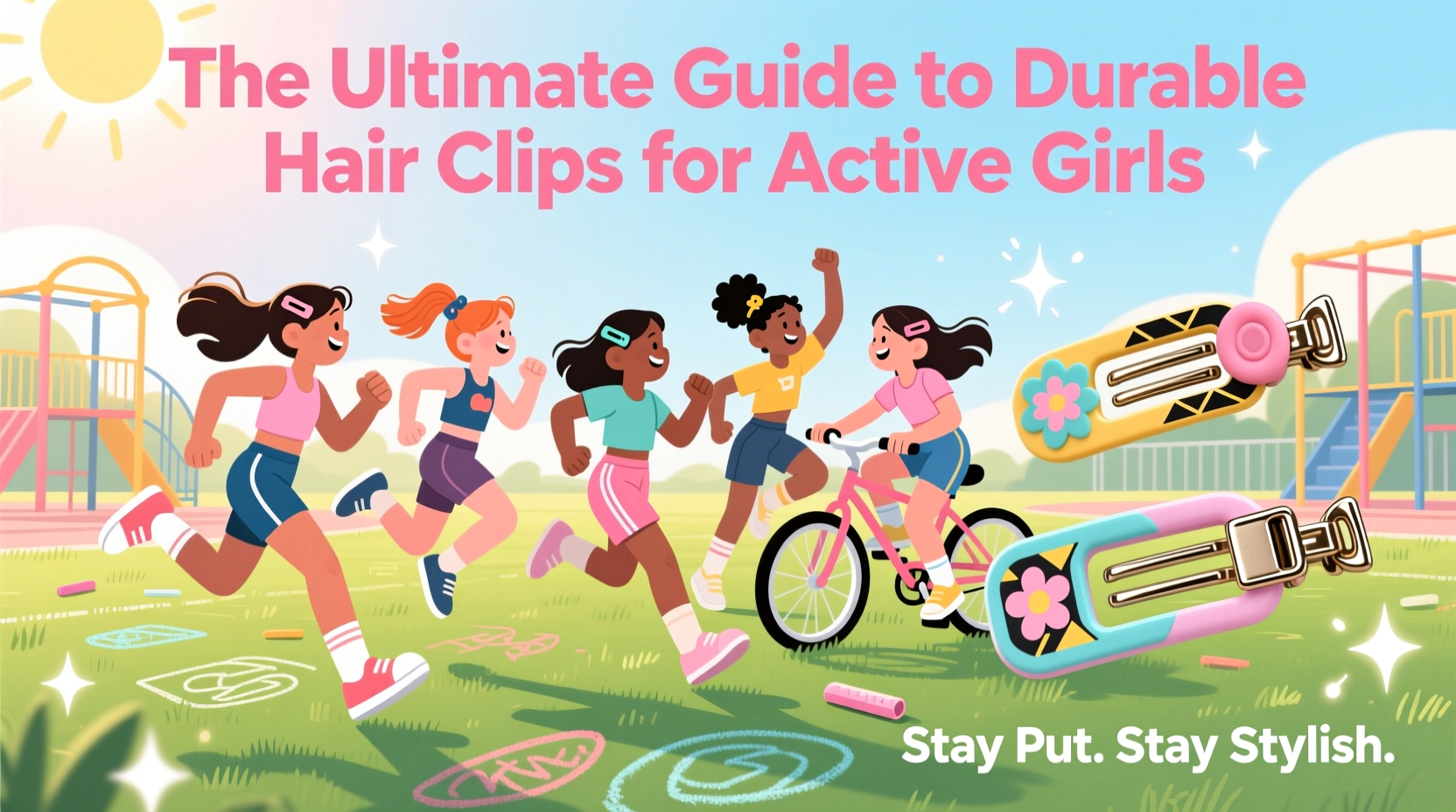
Standard hair clips are designed more for appearance than performance. Flimsy metal joints, thin plastic coatings, and shallow grips make them prone to breaking or slipping out when movement increases. For girls who run, jump, dance, or swim, these flaws become glaring within minutes.
The root issue lies in construction. Many mass-market clips prioritize low cost and visual appeal over structural integrity. A clip might look adorable in a store display but lacks the tension, weight distribution, or durability needed for real-life activity.
“Most hair accessories sold today aren’t engineered for motion. When a child is physically active, even slight imbalances in clip design lead to slippage or breakage.” — Dr. Lena Patel, Pediatric Dermatologist & Trichology Consultant
This mismatch between product design and usage leads to daily struggles: reapplying clips, dealing with tangles, or abandoning them altogether. The solution starts with understanding which features truly matter.
Key Features of Durable, Stay-Put Hair Clips
Durability and staying power come from specific engineering choices. Look for these five non-negotiable traits:
- Reinforced hinge mechanisms: Spring-loaded hinges made from coated metal (not plastic) resist snapping after repeated use.
- Textured or silicone-lined grips: These increase friction against hair, preventing slippage even during vigorous movement.
- Balanced weight distribution: Heavier embellishments should be centered or counterbalanced so the clip doesn’t tilt or pull.
- High-tensile strength materials: Nylon-reinforced plastics, stainless steel, or acetate offer resilience without adding bulk.
- Secure clasp action: The clip should require firm pressure to open and close, indicating strong spring tension.
Material Comparison: What Works and What Doesn’t
Not all materials perform equally under stress. Below is a comparison of common hair clip materials based on durability, safety, and comfort.
| Material | Durability | Safety | Best For |
|---|---|---|---|
| Stainless Steel | ★★★★★ | ★★★★☆ | Clips needing maximum strength; ideal for thick or curly hair |
| Acetate | ★★★★☆ | ★★★★★ | Fashion-forward designs with flexibility and color depth |
| Nylon-Reinforced Plastic | ★★★★☆ | ★★★★☆ | Everyday wear with resistance to impact and UV exposure |
| Basic Plastic | ★★☆☆☆ | ★★★☆☆ | Occasional use; avoid for active routines |
| Wood or Bamboo | ★★☆☆☆ | ★★★★★ | Eco-conscious styling; not recommended for high-motion activities |
While aesthetics matter, especially to young girls who want to express their personality, long-term satisfaction comes from clips that survive daily demands without causing discomfort or hair damage.
Real-Life Example: Dance Team Challenges Solved
A regional junior dance team struggled with hair clips failing mid-performance. Girls spent extra time backstage securing flyaways, and several reported scalp pain from clips that pulled or slipped. After switching to professional-grade barrettes with silicone grip strips and stainless steel springs, the coach noticed immediate improvements.
One dancer, Maya (age 11), used to re-pin her hair three times per routine. With the new clips, she didn’t touch her hair during a two-minute competition piece—even through spins and jumps. “They don’t hurt my head, and they don’t fall out,” she said. “I can finally focus on dancing.”
The team now uses a standard clip model for rehearsals and performances, reducing stress and improving uniformity. This shift highlights how the right product can enhance both confidence and practicality.
Step-by-Step Guide to Choosing the Right Clip
Selecting the best hair clip doesn’t have to be guesswork. Follow this six-step process to ensure lasting performance and style:
- Assess hair type: Fine hair needs lightweight clips with extra grip; thick or curly hair requires stronger tension and wider jaws.
- Check the hinge: Open and close the clip repeatedly. It should feel firm and consistent, never wobbly.
- Examine the interior: Look for rubberized or textured lining along the inner edges to prevent slippage.
- Test the hold: Clip it into your own hair at different angles. Shake your head gently—if it moves, it won’t survive real activity.
- Evaluate design balance: Avoid clips with large decorations on one end unless they’re counterweighted.
- Read user reviews: Focus on feedback from parents or users mentioning “sports,” “dancing,” or “stays in.”
Top 5 Mistakes to Avoid
- Choosing size over function: Oversized clips may look cute but often lack proportional strength.
- Ignoring closure quality: Weak springs fail quickly, rendering even beautiful clips useless.
- Using decorative clips for sports: Rhinestones or glued-on elements can detach and pose choking hazards.
- Skipping maintenance: Wipe clips monthly with a damp cloth to remove hair product buildup that reduces grip.
- Buying in bulk without testing: Not all clips in a pack perform equally—test each style individually.
FAQ: Common Questions About Active-Friendly Hair Clips
Can durable hair clips still be stylish?
Absolutely. Brands now offer reinforced clips in vibrant colors, fun shapes, and trendy finishes like matte, glitter, or tortoiseshell—all without sacrificing strength. Look for collections marketed toward dancers or athletes; they often blend performance with fashion.
How do I clean durable hair clips without damaging them?
Use a soft cloth dampened with mild soapy water. Gently wipe the surface and hinge area, then dry immediately. Avoid soaking or using alcohol-based cleaners, which can degrade adhesives and coatings.
At what age should girls start using sturdier clips?
As soon as they become physically active—often around ages 5–7. Signs include frequent clip loss, complaints of pain, or reluctance to wear hair accessories. Transitioning early builds better habits and protects hair health.
Final Checklist Before You Buy
- ✅ Strong, metal-reinforced hinge
- Ensures longevity and reliable closure.
- ✅ Non-slip interior lining
- Prevents sliding during movement.
- ✅ Proportional design
- No heavy ends that cause tilting.
- ✅ Smooth edges
- Prevents snagging and scalp irritation.
- ✅ Positive reviews from active users
- Look for mentions of sports, dancing, or all-day wear.
Conclusion: Style Meets Strength
Active girls deserve hair accessories that keep up with them—not ones that hold them back. By focusing on build quality, material integrity, and functional design, you can find clips that stay securely in place while letting personality shine. Durability doesn’t mean dullness; today’s market offers resilient options that are as fashionable as they are functional. Whether for school, sports, or spontaneous playground adventures, the right clip makes a noticeable difference in comfort, confidence, and convenience.
💬 Have a favorite durable hair clip brand or trick that works for your active girl? Share your experience in the comments and help others find the perfect fit!