Choosing the right piece of jewelry—especially something as personal as a heart-shaped pendant—can feel deeply emotional. But beyond sentiment, there’s a practical side to consider: material quality. Many people start with costume jewelry necklaces for their affordability and trendy appeal. Yet over time, tarnishing, skin irritation, or breakage can prompt a reevaluation. That’s where sterling silver enters the conversation. Is upgrading from a costume jewelry heart necklace to a sterling silver one truly worth it? The answer depends on your priorities—style, longevity, budget, and skin sensitivity—but understanding the differences makes the decision clearer.
Understanding the Materials: What You’re Actually Wearing
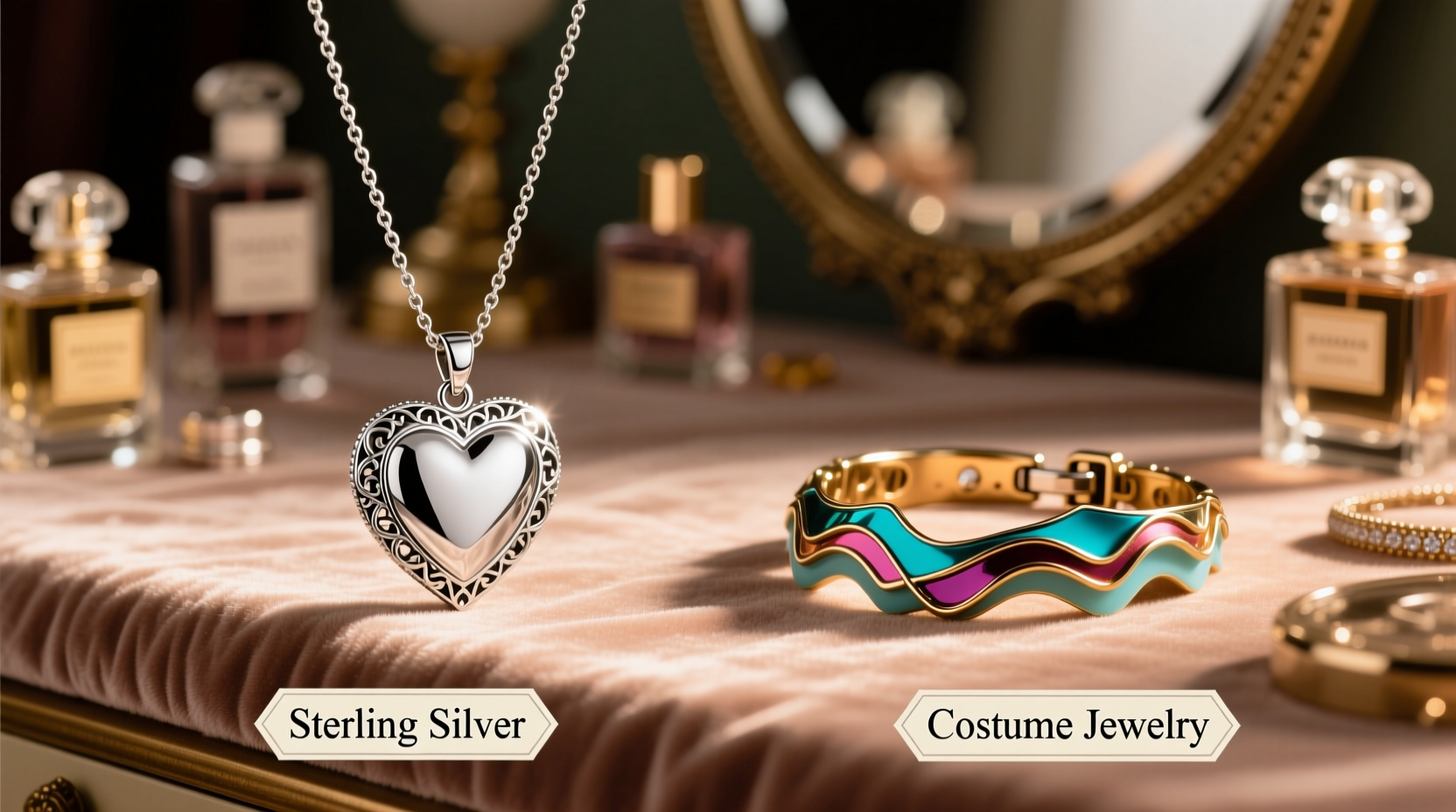
Cosmetic appeal aside, the core distinction lies in what each necklace is made of. Costume jewelry, also known as fashion or imitation jewelry, typically uses base metals like brass, copper, zinc, or nickel alloys. These are then plated with a thin layer of gold, silver, or rhodium to mimic the look of fine jewelry. While this keeps prices low—often under $20—it also means the finish wears off quickly, especially with regular wear.
Sterling silver, on the other hand, is an alloy composed of 92.5% pure silver and 7.5% other metals (usually copper) to enhance strength. It’s a regulated standard—legally labeled “925” when authentic—and widely used in fine jewelry. Unlike costume pieces, sterling silver retains its value, resists corrosion better, and ages gracefully with proper care.
Tip: Always check for a “925” stamp when buying sterling silver—this ensures authenticity and metal purity.Comparing Long-Term Value and Durability
At first glance, costume jewelry seems like the economical choice. A heart-shaped pendant might cost $15 compared to $80–$150 for sterling silver. But long-term value isn’t just about upfront cost. Consider how often you’ll need to replace a tarnished or broken fashion necklace. If you wear a necklace several times a week, a $15 piece might last three to six months before the plating wears off or the chain breaks. Replacing it twice a year adds up to $30 annually—more than many entry-level sterling silver options.
Sterling silver necklaces, while requiring occasional polishing, can last decades. They don’t degrade with daily wear the way plated metals do. Even if they develop a patina over time, that can be polished away or left for vintage charm. With proper storage and cleaning, a well-made sterling silver heart necklace becomes a lasting heirloom rather than disposable fashion.
“Jewelry should reflect both your style and your values. Sterling silver offers enduring beauty without the environmental toll of fast fashion accessories.” — Lila Monroe, Sustainable Jewelry Designer
Durability and Care Comparison Table
| Feature | Cosmetic Jewelry Necklace | Sterling Silver Heart Necklace |
|---|---|---|
| Material Composition | Base metal (brass, zinc) with thin plating | 92.5% pure silver, 7.5% alloy (usually copper) |
| Average Lifespan | 3–12 months with regular wear | 5+ years, potentially lifelong |
| Tarnish Resistance | Low – plating wears quickly | Moderate – develops patina but polishable |
| Skin Sensitivity Risk | High – nickel and lead common | Low – hypoallergenic when properly made |
| Initial Cost | $5–$25 | $60–$200 |
| Resale/Keepsake Value | Negligible | Significant – can be passed down |
Style, Versatility, and Emotional Worth
A heart pendant often carries symbolic meaning—love, remembrance, self-expression. When such a meaningful piece fades or breaks within months, it can feel disappointing. Sterling silver elevates the emotional weight of the jewelry. Its luster is richer, more substantial, and less likely to cause embarrassment from flaking or discoloration.
Stylistically, sterling silver pairs effortlessly with both casual and formal attire. It complements gold-tone pieces when layered (with slight contrast), and its cool tone enhances most skin tones. Costume jewelry may look flashy at first but often appears cheap after minimal wear—especially if the plating exposes dull or greenish base metal.
Moreover, consumers are increasingly valuing sustainability. Fast fashion jewelry contributes to landfill waste and unethical mining practices due to high turnover. Opting for a durable sterling silver piece aligns with slow fashion principles—buying less, choosing well, and keeping longer.
Real-Life Example: Sarah’s Upgrade Journey
Sarah, a 29-year-old graphic designer, wore a delicate heart-shaped necklace daily—a gift from her sister during college. It was a beautiful rose-gold-plated piece she bought for $18 online. Within eight months, the chain broke twice, and the pendant began turning her neck green. Frustrated, she upgraded to a minimalist sterling silver heart pendant for her birthday, spending $98. Two years later, she still wears it nearly every day. She polishes it once a month and stores it in a soft pouch. “It feels more ‘me,’” she says. “It doesn’t scream for attention, but it has presence. And I don’t worry about it falling apart.”
Step-by-Step Guide to Making the Upgrade Decision
Deciding whether to switch isn’t just financial—it’s lifestyle-driven. Follow these steps to evaluate if sterling silver is right for you:
- Assess Your Wear Frequency: Do you wear necklaces daily, weekly, or occasionally? Daily wear favors durable materials.
- Evaluate Skin Sensitivity: Have you experienced itching, rashes, or discoloration? Base metals in costume jewelry are common culprits.
- Review Replacement Costs: Add up how much you’ve spent replacing fashion necklaces over the past two years. Compare that total to the price of one sterling silver piece.
- Consider Sentimental Value: Is this a gift, a self-purchase with meaning, or a staple accessory? Higher emotional stakes justify investing in quality.
- Check Maintenance Willingness: Are you open to occasional polishing and proper storage? If not, look for anti-tarnish coated sterling silver.
Frequently Asked Questions
Does sterling silver turn your skin green?
No, genuine 925 sterling silver does not typically cause skin discoloration. The myth stems from lower-quality alloys or counterfeit items. However, individual body chemistry (like pH levels and sweat) can occasionally react with copper in the alloy, leading to mild darkening. This is rare and easily wiped off.
Can I wear sterling silver every day?
Yes, but avoid wearing it during activities involving chlorine (swimming), harsh chemicals (cleaning), or excessive sweating. Remove it before showering or sleeping to extend its life and prevent tangling or breakage.
How do I clean a tarnished sterling silver heart necklace?
Use a microfiber polishing cloth for light tarnish. For heavier buildup, soak in warm water with mild dish soap for 5 minutes, gently scrub with a soft toothbrush, rinse, and dry thoroughly. Avoid abrasive cleaners or bleach.
Final Verdict: Is the Upgrade Worth It?
The upgrade from a costume jewelry heart necklace to a sterling silver one is absolutely worth it—if you value longevity, comfort, and timeless style. While the initial cost is higher, the long-term savings, reduced environmental impact, and enhanced wearing experience outweigh the difference. Sterling silver doesn’t just look better over time; it feels more meaningful. It’s the kind of piece you reach for instinctively, knowing it won’t let you down.
For occasional wear or trend-chasing, costume jewelry still has its place. But for a signature accessory—especially one shaped like a heart, symbolizing love and connection—investing in quality makes emotional and practical sense. Choose a simple, well-crafted sterling silver design, care for it mindfully, and you’ll have a companion for years to come.
🚀 Ready to make the switch? Start by browsing reputable jewelers with clear return policies and 925 certification. Your future self—and your neckline—will thank you.