
Traveling should be about discovery, not distraction. Yet too often, small inconveniences—like fumbling for loose change at toll booths, vending machines, or street markets—can disrupt the flow of an otherwise smooth journey. Enter the mini coin wallet: a compact, purpose-built accessory designed to keep your coins organized, accessible, and out of the way until you need them. While it may seem minor, integrating a mini coin wallet into your travel routine can significantly enhance efficiency, comfort, and peace of mind.
More than just a novelty, this small tool supports intentional packing, reduces clutter in primary wallets, and helps maintain hygiene by minimizing contact with dirty coin compartments. Whether navigating public transit in Tokyo, buying fresh fruit from a roadside vendor in Lisbon, or paying for parking in New York, a well-used mini coin wallet streamlines everyday transactions without adding bulk.
The Role of Coins in Modern Travel
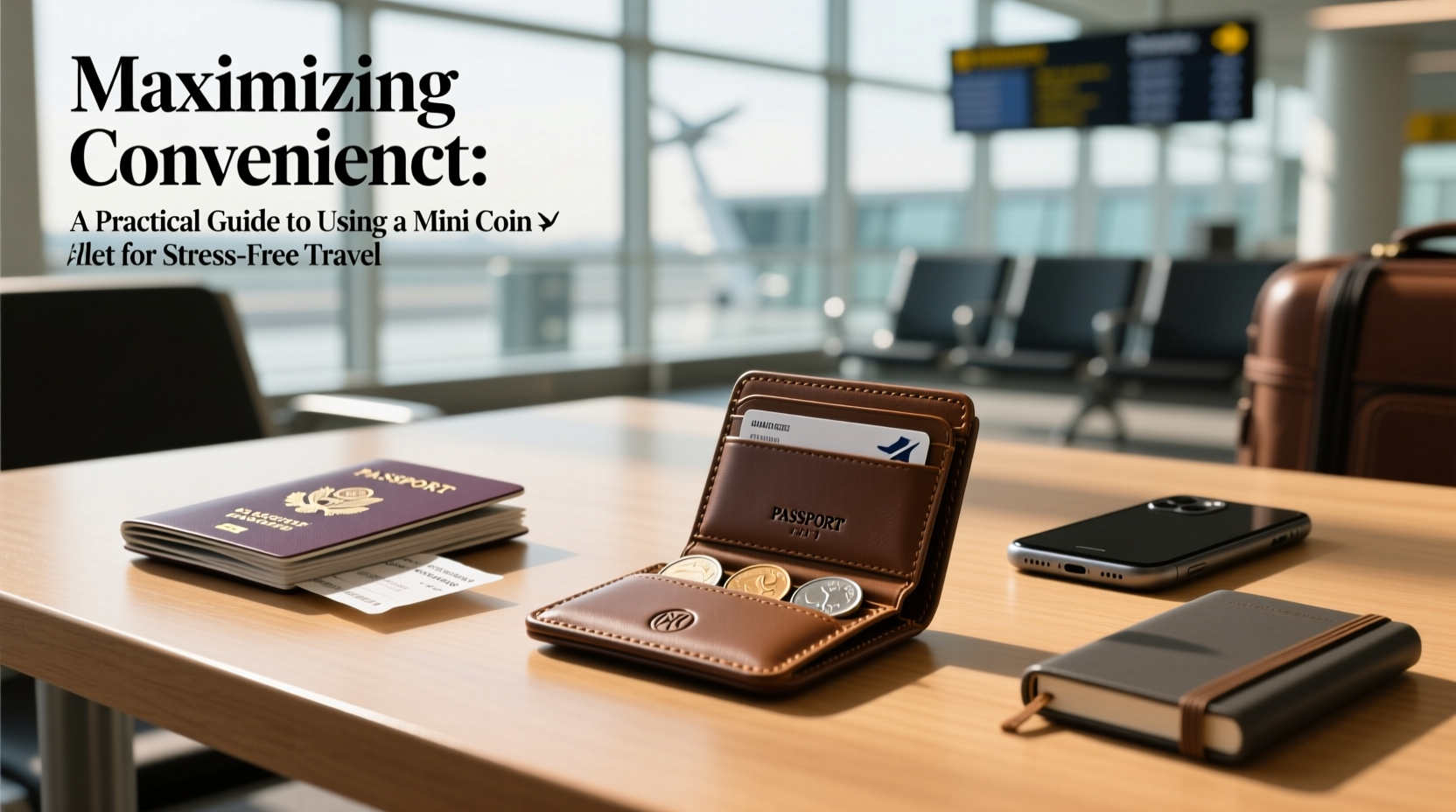
Despite the rise of digital payments, coins remain essential in many parts of the world. Public restrooms in Germany require €2, self-service baggage drops in airports often accept only local currency, and countless street vendors across Southeast Asia operate on a cash-only basis. Even in highly digitized economies like South Korea or Sweden, small-denomination coins are still used for lockers, laundry, and transit fare top-ups.
Relying solely on cards or mobile payments leaves travelers vulnerable when coin-operated systems stand between them and basic services. A mini coin wallet ensures you're never caught empty-handed while avoiding the annoyance of carrying a full-sized wallet just for a few coins.
Tip: Keep 5–7 units of the most commonly required denomination (e.g., €2, ¥100, $1) in your mini coin wallet before departure.Choosing the Right Mini Coin Wallet
Not all coin wallets are created equal. The best options balance durability, size, ease of access, and design. Consider these factors when selecting one:
- Material: Look for water-resistant nylon, silicone, or coated canvas. Leather offers elegance but absorbs moisture if exposed.
- Closure Type: Zippered tops prevent spills; snap buttons offer quicker access but may open accidentally.
- Size: Ideal dimensions are no larger than 3 inches in diameter and under half an inch thick.
- Weight: Should add less than 1 ounce when empty.
- Compatibility: Ensure it fits inside your main bag, pocket, or passport holder without creating bulk.
“Efficiency in travel comes from eliminating friction points. A dedicated coin compartment removes one more decision from your day.” — Luca Mendes, Travel Efficiency Consultant and author of *Lighter Journeys*
Smart Ways to Use Your Mini Coin Wallet
Integrating a mini coin wallet into your travel habits goes beyond simply storing change. With thoughtful use, it becomes a tactical asset.
1. Pre-Load Local Currency Before Arrival
Before landing in a new country, research which services require coins. Load your wallet accordingly. For example, Switzerland’s train station lockers use CHF 2 coins as deposits, refundable upon retrieval. Having two ready saves time and stress.
2. Separate Emergency Change
Dedicate one section—or a second mini wallet—for emergency coins only. These stay untouched unless needed for laundromats, payphones, or transport after dark when ATMs are unavailable.
3. Track Small Expenses
Use your coin wallet as a micro-budgeting tool. Allocate a set number of coins per day for snacks, drinks, or tips. When they’re gone, spending pauses—no apps or receipts required.
4. Avoid Cross-Contamination
Coins picked up from streets, trays, or machines carry germs. Keeping them isolated prevents contamination of bills, cards, and phone screens.
| Scenario | Solution with Mini Coin Wallet |
|---|---|
| Buying coffee from a vending machine | Quick access without opening main wallet |
| Tipping housekeeping in Europe | Pre-placed euro coins avoid last-minute scrambling |
| Using public restroom in France | Always have €1 or €2 available |
| Returning luggage trolley | Deposit coin already separated and ready |
Step-by-Step: Integrating the Mini Coin Wallet Into Your Travel Routine
- Week Before Trip: Research destination-specific coin needs (e.g., locker deposits, toll roads).
- Two Days Before: Clean and dry your mini wallet; inspect zipper or clasp function.
- Day of Departure: Insert 5–7 coins of the most useful denomination (usually highest common coin value).
- Upon Arrival: Exchange a small amount of cash and refill with local coins immediately.
- Daily Use: Store in outer jacket pocket, daypack side pouch, or clipped to a lanyard.
- End of Trip: Empty remaining coins; clean interior with dry cloth before storage.
Real-World Example: Maria’s Weekend in Amsterdam
Maria, a frequent traveler from Toronto, visited Amsterdam for a long weekend. She brought her slim RFID-blocking wallet for cards and folded bills, plus a bright red silicone mini coin wallet she’d tucked into her crossbody bag’s front pocket.
On her first morning, she used €2 coins from the mini wallet to rent a bicycle from a self-service dock. Later, she paid €1 for a public toilet near Dam Square—something she’d forgotten about until arriving. At a farmers’ market, she bought stroopwafels using only coins, keeping her card safe.
“I didn’t open my main wallet once that day,” she said. “Having those eight coins ready made me feel prepared without being weighed down.”
Common Mistakes to Avoid
- Overfilling: Stuffed wallets bulge, break zippers, and attract pickpockets.
- Mixing Currencies: Don’t combine old foreign coins with current ones—it leads to confusion and wasted money.
- Neglecting Maintenance: Dirt and grime build up quickly. Wipe down monthly, especially after beach or mountain trips.
- Forgetting It Exists: If stored too deep, you might overlook it when needed. Always place it in a high-access zone.
Checklist: Optimizing Your Mini Coin Wallet Strategy
- ☐ Research coin-dependent services at your destination
- ☐ Choose a durable, appropriately sized wallet
- ☐ Pre-load with 5–7 relevant coins before departure
- ☐ Designate a fixed, easy-to-reach location on your person
- ☐ Use separate compartments for daily vs. emergency coins
- ☐ Empty and clean after each trip
- ☐ Replace worn closures or damaged seams promptly
Frequently Asked Questions
Can I use a mini coin wallet for more than just coins?
Yes, many travelers repurpose them for SIM cards, hotel keycards, earplugs, or even folded emergency cash. Just ensure the contents don’t compromise closure integrity.
Are mini coin wallets worth it if I mostly use digital payments?
Absolutely. Even in tech-forward countries, analog systems persist. Being unprepared for a €2 locker fee or a coin-operated shopping cart can halt your momentum. Think of it as insurance against minor inconveniences.
What should I do with leftover foreign coins after a trip?
Donate them to charity collection bins at airports, save them for future visits, or use them as educational tools for children. Avoid hoarding—old coins lose relevance and create clutter.
Final Thoughts: Small Tool, Big Impact
The essence of stress-free travel lies not in grand gestures, but in meticulous attention to detail. The mini coin wallet exemplifies this principle—a seemingly trivial object that, when used intentionally, eliminates friction, enhances preparedness, and preserves mental bandwidth for what truly matters: experiencing your destination.
It’s not about carrying more, but carrying better. By dedicating a few minutes to plan your coin strategy, you gain confidence that even the smallest transaction won’t slow you down. That quiet assurance is the hallmark of a seasoned traveler.
🚀 Ready to simplify your next trip? Pick a mini coin wallet today, load it with purpose, and experience the difference that thoughtful preparation makes. Share your favorite travel hacks in the comments below!