
Tying a reliable knot is one of those small but essential skills that can make a noticeable difference in everyday life. Whether you're securing your shoelaces before a morning run, fastening a tie for a business meeting, or finishing off a craft project, the double knot offers durability and style. While it may seem simple, many people tie knots incorrectly—leading to slippage, uneven tension, or an unpolished look. With the right technique, the double knot becomes not only functional but also refined. This guide breaks down how to master it across multiple contexts, ensuring your knots stay tight, neat, and professional.
The Science Behind a Secure Knot
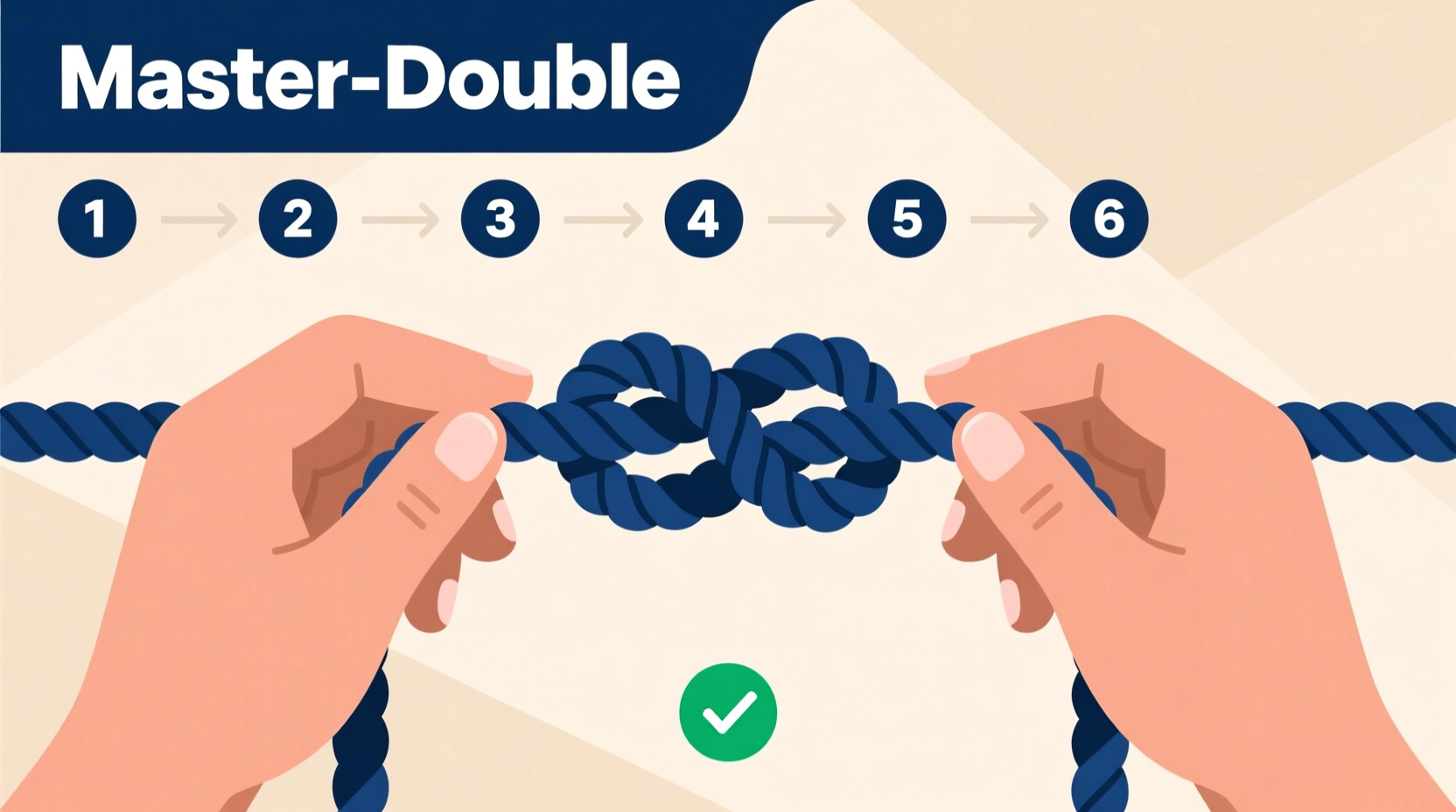
A single knot often loosens under stress because it lacks redundancy. The double knot introduces a second layer of friction and interlocking loops, significantly increasing resistance to slipping. In physics terms, this added complexity distributes tension more evenly and reduces the chance of unraveling due to vibration or movement.
Dr. Thomas Fink, author of *The 85 Ways to Tie a Tie*, explains:
“Knots are not just practical—they’re mathematical. A well-tied double knot follows principles of symmetry and balance, making it both stronger and more aesthetically pleasing.” — Dr. Thomas Fink, Physicist & Author
This blend of function and form is why mastering the double knot matters. It’s not about overcomplicating things—it’s about getting reliability without sacrificing appearance.
Step-by-Step Guide to Tying a Double Knot (Shoelace Method)
One of the most common uses of the double knot is with shoelaces. Follow these steps for a clean, secure result:
- Cross one lace over the other to form an “X” near the top of your shoe.
- Loop the top lace under the bottom one and pull both ends tight to create a basic knot.
- Form a loop (or “bunny ear”) with each lace in your hands.
- Cross the right loop over the left loop.
- Take the right loop and pass it under the left loop, pulling it through the gap at the base.
- Pull both loops firmly to tighten. You now have a standard bow.
- For the double knot, take the end of each lace and wrap them once around the center of the bow.
- Push one lace end through the newly formed loop and pull tight.
This method ensures the bow stays flat and symmetrical while the double wrap prevents accidental loosening during activity.
Variations Across Different Uses
The double knot isn’t limited to footwear. Its versatility shines in various applications—from neckties to gift wrapping. Below is a comparison of how the technique adapts to different materials and purposes.
| Use Case | Knot Type | Advantage | Caution |
|---|---|---|---|
| Shoelaces | Double wrap after bow | Prevents slippage during walking or running | Avoid over-tightening, which can damage lace fibers |
| Dress Shoes / Oxfords | Reef knot base + tucked double knot | Neat finish with hidden security | Ensure laces are even length before starting |
| Silk Necktie | Four-in-hand with double tuck | Secure hold without distorting knot shape | Use gentle pressure to avoid creasing silk |
| Paracord Bracelet | Double fisherman’s knot | Extremely strong, ideal for survival gear | Difficult to untie once tightened |
| Gift Wrapping Ribbon | Double-loop bow | Stays intact during transport | Use wired ribbon for better structure |
Common Mistakes and How to Avoid Them
Even experienced users fall into bad habits when tying knots. Here are frequent errors and their fixes:
- Uneven tension: Pulling one side harder than the other creates a lopsided knot. Always adjust both sides symmetrically.
- Using the wrong lace material: Waxed laces resist knotting; cotton blends grip better. Match your knot technique to the fabric.
- Skipping the initial knot: Jumping straight to the bow without a foundation knot causes early failure. Always start with a secure base.
- Over-knotting: Triple or quadruple knots may seem safer but can damage fibers and become nearly impossible to untie.
Real-World Example: A Runner’s Solution to Loose Laces
Mark, a marathon runner from Portland, used to stop mid-race to retie his shoes. He tried specialty lacing techniques and locking clips, but nothing worked consistently. After learning the proper double knot method—specifically the wrap-around-the-bow technique—he adjusted his routine. Now, he ties his shoes using the full eight-step process, ensuring even tension and a final double wrap. Over six months of training, he didn’t experience a single lace failure. “It took two extra seconds,” he says, “but saved me minutes in races and eliminated constant frustration.”
This case illustrates how a minor adjustment in technique delivers major real-world benefits.
Checklist: Mastering Your Double Knot Technique
Use this checklist every time you tie a critical knot—especially before physical activity or formal events:
- ✅ Ensure both ends of the cord or lace are roughly equal in length
- ✅ Start with a firm base knot (first crossing)
- ✅ Maintain consistent tension throughout
- ✅ Form symmetrical loops if creating a bow
- ✅ Wrap and tuck the ends properly for the double lock
- ✅ Test the knot by gently pulling on both sides
- ✅ Adjust appearance so the knot lies flat and centered
Frequently Asked Questions
Is a double knot necessary for all types of shoes?
No. Casual shoes with non-slip soles or elastic laces may not require a double knot. However, athletic shoes, work boots, and children's footwear benefit greatly from the added security.
Can I use a double knot on silk ties without damaging the fabric?
Yes, as long as you don’t overtighten. Use a four-in-hand knot with a second tuck instead of pulling excessively. Loosen the knot by sliding it down the narrow end rather than yanking the wide blade.
Why does my double knot still come undone?
This usually happens if the initial base knot wasn’t tight enough or if you’re using overly smooth laces. Try switching to flatter, cotton-blend laces and ensure each stage of the knot is snug before proceeding.
Final Thoughts: Elevate Your Everyday Skills
Tying a double knot might seem trivial, but like any foundational skill, its impact multiplies over time. From preventing tripping hazards to presenting a polished image, the details matter. By applying the correct method—starting with a balanced base, maintaining tension, and finishing with a secure wrap—you transform a mundane task into a mark of attention to detail.
Don’t underestimate the value of doing the little things right. A well-tied knot reflects care, preparation, and confidence. Whether you're gearing up for a job interview, a hike, or simply walking out the door, take those few extra seconds to get it right.
💬 How do you secure your knots? Share your favorite tip or variation in the comments below—your insight could help others master this essential skill!








