A well-chosen handbag does more than carry essentials—it completes a look. While bold, statement bags have their place, it’s the simple handbag that offers unmatched versatility. Neutral tones, clean lines, and understated hardware make these accessories ideal for pairing with almost any outfit. Yet, simplicity doesn’t mean invisibility. When used intentionally, a minimalist bag elevates your entire ensemble with quiet confidence. The key lies in mastering the subtle art of coordination: balancing color, texture, proportion, and occasion.
The Power of Simplicity in Accessorizing
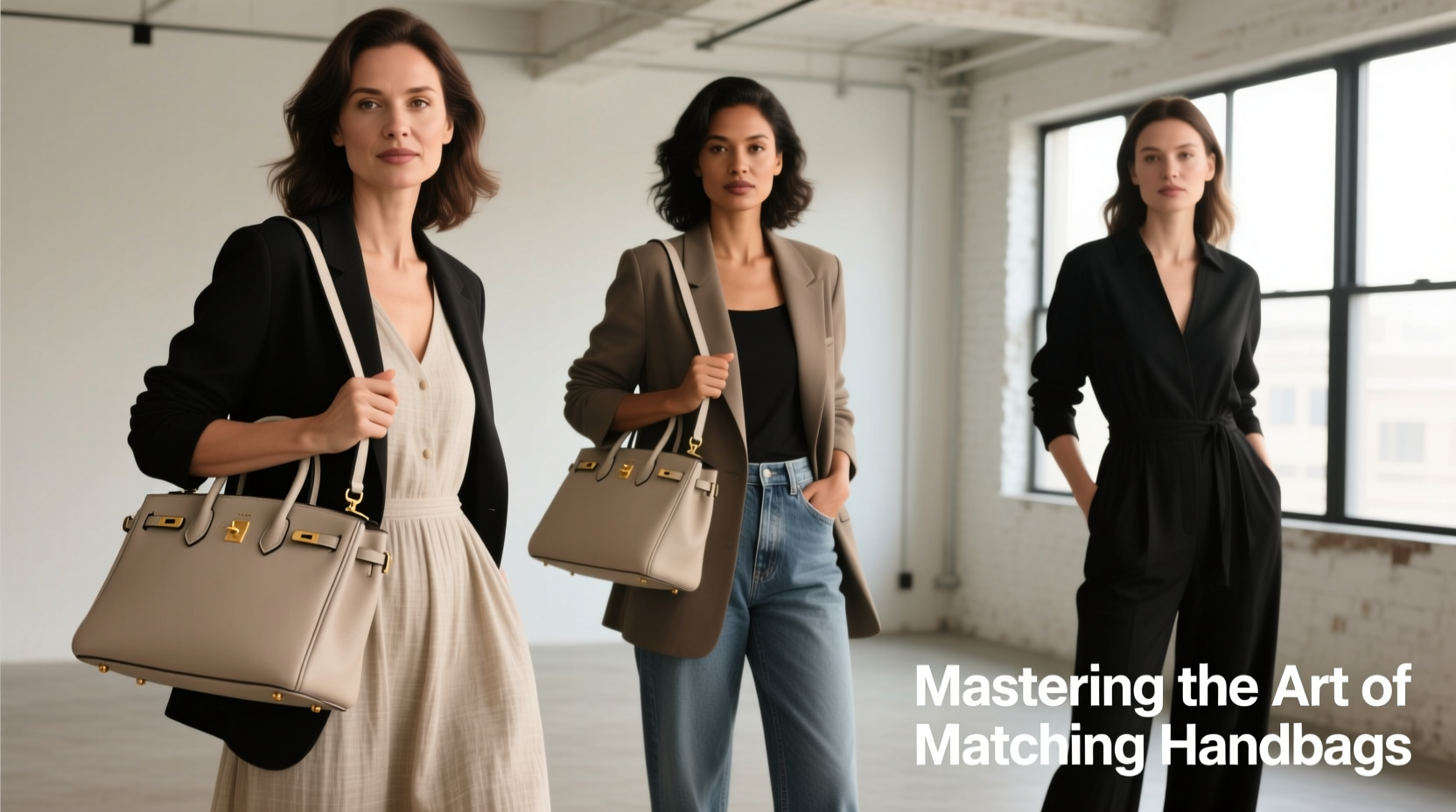
In fashion, less often communicates more. A simple handbag—think structured totes, crossbody satchels, or sleek clutches in black, beige, navy, or tan—acts as a visual anchor. Unlike trend-driven designs, these pieces don’t compete with clothing; they complement them. Designers like Phoebe Philo and Jil Sander have long championed this philosophy: accessories should enhance, not dominate.
When you rely on a capsule wardrobe, a few well-curated bags can seamlessly transition from day to night, work to weekend. The trick is choosing bags with minimal branding, balanced proportions, and high-quality materials. A matte leather tote in taupe pairs just as easily with tailored trousers as it does with a floral summer dress.
“Simplicity in accessories allows personal style to shine through without distraction.” — Lena Moreau, Stylist & Editorial Director at *Urban Edit Magazine*
Color Coordination: How to Match Without Matching Exactly
Matching a handbag to an outfit doesn’t require identical hues. In fact, exact matches can sometimes appear overly deliberate. Instead, aim for tonal harmony or strategic contrast.
Consider these principles:
- Neutral dominance: Black, white, cream, gray, and brown form the backbone of versatile accessorizing. A black bag grounds bright colors, while a camel tote warms up cool tones.
- Complementary accents: Use your bag to echo a secondary color in your outfit. For example, pair a navy dress with a rust-colored bag if the dress has rust-toned patterns.
- Monochromatic layering: When wearing all one color, introduce a bag in a slightly lighter or darker shade for depth. A light gray sweater dress with a charcoal crossbody creates subtle dimension.
Choosing the Right Bag for the Occasion and Outfit
Not every simple bag suits every context. The silhouette and size should align with both function and aesthetic tone.
| Occasion | Recommended Bag Type | Outfit Pairing Example |
|---|---|---|
| Work / Office | Structured tote or satchel (medium size) | Tailored blazer, silk blouse, straight-leg pants |
| Casual Day Out | Medium crossbody or canvas shoulder bag | Denim jacket, white tee, jeans, sneakers |
| Evening Event | Sleek clutch or mini bag with subtle hardware | LBD, pointed heels, delicate jewelry |
| Weekend Errands | Large tote or backpack (minimalist design) | Knit sweater, leggings, ankle boots |
Proportion matters. A tiny bag with an oversized coat may get lost, while a bulky tote with a fitted dress can overwhelm. Aim for visual balance: let the bag support the outfit’s shape, not distort it.
Step-by-Step Guide: Building a Capsule Handbag Collection
Creating a functional, stylish set of simple handbags takes planning. Follow this five-step process to build a collection that works across seasons and styles.
- Assess your wardrobe palette: Identify the dominant colors in your closet. If you wear mostly neutrals, prioritize black, beige, and gray. If you lean toward jewel tones, include a deep burgundy or forest green.
- Select three core silhouettes: Choose one tote (for work), one crossbody (for casual use), and one clutch (for evening). Stick to classic shapes—avoid trendy cuts that date quickly.
- Invest in quality over quantity: Spend more on fewer bags made from full-grain leather or durable vegan alternatives. They’ll age better and resist scuffing.
- Limit hardware details: Opt for bags with discreet zippers, minimal logos, and neutral-toned metal (gunmetal, brushed gold, or silver).
- Test each bag with five existing outfits: Before finalizing a purchase, try it with different ensembles to ensure true versatility.
Checklist: Your Simple Bag Selection Criteria
- ✔ Neutral or adaptable color
- ✔ Functional but unobtrusive size
- ✔ High-quality material (leather, waxed canvas, etc.)
- ✔ Minimal branding or embellishment
- ✔ Comfortable strap or handle length
- ✔ Lining that resists stains and odors
Real-Life Example: From Dull to Dynamic with One Bag Swap
Sophie, a marketing consultant in Chicago, had a closet full of colorful dresses and tailored separates but felt her looks were “safe” and forgettable. She wore the same black leather tote every day—practical, but visually flat.
After a styling session, she added a warm cognac crossbody bag to her rotation. Suddenly, her navy wrap dress looked richer, her gray suit more approachable, and her weekend denim more polished. The subtle warmth of the bag brought out the golden undertones in her skin and hair. Within weeks, colleagues began complimenting her “new sense of style”—all from one intentional accessory change.
This illustrates how a single well-chosen simple bag can redefine an entire wardrobe narrative.
Common Mistakes to Avoid
Even experienced dressers fall into pitfalls when pairing bags with outfits. Watch out for these missteps:
- Over-matching: Wearing a red bag with a red dress can look costumey unless intentionally styled with contrasting textures.
- Ignoring texture: A patent leather bag with a tweed coat can clash. Pair smooth leathers with soft knits, and textured bags (like woven raffia) with crisp cottons.
- Forgetting the season: A heavy suede tote feels out of place in summer. Rotate lightweight canvas or straw bags during warmer months.
- Carrying too much: Overstuffing distorts shape. Edit contents daily to preserve structure.
Frequently Asked Questions
Can I pair a simple handbag with a patterned outfit?
Absolutely. Let the bag serve as a grounding element. Choose a solid color that appears in the pattern—such as a navy bag with a floral dress containing blue accents. Avoid introducing a new color that isn’t already present.
Is it okay to mix metals between my bag hardware and jewelry?
Yes, especially with simple bags. Modern styling embraces mixed metals. Just keep one dominant tone—for instance, if your bag has silver zippers, wear more silver jewelry than gold to maintain cohesion.
How many simple handbags do I really need?
Three well-chosen pieces cover most needs: a professional tote, a hands-free crossbody, and an elegant clutch. Expand only if your lifestyle demands it—such as frequent travel or seasonal extremes.
Final Thoughts: Elevate Your Style Through Intentional Choices
Mastering the art of matching simple handbags with any outfit isn’t about rigid rules—it’s about cultivating awareness. It’s noticing how a soft buttery tote lifts a monochrome look, or how a compact crossbody adds polish to weekend wear. These quiet details accumulate into a distinct personal style.
Start by evaluating what you already own. Which bag do you reach for most? Why? Chances are, it’s simple, fits your body type, and harmonizes with your go-to outfits. Use that insight to refine your collection further. Invest in longevity, not novelty. And remember: the most powerful accessory isn’t the loudest—it’s the one that makes everything else look effortlessly put together.
🚀 Ready to refine your handbag game? Pick one outfit today and experiment with a different simple bag. Notice how it changes the impression. Share your before-and-after thoughts in the comments!