Grooming your cat’s belly is often overlooked, yet it plays a vital role in their overall hygiene and health. The belly area is sensitive, difficult for cats to clean themselves, and prone to matting, dirt buildup, and skin irritation—especially in long-haired breeds. However, many cats resist having their underside touched, making this task challenging for even experienced pet owners. With the right approach, patience, and understanding of feline behavior, grooming your cat’s belly can become a calm, bonding experience rather than a stressful battle.
This guide walks you through the essential steps, tools, and techniques to safely groom your cat’s belly while minimizing anxiety—for both you and your feline companion.
Understanding Your Cat’s Belly Sensitivity
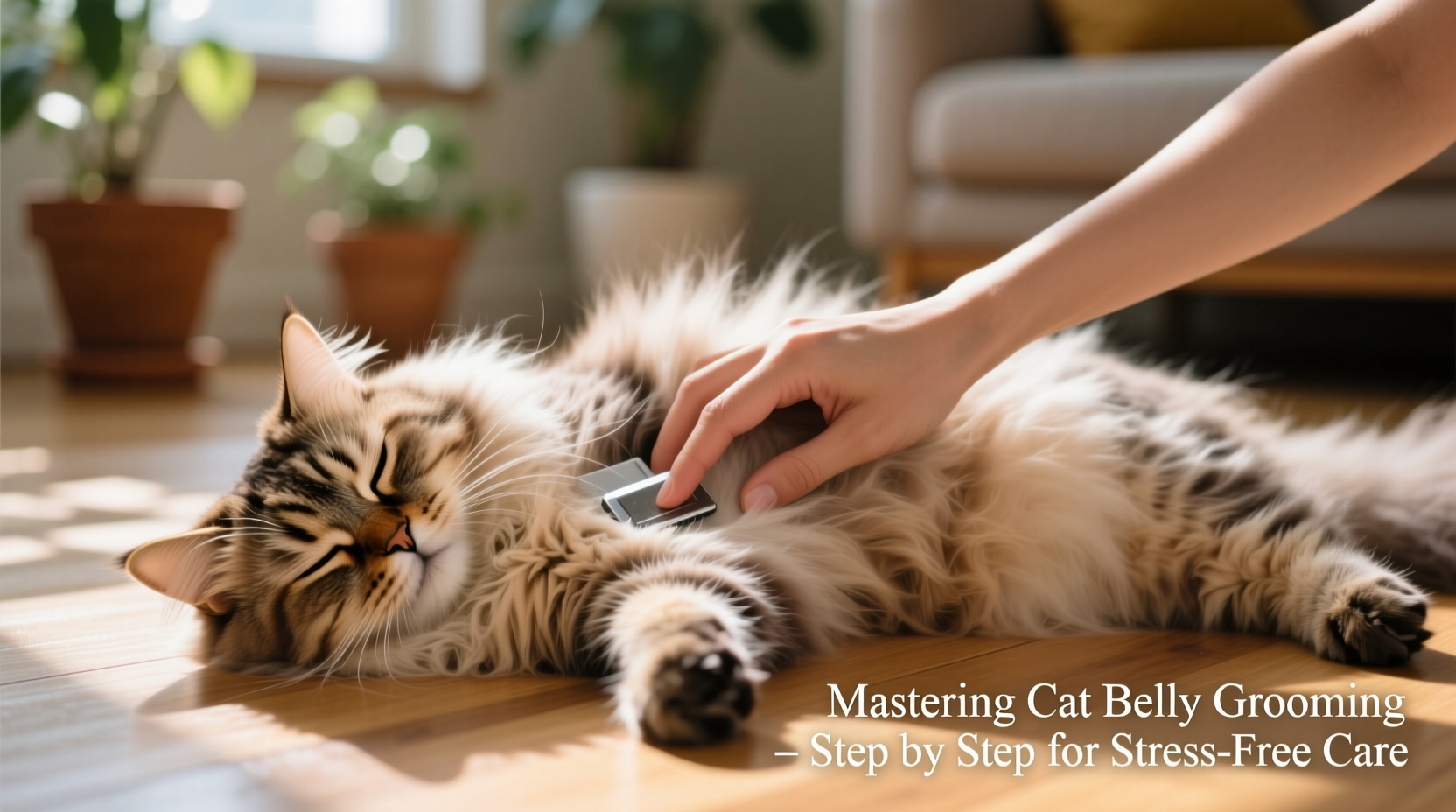
A cat’s belly is one of its most vulnerable areas. In the wild, exposure of the abdomen signals submission or trust. Even domesticated cats retain this instinct, which explains why some react defensively when touched there. Not all cats will tolerate belly handling, and that’s normal. The key is not to force access but to build comfort gradually.
The belly fur tends to be softer and thinner than on the back, making it more susceptible to tangles, especially in medium-to-long-haired breeds like Persians or Maine Coons. Additionally, this region can trap litter, food residue, or moisture, increasing the risk of fungal infections or hot spots.
Tip: Never assume a purring cat is fully comfortable—some cats purr when anxious as a self-soothing mechanism.Essential Tools for Belly Grooming
Using the right tools ensures efficiency and reduces discomfort. Here’s what you’ll need:
- Slicker brush: Ideal for removing loose hair and preventing mats.
- Comb with wide and fine teeth: Helps detangle fur close to the skin without pulling.
- Blunt-tipped scissors: For carefully trimming matted areas (never use sharp scissors near sensitive skin).
- Damp cloth or pet-safe wipe: To gently clean the skin if soiled.
- Non-slip mat: Provides stability and comfort during grooming sessions.
Avoid using human shampoos or harsh cleaners. If bathing is necessary, opt for a vet-recommended, hypoallergenic cat shampoo.
Step-by-Step Guide to Stress-Free Belly Grooming
- Start with Trust-Building: Spend time daily petting your cat’s shoulders, back, and sides. Gradually move closer to the chest and upper legs. Reward calm behavior with treats or praise.
- Introduce Touch Slowly: Gently stroke along the side of the belly without direct contact at first. Over several days, lightly touch the lower rib area, watching for signs of tension.
- Practice Lifting Paws and Rolling Position: Help your cat get used to being on their side by guiding them into position during play or cuddle time. Use treats to reinforce cooperation.
- Begin Brushing in Short Sessions: Once your cat tolerates touch, use a soft brush on the outer edges of the belly fur. Limit initial sessions to 30 seconds.
- Check for Mats and Irritation: Part the fur gently with your fingers or a comb. Look for redness, swelling, fleas, or dense tangles near the skin.
- Address Mats Safely: Small mats can be worked out with a comb. For larger ones, carefully trim around the edges with blunt-tipped scissors—never cut close to the skin.
- Clean When Necessary: If the belly is dirty, use a slightly damp cloth to wipe the area. Avoid soaking unless a full bath is needed.
- End on a Positive Note: Always finish with affection or a treat, regardless of how much grooming was completed.
Do’s and Don’ts of Belly Grooming
| Do’s | Don’ts |
|---|---|
| Approach calmly and speak softly | Restrain or hold down your cat forcefully |
| Use positive reinforcement consistently | Continue if your cat shows signs of distress (hissing, tail flicking) |
| Brush with the direction of hair growth | Use human razors or clippers not designed for pets |
| Inspect skin regularly for changes | Ignore persistent mats or skin lesions |
| Seek professional help when needed | Attempt to shave a severely matted cat at home |
When to Seek Professional Help
Some situations require veterinary or professional grooming intervention. These include:
- Severe matting that pulls on the skin
- Visible wounds, rashes, or signs of infection
- Excessive licking or biting of the belly area
- Behavioral resistance despite weeks of desensitization
“Attempting to remove tight mats at home can cause micro-tears in the skin. A professional groomer has the tools and training to handle sensitive cases safely.” — Dr. Lena Torres, Feline Veterinarian & Behavior Consultant
Real-Life Example: Helping Luna the Long-Haired Tabby
Luna, a 4-year-old domestic longhair, began developing mats under her belly after reducing self-grooming due to mild arthritis. Her owner, Sarah, noticed she flinched when touched and avoided lying on her side. Concerned about hygiene and comfort, Sarah started a gradual acclimation process.
Over three weeks, she introduced short touch sessions, pairing each with high-value treats. She used a soft slicker brush for 20 seconds at a time, focusing only on accessible areas. After two months, Luna allowed full belly brushing and even tolerated gentle wiping with a damp cloth. The mats were professionally removed under sedation during a dental cleaning, eliminating discomfort and restoring her grooming routine.
This case highlights how patience, timing, and professional collaboration can transform a stressful task into a manageable part of care.
Frequently Asked Questions
How often should I groom my cat’s belly?
For short-haired cats, once a week is usually sufficient. Long-haired or senior cats may need attention every 2–3 days to prevent matting. Adjust frequency based on coat condition and seasonal shedding.
Why does my cat hiss when I try to touch their belly?
Belly exposure makes cats feel vulnerable. Hissing is a defensive reaction, not aggression. It indicates discomfort or fear. Respect their boundaries and rebuild trust slowly using positive associations.
Can I shave my cat’s belly at home?
Shaving should only be done by professionals unless you’re trained. Cats have thin skin and can easily be nicked. Shaving is typically reserved for medical reasons or extreme matting.
Final Checklist for Safe Belly Grooming
- Assess your cat’s temperament and past reactions to handling.
- Gather proper grooming tools and create a quiet environment.
- Begin with trust-building and touch acclimation over days or weeks.
- Start brushing in short, positive sessions, focusing on accessible areas.
- Monitor for mats, debris, or skin issues during each session.
- Stop immediately if your cat shows stress; resume later.
- Consult a vet or professional groomer for severe conditions.
- Reinforce cooperation with treats, praise, or play.
Conclusion: Transform Grooming Into Bonding
Grooming your cat’s belly doesn’t have to be a struggle. By respecting your cat’s natural instincts, moving at their pace, and using the right techniques, you turn a potentially tense interaction into an opportunity for connection. Regular care prevents health issues, keeps your cat comfortable, and strengthens your relationship through trust and consistency.
💬 Have a grooming success story or tip? Share your experience below and help fellow cat owners provide gentler, smarter care for their beloved pets.