
Traveling with a toddler on a long flight can be one of parenting’s most daunting challenges. Between cramped seats, limited movement, and the pressure of keeping noise levels low, the goal isn’t just entertainment—it’s peace. While screens offer temporary relief, relying solely on digital devices can lead to overstimulation or meltdowns when battery life runs out. The solution? A curated selection of quiet, engaging, and developmentally appropriate toys that captivate attention without disturbing fellow passengers.
The key is choosing toys that are compact, mess-free, and require minimal supervision. These should encourage fine motor skills, problem-solving, and imaginative play—all within the tight confines of an airplane seat. From sensory books to magnetic puzzles, the right tools can transform hours in the air into moments of calm engagement.
Why Quiet Toys Matter on Long Flights
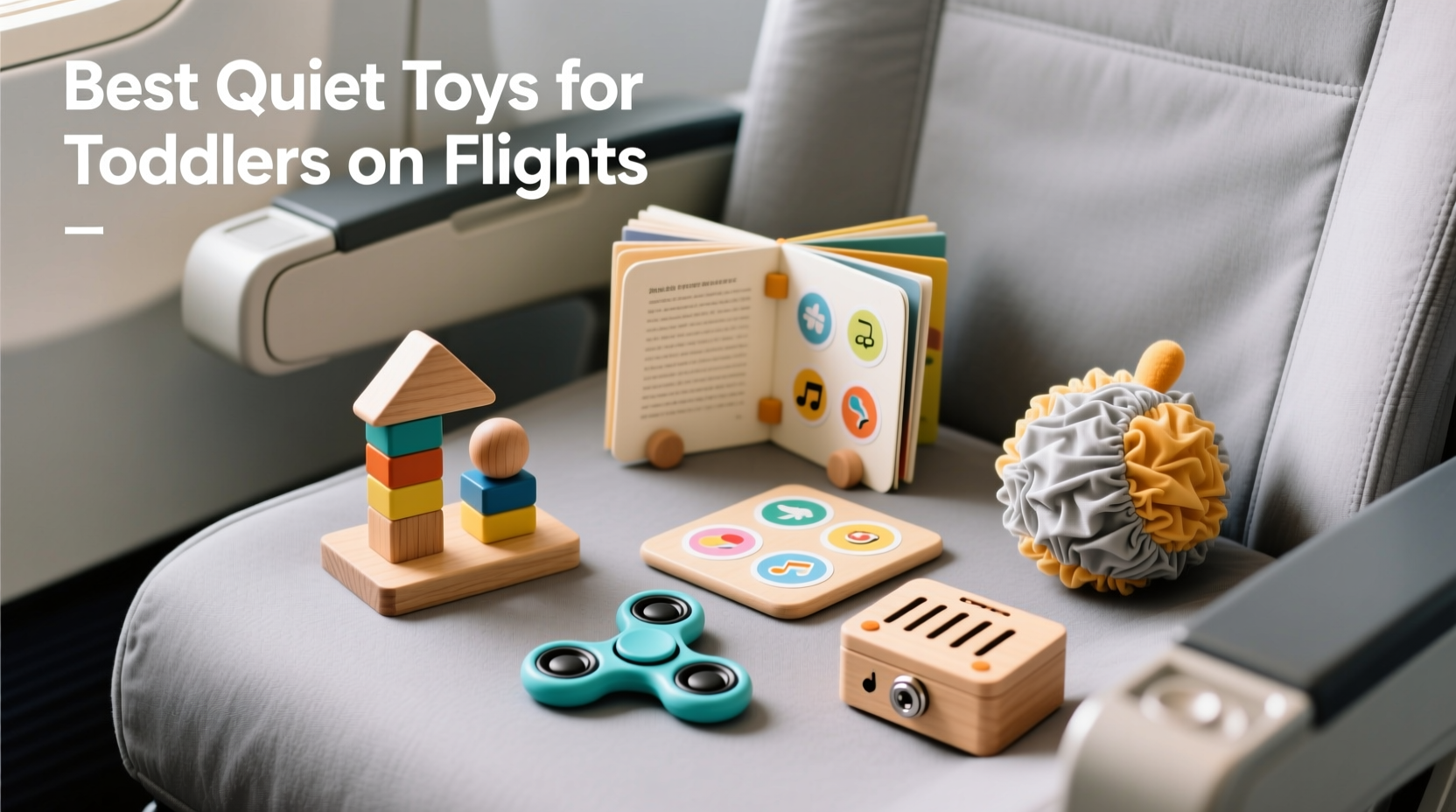
Airplane cabins are shared spaces where even small noises can feel amplified. Toddlers, naturally loud and expressive, can unintentionally disrupt others when excited or frustrated. Quiet toys help manage this by offering focused, self-directed activities that minimize vocalizations and disruptive behaviors.
Beyond etiquette, quiet play supports cognitive regulation. Repetitive, tactile activities like stacking, sorting, or tracing shapes help children self-soothe and maintain emotional balance—especially important during the sensory overload of airport transit and flight turbulence.
“Children thrive on predictability. Familiar toys in unfamiliar environments provide emotional anchors.” — Dr. Lena Torres, Child Development Specialist
Moreover, non-electronic toys eliminate screen fatigue and promote creativity. Unlike passive video watching, hands-on play builds neural connections through touch, manipulation, and cause-and-effect learning.
Tip: Introduce new quiet toys at home first so your toddler is already familiar with them before boarding.Top 7 Quiet Toys for Toddlers on Long Flights
Not all quiet toys are created equal. The best options combine durability, portability, and developmental value. Below are seven highly effective choices backed by parent reviews and child development principles.
- Felt Busy Boards – Compact boards with zippers, buttons, laces, and Velcro flaps teach fine motor skills and mimic real-life tasks. Lightweight and silent, they fit easily in carry-ons.
- Magnetic Drawing Boards (e.g., Boogie Board) – Reusable writing surfaces allow endless doodling with no paper waste. The stylus stays attached, eliminating loss risk mid-flight.
- Mini Sensory Books – Cloth or vinyl books with textured pages, peek-a-boo flaps, and crinkle sounds (at low volume) engage multiple senses without being disruptive.
- Stackable Nesting Cups or Rings – Classic toys that pack small but offer big play value. Use them for stacking, counting, or even quiet water play if permitted in lavatories post-takeoff.
- Quiet Building Blocks (Foam or Soft Plastic) – Avoid rattling hard plastic. Opt for foam blocks that click quietly together and double as seat-back building surfaces.
- Pull-String & Fidget Toys – Simple mechanisms like sliding beads, twisting gears, or pull-along animals provide repetitive motion that calms anxious toddlers.
- Travel-Sized Puzzles (Magnetic or Self-Contained) – Look for puzzles with large pieces that store inside their frames. Magnetic versions prevent piece loss on tray tables.
Bonus: DIY Quiet Toy Alternatives
If purchasing new toys isn’t feasible, repurpose household items:
- Print and laminate simple coloring sheets; attach with a dry-erase marker on a clipboard.
- Create a “snack surprise bag” with sealed compartments of cereal or pretzels—eating becomes a timed activity.
- Use a ziplock bag filled with hair gel or shaving cream (double-bagged) for safe, squishy sensory play.
What to Avoid: Common Mistakes Parents Make
Even well-intentioned toy choices can backfire mid-flight. Here’s what experienced travelers recommend skipping—and why.
| Toys to Avoid | Why They’re Problematic | Better Alternative |
|---|---|---|
| Electronic tablets without downloaded content | Wi-Fi may be unavailable; streaming fails, causing frustration | Preload videos and games; bring backup headphones |
| Small loose puzzle pieces | Easily dropped into seat cracks or floor vents | Choose magnetic or enclosed puzzles |
| Noisy cause-and-effect toys | Sounds like chimes, buzzes, or voice clips disturb others | Opt for silent mechanical toys (gears, sliders) |
| Art supplies with ink or glue | Spills are difficult to clean and may damage airline property | Use dry-erase boards or sticker scenes |
| Large plush toys | Take up space and can block aisles during turbulence | Bring a small comfort item or lovey |
Step-by-Step: Packing Your Toddler’s In-Flight Entertainment Kit
Success starts before takeoff. Follow this timeline to ensure you’re prepared without last-minute panic.
- One Week Before Travel: Gather 5–7 quiet toys. Rotate out ones currently used at home to create novelty.
- Three Days Before: Check each toy for safety—no loose parts, sharp edges, or choking hazards. Clean thoroughly.
- 24 Hours Before: Pack toys in individual ziplock bags labeled by type (e.g., “Puzzle,” “Sensory”). This creates surprise unwrapping moments during the flight.
- Day of Flight – Morning: Charge any electronic devices. Download offline content. Pack extra batteries for sound-canceling headphones.
- At the Airport: Keep one toy bag accessible in your personal item. Let your toddler choose which to open first once seated.
- During Flight: Introduce one toy every 30–45 minutes. Pair with snacks or bathroom breaks to maintain rhythm.
“We brought six little toy bags. Opening each felt like a mini event. It stretched four hours of calm play across a nine-hour flight.” — Sarah Kim, mother of two, after flying from Seattle to Tokyo
Expert-Recommended Features in a Quality Quiet Toy
When selecting toys, look beyond cuteness. Prioritize function, safety, and longevity. Child psychologists and pediatric occupational therapists emphasize these traits:
- Tactile Variety: Textures like bumpy, smooth, or ribbed surfaces stimulate sensory development.
- Portability: Fits in a seat pocket or small tote. Weight under 1 lb is ideal.
- Self-Containment: Pieces stay connected or stored within the toy itself.
- Durability: Withstands drops, chewing (if teething), and repeated use.
- Low Visual Overload: Avoid flashing lights or high-contrast patterns that may trigger sensory sensitivity.
Brands like Hape, Fat Brain Toys, and Manhattan Toy design specifically with these criteria in mind. Their products often appear in early childhood classrooms and therapy settings due to educational value and quiet operation.
Checklist: Pre-Flight Quiet Toy Preparation
Use this checklist to ensure nothing is overlooked before departure:
- ☐ Selected 5–7 quiet toys suitable for ages 1–3
- ☐ Tested all toys for noise level and ease of use
- ☐ Cleaned and sanitized all surfaces
- ☐ Packed toys in separate resealable bags for staged access
- ☐ Included one “comfort object” (small stuffed animal or blanket)
- ☐ Charged tablet with downloaded shows and games (as backup)
- ☐ Packed dry-erase board or coloring placemat with capped markers
- ☐ Verified airline policies on liquids/gels (for sensory bags)
FAQ: Common Questions About Quiet Toys on Flights
Can I bring playdough on a plane?
Yes, but only in containers of 3.4 oz (100 ml) or less, placed in your quart-sized liquids bag. However, most experts advise against it due to crumbly residue and potential mess. Safer alternatives include kinetic sand in sealed containers or modeling dough made from edible ingredients like mashed potatoes.
How many toys should I bring for a 10-hour flight?
Aim for 6–8 distinct activities, including both toys and interactive games you can play verbally (like “I Spy” or naming colors). Stagger their introduction every 30–60 minutes to extend engagement. Remember, snacks, naps, and walking the aisle also break up the journey.
Are sticker books messy on planes?
Traditional sticker books can leave behind sticky residue or loose scraps. Instead, use reusable sticker scenes with static-cling stickers or laminated sheets. These provide the same fine motor benefits without litter.
Conclusion: Turning Turbulence Into Tranquility
Long flights with toddlers don’t have to mean constant crying, restless wiggling, or apologetic glances at neighboring passengers. With thoughtful preparation and the right quiet toys, you can foster moments of focus, creativity, and even joy at 35,000 feet. The goal isn’t perfection—it’s progress. Each successful activity completed is a win, each quiet minute earned a victory.
Start building your in-flight kit today. Mix familiar favorites with a few surprises, prioritize silence and simplicity, and remember that consistency matters more than quantity. When your toddler is absorbed in tracing a shape or fitting a puzzle piece into place, you’ll feel the collective tension in the cabin ease—not just yours, but everyone around you.
💬 What quiet toy has saved your sanity on a flight? Share your go-to recommendation in the comments and help other parents fly with confidence.








