
In the early 1990s, Quantum Leap captured the imagination of audiences with its unique blend of science fiction, drama, and heartfelt storytelling. The series followed Dr. Sam Beckett (played by Scott Bakula), a physicist who found himself trapped in time, leaping into the lives of different people to “put right what once went wrong.” Despite critical acclaim and a passionate fanbase, the show was abruptly cancelled after five seasons in 1993. Decades later, renewed interest and a modern reboot have reignited questions: Why was Quantum Leap cancelled, and what’s the story behind its return?
The Original Run and Its Popularity
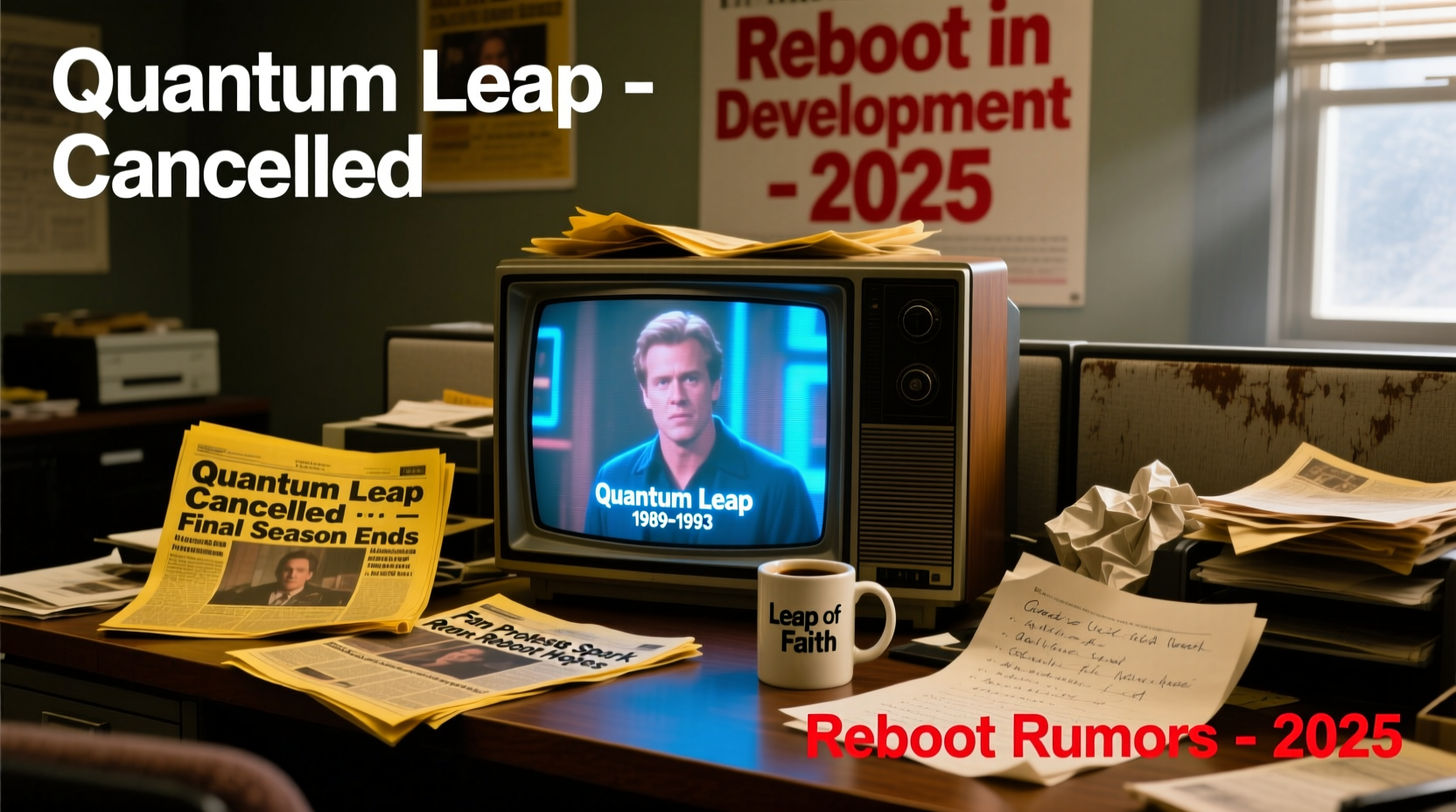
Debuting in 1989 on NBC, Quantum Leap quickly distinguished itself from other sci-fi shows of the era. Unlike space operas or alien invasions, it focused on human stories—identity, morality, and redemption—all framed within a high-concept premise. The show earned multiple Emmy Awards and consistently strong reviews, particularly for its writing and Bakula’s nuanced performance.
By its fourth season, viewership had stabilized, and the series remained a reliable performer for NBC. Yet, despite this success, internal network decisions and production challenges began to surface—issues that would ultimately lead to its cancellation.
Primary Reasons Why Quantum Leap Was Cancelled
The cancellation of Quantum Leap wasn’t due to a single factor but rather a combination of network politics, scheduling issues, and creative fatigue.
- Declining Ratings: While still respectable, ratings had gradually declined from Season 3 onward. By Season 5, the show ranked lower in the Nielsen charts, making it vulnerable during renewal discussions.
- Scheduling Instability: NBC frequently shifted the show’s time slot, disrupting viewer habits. It aired on Tuesdays, Thursdays, and even Saturdays across its run, which hurt consistency in audience retention.
- Budget Constraints: Each episode required period-specific sets, costumes, and locations, making it one of the more expensive hour-long dramas at the time. As costs rose, profitability came under scrutiny.
- Creative Burnout: Creator Donald P. Bellisario stepped back from day-to-day operations during Season 4 due to personal and professional tensions. The loss of his guiding vision affected narrative cohesion.
- Network Priorities: In the early '90s, NBC was investing heavily in sitcoms like Seinfeld and Frasier. Drama series with niche appeal were being deprioritized in favor of broader comedies.
“Quantum Leap was never a mass-audience show, but it had soul. It asked big questions through intimate stories. Networks don’t always know how to value that.” — Alan Sepinwall, TV Critic & Co-Author of TV (The Book)
The Final Episode and Fan Backlash
The Season 5 finale, titled “Mirror Image,” aired on May 5, 1993. Rather than serving as a definitive ending, it left Sam Beckett still leaping through time, with only a cryptic hint that he might finally return home. This open-ended conclusion frustrated fans, many of whom felt robbed of closure.
A grassroots campaign called “Save Our Show” emerged immediately after the cancellation. Fans wrote letters, organized petitions, and lobbied networks to pick up the series. Though no network revived the original show, the movement demonstrated the depth of loyalty the series inspired.
Tip: Long-running cult shows often gain momentum after cancellation. If you love a series, engage with fan communities—they can influence future revivals.Attempts at Continuation: From Films to Comics
In the years following the cancellation, several attempts were made to continue Sam Beckett’s journey:
- Unproduced Film Script (1995): Donald P. Bellisario wrote a script where Sam returns home only to find his fiancée married and his family aged. The emotional weight was high, but studios weren’t interested.
- Novels (1995–1997): A series of tie-in novels by authors like Kristine Kathryn Rusch expanded the universe and provided canonical endings.
- Comic Books (2009): IDW Publishing released a miniseries that explored new leaps, keeping the spirit of the show alive.
Despite these efforts, fans longed for an official continuation on screen.
Quantum Leap Reboot: What Happened in 2022?
After nearly three decades, Quantum Leap returned—not as a revival, but as a soft reboot. Premiering in September 2022 on NBC, the new series follows a diverse team restarting the Quantum Leap project after 30 years. Dr. Ben Song (Raymond Lee) becomes the new leaper, while Addison (Caitlin Bassett) and Herbert \"Magic\" Williams (Ernie Hudson) manage the project from the control room.
Scott Bakula and Dean Stockwell (Al Calavicci) reprised their roles in guest appearances, bridging the old and new timelines. The reboot modernizes the concept with updated technology and inclusive casting, while honoring the original’s moral core.
| Aspect | Original Series (1989–1993) | Reboot (2022–Present) |
|---|---|---|
| Main Leaper | Dr. Sam Beckett | Dr. Ben Song |
| Setting | 1980s–1990s, Cold War context | Modern day, socially conscious themes |
| Time Travel Tech | Project Quantum Leap (San Diego) | Revived government project |
| Narrative Focus | Personal redemption, historical moments | Team dynamics, systemic issues |
| Original Cast Involvement | N/A | Bakula and Stockwell guest-starred |
Why the Reboot Succeeded Where Others Failed
Past attempts to revive Quantum Leap faltered due to timing, lack of studio support, or mismatched visions. The 2022 reboot succeeded because:
- Streaming-Era Nostalgia: Platforms like Peacock and Hulu introduced the original series to new audiences, proving there was demand.
- Proven Franchise Model: Successful reboots of shows like Star Trek and Battlestar Galactica showed networks that legacy sci-fi could be profitable.
- Updated Themes: The reboot addresses contemporary issues—racial injustice, gender equality, immigration—making it relevant without losing the original’s heart.
- Strong Creative Team: Executive producers including Martin Gero and Peter Roth brought fresh energy while respecting canon.
Mini Case Study: How Fan Campaigns Influence Revivals
In 2015, a Reddit user started a thread asking why Quantum Leap never got a proper ending. It went viral, amassing over 10,000 comments. Media outlets picked up the story, and within months, Hollywood insiders began discussing a potential revival. By 2018, NBC officially announced development on a reboot. This case illustrates how digital communities can resurrect dormant franchises simply by keeping the conversation alive.
FAQ: Your Questions Answered
Did the original cast return for the reboot?
Scott Bakula and Dean Stockwell both appeared in guest roles during the first season. Their cameos served as emotional anchors connecting the two series.
Is the reboot a sequel or a remake?
It’s a soft reboot—set in the same universe but with a new protagonist. Events from the original are acknowledged, and the fate of Sam Beckett is eventually addressed.
Will there be more seasons of the new Quantum Leap?
Yes. After a successful first season, NBC renewed the reboot for a second and third season. Season 3 premiered in early 2024, confirming the franchise's ongoing viability.
How to Watch Both Series Today
For fans new and old, here’s how to access both versions:
- Original Series: Available on Peacock, Amazon Prime Video (purchase), and DVD collections.
- Reboot (2022–present): Streams on Peacock; episodes also air weekly on NBC.
- Tips for Viewing: Watch the original series first for full emotional impact when the reboot references past events.
Conclusion: Legacy, Longevity, and the Power of Hope
Quantum Leap was cancelled not because it lacked quality, but because it fell victim to shifting network priorities and industry constraints. Yet its legacy endured—fueled by loyal fans, creative persistence, and a timeless message: that one person can change the world, one leap at a time.
The 2022 reboot proves that great stories never truly end. They evolve. They adapt. And sometimes, against all odds, they come back stronger.
💬 What did Sam Beckett mean to you? Did the reboot live up to your expectations? Share your thoughts in the comments and keep the conversation leaping forward.








