
Basil is one of the most aromatic and widely used herbs in kitchens around the world. Whether you're growing it in a backyard garden or on a sunny windowsill, knowing how to harvest basil properly can dramatically affect both yield and flavor. Many gardeners unknowingly reduce their plant’s lifespan by using incorrect techniques. The truth is, harvesting basil isn’t just about plucking leaves—it’s a strategic practice that encourages bushier growth, delays flowering, and preserves peak freshness. With the right approach, a single plant can provide fragrant leaves for months.
The Right Time to Harvest Basil
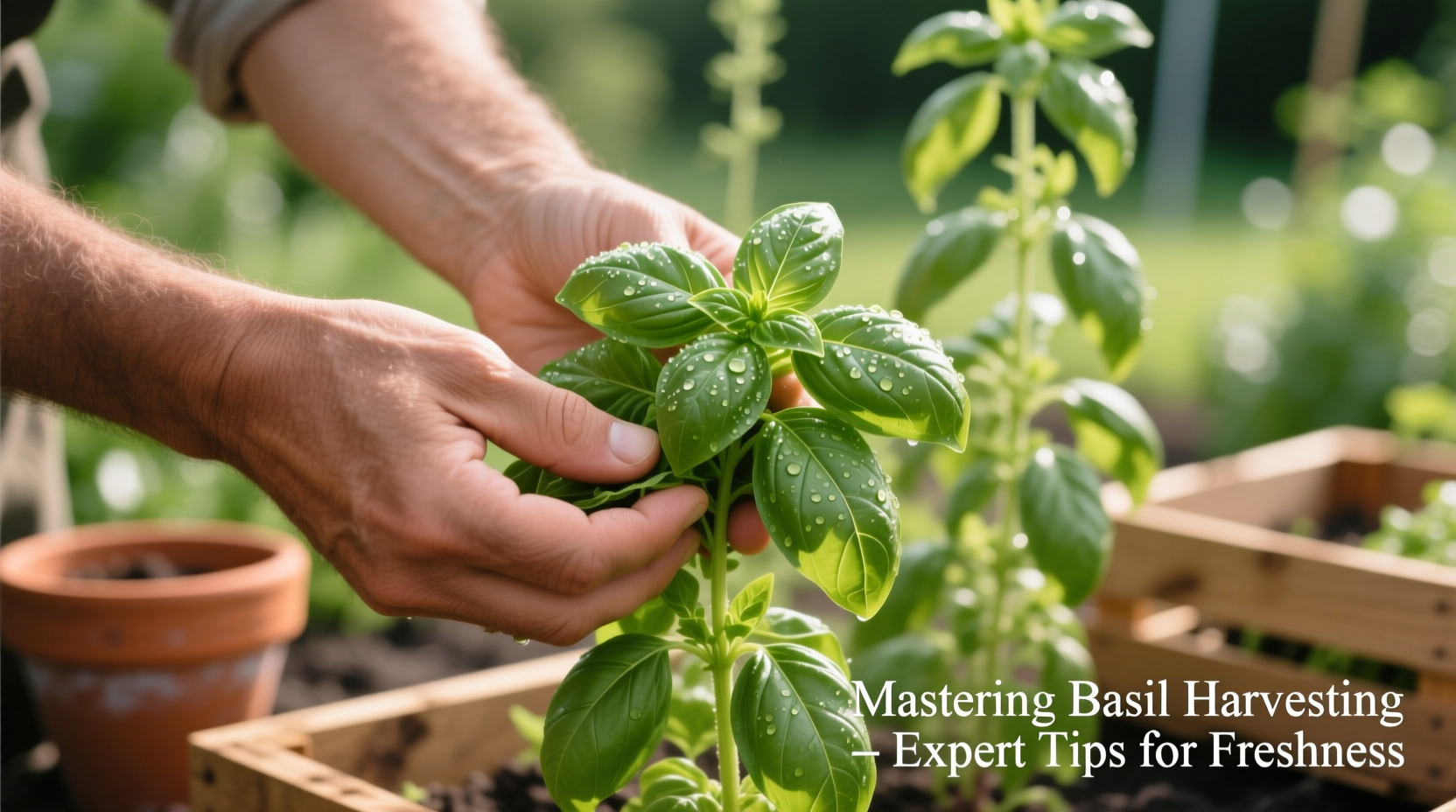
Timing plays a crucial role in determining the quality of your basil harvest. For optimal flavor, pick leaves in the morning after the dew has dried but before the sun reaches its peak. At this time, essential oils are most concentrated, giving the herb its signature aroma and taste. Avoid harvesting during midday heat, as the plant may be stressed and the leaves prone to wilting.
Begin harvesting once your basil plant has at least six sets of true leaves and stands about 6–8 inches tall. This ensures the plant is mature enough to handle removal without stunting growth. Always wait until after the last frost if growing outdoors—basil thrives in warm conditions above 70°F (21°C).
Tip: Harvest regularly every 1–2 weeks to promote continuous growth and prevent early bolting.How to Pick Basil: Technique Matters
Simply pulling off random leaves won’t maximize your harvest. Instead, use the \"pinch-to-grow\" method—a proven technique among horticulturists. Locate a stem just above a pair of healthy leaves, then use clean fingers or scissors to snip about ¼ inch above the node. This signals the plant to branch out from that point, resulting in two new stems instead of one.
Avoid cutting too close to the main stalk or removing more than one-third of the plant at a time. Over-harvesting stresses the plant and slows regrowth. Focus on outer stems first, allowing inner shoots room to develop. As the plant grows taller, aim to maintain a height of 8–12 inches by pruning the top regularly.
“Pruning basil like a trained topiary might seem excessive, but targeted pinching creates denser foliage and delays flowering longer than any other method.” — Dr. Lena Torres, Urban Herb Specialist, Cornell Cooperative Extension
Step-by-Step Guide to Proper Basil Harvesting
- Inspect the plant: Look for vibrant green leaves and strong stems. Avoid yellowing or damaged sections.
- Choose the right tools: Use sharp, sanitized scissors or pruners for clean cuts. Fingers work well for soft stems.
- Identify nodes: Find a leaf pair where side shoots emerge. Cut just above this junction.
- Remove flower buds immediately: Pinch off any developing flowers to redirect energy into leaf production.
- Limits matter: Never take more than 30% of the plant in a single session.
- Repeat weekly: Regular harvesting keeps the plant productive and prevents legginess.
Storing Basil for Maximum Freshness
Unlike most herbs, basil is sensitive to cold and dark storage. Refrigeration often causes blackened, limp leaves due to chilling injury. Instead, treat fresh basil like cut flowers:
- Place stems in a glass of water at room temperature.
- Loosely cover the leaves with a plastic bag to retain humidity.
- Keep away from direct sunlight but in a bright location.
- Change water every two days to prevent bacterial growth.
This method keeps basil fresh for up to a week. For longer-term storage, consider freezing. Chop leaves, place them in ice cube trays, cover with olive oil or water, and freeze. These cubes add instant flavor to soups, sauces, and sautés.
Drying basil is possible but diminishes its volatile oils significantly. If drying, hang small bundles upside down in a warm, airy space away from light. Once fully dry, crumble and store in an airtight container.
| Storage Method | Freshness Duration | Best For |
|---|---|---|
| Room temp in water | 5–7 days | Daily cooking, garnishes |
| Freezing in oil | 6 months | Sauces, pesto, stews |
| Dried in jar | 1–2 years | Spice blends, rubs |
| Refrigerated loose | 1–2 days | Not recommended |
Caring for Your Basil After Harvest
Harvesting isn’t the end—it's part of an ongoing care cycle. After each trim, check soil moisture and ensure the plant receives consistent watering. Basil prefers evenly moist (not soggy) soil and at least 6 hours of sunlight daily. If growing indoors, rotate pots periodically to prevent leaning toward the light.
Nutrition also matters. Feed every 4–6 weeks with a balanced liquid fertilizer diluted to half strength. Over-fertilizing leads to rapid, weak growth with diminished flavor. Organic options like compost tea support steady development without chemical buildup.
Tip: Rotate containers monthly to ensure even light exposure and uniform growth.Mini Case Study: From Sparse to Abundant in Six Weeks
Sophia, an urban gardener in Seattle, struggled with her potted Genovese basil for years. She’d harvest a few leaves, then watch the plant stretch upward and flower within weeks. After learning proper node-based pruning, she changed her routine. Every Friday morning, she pinched back the top two sets of leaves on each main stem. Within a month, lateral branches emerged, doubling foliage. By week six, she was harvesting over a cup of fresh basil weekly—enough to make homemade pesto every other week. Her secret? Consistency and correct technique.
Common Mistakes That Ruin Basil Plants
- Harvesting from the bottom only: This forces the plant to become top-heavy and spindly.
- Waiting too long to prune: Tall, unpruned plants bolt quickly, reducing leaf quality.
- Using dull tools: Crushed stems invite disease and slow healing.
- Ignoring flower spikes: Once flowering begins, leaf production declines sharply.
- Overwatering after harvest: Stressed plants don’t need extra water unless soil is dry.
FAQ
Can I harvest basil after it flowers?
Yes, but the leaves will be less flavorful. Immediately deadhead flowers and resume regular pruning to encourage new leafy growth.
Should I wash basil before storing?
No—moisture accelerates spoilage. Wash only immediately before use. If necessary, gently pat dry after rinsing.
Why are my basil leaves turning yellow after harvesting?
Yellowing often results from overwatering, poor drainage, or nutrient deficiency. Ensure pots have drainage holes and avoid wetting foliage when watering.
Essential Harvesting Checklist
- ☑ Harvest in the morning, post-dew
- ☑ Use clean, sharp tools
- ☑ Cut just above leaf nodes
- ☑ Remove flower buds promptly
- ☑ Limit harvest to 30% per session
- ☑ Store in water at room temperature
- ☑ Fertilize lightly every 4–6 weeks
- ☑ Rotate pots for even growth
Conclusion
Mastering basil harvesting goes beyond timing and tools—it’s about understanding plant biology and working with nature to get the best results. When done correctly, each pinch not only provides fresh flavor but also strengthens the plant for future yields. Whether you're growing a single pot on a balcony or managing a full herb bed, these practices ensure lush, aromatic harvests all season long. Start applying these methods today, and transform your basil from a short-lived garnish into a thriving kitchen staple.
🚀 Ready to grow better basil? Share your harvest photos or ask questions in the comments—let’s build a community of thriving herb growers together!