In an era where personal devices double as fashion statements, the phone case has evolved from a utilitarian accessory into a canvas for self-expression. Nowhere is this more evident than in the growing market for luxury monogram phone cases—offered by brands like Louis Vuitton, Gucci, and Balenciaga. These cases often cost hundreds of dollars, far exceeding the price of high-end protective models from tech-focused companies. But what exactly are consumers paying for? Is the premium justified by superior materials and craftsmanship, or is it simply the allure of a recognizable logo? This article examines the real value behind luxury monogram cases versus their plain counterparts, helping you decide whether the hype holds up under scrutiny.
The Allure of the Monogram: Status Over Substance?
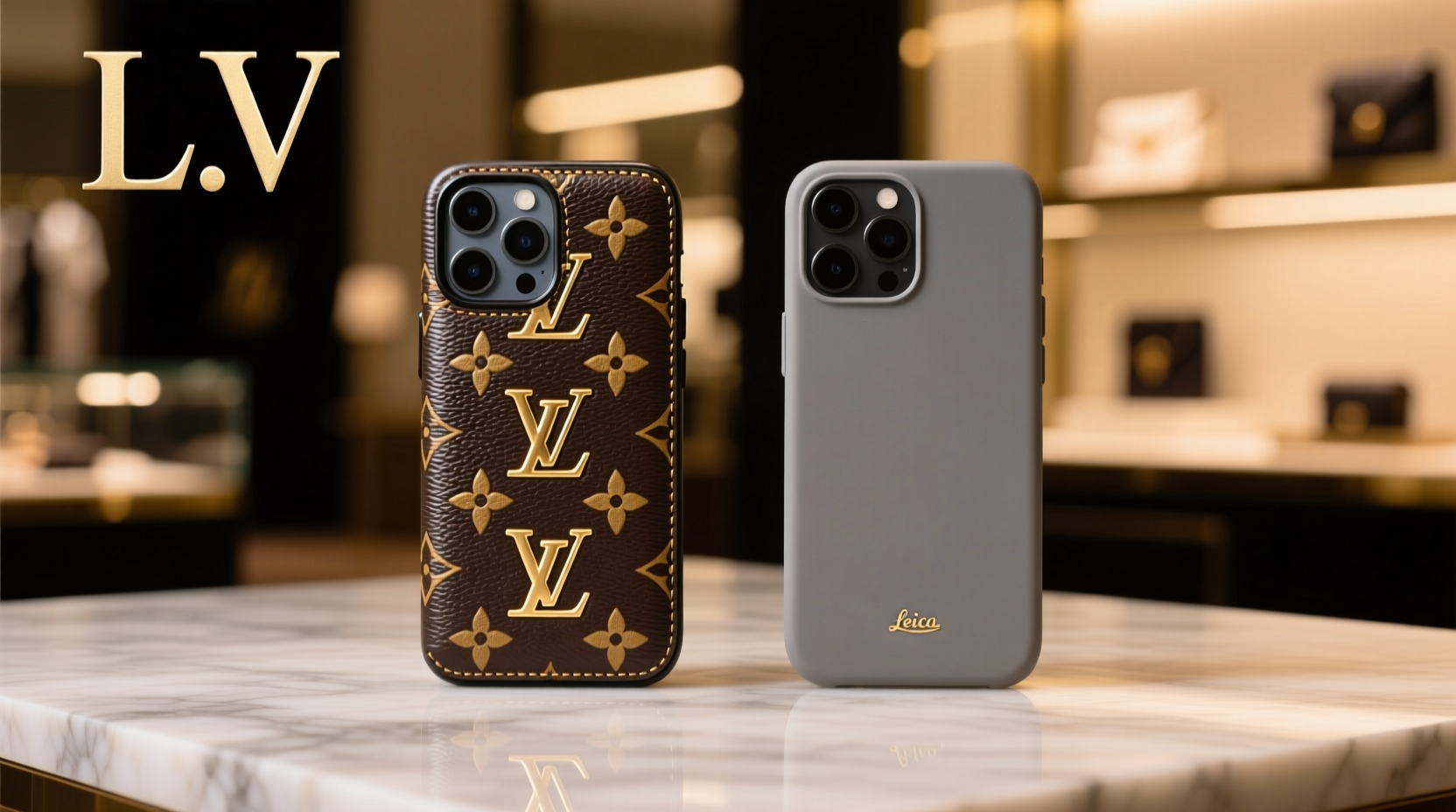
Luxury fashion houses have long understood the power of branding. The LV monogram, GG pattern, or interlocking Cs aren’t merely designs—they’re cultural symbols associated with wealth, exclusivity, and taste. When applied to a phone case, these patterns instantly elevate the device into a statement piece. For many, carrying a monogrammed case is less about protection and more about signaling social capital.
Yet, functionality often takes a backseat. Most luxury cases are made from coated canvas, leather, or synthetic materials that prioritize aesthetics over shock absorption. Unlike rugged third-party cases engineered with drop-tested polymers or multi-layered impact resistance, designer cases rarely undergo rigorous durability testing. In fact, some users report cracked backs after minor drops—despite paying $400+ for the privilege.
Tip: If protection is your priority, consider pairing a plain, high-performance case with a luxury wallet or strap for subtle brand expression.Material Quality: Craftsmanship or Cost Markup?
It’s true that luxury cases often use higher-grade materials than budget plastic alternatives. Genuine leather trims, precision stitching, and embossed logos reflect attention to detail. However, when compared to non-monogrammed premium cases from brands like Casetify, OtterBox, or Bellroy, the material difference doesn’t always justify the 5x–10x price gap.
A closer inspection reveals that even luxury cases may use polycarbonate inner shells similar to those found in mid-tier protective models. The outer layer might be real leather, but it's typically thin and prone to scuffing without careful maintenance. Meanwhile, a well-made plain case can offer military-grade drop protection, antimicrobial coatings, and MagSafe compatibility—all at a fraction of the cost.
“Consumers pay for heritage and perceived prestige, not engineering innovation. A $395 monogram case isn’t safer—it’s just louder.” — Marcus Tran, Tech Accessory Analyst at GadgetInsight
Cost Breakdown: What You're Really Paying For
| Feature | Luxury Monogram Case | Premium Plain Case |
|---|---|---|
| Average Price | $350 – $450 | $40 – $90 |
| Drop Protection (MIL-STD Tested) | Rarely | Common |
| Materials | Coated canvas, genuine leather accents | Polycarbonate, TPU, recycled plastics |
| Brand Markup (Est.) | 70–80% | 30–40% |
| Warranty | 1 year (limited) | 1–2 years (full coverage) |
| Sustainability Focus | Minimal | Increasing (recycled materials, carbon-neutral shipping) |
The data suggests that while luxury cases may use quality finishes, their core protective function lags behind purpose-built alternatives. The markup is largely driven by brand equity, limited distribution, and aspirational marketing—not performance.
Real-World Example: Sarah’s Investment Dilemma
Sarah, a 32-year-old marketing executive in New York, recently upgraded her iPhone and faced a choice: spend $420 on a Louis Vuitton monogram case or $65 on a Casetify Impact case with full drop protection. She opted for the LV model, citing client meetings and networking events where “looking polished matters.”
Three months later, she dropped her phone on marble flooring. The screen survived, but the case cracked along the edge, exposing frayed stitching. Embarrassed, she replaced it with a clear Casetify shell and now keeps a minimalist leather cardholder attached instead—a compromise between professionalism and practicality.
Her experience reflects a broader trend: luxury cases excel in visibility but falter under real-world stress. As one Reddit user put it, “I bought mine for Instagram. I carry a spare bumper case for actual use.”
When a Luxury Case Makes Sense (And When It Doesn’t)
There are scenarios where a monogram case delivers legitimate value:
- Social or professional image is critical – For influencers, executives, or frequent travelers who use accessories as part of personal branding.
- Collector mentality – Some users treat designer cases like limited-edition art pieces, rarely using them daily.
- Gifting – A luxury case can be a thoughtful present for someone who values fashion over function.
Conversely, avoid luxury monogram cases if:
- You have children or an active lifestyle.
- You prioritize device longevity over aesthetics.
- Budget is a concern—the same money could buy two phones.
Step-by-Step: Choosing the Right Case for Your Needs
- Assess your usage pattern: Do you frequently drop your phone? Work in dynamic environments?
- Determine your priorities: Is protection, sustainability, or style most important?
- Set a realistic budget: Decide how much you’re willing to spend without regret.
- Research independent reviews: Look for drop tests, yellowing reports, and long-term durability feedback.
- Try hybrid solutions: Pair a clear protective case with a designer strap or wallet attachment for flair without risk.
Frequently Asked Questions
Do luxury phone cases offer better protection than regular ones?
No. Most luxury cases prioritize design over impact resistance. They lack the engineering of MIL-STD-tested models and often fail in real-world drop scenarios despite their high price.
Are monogram cases worth reselling?
Rarely. Unlike handbags, designer phone cases have almost no secondary market. Limited demand and rapid model obsolescence make resale impractical.
Can I customize a plain case to look luxurious?
Yes. Many brands offer personalized engraving, premium textures (like vegan leather), and metallic finishes. You can achieve a high-end look for under $80 while maintaining protection.
Final Verdict: Hype or Value?
The truth is nuanced. Luxury monogram phone cases are not inherently “bad”—they serve a niche. For those who view fashion as functional art and are willing to sacrifice practicality for prestige, they deliver emotional and social value. But from a purely utilitarian standpoint, they fall short. You’re not buying superior protection; you’re buying visibility.
If your goal is to safeguard your device, enhance usability, or support sustainable design, a well-crafted plain case is objectively smarter. But if your phone is an extension of your identity—one you flaunt at brunches, boardrooms, or photo shoots—a monogram case might be worth the indulgence. Just know that you're paying for the logo, not the longevity.
💬 What do you value more in a phone case—protection or prestige? Share your thoughts and experiences in the comments below. Let’s demystify the luxury accessory myth together.