When it comes to fine jewelry, few pieces carry as much emotional and aesthetic weight as a necklace. Whether worn daily or reserved for special occasions, a well-chosen necklace becomes an extension of identity. But in today’s market, consumers face a critical decision: invest in a luxury brand piece from houses like Cartier, Van Cleef & Arpels, or Tiffany & Co., or opt for a handcrafted design from an emerging independent artist? The price gap can be staggering—sometimes thousands of dollars for seemingly similar materials. So, what exactly are you paying for?
The answer isn’t always about gold purity or diamond clarity. Brand prestige plays a significant role, but so do craftsmanship, exclusivity, ethics, and long-term value. This article dissects the real differences between luxury brand and independent designer necklaces—not to declare a winner, but to help you make a choice aligned with your values, budget, and sense of style.
The Weight of the Name: What Luxury Brands Offer
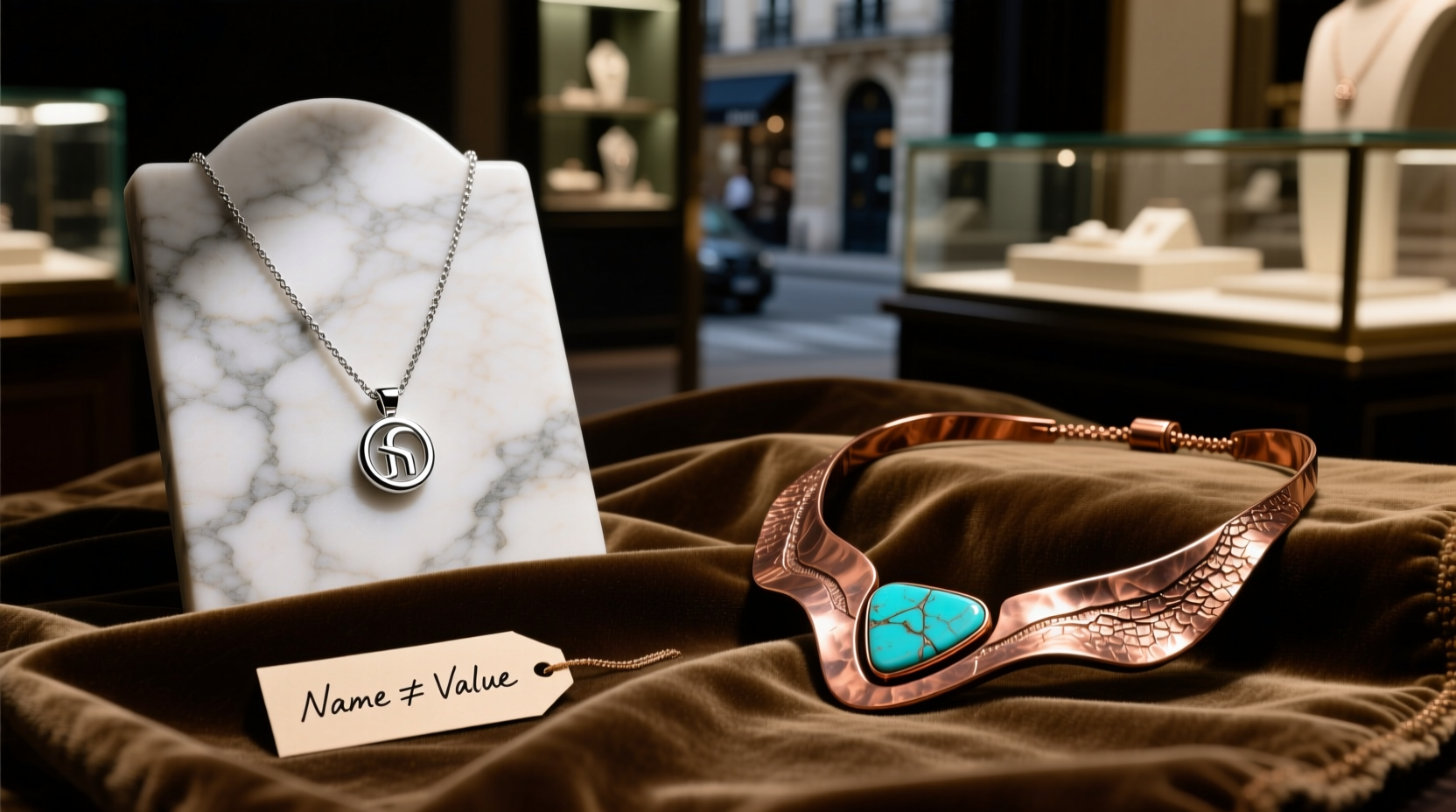
Luxury jewelry brands have spent decades, even centuries, building reputations rooted in consistency, heritage, and global recognition. When you purchase a necklace from a storied house, you're not just buying metal and stones—you're buying into a legacy. These brands offer:
- Brand equity: Instant recognition and social signaling. A Cartier Love necklace communicates status and taste across cultures.
- Resale value: Certain pieces, especially limited editions or iconic designs, appreciate or retain value over time.
- Customer service: Lifetime polishing, repairs, authentication, and insurance support are standard.
- Quality control: Rigorous in-house standards ensure every piece meets exacting specifications.
However, these benefits come at a cost. Marketing, celebrity endorsements, flagship stores in Paris or New York, and licensing fees all contribute to pricing. Studies suggest that up to 40–60% of a luxury item’s price goes toward non-material costs such as branding and distribution.
“Luxury brands sell dreams, not just products. Their power lies in storytelling and emotional resonance.” — Clara Montaigne, Jewelry Historian & Curator, Musée des Arts Décoratifs
The Rise of Independent Designers: Craftsmanship Without the Markup
Independent designers operate on a different model. Often working solo or in small studios, they prioritize originality, ethical sourcing, and hands-on craftsmanship. Their necklaces may use the same 18k gold or conflict-free diamonds as luxury houses—but without the corporate overhead.
What sets them apart is intentionality. An independent jeweler might source recycled gold, work directly with gem miners, and create one-of-a-kind pieces tailored to individual clients. Because they sell directly or through curated boutiques, markups are typically lower. You’re paying for the artisan’s skill and materials, not a global ad campaign.
Tip: Follow independent designers on platforms like Instagram or Etsy to see their process—from sketch to finished piece—and assess authenticity and attention to detail.Comparing Value: Materials, Labor, and Longevity
To understand where your money actually goes, consider this breakdown of typical costs in a $5,000 necklace:
| Cost Factor | Luxury Brand (Est.) | Independent Designer (Est.) |
|---|---|---|
| Materials (gold, gems) | $800–$1,200 | $1,500–$2,000 |
| Artisan Labor | $300–$500 (often outsourced) | $1,000–$1,800 (handmade) |
| Brand Marketing & Overhead | $2,000–$2,800 | $300–$600 |
| Retail Markup / Distribution | $800–$1,200 | $200–$400 |
| Total | $5,000 | $5,000 |
The data reveals a stark contrast: while both necklaces may look comparable, the allocation of funds differs dramatically. With independents, more of your money supports direct craftsmanship and sustainable practices. With luxury brands, a larger share fuels brand maintenance and exclusivity.
A Real Example: Sarah’s Choice
Sarah, a graphic designer in Portland, wanted a delicate gold pendant for her 30th birthday. She considered a $4,200 diamond solitaire from a major luxury retailer. After research, she discovered an independent jeweler offering a nearly identical design—same karat gold, ethically sourced stone, hand-engraved details—for $2,600.
She reached out, requested a video consultation, and even suggested a minor customization. The piece was delivered in four weeks, accompanied by a certificate of origin and a handwritten note. Two years later, she still receives compliments—and feels confident she didn’t pay for a logo.
How to Decide: A Practical Checklist
Choosing between luxury and independent isn’t about right or wrong—it’s about alignment. Use this checklist to guide your decision:
- ✅ Define your priorities: Is resale value important, or do you value uniqueness and sustainability more?
- ✅ Research the maker: Does the brand or designer disclose sourcing practices and production methods?
- ✅ Assess wear frequency: Will this be a daily staple or a rare occasion piece?
- ✅ Consider customization: Do you want something personal and adjustable, or a classic design?
- ✅ Evaluate aftercare: Does the seller offer repairs, cleaning, or lifetime services?
- ✅ Trust your instincts: Which piece resonates emotionally? Which makes you feel seen?
Myths and Misconceptions
Several myths cloud this debate. Let’s clarify them:
- Myth: “Luxury brands always use higher-quality materials.”
Reality: While quality control is strict, many independents use superior or more traceable materials due to smaller-scale, ethical sourcing. - Myth: “Independent means less durable.”
Reality: Handmade doesn’t mean fragile. Many independents use traditional techniques like lost-wax casting that enhance durability. - Myth: “You can’t resell independent jewelry.”
Reality: While resale markets favor big names, unique or collectible designer pieces can gain value among niche collectors.
Step-by-Step Guide to Making Your Decision
Follow this five-step process before purchasing:
- Step 1: Set a clear budget. Know how much you’re willing to spend without regret.
- Step 2: Identify your style. Are you drawn to timeless classics (where luxury excels) or bold, narrative-driven designs (independents’ strength)?
- Step 3: Research transparency. Look for detailed information about materials, labor, and origins.
- Step 4: Try before you buy—if possible. Visit showrooms, trunk shows, or request samples.
- Step 5: Ask questions. A reputable designer or sales associate should gladly explain sourcing, care, and craftsmanship.
Frequently Asked Questions
Do luxury brand necklaces hold their value better?
Some do—particularly iconic models like the Cartier Love bracelet or Tiffany T-Lock. However, most jewelry depreciates upon purchase. Resale success depends on condition, rarity, and demand, not just the brand.
Are independent designers insured and certified?
Many are. Reputable independents often carry liability insurance, provide gem certifications (e.g., GIA), and offer warranties. Always ask for proof before buying.
Can I negotiate prices with independent designers?
Sometimes. Unlike fixed retail pricing, many independents are open to discussion, especially for custom work or off-season purchases.
Conclusion: Pay for What Matters to You
The question isn’t whether you’re “just” paying for a name—it’s whether that name aligns with what you value. If heritage, global recognition, and polished service matter, a luxury brand may be worth the premium. If creativity, ethical making, and personal connection resonate more, an independent designer could offer deeper satisfaction.
Jewelry is intimate. It touches your skin, marks milestones, and tells silent stories. In the end, the best piece is the one that feels authentic—not because of a logo, but because it reflects who you are.
💬 Have you chosen between a luxury brand and an independent designer? Share your experience or advice in the comments—your insight could guide someone else’s meaningful purchase.








