In an era defined by digital transformation, the wristwatch has evolved from a simple timekeeping device into a multifunctional tech accessory. As smartwatches dominate headlines with health tracking, notifications, and app integration, traditional timepieces—like those from LIGE—are often framed as relics of a bygone era. But is this narrative accurate? Are smartwatches truly replacing classic watches, or do both categories serve fundamentally different purposes? The answer lies not in obsolescence, but in understanding the distinct values each offers to modern consumers.
The Rise of the Smartwatch: Functionality First
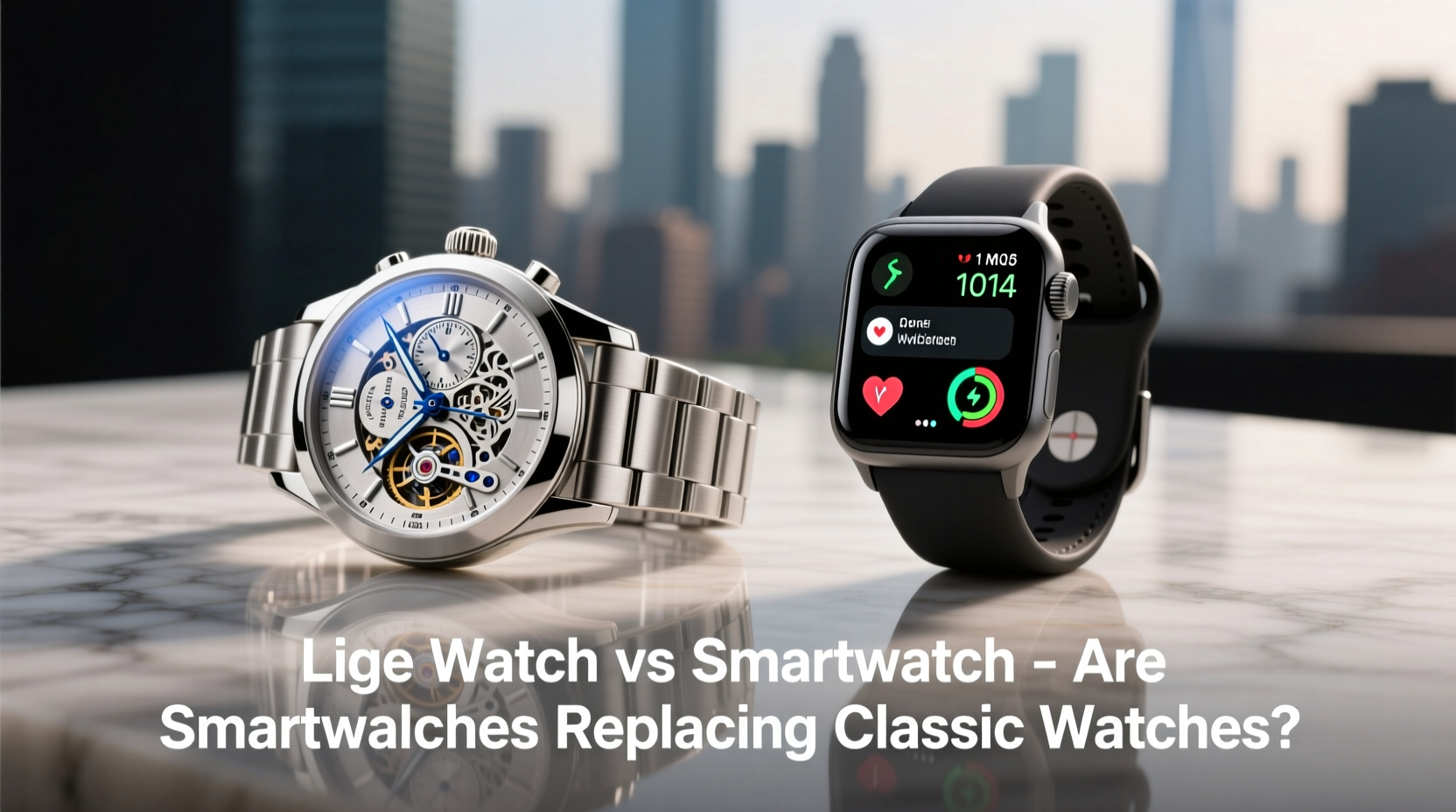
Smartwatches have surged in popularity over the past decade, driven largely by advancements in wearable technology. Brands like Apple, Samsung, and Fitbit have redefined what a watch can do. These devices track heart rate, monitor sleep, provide GPS navigation, deliver smartphone notifications, and even support mobile payments. For fitness enthusiasts and tech-savvy users, the smartwatch is less about telling time and more about staying connected and informed.
The appeal is clear: convenience, real-time data, and seamless integration with digital lifestyles. A 2023 report from Statista revealed that global smartwatch shipments exceeded 140 million units, reflecting strong consumer demand. Yet, despite their utility, smartwatches face limitations—battery life rarely exceeds two days, designs tend to prioritize function over elegance, and many models feel out of place in formal settings.
Tip: If you rely on your smartwatch for health tracking, charge it nightly and calibrate sensors weekly for optimal accuracy.The Enduring Appeal of Classic Watches
Brands like LIGE represent the enduring legacy of analog timepieces—affordable, stylish, and timeless. While they may lack digital features, classic watches offer something smartwatches cannot replicate: emotional resonance and aesthetic permanence. A well-crafted watch becomes a personal statement, passed down through generations or worn as a symbol of achievement.
LIGE, known for its minimalist designs and durable quartz movements, appeals to consumers who value simplicity and elegance. These watches don’t require daily charging, software updates, or compatibility checks. They work silently, reliably, and without distraction. In a world increasingly dominated by screens, the quiet precision of a mechanical or quartz watch feels almost rebellious.
“Time is not just data—it’s memory, ritual, and identity. That’s why people still wear watches that do nothing but tell time.” — Daniel Foster, Horology Historian
Comparing Key Features: LIGE Watch vs Smartwatch
| Feature | LIGE Classic Watch | Typical Smartwatch |
|---|---|---|
| Primary Function | Timekeeping, style | Notifications, fitness tracking, apps |
| Battery Life | 1–5 years (quartz) | 1–3 days |
| Design Flexibility | Formal, casual, dressy options | Sporty, tech-oriented aesthetics |
| Maintenance | Occasional battery replacement | Frequent charging, software updates |
| Purpose | Accessory, heirloom, status symbol | Tool, productivity enhancer |
| Price Range | $20–$100 | $150–$700+ |
Real-World Scenario: Two Users, Two Choices
Consider Sarah, a corporate lawyer preparing for a high-stakes client meeting. She chooses her LIGE stainless steel chronograph—not because it tracks her steps, but because it complements her tailored suit and conveys professionalism. The subtle tick of the second hand grounds her; there are no vibrations, no alerts, just focus.
Meanwhile, James, a marathon runner, straps on his smartwatch before dawn training. He needs real-time pace feedback, heart rate zones, and route mapping. His device syncs with coaching apps and uploads data automatically. For James, the smartwatch isn’t a fashion choice—it’s a performance tool.
This contrast illustrates a crucial point: usage context defines preference. The “replacement” narrative oversimplifies a nuanced reality where both types coexist, serving different roles in our lives.
Why Smartwatches Aren’t Replacing Classic Watches
The assumption that smartwatches are supplanting traditional watches stems from conflating technological advancement with cultural displacement. However, history shows that new technologies rarely erase older ones—they redefine their purpose. Cameras didn’t eliminate painting; smartphones didn’t kill books. Similarly, smartwatches haven’t eliminated the desire for elegant, standalone timepieces.
Classic watches thrive because they fulfill psychological and social needs beyond utility. Wearing a watch like a LIGE model signals attention to detail, appreciation for craftsmanship, and personal taste. It’s a silent communicator in professional and social environments. A smartwatch, with its glowing screen and constant alerts, often does the opposite—drawing attention to distraction rather than presence.
Tip: Rotate between a smartwatch for active days and a classic watch for formal occasions to maximize versatility and longevity of both.Step-by-Step Guide: Choosing the Right Watch for Your Lifestyle
- Assess your daily routine: Do you spend most of your day in meetings, outdoors, or at a desk?
- Determine primary needs: Is tracking fitness important, or do you prioritize style and reliability?
- Consider formality level: Will the watch be worn with suits, casual wear, or athletic gear?
- Evaluate tech dependency: Are you comfortable charging a device daily, or do you prefer set-and-forget reliability?
- Set a budget: Decide whether you’re investing in long-term tech or timeless design.
- Test wearability: Try both styles—note comfort, weight, and how often you check them.
- Make a dual-use decision: Many users own both and switch based on context.
Checklist: Questions Before Buying Any Watch
- Will I wear this daily, or only occasionally?
- Does the design match my wardrobe?
- How often am I willing to charge or maintain it?
- Do I need health or fitness tracking?
- Is water resistance important for my activities?
- Will this look appropriate in professional settings?
- Am I buying for function, fashion, or both?
FAQ
Can a smartwatch replace a classic watch entirely?
For some users, yes—if their lifestyle revolves around connectivity and fitness. But in formal, minimalist, or tech-free environments, a classic watch remains unmatched in appropriateness and elegance.
Are brands like LIGE becoming obsolete?
No. Affordable, stylish analog watches continue to sell globally. Their market has shifted rather than declined, appealing to those seeking simplicity, affordability, and timeless design without digital clutter.
Do classic watches hold any functional advantage today?
Absolutely. They require minimal maintenance, never need recharging, aren’t dependent on phone connectivity, and avoid screen fatigue. In high-focus or low-tech scenarios, these traits are significant advantages.
Conclusion: Coexistence, Not Replacement
The debate between LIGE-style classic watches and smartwatches isn’t about which will win—it’s about recognizing that both have earned their place on the modern wrist. Smartwatches excel as tools for health, communication, and efficiency. Classic watches endure as symbols of taste, tradition, and intentionality. Rather than viewing them as competitors, the most thoughtful approach is integration: using each when it makes the most sense.
Technology evolves, but human values—style, legacy, presence—remain constant. The future of wristwear isn’t one-size-fits-all; it’s personalized, purpose-driven, and rich with choice. Whether you power through a workout with biometrics or mark a milestone with a sleek analog design, your watch reflects who you are—and how you choose to move through time.
🚀 What kind of watch defines your daily life? Share your thoughts below—whether you’re team smartwatch, team classic, or proudly both.








