
In an age where simplicity and efficiency define modern lifestyle choices, the way we carry our essentials has evolved. The traditional bulky wallet—once a staple in back pockets—is increasingly being replaced by sleek, compact alternatives. Among these, the minimalist wallet card holder has gained popularity for its promise of convenience and elegance. But is it truly better than carrying a separate card holder alongside a slim wallet? The answer depends on personal habits, priorities, and practical needs.
This article explores the advantages and drawbacks of minimalist wallet card holders compared to the combination of a slim wallet and standalone card holder. By analyzing functionality, durability, accessibility, and lifestyle fit, you’ll gain clarity on which option aligns best with your daily routine.
Understanding the Two Approaches
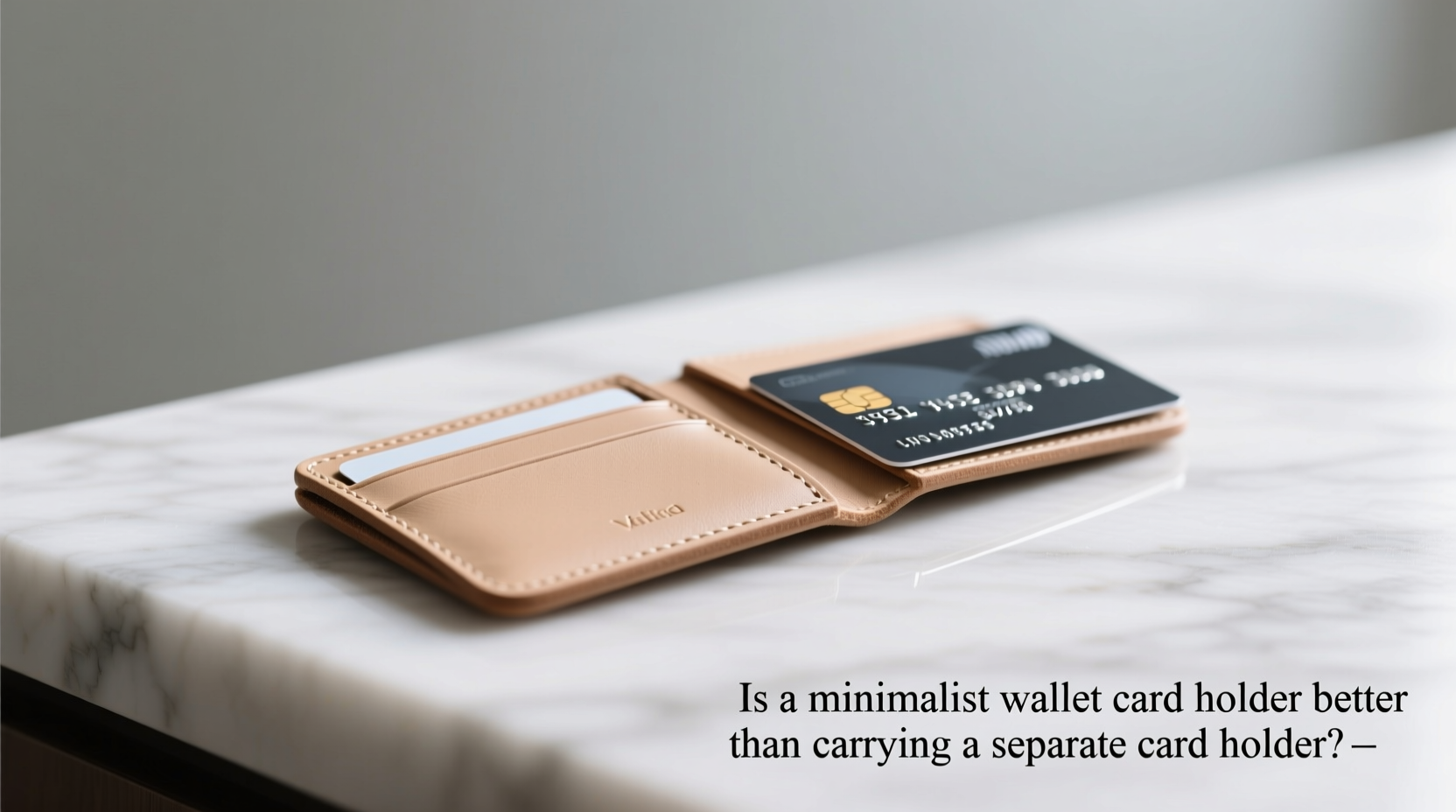
A minimalist wallet card holder combines cash, cards, and sometimes ID into a single, compact device—typically made from materials like aluminum, carbon fiber, or premium leather. Designed to carry only what’s essential, these wallets emphasize portability and clean aesthetics.
On the other hand, carrying a separate card holder means using two distinct accessories: a small wallet for cash and IDs, and a dedicated card case for credit, debit, loyalty, and access cards. This modular approach allows users to compartmentalize and scale their storage based on need.
The choice between integration and separation hinges on how much control, flexibility, and minimalism you value in your everyday carry (EDC).
Key Advantages of Minimalist Wallet Card Holders
- Reduced bulk: Eliminates the need for multiple items, reducing pocket strain and discomfort.
- Streamlined design: Often crafted with precision engineering and high-end materials for durability and visual appeal.
- Risk reduction: Fewer items mean less chance of misplacing one piece during daily use.
- Easier transitions: Pulling out one compact unit at checkout or security is faster than managing two separate cases.
- Encourages discipline: Limited space naturally discourages hoarding unnecessary cards or receipts.
When a Separate Card Holder Makes More Sense
While minimalist wallets excel in simplicity, they aren’t universally ideal. Some professionals, travelers, or individuals with complex financial lives benefit from separation.
Consider this scenario: a sales executive attends client meetings across cities, carries multiple corporate cards, expense accounts, airline rewards, and regional transit passes. Trying to fit all these into a minimalist wallet could lead to overstuffing, damage to cards, or difficulty accessing the right one quickly.
A separate card holder allows categorization—work vs. personal, domestic vs. international, active vs. backup. It also enables rotation; you can leave low-use cards at home while traveling light, yet still have full access when needed.
“Modularity isn’t about excess—it’s about intentionality. Sometimes separating functions improves both performance and peace of mind.” — Daniel Reed, EDC Lifestyle Consultant
Comparative Breakdown: Minimalist Wallet vs. Separate Card System
| Feature | Minimalist Wallet Card Holder | Separate Wallet + Card Holder |
|---|---|---|
| Pocket Space | Excellent – fits in front or back pocket easily | Fair – takes up more room due to two items |
| Card Capacity | Limited (usually 3–6 cards) | High – expandable with dedicated slots |
| Cash Storage | Basic – folded once or twice | Better – full bills without creasing |
| Security | Good – RFID-blocking options available | Better – sensitive cards can be isolated |
| Durability | High – especially metal models | Varies – depends on individual product quality |
| Access Speed | Fast – single retrieval motion | Moderate – requires choosing correct item first |
| Lifestyle Fit | Ideal for urban commuters, minimalists | Better for professionals, frequent travelers |
Real-Life Example: Alex’s Commute Upgrade
Alex, a graphic designer living in downtown Seattle, used to carry a thick bi-fold wallet crammed with eight cards, old receipts, and folded cash. After switching to a minimalist titanium cardholder, he noticed immediate improvements. His jeans no longer stretched at the back pocket, sitting became more comfortable, and retrieving his transit card at rush hour was quicker.
But after three months, he hit a snag. During a business trip, he needed his secondary credit card for incidentals but had left it at home to avoid clutter. Realizing that strict minimalism compromised preparedness, he adopted a hybrid model: a micro-wallet for daily essentials and a slim leather card sleeve for travel-specific backups.
This balanced solution gave him the best of both worlds—lightweight convenience when routine, expanded capacity when necessary.
Step-by-Step Guide to Choosing Your Ideal Setup
- Inventory your current carry: List every item you currently keep in your wallet or card case.
- Categorize by frequency: Mark each as “daily,” “weekly,” or “rarely used.”
- Define your primary use case: Are you commuting, traveling, working in a formal environment?
- Test minimalism: Remove non-essentials and try a minimalist holder for one week.
- Evaluate friction points: Did you struggle to access a card? Overstuff the wallet?
- Adjust accordingly: Either commit to minimalism or reintroduce a secondary organizer.
- Optimize material and design: Choose RFID protection, quick-access features, and durable builds.
Checklist: Is a Minimalist Wallet Right for You?
- ✅ I carry fewer than six cards regularly
- ✅ I value pocket comfort and reduced bulk
- ✅ I dislike searching through cluttered wallets
- ✅ I’m willing to rotate cards seasonally or by trip
- ✅ I prioritize aesthetics and intentional design
- ❌ I frequently need access to many specialized cards
- ❌ I often pay in different currencies or regions
- ❌ I require large cash storage (e.g., tips, vending)
Frequently Asked Questions
Can a minimalist wallet hold cash securely?
Yes, but with limitations. Most minimalist designs accommodate one or two folded bills. While sufficient for daily errands, they’re not suited for carrying large amounts of cash. Leather-based models often offer slightly better grip and retention than metal ones.
Do separate card holders increase the risk of loss?
Potentially, yes. Carrying two items doubles the chances of leaving one behind. However, consistent placement habits—such as always putting both in the same jacket pocket—can mitigate this risk. Using matching sets (same brand/material) also helps maintain awareness.
Are minimalist wallets worth the price?
For those who value long-term durability and design, yes. High-quality minimalist wallets often cost $50–$120 but can last a decade or more. Compare that to replacing a fabric wallet every 1–2 years, and the investment pays off over time—especially if it changes your carrying behavior for the better.
Final Thoughts: Function Follows Intention
The question isn’t whether a minimalist wallet card holder is objectively better than a separate card holder—it’s whether it serves your life more effectively. For many, the streamlined nature of an all-in-one solution brings relief from clutter and physical discomfort. For others, flexibility and organization matter more than slim profiles.
The most effective system is the one you’ll actually use consistently—one that reduces friction, enhances security, and reflects your priorities. Whether integrated or modular, your wallet setup should feel invisible during the day, not a source of stress or distraction.
🚀 Ready to simplify your carry? Start by removing everything from your wallet and asking: “Which three items do I use every single day?” Build from there—and keep refining until your pocket feels lighter and your mind clearer.








