
In a market flooded with mass-produced accessories, distinguishing a truly premium embroidered tote bag from an average one can be difficult. Many consumers assume that price alone signals quality—but that’s not always true. A $200 tote might use inferior thread or weak seams, while a well-crafted $80 piece could outlast it by years. The difference lies in the details: stitch density, fabric integrity, design alignment, and finishing touches. Knowing what to look for empowers you to make smarter purchases, avoid overpaying, and invest in pieces that deliver both style and longevity.
1. Examine the Embroidery Stitch Density and Consistency
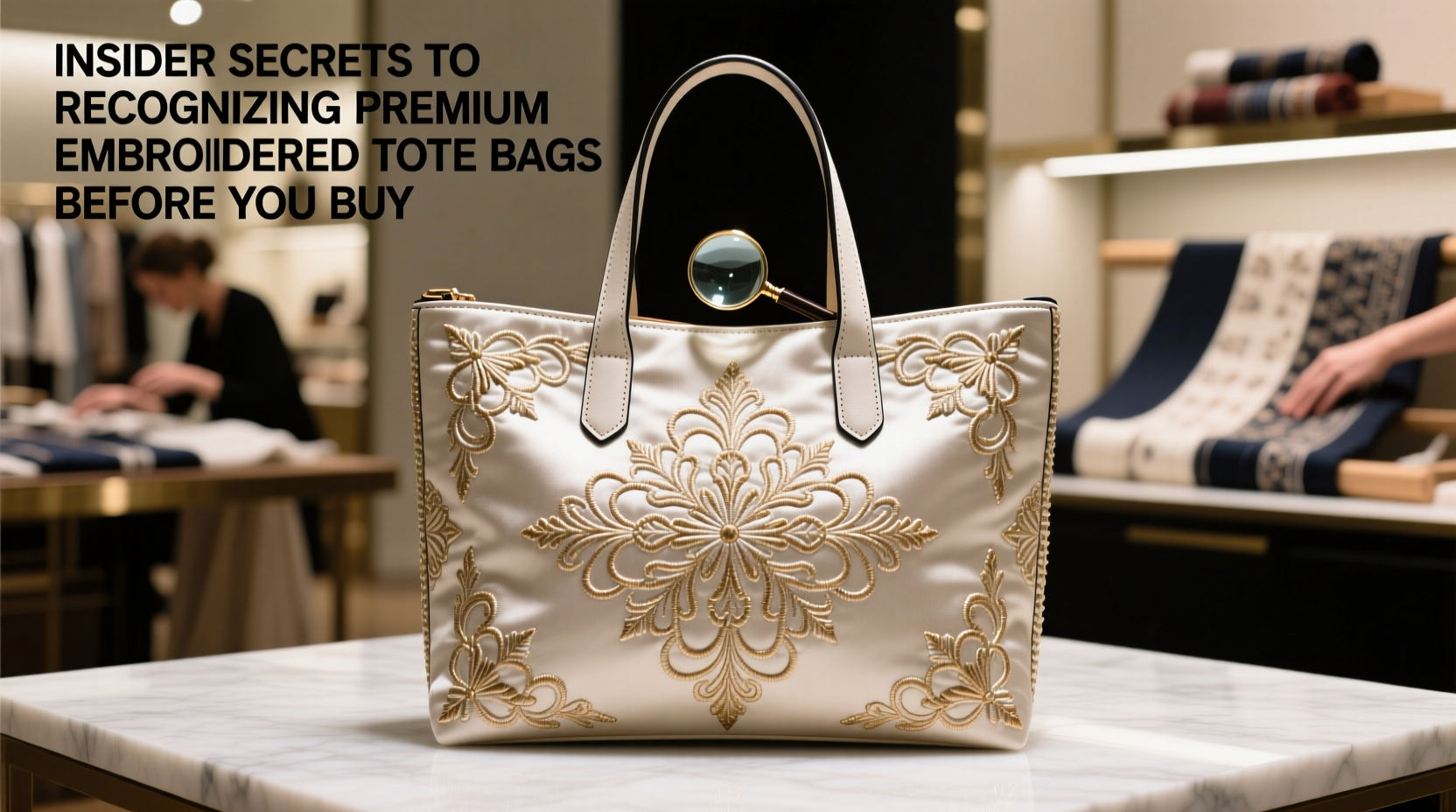
The hallmark of high-end embroidery is precision. Premium tote bags feature tight, even stitches with minimal gaps between threads. A loose or irregular pattern often indicates rushed production or low-cost machinery. To assess this, hold the bag under natural light and inspect the embroidered areas closely. Look for:
- Uniform stitch length and tension
- No skipped stitches or thread bunching
- Clean transitions at corners and curves
- Backside neatness—quality embroidery doesn’t leave messy tangles on the reverse
Stitch density is measured in stitches per inch (SPI). Luxury embroidery typically ranges from 10 to 15 SPI. Below 8 SPI suggests cost-cutting. While you won’t carry a ruler shopping, training your eye to spot dense, clean patterns builds confidence in selection.
2. Evaluate Fabric Quality and Weight
The foundation of any great tote is its fabric. No amount of beautiful embroidery can compensate for thin, flimsy material. Premium totes use durable base fabrics such as heavyweight cotton canvas, organic linen, or reinforced twill. These materials resist stretching, tearing, and pilling over time.
When evaluating a tote, perform a simple pinch test: gently squeeze a section of the bag away from the embroidery. Does it feel substantial? Does it spring back without creasing deeply? Thin fabrics will collapse easily and show wear quickly, especially when carrying books, laptops, or groceries.
“Fabric is the skeleton of a tote. Embroidery is the jewelry—but if the structure is weak, the whole piece fails.” — Lena Torres, Sustainable Accessory Designer
| Fabric Type | Pros | Cons | Found In |
|---|---|---|---|
| Heavyweight Cotton Canvas | Durable, holds shape, accepts embroidery well | May wrinkle; needs occasional ironing | Premium casual totes |
| Organic Linen | Breathable, eco-friendly, ages beautifully | Naturally wrinkled; less structured | Luxury minimalist designs |
| Synthetic Blends (Polyester/Cotton) | Wrinkle-resistant, affordable | Less breathable, prone to pilling | Budget or promotional totes |
3. Check Thread Quality and Colorfastness
Not all embroidery thread is created equal. High-end manufacturers use mercerized cotton or rayon threads, which offer sheen, strength, and resistance to fading. Cheaper alternatives use polyester or acrylic threads that may look shiny initially but degrade faster under UV exposure.
To test colorfastness, gently rub a white cloth over a dark embroidered area. If color transfers, the dye isn’t properly set—a red flag for long-term vibrancy. Also, observe whether the thread appears lustrous but not plastic-like. Premium threads catch light subtly; cheap ones glare unnaturally.
Another sign of quality: thread matching. The color should align exactly with the design sample. Slight variations suggest inconsistent dye lots or poor quality control.
4. Assess Construction and Structural Details
A tote’s durability depends as much on its construction as its surface decoration. A beautifully embroidered bag with flimsy straps or weak seams will fail prematurely. Inspect the following:
- Seam Allowance: Look for at least ⅜-inch seam allowances. Narrow seams tear easily under load.
- Reinforced Stress Points: Areas like strap attachments and bottom corners should have bar tacks or double stitching.
- Lining (if present): Should be securely attached, not loosely dangling. Cotton or canvas linings beat thin polyester.
- Strap Attachment: Straps should extend into the body of the bag and be sewn in a box-stitch or X-stitch pattern for maximum strength.
5. Real-World Example: How One Buyer Avoided a Costly Mistake
Sophie, a freelance designer based in Portland, was drawn to a $120 embroidered tote online. The floral pattern looked intricate, and the brand marketed itself as “artisan-made.” She almost purchased until she requested a close-up photo of the backside of the embroidery. What she saw revealed the truth: tangled threads, uneven density, and visible knots—signs of machine-driven bulk production with no hand-finishing.
She contacted the seller asking about thread type and construction. They couldn’t specify the fabric weight or stitching method. Skeptical, Sophie searched for reviews and found multiple complaints about fraying after two months of use. She passed—and later bought a $95 tote from a small studio with detailed product specs, including 12 SPI embroidery and 12-oz cotton canvas. Two years later, it remains her daily carryall.
This case illustrates a crucial point: transparency from the brand often mirrors product quality. When companies proudly share technical details, they usually have something worth showcasing.
Step-by-Step Guide: How to Evaluate a Tote Before Buying
Whether shopping in-store or online, follow this checklist to vet any embroidered tote:
- Inspect the embroidery up close: Zoom in on photos or examine under light. Look for consistent spacing and clean edges.
- Check fabric weight: If possible, feel the material. Heavier = more durable.
- Flip it over: View the reverse side of embroidery. Minimal mess means better craftsmanship.
- Review stitching technique: Are seams straight? Are stress points reinforced?
- Read product descriptions carefully: Look for specifics—thread type, fabric weight, stitch count.
- Search for independent reviews: Do buyers mention durability, fading, or unraveling?
- Contact customer service: Ask technical questions. Hesitation or vagueness is a warning sign.
Frequently Asked Questions
Can I trust online product photos to judge embroidery quality?
Only if the retailer provides high-resolution, multi-angle images—including macro shots and reverse-side views. Be cautious if all photos are stylized lifestyle shots without detail. Reputable brands often include close-ups to showcase their craftsmanship.
Is hand embroidery always better than machine embroidery?
Not necessarily. While hand embroidery carries artisan value, modern computerized machines produce incredibly precise, consistent results. Some luxury brands use machine embroidery with hand-finished touches. Focus on outcome—tight stitches, clean lines, durability—rather than production method alone.
Do premium embroidered totes require special care?
Yes. Hand wash or spot clean with mild detergent. Avoid soaking or machine washing, which can distort stitching. Air dry flat, away from direct sunlight to prevent fading. Store in a breathable cotton bag when not in use.
Final Checklist: Signs of a Premium Embroidered Tote
- ✅ Tight, even embroidery (10–15 stitches per inch)
- ✅ High-quality thread (rayon, mercerized cotton)
- ✅ Heavy-duty fabric (e.g., 10-oz canvas or thicker)
- ✅ Reinforced straps and stress points
- ✅ Clean reverse side with minimal thread tails
- ✅ Transparent brand information (materials, origin, care)
- ✅ Positive long-term user reviews focusing on durability
Conclusion: Make Every Purchase a Smart Investment
Recognizing a premium embroidered tote bag isn’t about brand names or price tags—it’s about understanding the language of craftsmanship. From stitch density to fabric weight, every element tells a story of how long the bag will last and how well it will age. By learning to see beyond the surface, you shift from being a passive buyer to an informed connoisseur.
💬 Now that you know what to look for, will you view your next tote purchase differently? Share your experiences or ask questions in the comments—let’s build a community of smarter shoppers.








