Pearl crystal earrings have long been cherished as symbols of grace, refinement, and understated luxury. Whether worn for a formal occasion or as a daily accent, their luster can elevate any look. But not all pearl earrings are created equal. With countless options on the market—ranging from imitation beads to genuine cultured pearls—the challenge lies in identifying pieces that combine authenticity, craftsmanship, and enduring beauty. Understanding what sets high-quality pearl crystal earrings apart ensures your investment remains radiant for years to come.
The Anatomy of a Premium Pearl Earring
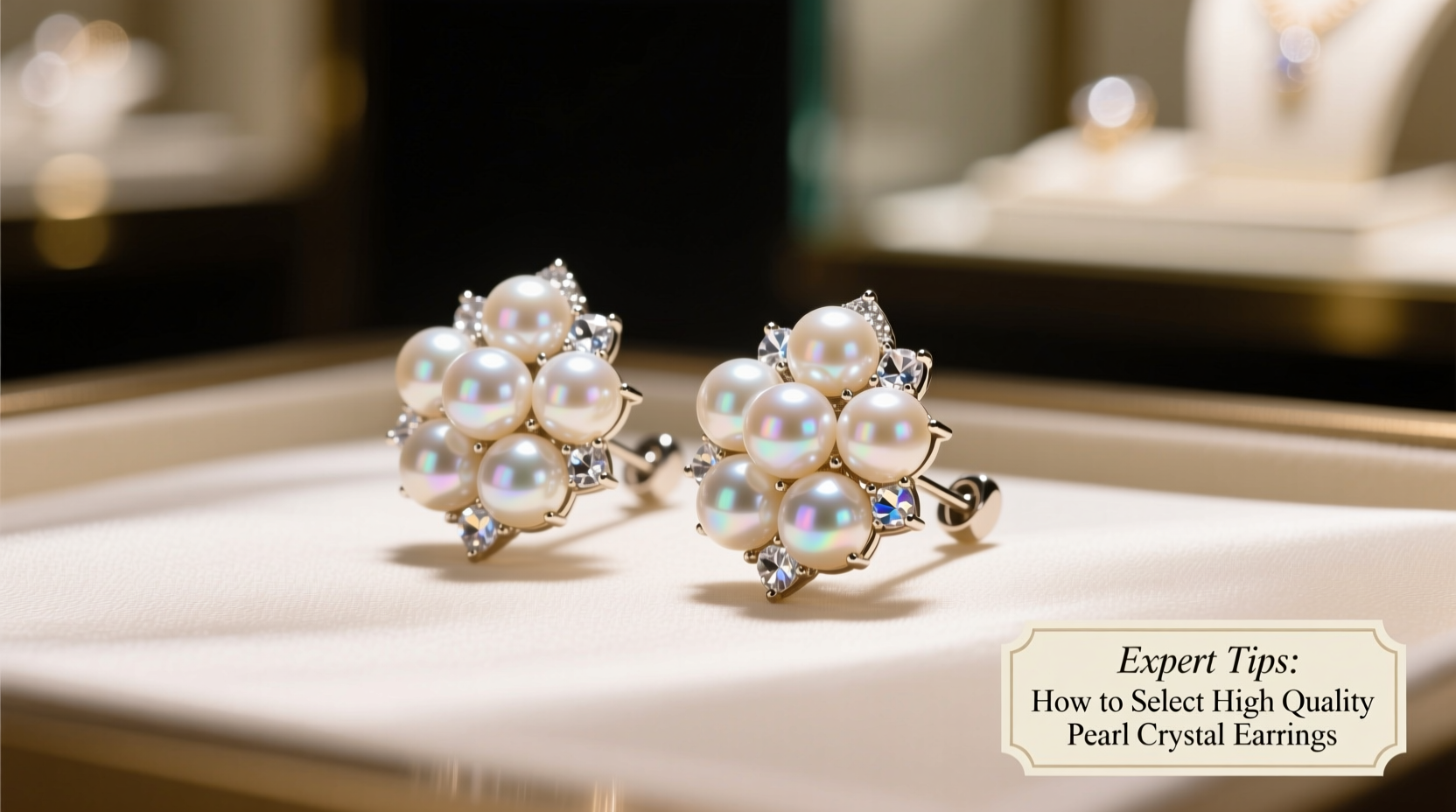
A high-quality pearl earring is more than just a shiny bauble; it’s a product of careful sourcing, skilled design, and durable materials. The key components include the pearl itself, the metal setting, the backings, and overall construction.
Genuine pearls—whether freshwater, Akoya, South Sea, or Tahitian—are formed within mollusks and prized for their natural iridescence, known as \"orient.\" In contrast, many \"pearl\" earrings on the market use glass or plastic beads coated with pearlescent paint, which fades over time. Real pearls reflect light from multiple layers beneath the surface, creating a soft glow rather than a flat shine.
The metal used in the setting also plays a critical role. Sterling silver, 14k gold, or platinum settings not only enhance the aesthetic but prevent tarnishing and allergic reactions. Look for secure prong or bezel settings that hold the pearl firmly without putting pressure on its delicate surface.
Tip: Gently rub the pearl against your tooth—if it feels gritty, it’s likely real. A smooth glide usually indicates a fake.How to Evaluate Pearl Quality: The 5 Key Factors
Selecting a superior pair of pearl earrings requires attention to detail. Experts assess pearls based on five primary characteristics: luster, surface quality, shape, size, and color.
- Luster: This is the most important indicator of quality. High-luster pearls reflect sharp, mirror-like images. Dull or chalky surfaces suggest lower quality or artificial treatment.
- Surface Quality: Examine the pearl under natural light. Blemishes like pits, cracks, or wrinkles reduce value. The finest pearls have clean, smooth surfaces with minimal imperfections.
- Shape: While perfectly round pearls are rare and highly valued, teardrop, oval, and button shapes can also be elegant, especially in designer pairs. Choose based on preference and intended use.
- Size: Larger pearls (7mm and above) tend to command higher prices, but proportion matters. For everyday wear, 6–8mm offers balance between visibility and comfort.
- Color: Pearls come in white, cream, pink, silver, gold, and even peacock green (Tahitian). Select a hue that complements your skin tone and wardrobe.
“Luster is the soul of a pearl. Without it, even a large, round pearl lacks life.” — Dr. Lin Mei, Gemologist and Pearl Specialist at the International Pearl Institute
Metal and Craftsmanship: What to Look For
The setting and hardware determine both durability and comfort. Cheap alloys may tarnish quickly or cause irritation, especially for sensitive ears. Always verify the metal type—look for stamps like “925” (sterling silver), “14K,” or “PT” (platinum).
Secure fastenings are essential. Butterfly clutch backs should fit snugly without pinching. Lever-back or screw-back styles offer added security for heavier or more valuable pairs. Avoid flimsy posts or thin wires that bend easily.
Handcrafted earrings often feature finer details, such as milgrain edges or engraved motifs, that mass-produced versions lack. These touches not only enhance beauty but signal artisanal care.
| Metal Type | Durability | Hypoallergenic? | Ideal For |
|---|---|---|---|
| Sterling Silver (925) | Good (tarnishes over time) | Usually (if nickel-free) | Daily wear, classic styles |
| 14K Gold (White/Yellow/Rose) | Excellent | Yes (especially if low nickel) | Long-term investment, special occasions |
| Platinum | Superior (resists wear & tarnish) | Highly hypoallergenic | Heirloom pieces, sensitive skin |
| Gold-Plated Brass | Fair (can chip or fade) | Rarely (base metal contact) | Fashion-forward, occasional wear |
Real Example: Choosing Earrings for a Wedding Gift
Sophia was shopping for her sister’s wedding gift—a pair of pearl earrings she could cherish for decades. She visited three stores: one offered $35 “real pearl” studs online, another sold certified Akoya pearls in 14K gold at a specialty boutique, and a third displayed trendy crystal-coated beads at a department store.
After inspecting each, Sophia noticed the cheapest pair had uniform, overly perfect spheres and no weight. When rubbed gently on her tooth, they felt smooth—indicating glass cores. The mid-range option showed subtle variations in shape and strong luster, with a certificate of authenticity. The sales associate explained the pearls were hand-selected and mounted in solid gold.
Sophia chose the second pair. Though costing more, they came with a care guide, warranty, and a note about the oyster farm where the pearls originated. Two years later, her sister still wears them regularly, with no signs of wear or dullness.
Tip: Always request a certificate of authenticity when purchasing premium pearl jewelry, especially for gifts or investments.Your Selection Checklist: 7 Steps to Confidence
To ensure you’re getting truly high-quality pearl crystal earrings, follow this practical checklist before purchasing:
- ✅ Verify the pearl type: Is it natural, cultured, or simulated?
- ✅ Check luster: Does it reflect light sharply and deeply?
- ✅ Inspect the surface: Use a magnifier to spot blemishes or coatings.
- ✅ Confirm metal stamp: Look for 925, 14K, or PT on the post or backing.
- ✅ Test the feel: Real pearls are cool to the touch and slightly textured.
- ✅ Assess the craftsmanship: Are the settings tight and symmetrical?
- ✅ Ask for documentation: Reputable sellers provide origin details or grading reports.
Frequently Asked Questions
Are freshwater pearls inferior to saltwater pearls?
Not necessarily. While Akoya, South Sea, and Tahitian pearls often have higher luster and thicker nacre, modern freshwater pearls can rival them in beauty. Some are even nucleated to improve roundness. The key is evaluating individual quality, not origin alone.
Can I wear pearl earrings every day?
Yes, but with care. Pearls rank 2.5–4.5 on the Mohs hardness scale, making them softer than most gemstones. Avoid wearing them during exercise, cleaning, or swimming. Remove them before applying perfume or hairspray to prevent chemical damage.
How do I clean and maintain my pearl earrings?
Wipe them gently with a soft, damp cloth after each wear. Store them separately in a soft pouch to avoid scratches. Never soak pearls in water or use ultrasonic cleaners. Once a year, have a jeweler inspect the settings and restring if necessary.
Final Thoughts: Invest in Timeless Elegance
Choosing high-quality pearl crystal earrings isn’t just about aesthetics—it’s about honoring tradition, valuing craftsmanship, and making choices that last. The right pair becomes more than an accessory; it evolves into a personal heirloom, passed down through generations with stories woven into its luster.
By focusing on luster, material integrity, and provenance, you protect yourself from misleading marketing and short-lived trends. True elegance doesn’t shout; it whispers in the quiet glow of a well-chosen pearl.
💬 Found the perfect pair? Share your experience or tips with others in the comments below—help fellow enthusiasts make informed, confident choices!