For many, gel polish is a game-changer—long-lasting color, high shine, and chip-free wear for up to three weeks. But frequent use can take a toll on natural nails, leading to thinning, brittleness, and even peeling. The good news: with the right weekly care routine, you can enjoy the benefits of gel manicures without sacrificing nail health. This guide dives into science-backed practices, dermatologist recommendations, and real-world habits that help maintain strong, resilient nails—even with weekly gel exposure.
Understanding the Impact of Weekly Gel Polish Use
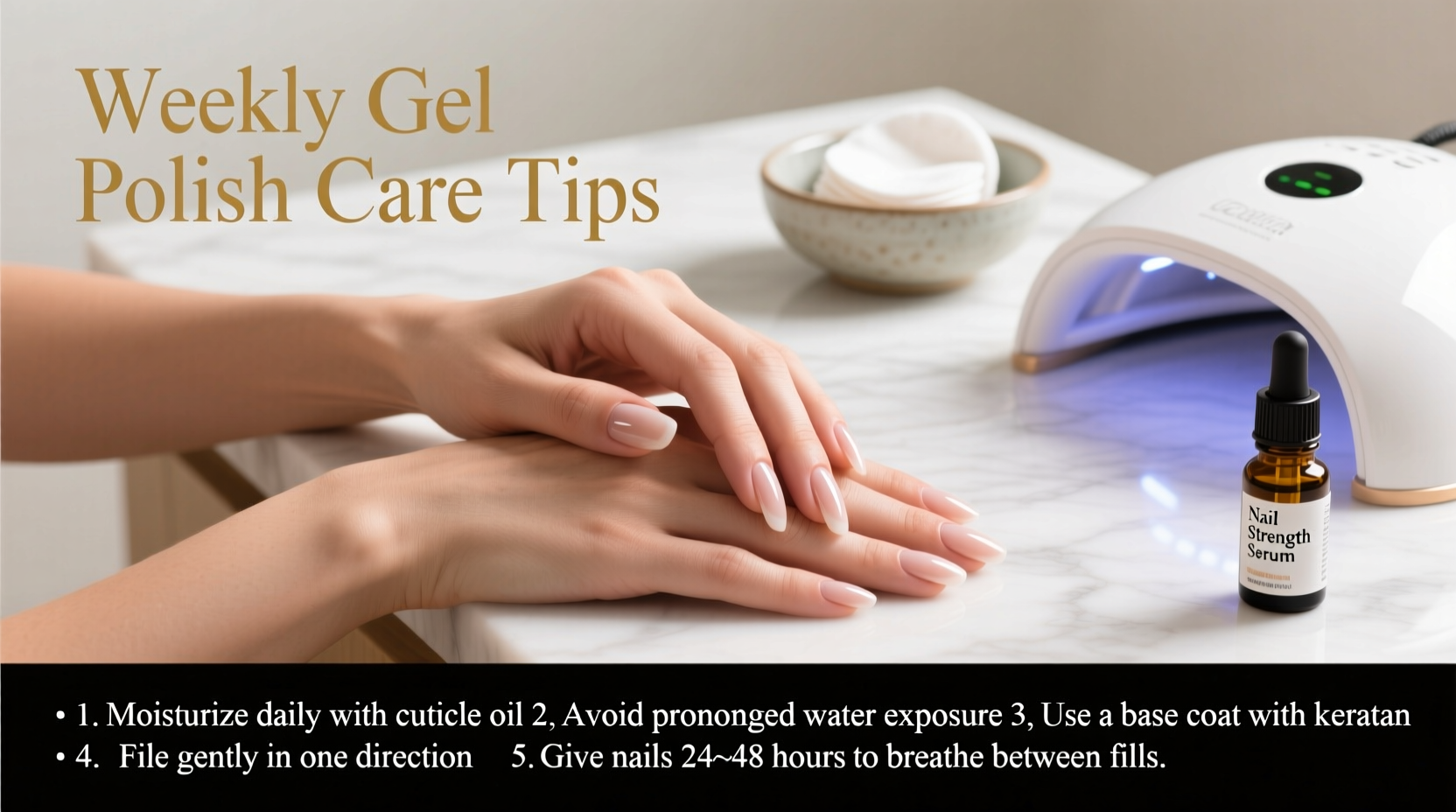
Gel polish adheres strongly to the nail plate and requires UV or LED curing, which alters its chemical structure for durability. While this makes it ideal for longevity, repeated application and removal can compromise nail integrity over time. The primary stressors include dehydration from acetone soaks, mechanical trauma during filing, and over-buffing before application.
Nails are made of keratin, a protein that thrives in balanced moisture environments. When exposed too frequently to drying agents like alcohol-based cleansers and acetone, the nail matrix loses hydration, becoming brittle and prone to splitting. Additionally, aggressive cuticle trimming or pushing back can lead to infections or impaired nail growth.
“Even with regular gel use, healthy nails are achievable—if you prioritize hydration, gentle handling, and recovery periods.” — Dr. Lena Torres, Board-Certified Dermatologist specializing in nail health
Weekly Nail Care Routine for Gel Wearers
Maintaining strength isn’t about avoiding gel polish altogether—it’s about integrating protective steps into your weekly schedule. A consistent rhythm of nourishment, monitoring, and minimal intervention keeps nails resilient between salon visits.
Step-by-Step Weekly Timeline
- Day 1 (Post-Manicure): Apply a hydrating cuticle oil after your appointment. Avoid water immersion for at least four hours to prevent lifting.
- Day 3: Gently massage nails with jojoba or vitamin E oil. Check for signs of lifting or chipping.
- Day 7: Perform a hand soak using lukewarm water and a few drops of olive oil. Pat dry thoroughly and reapply oil.
- Day 10: Inspect nail edges for snagging or roughness. Use a fine-grit buffer (180/240) only if needed—never file aggressively.
- Day 14: Begin preparing for removal. Avoid picking at polish; instead, condition cuticles daily.
Essential Do’s and Don’ts During Gel Wear
Small behavioral shifts make a significant difference in preserving nail strength. Below is a clear comparison of recommended versus harmful practices.
| Do’s | Don’ts |
|---|---|
| Wear gloves when doing dishes or cleaning | Use nails as tools (e.g., opening cans, scratching) |
| Apply cuticle oil daily (morning and night) | Peel or pick off gel polish |
| Keep nails trimmed to moderate length | Soak hands excessively in hot water |
| Use a ridge-filling base coat if nails are uneven | Buff aggressively to “smooth” the nail surface |
| Take a break every 4–6 weeks from gel polish | Get fills too frequently without assessing nail health |
One common mistake is assuming that thicker gel layers equal better protection. In reality, thick applications increase shrinkage during curing, creating tension on the nail plate that leads to weakening over time. Opt for thin, even coats applied by a skilled technician.
Safe Removal Practices That Preserve Nail Strength
Improper removal is the leading cause of post-gel damage. Acetone is necessary but harsh, especially when combined with scraping or prolonged soaking beyond 15 minutes.
Professional vs. At-Home Removal: What Works Best?
- At the Salon: Technicians often use foil wraps with soaked cotton pads, allowing controlled softening. They follow up with wooden sticks or orangewood tools—never metal scrapers—to gently nudge off softened gel.
- DIY Method: If removing at home, never use pure acetone without moisturizing prep. Soak a cotton pad in acetone, place it on the nail, wrap with foil, and wait 10–12 minutes. Wipe gently—do not force residue off.
After removal, avoid washing hands immediately. Instead, apply a nourishing oil or cream to counteract dryness. Wait at least 24 hours before reapplying any polish to allow the nail to rebreathe.
“Nail ‘breathing’ is a myth—the nail gets oxygen from the bloodstream, not air. But giving it a rest from chemicals reduces cumulative stress.” — Dr. Alan Kim, Cosmetic Dermatology ResearcherTip: Add a few drops of almond oil to your acetone soak to reduce dehydration during removal.
Nutrition and Internal Support for Stronger Nails
External care alone isn’t enough. Healthy nails begin from within. Deficiencies in key nutrients like biotin, iron, zinc, and omega-3 fatty acids directly impact nail texture and growth rate.
A 2020 study published in the *Journal of Drugs in Dermatology* found that participants taking 2.5 mg of biotin daily experienced a 25% increase in nail thickness after six months. Similarly, low ferritin levels (stored iron) are linked to brittle, spoon-shaped nails.
Dietary Checklist for Nail Resilience
- Eggs and nuts (rich in biotin and protein)
- Fatty fish like salmon (omega-3s for moisture retention)
- Leafy greens (iron and folate)
- Lean meats or legumes (zinc for cell regeneration)
- Whole grains (B vitamins for keratin production)
If dietary intake is inconsistent, consider a supplement formulated specifically for hair, skin, and nails—but consult your healthcare provider first, especially if pregnant or managing chronic conditions.
Real Example: Recovering from Gel Damage
Sarah, a 32-year-old marketing executive, wore gel polish weekly for two years without breaks. Over time, her nails became paper-thin, peeled easily, and caused discomfort when typing. After consulting a dermatologist, she implemented a structured recovery plan:
- Took a six-week break from all polish
- Applied prescription-strength urea cream nightly under cotton gloves
- Used a hardening base coat with calcium lactate during transition phases
- Switched to dip powder (less dehydrating than gel) for special events
Within three months, her nails regained thickness and flexibility. Today, she wears gel polish every other month and maintains strength through consistent oiling and nutrition.
Her experience underscores a critical point: damage is reversible with early intervention and disciplined care.
When to Take a Break from Gel Polish
No matter how careful your routine, continuous exposure increases risk. Watch for these warning signs that indicate it’s time to pause gel use:
- White chalky spots or horizontal ridges
- Nails that bend easily under light pressure
- Pain or sensitivity around the cuticle area
- Peeling in layers, especially at the free edge
- Visible thinning or translucent appearance
Experts recommend scheduling a “nail holiday” every 4–6 cycles. During this period, focus on repair: use hydrating treatments, avoid acrylics or dips, and let nails grow naturally. This reset allows the matrix to regenerate and prevents long-term weakening.
FAQ: Common Questions About Nail Health and Gel Polish
Can I strengthen my nails while still wearing gel polish?
Yes, but only with diligent weekly care. Apply cuticle oil daily, wear gloves during chores, and ensure your technician uses a non-abrasive prep method. Also, choose gel systems with added keratin or hydrolyzed proteins, which may offer mild reinforcement.
Is there a safer alternative to traditional gel removal?
Some salons now offer “soak-off friendly” gels designed to lift more easily. However, they may not last as long. Another option is using an electric file with a low-speed bit—only when performed by a licensed professional to minimize heat and dust exposure.
Does wearing sunscreen on hands protect nails?
Indirectly, yes. UV exposure from sunlight or curing lamps can degrade keratin over time. Applying broad-spectrum SPF 30+ to your hands helps preserve both skin and nail integrity, reducing yellowing and brittleness.
Conclusion: Sustain Beauty Without Sacrificing Strength
Gel polish doesn’t have to come at the cost of healthy nails. By adopting a mindful, proactive approach—one that blends smart product choices, gentle handling, proper removal, and internal nourishment—you can maintain strong, attractive nails week after week. It’s not about perfection, but consistency. Small habits, repeated over time, build resilience.
💬 Ready to transform your nail care routine? Start tonight: grab your cuticle oil, set a weekly reminder, and commit to one change that supports long-term strength. Share your journey or ask questions in the comments—we’re all learning together.








