
The shirt dress is a timeless wardrobe staple—versatile, polished, and effortlessly chic. Whether dressed up with heels or worn casually with sneakers, it transitions seamlessly from day to night. But despite its universal appeal, not every shirt dress flatters every body. The key to unlocking its full potential lies in understanding your unique silhouette and choosing cuts, proportions, and details that enhance your natural shape.
Finding the ideal shirt dress isn’t about chasing trends—it’s about making intentional choices based on structure, fabric, and fit. With the right approach, you can highlight your best features, create balance, and feel confident no matter your size or shape.
Know Your Body Shape First
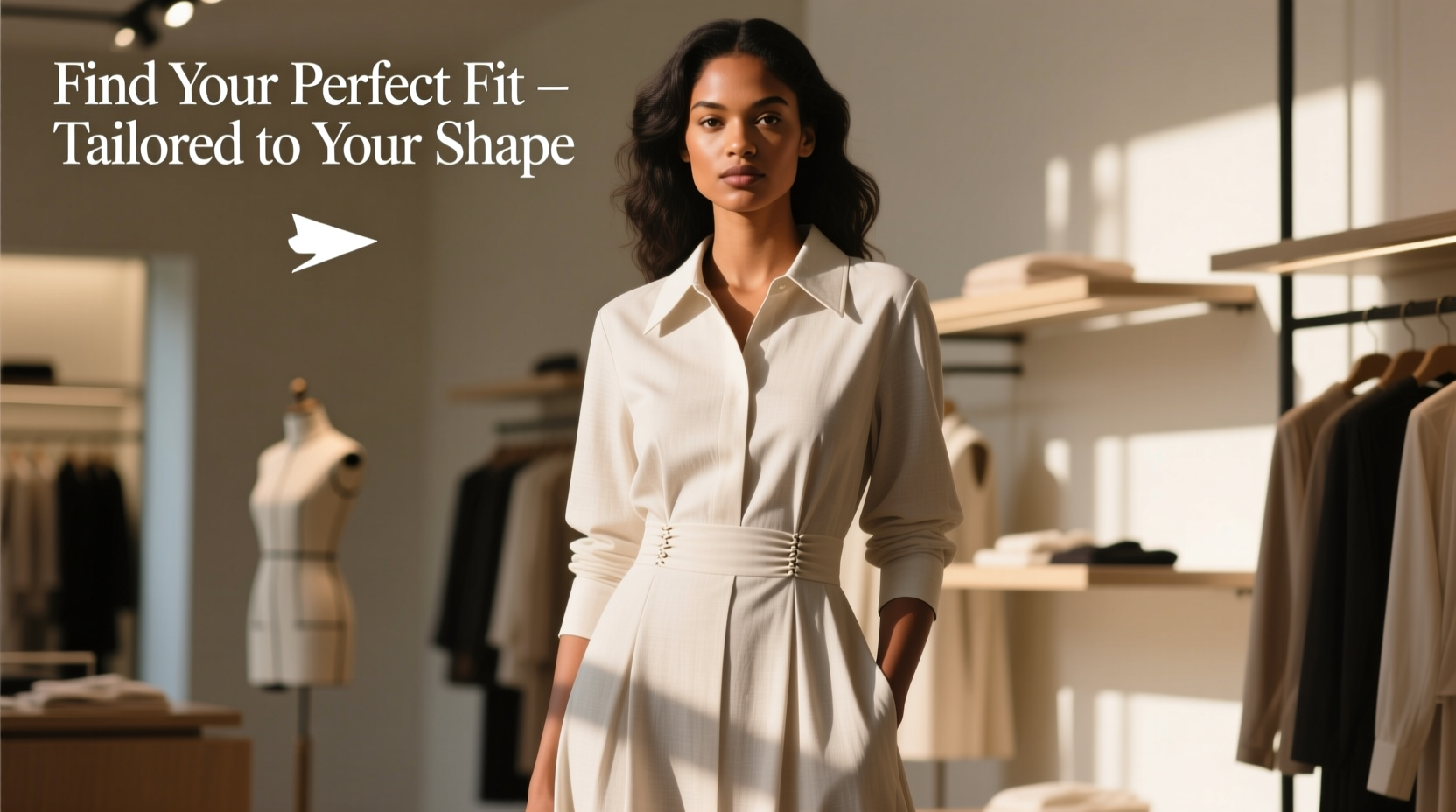
Before selecting a shirt dress, identify your body type. This foundational step ensures your clothing works *with* your frame, not against it. While bodies are wonderfully diverse, most fall into five primary categories: hourglass, pear, apple, rectangle, and inverted triangle.
| Body Shape | Key Features | Dress Strategy |
|---|---|---|
| Hourglass | Balanced bust and hips, defined waist | Emphasize the waist; avoid boxy silhouettes |
| Pear | Hips wider than shoulders | Draw attention upward; add volume to top half |
| Apple | Broad shoulders, fuller midsection, narrower hips | Create definition at the waist; elongate torso |
| Rectangle | Bust, waist, and hips similar in width | Add curves with belting and draping |
| Inverted Triangle | Broad shoulders, narrow hips | Balance proportions; add volume below the waist |
Understanding your shape allows you to make strategic decisions—like where to cinch, which necklines to favor, and how much fabric volume suits you best.
Choose the Right Cut for Your Silhouette
Not all shirt dresses are created equal. Subtle differences in cut can dramatically alter how the garment fits and flatters.
- Fitted & Belted: Ideal for hourglass and rectangle shapes. A defined waist enhances curves and adds structure.
- Shirt-Tail Hem: Longer in the back, this style elongates the leg line and works well for petite frames or those wanting more coverage.
- Tunic Length: Falls above the knee, great for apple and pear shapes when paired with leggings or tailored pants.
- Relaxed/Oversized: Offers comfort but can overwhelm smaller frames. Best balanced with a belt for rectangle or apple shapes.
- A-Line: Flares gently from the waist, skimming over hips. Universally flattering, especially for pear and apple types.
Master Fabric and Structure
The material of your shirt dress impacts both comfort and silhouette. Crisp cotton poplin holds structure well and gives a polished look, while lightweight rayon or viscose drapes softly, ideal for creating flow and movement.
For apple or plus-size figures, structured fabrics help maintain clean lines and reduce clinging. For petite or narrow frames, overly stiff materials may overpower the frame—opt for medium-weight blends that drape without bulk.
“Fabric choice is just as important as cut. A fluid fabric can soften angles, while a crisp weave adds authority and polish.” — Lena Torres, Fashion Stylist & Fit Consultant
Avoid ultra-thin materials that cling or become see-through when unlined. Always check for lining, especially in lighter colors. A fully lined shirt dress maintains shape, prevents transparency, and feels more luxurious.
Step-by-Step Guide to Finding Your Perfect Shirt Dress
- Assess your body shape using mirrors, photos, or professional fittings.
- Determine your preferred length: mini, midi, or maxi. Midi (just below the knee) is most versatile.
- Try different sleeve lengths. Cap sleeves suit broader shoulders; flutter sleeves add softness to angular frames.
- Focus on shoulder seams. They should align with the edge of your shoulders—not droop or pinch.
- Test mobility. Sit down, raise your arms, and walk. Ensure comfort and coverage.
- Add a belt to define the waist, even on relaxed styles.
- Evaluate proportion. If the dress overwhelms your frame, scale down in size or style.
Mini Case Study: Sarah’s Search for Confidence
Sarah, 5'4\" with a pear-shaped figure, loved the idea of shirt dresses but always felt “drowned” in them. She avoided belted styles, thinking they’d emphasize her hips. After a consultation, she tried an A-line shirt dress in navy with a self-tie waist. The V-neck drew attention upward, and the belt highlighted her narrow waist. The skirt gently flared, balancing her hips. “I didn’t realize a belt could change everything,” she said. “Now I wear mine to work and brunch.”
Styling Tips by Body Type
- Hourglass: Opt for tailored shirt dresses with built-in belts. Choose vertical stripes or solid colors to accentuate symmetry.
- Pear: Wear darker bottoms with lighter tops or prints near the chest. Pair with pointed-toe flats to elongate legs.
- Apple: Select wrap-style shirt dresses or styles with diagonal button plackets to create vertical interest. Avoid high-volume skirts.
- Rectangle: Use wide belts and layered jewelry to create the illusion of curves. Try ruching or peplum details.
- Inverted Triangle: Choose shirt dresses with A-line hems or pockets at the hip to add lower-body volume. Avoid oversized collars.
Frequently Asked Questions
Can tall women wear short shirt dresses?
Absolutely. Tall figures can rock mini shirt dresses, especially when styled with boots or structured jackets. Just ensure the shoulders fit properly to avoid looking sloppy.
Are button-down shirt dresses appropriate for work?
Yes, if chosen wisely. Opt for tailored fits, conservative lengths (knee or below), and neutral tones like navy, black, or beige. Pair with a blazer and closed-toe shoes for a professional finish.
How do I prevent gaping at the buttons?
Button gap is common, especially across the bust. Try a slim camisole underneath, use fashion tape, or select styles with a hidden snap placket behind the buttons. Some brands offer “gap-proof” designs with closer button spacing.
Final Checklist Before You Buy
- ✅ Does the shoulder seam sit naturally?
- It should rest at the edge of your shoulder, not slide down or pull.
- ✅ Is the waist adjustable?
- Look for belts, tie waists, or darts that allow shaping.
- ✅ Does it move with you?
- Sit, walk, and reach to test comfort and coverage.
- ✅ Is the fabric season-appropriate?
- Heavier cottons for cooler months, linens or blends for summer.
- ✅ Does it complement your lifestyle?
- Consider ease of care—machine-washable fabrics save time.
Conclusion
Finding the perfect shirt dress isn’t about conforming to a single standard of beauty—it’s about celebrating your individuality through thoughtful style choices. When you align cut, fabric, and fit with your body’s natural architecture, the result is confidence that radiates far beyond appearance.
Your ideal shirt dress is out there: one that moves with you, flatters your shape, and makes getting dressed feel effortless. Don’t settle for “almost right.” Measure, try, adjust, and trust your instincts. Once you find it, you’ll wonder how you ever lived without it.
💬 Found your perfect shirt dress? Share your story or styling tip in the comments—your experience could inspire someone else’s fashion breakthrough!