White sneakers are a wardrobe staple—versatile, stylish, and easy to pair with almost any outfit. But their pristine appearance comes at a cost: they show every speck of dirt, and worse, improper cleaning can leave behind a yellowish tint on the mesh upper. This discoloration isn’t just unsightly; it often signals chemical damage or residue buildup that accelerates aging. The good news is that yellowing is preventable. With the right tools, techniques, and understanding of sneaker materials, you can restore your whites without compromising the integrity of the mesh.
Understanding Why Mesh Turns Yellow
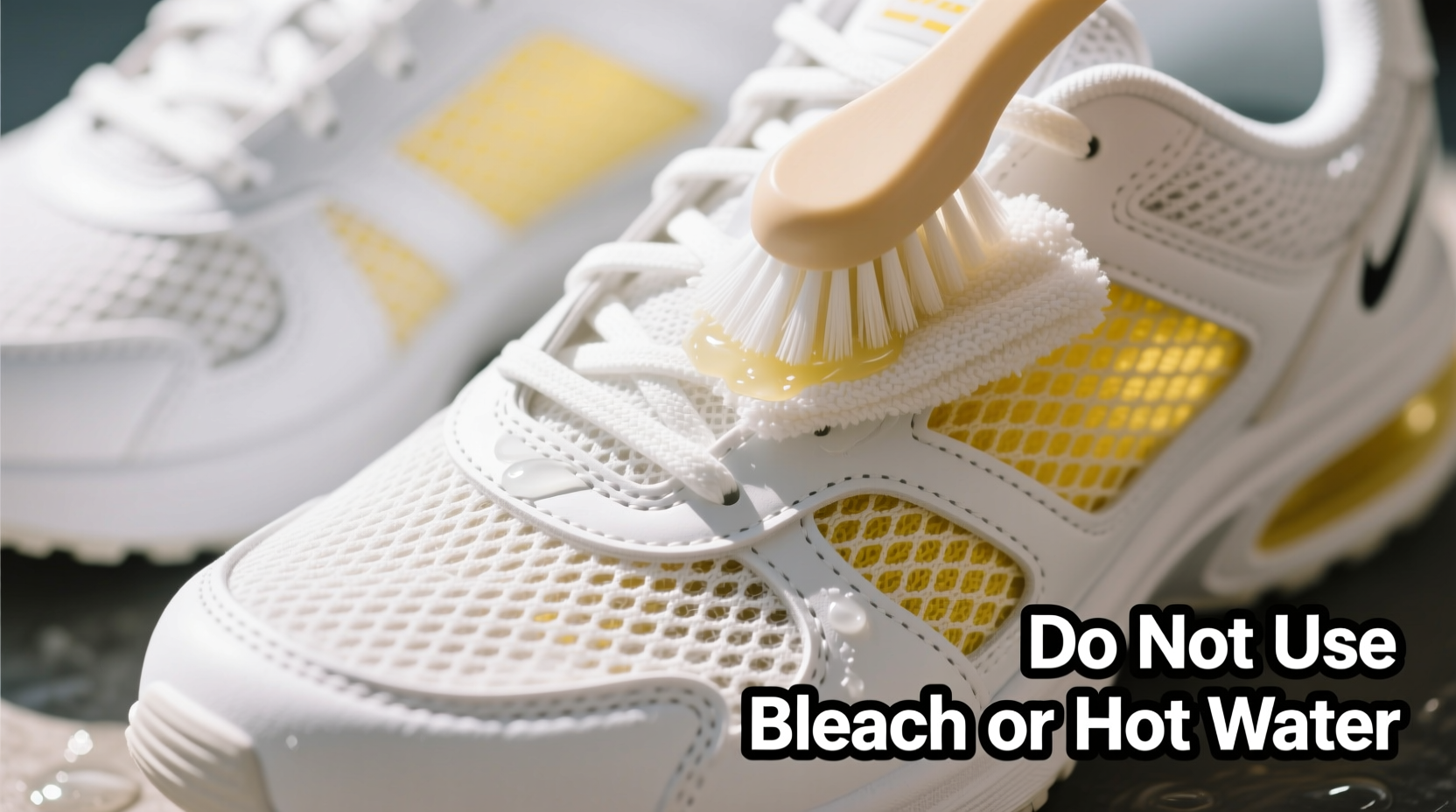
The mesh used in most modern white sneakers—typically made from polyester, nylon, or a blend—is engineered for breathability and flexibility. However, this porous structure also makes it vulnerable to staining and oxidation. Yellowing occurs due to several factors:
- Oxidation from sunlight: UV exposure breaks down polymers in synthetic fibers, leading to a yellow cast.
- Detergent residue: Harsh soaps or excessive suds left in the fabric react with air and light over time.
- Sweat and skin oils: These contain urea and fatty acids that bond with fibers and oxidize.
- Chlorine or bleach exposure: Even small amounts in tap water or cleaning products can degrade dyes and fibers.
- Poor drying practices: Air-drying near heat sources or in direct sun accelerates yellowing.
Prevention starts with recognizing these triggers. Cleaning isn’t just about removing surface grime—it’s about preserving the chemistry of the material itself.
Tip: Always test any cleaning solution on a small, hidden area of the mesh first to check for discoloration or fiber damage.Step-by-Step Guide to Safely Clean White Sneakers
Cleaning mesh sneakers requires patience and precision. Rushing the process or using aggressive ingredients increases the risk of yellowing. Follow this detailed method to deep-clean without harm.
- Remove laces and insoles: Take out both components and wash them separately. Laces can be soaked in warm water with mild detergent; insoles should be gently scrubbed with a soft brush.
- Dry brush loose debris: Use a soft-bristle toothbrush or suede brush to remove dried mud, dust, and particles from the mesh and midsole.
- Prepare a pH-balanced cleaning solution: Mix one cup of lukewarm water with one tablespoon of mild liquid dish soap (like Dawn) and one tablespoon of baking soda. Avoid bleach, hydrogen peroxide, or laundry detergents high in optical brighteners.
- Spot-test the solution: Apply a small amount to an inconspicuous area (e.g., near the heel tab). Wait 10 minutes and blot dry. If no discoloration appears, proceed.
- Apply with a microfiber cloth or soft brush: Dampen a cloth in the solution, wring thoroughly, and gently dab or wipe the mesh in circular motions. Never soak the shoe.
- Tackle stubborn stains: For scuff marks or grass stains, use a cotton swab dipped in diluted white vinegar (one part vinegar to three parts water). Blot—don’t rub—to avoid fiber distortion.
- Rinse without submerging: Wipe the cleaned areas with a separate cloth dampened only in clean water to remove soap residue.
- Air-dry properly: Stuff shoes with white paper towels (not newspaper—ink can transfer) to absorb moisture and maintain shape. Place in a well-ventilated, shaded area away from radiators or direct sunlight.
This entire process should take 30–45 minutes, plus 8–12 hours of drying time. Patience here prevents long-term damage.
Do’s and Don’ts: Best Practices for Maintaining White Mesh
| Do’s | Don’ts |
|---|---|
| Use lukewarm water and gentle, dye-free soaps | Never use chlorine bleach or OxiClean-type powders |
| Dry shoes indoors, away from direct light | Don’t place wet sneakers near heaters or in a clothes dryer |
| Brush lightly with non-abrasive tools | Don’t scrub aggressively—this damages mesh fibers |
| Store in breathable cotton bags when not in use | Don’t leave shoes in plastic containers where moisture accumulates |
| Rotate footwear to reduce sweat buildup | Don’t wear the same white sneakers daily without airing them out |
Maintaining consistency in aftercare has a compounding effect. Shoes cleaned gently every few weeks last significantly longer than those subjected to infrequent, intense scrubbing.
Expert Insight: What Care Professionals Recommend
“Most yellowing cases we see come from DIY hacks involving bleach or direct sun drying. The mesh looks clean initially, but within days, oxidation sets in. Stick to pH-neutral cleaners and indirect airflow—it’s slower, but preserves the material.” — Lena Torres, Footwear Restoration Specialist, SoleCare Lab
Torres, who has worked with athletic brands on post-wear recovery protocols, emphasizes that consumer-grade “miracle” solutions often do more harm than good. Her lab tests consistently show that baking soda and dish soap mixtures outperform commercial sneaker foams in both cleaning efficacy and color retention over time.
Real Example: Recovering a Yellowed Pair
Mark, a graphic designer from Portland, bought a limited-edition pair of white mesh runners for $160. After six months of regular wear and two aggressive cleanings using hydrogen peroxide and toothpaste (a popular internet hack), the toe boxes developed a persistent yellow tint. He stopped wearing them, assuming they were ruined.
On a friend’s recommendation, he tried the low-moisture cleaning method outlined above. He avoided soaking, used only a microfiber cloth with the baking soda solution, and dried the shoes slowly inside his closet using a fan on low setting. After two rounds of cleaning spaced a week apart, the yellowing faded by over 80%. While not factory-white, the sneakers looked fresh enough to wear again—and crucially, no further discoloration occurred.
His mistake wasn’t frequency of cleaning, but chemistry. Switching to gentler agents reversed the damage trend.
Alternative Cleaning Methods Compared
Not all cleaning approaches are equal. Below is a comparison of common techniques based on effectiveness, risk of yellowing, and ease of use.
| Method | Effectiveness | Yellowing Risk | Best For |
|---|---|---|---|
| Hand cleaning with dish soap + baking soda | High | Low | Routine maintenance and moderate stains |
| Vinegar-water solution (diluted) | Medium | Low-Medium | Odor removal and organic stains |
| Hydrogen peroxide + baking soda paste | High (short term) | High | Not recommended—accelerates fiber breakdown |
| Machine washing (even on gentle) | Variable | High | Avoid—causes delamination and mesh warping |
| Commercial sneaker cleaning kits | Medium-High | Low (if alcohol-free) | Convenience-focused users with frequent wear |
The safest long-term strategy combines hand-cleaning with preventive habits like rotating shoes and using waterproof sprays designed for mesh fabrics.
Tip: Apply a silicone-free fabric protector spray after cleaning to help repel water and dirt without clogging mesh pores.Frequently Asked Questions
Can I use toothpaste to clean white sneakers?
No. Despite its popularity, toothpaste—especially whitening varieties—contains abrasives and sodium lauryl sulfate that grind against delicate mesh fibers. It may appear to whiten initially, but repeated use causes pilling and yellowing as damaged fibers oxidize.
Why do my sneakers turn yellow even when I don’t wear them?
Even unworn sneakers can yellow due to environmental exposure. Indoor lighting (especially fluorescent), ozone from electronics, and residual moisture trapped in storage create conditions for slow oxidation. Always store clean, fully dry sneakers in a cool, dark space with airflow.
Is it safe to use a magic eraser on mesh?
No. Melamine foam (magic erasers) acts like fine sandpaper. While effective on rubber soles, it shreds mesh surfaces, leaving thin spots that yellow faster. Reserve it only for non-fabric parts like midsoles or outsoles.
Checklist: Safe Sneaker Cleaning Routine
- ☐ Remove laces and insoles before cleaning
- ☐ Pre-brush dry dirt with a soft brush
- ☐ Mix cleaning solution: 1 tbsp dish soap + 1 tbsp baking soda + 1 cup water
- ☐ Spot-test solution on hidden area
- ☐ Clean mesh with damp microfiber cloth—no soaking
- ☐ Rinse residue with clean water on a separate cloth
- ☐ Stuff with white paper towels for drying
- ☐ Dry in shaded, ventilated area for 8–12 hours
- ☐ Store in breathable container when not in use
- ☐ Reapply fabric protector monthly if worn frequently
Conclusion: Preserve Whiteness, Extend Lifespan
Cleaning white sneakers isn’t about achieving instant sparkle—it’s about sustainable care that protects the material over time. The mesh uppers on modern sneakers are engineered for performance, not abuse. By avoiding harsh chemicals, minimizing moisture saturation, and drying with patience, you preserve both appearance and structural integrity. Yellowing isn’t inevitable; it’s a warning sign of improper treatment. With the right routine, your white sneakers can stay crisp, clean, and wearable for years, not just seasons.
💬 Have a cleaning tip that saved your favorite pair? Share your experience below and help others keep their whites looking fresh without the yellow fade.








